
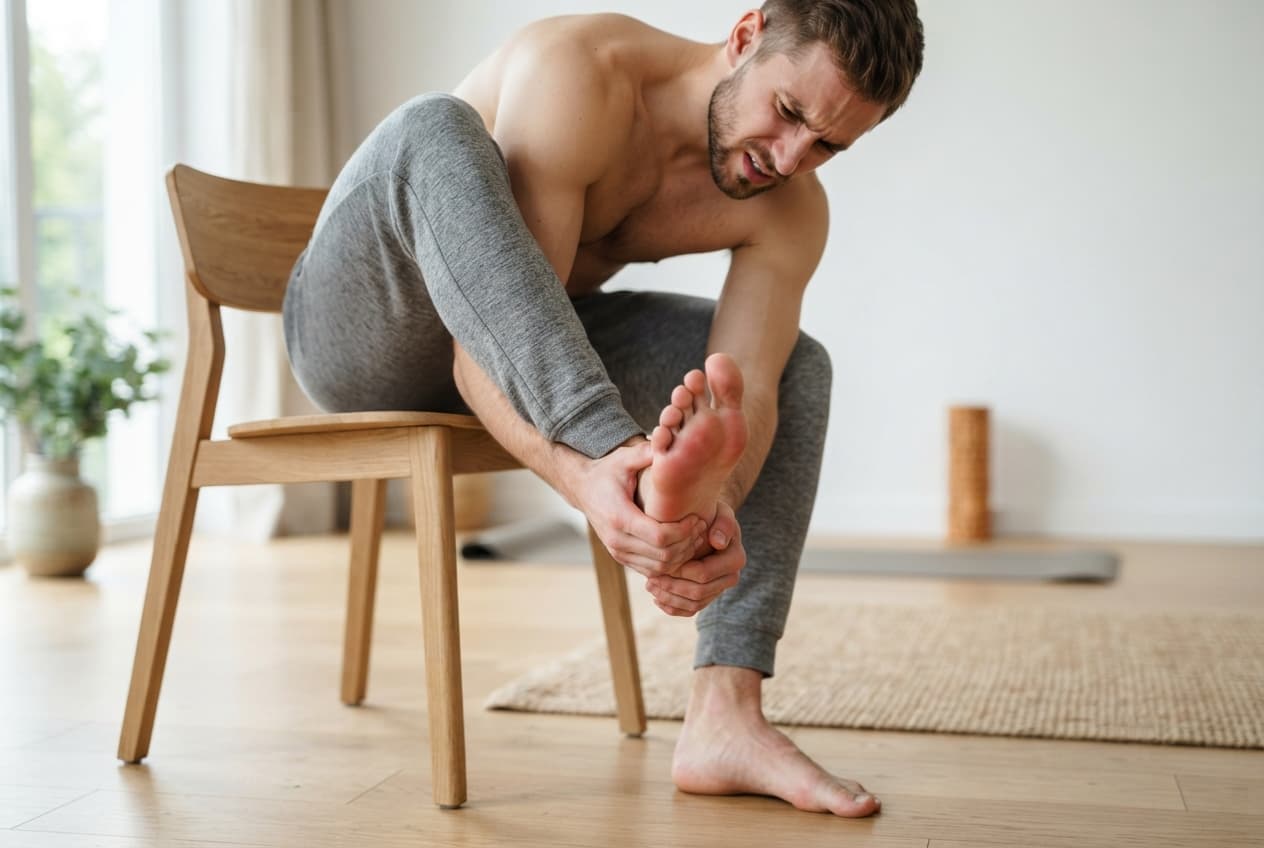
The first steps in the morning hurt, then it gets better – and after sitting for a while it starts again: pain in the sole of the foot, often around the heel, is a very common complaint and is usually called plantar fasciitis, or colloquially a “heel spur”. In this article we show you exercises that can take the load off the sole, and when self-treatment is no longer enough.
Why the sole of the foot hurts so quickly
The plantar fascia is a firm plate of connective tissue that spans like an arch from the heel to the toes and cushions every step when you walk and run. If it is overloaded by long periods of standing, unsuitable shoes, excess weight or a sudden increase in load, it responds with small irritations – felt as a pulling or stabbing pain, typically where it meets the heel. Shortened calf muscles also often increase the tension on the sole, because calf, Achilles tendon and plantar fascia are functionally connected.
5 exercises for pain in the sole of the foot
1. Mini roller sitting or standing
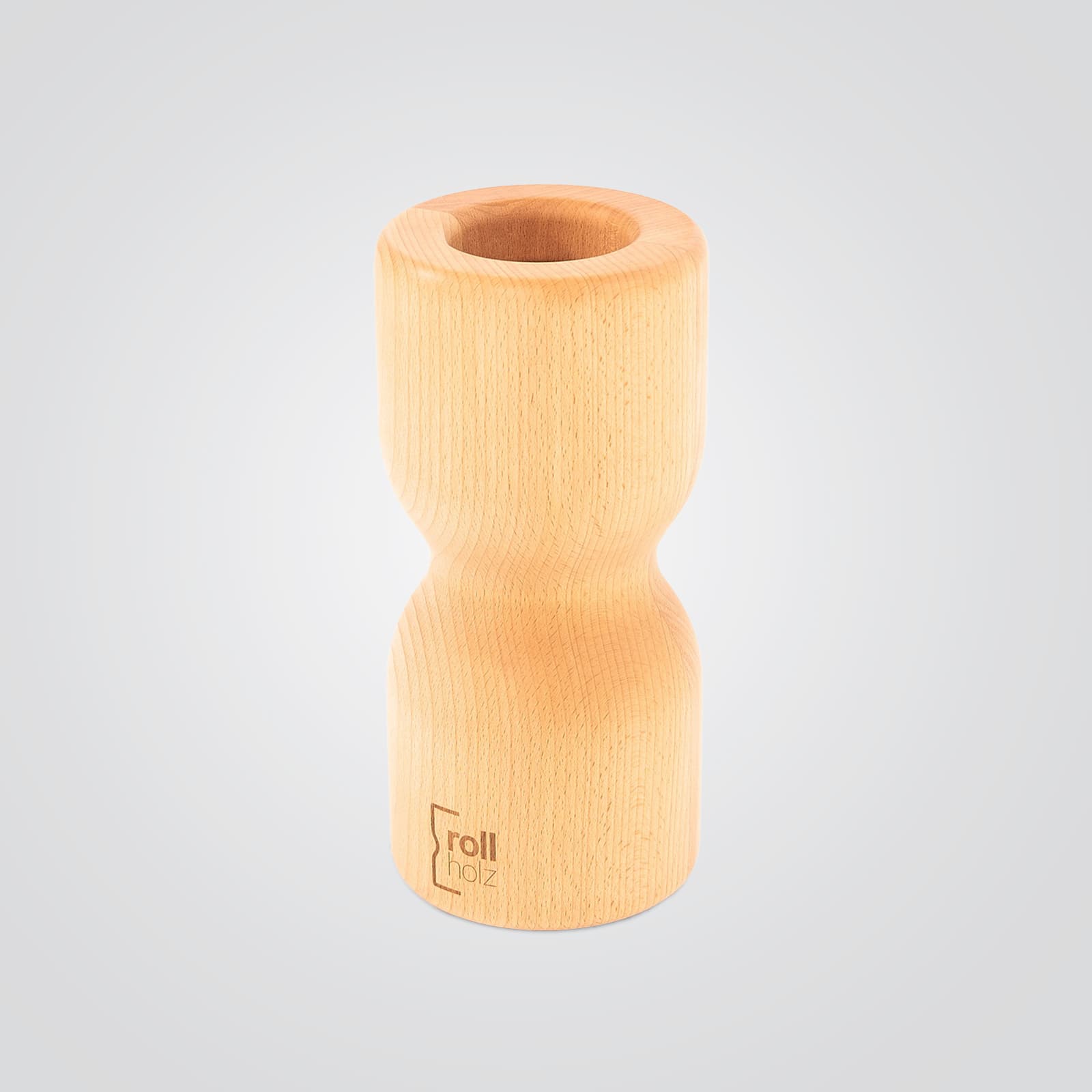
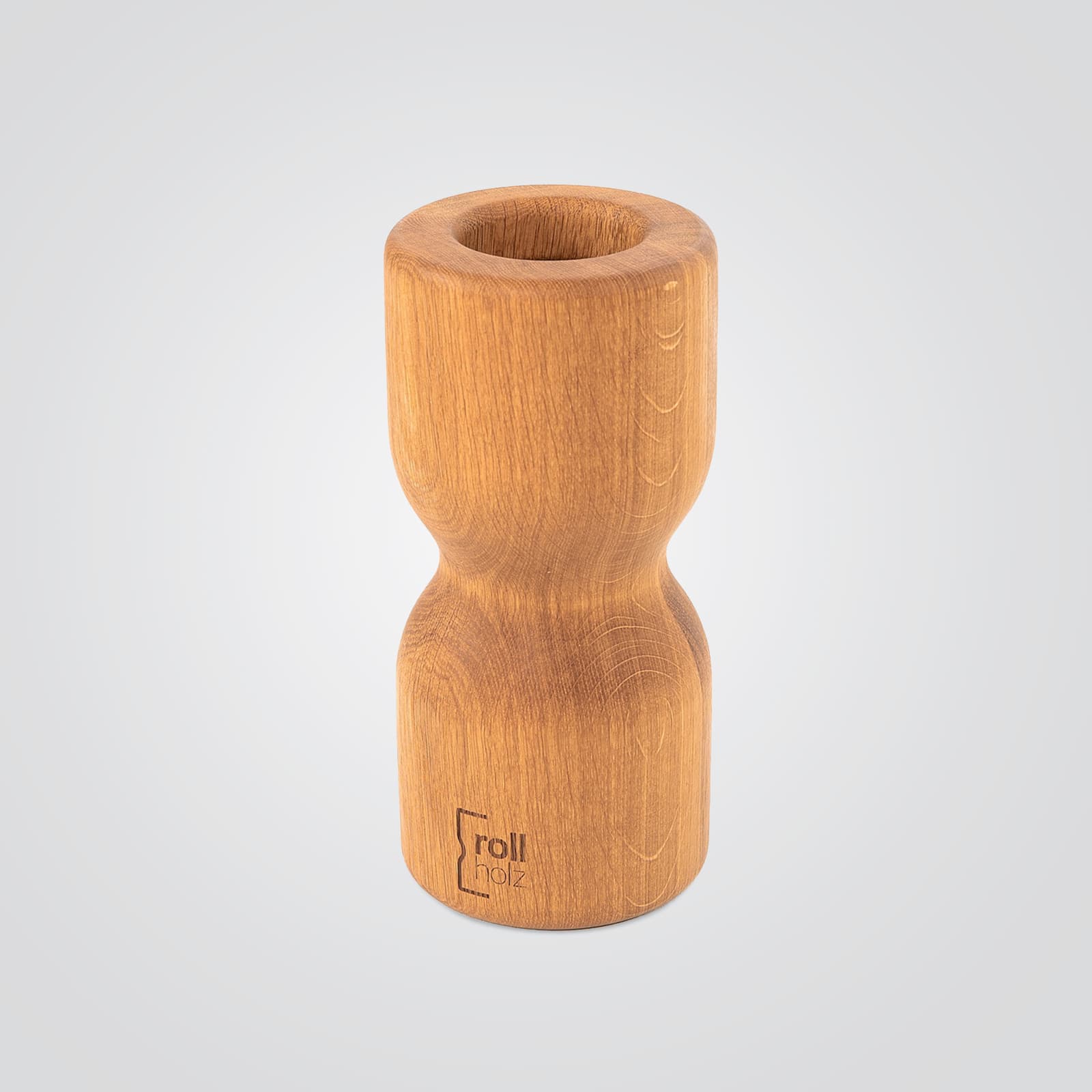
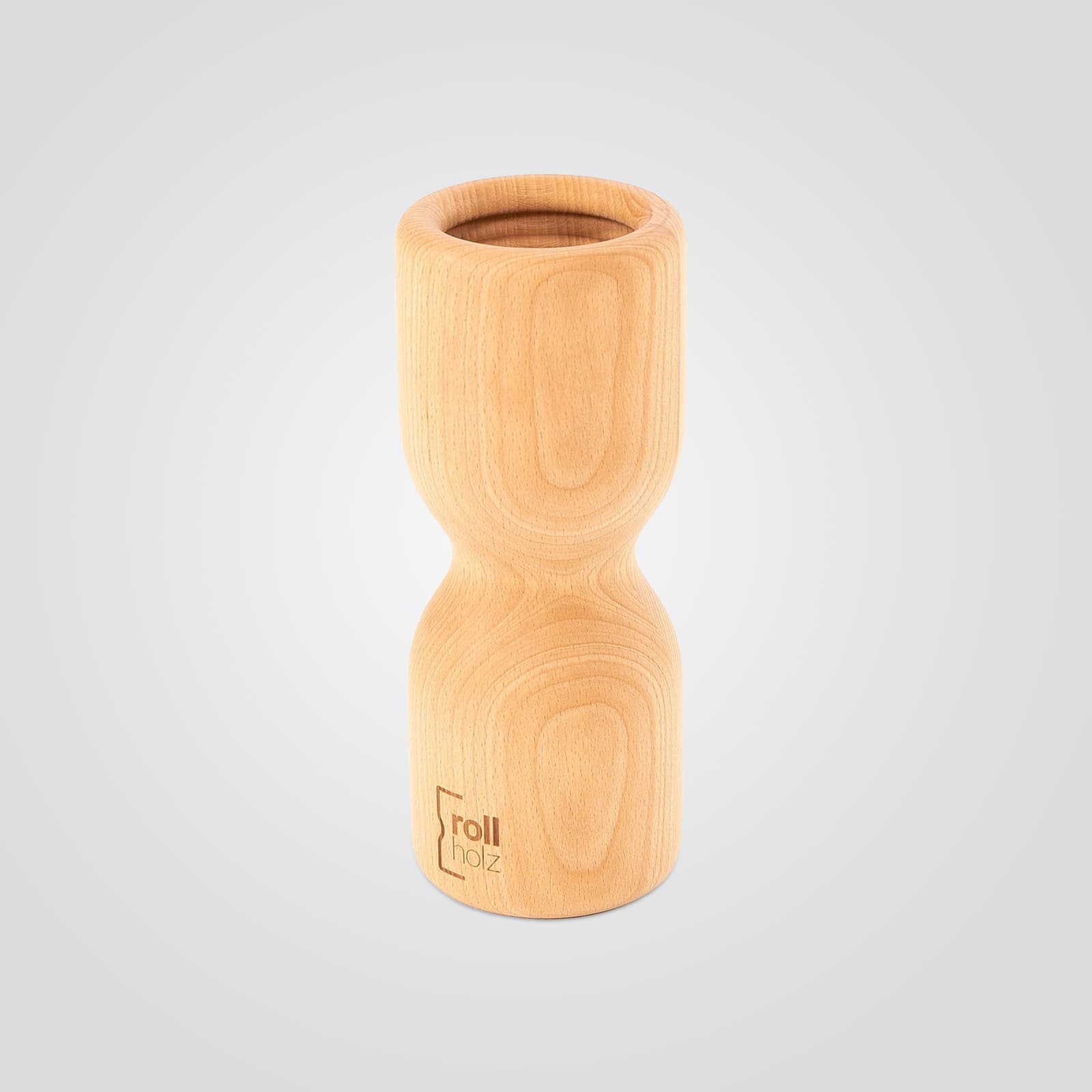
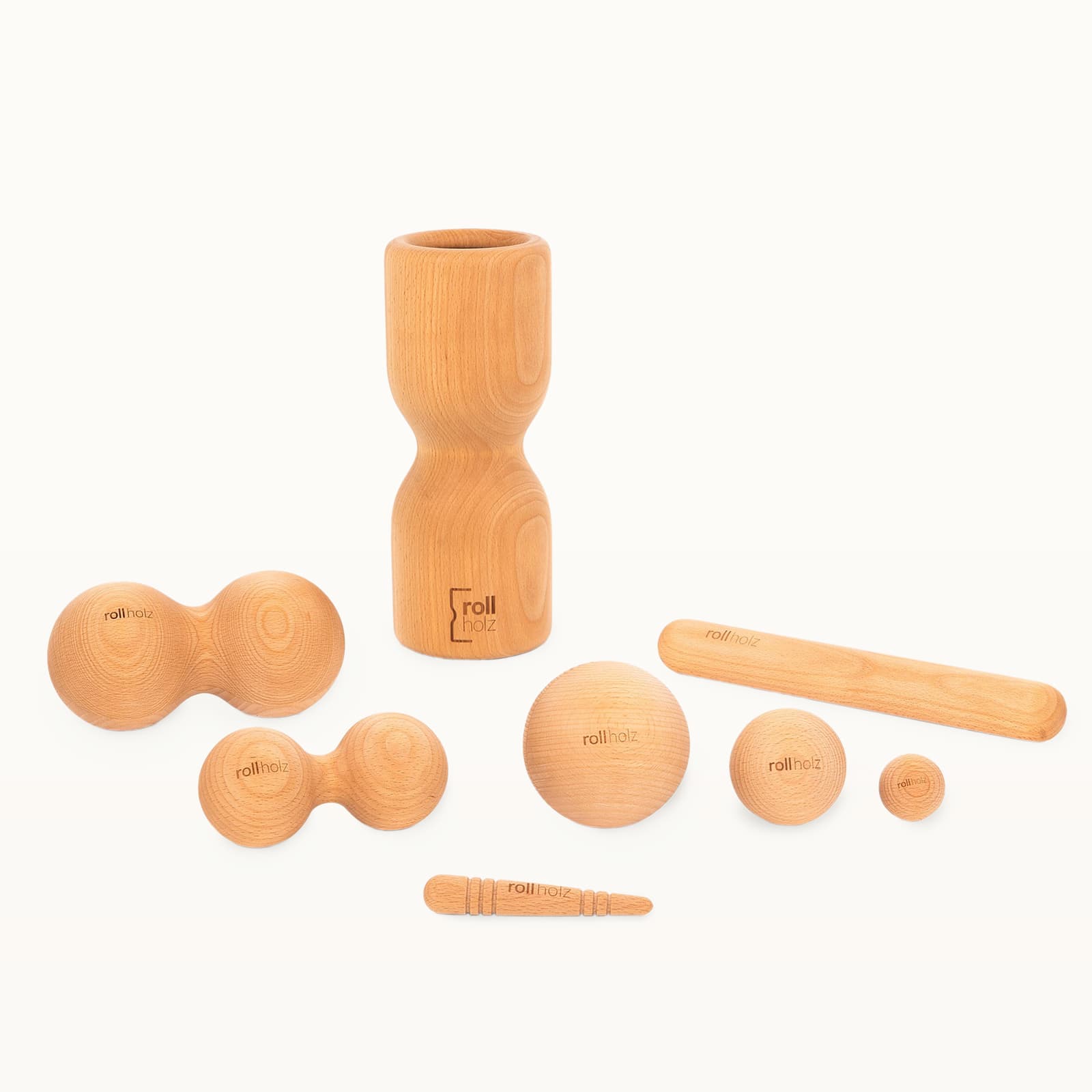
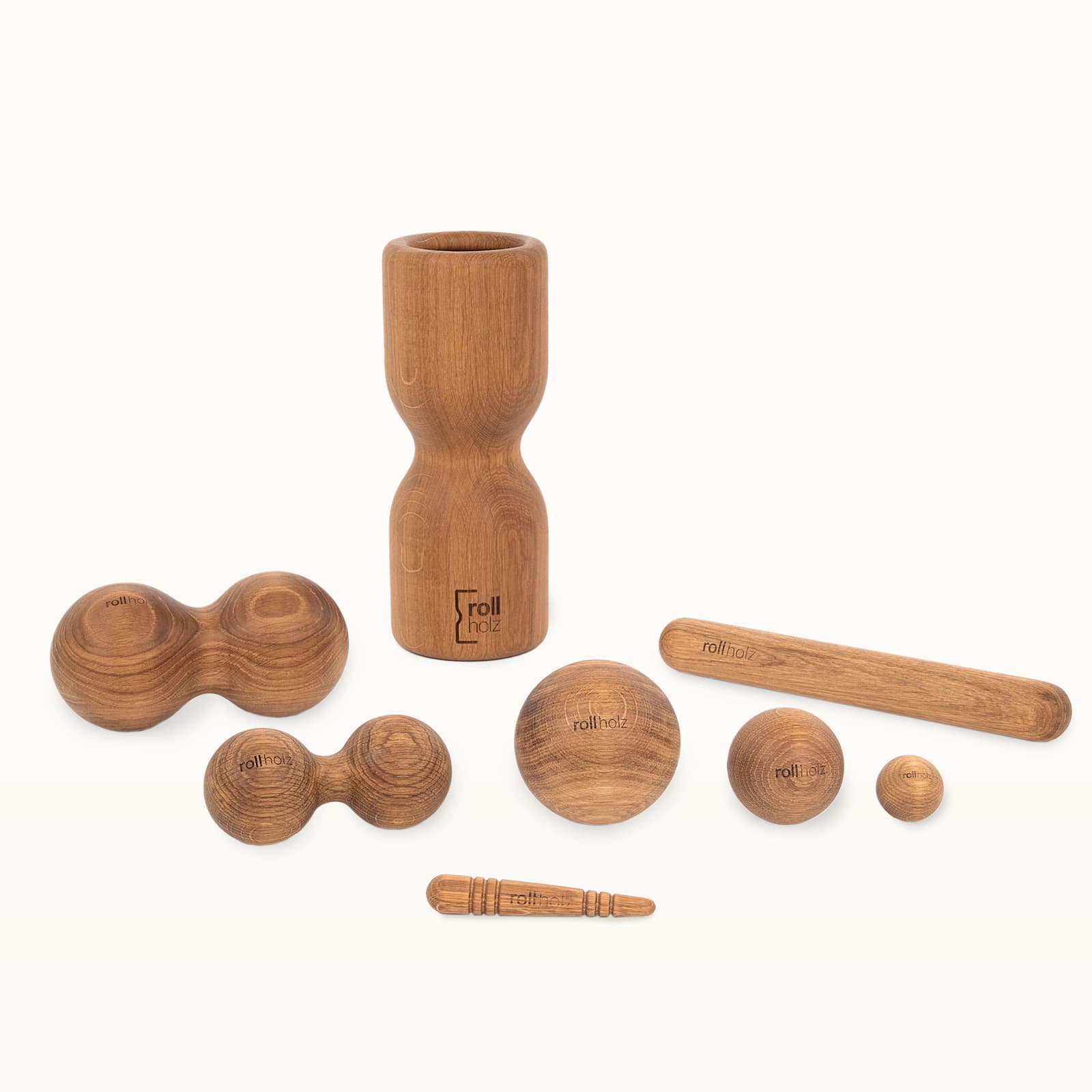
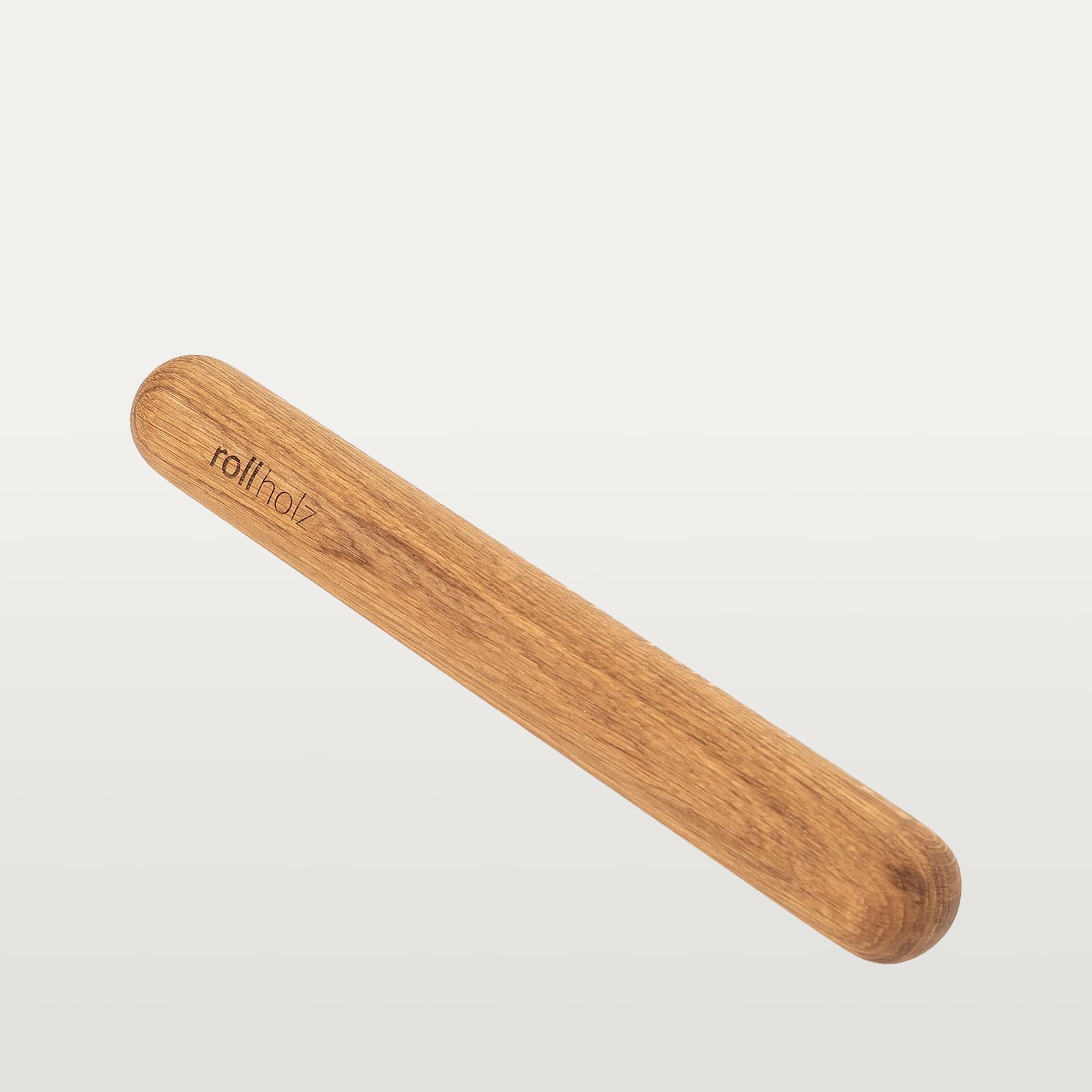
Sit on a chair and place the sole of your foot on your rollholz mini roller. Roll slowly from the heel to the toes and back again. Sitting down, you can dose the pressure well through your leg – ideal for easing into self-massage.
Alternatively, the exercise also works standing: put one foot on the mini roller and roll the sole out slowly. By shifting your weight – more weight on the standing leg for less pressure, more weight on the roller for more pressure – you can control the intensity particularly finely here.

2. Fascia ball standing, for more pressure
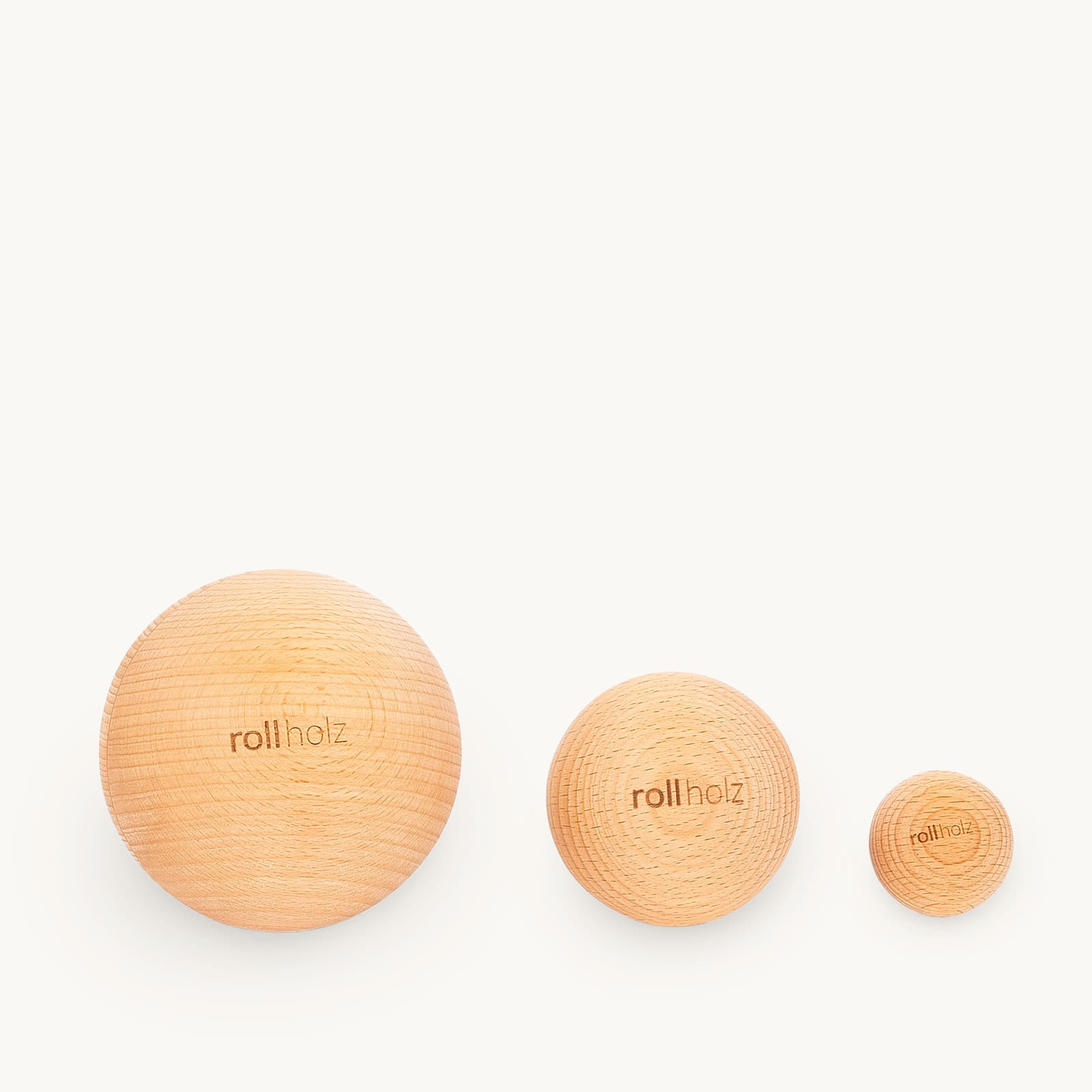
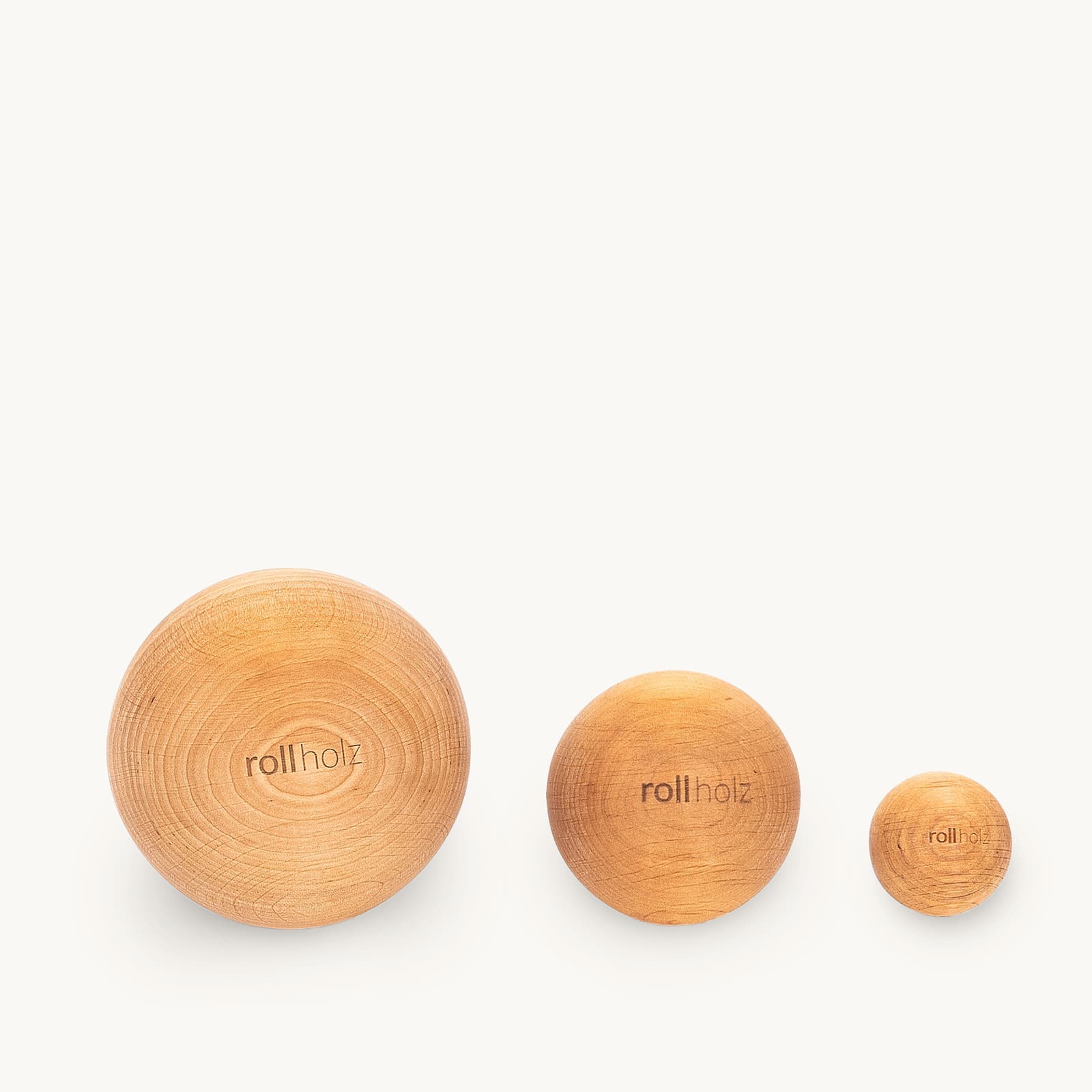
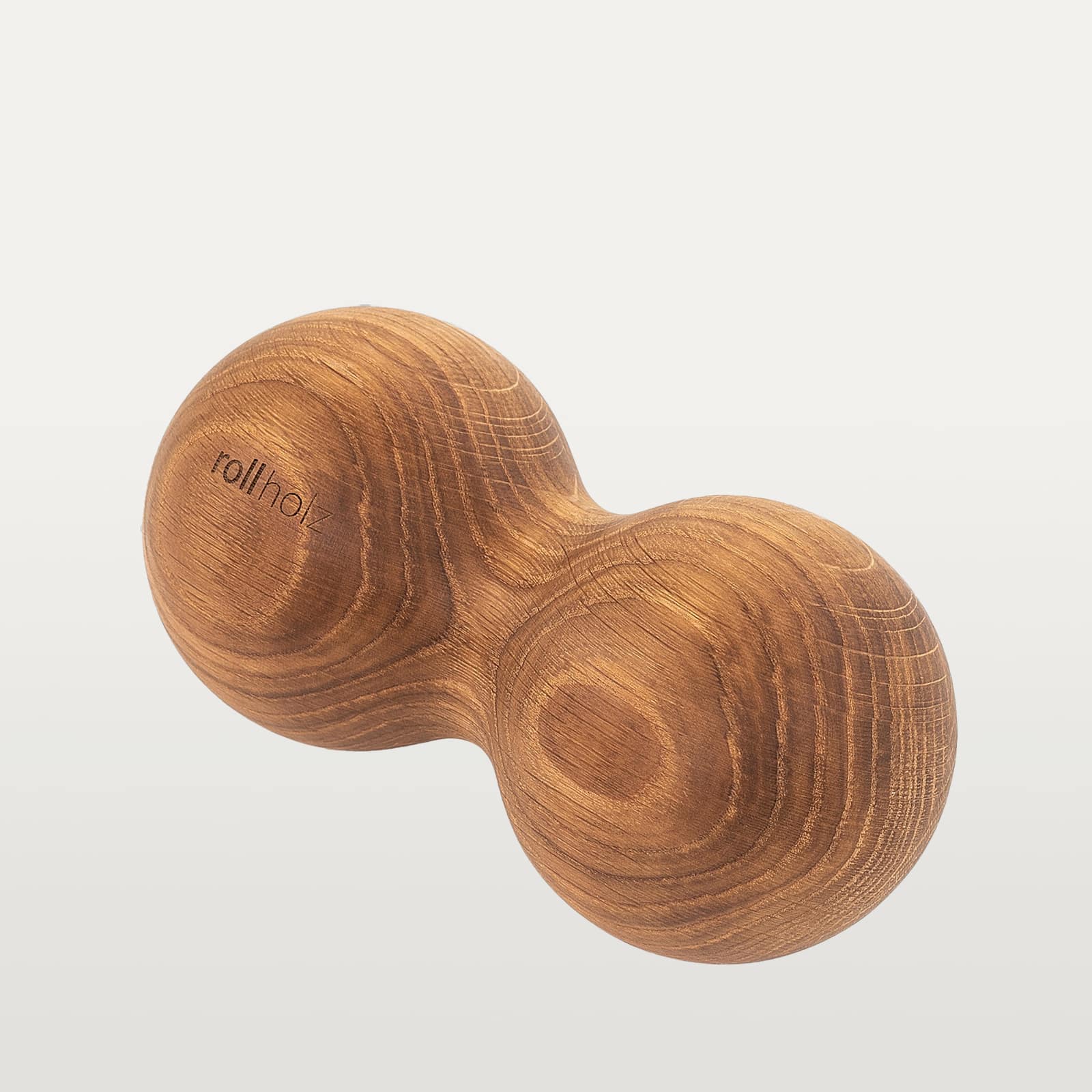
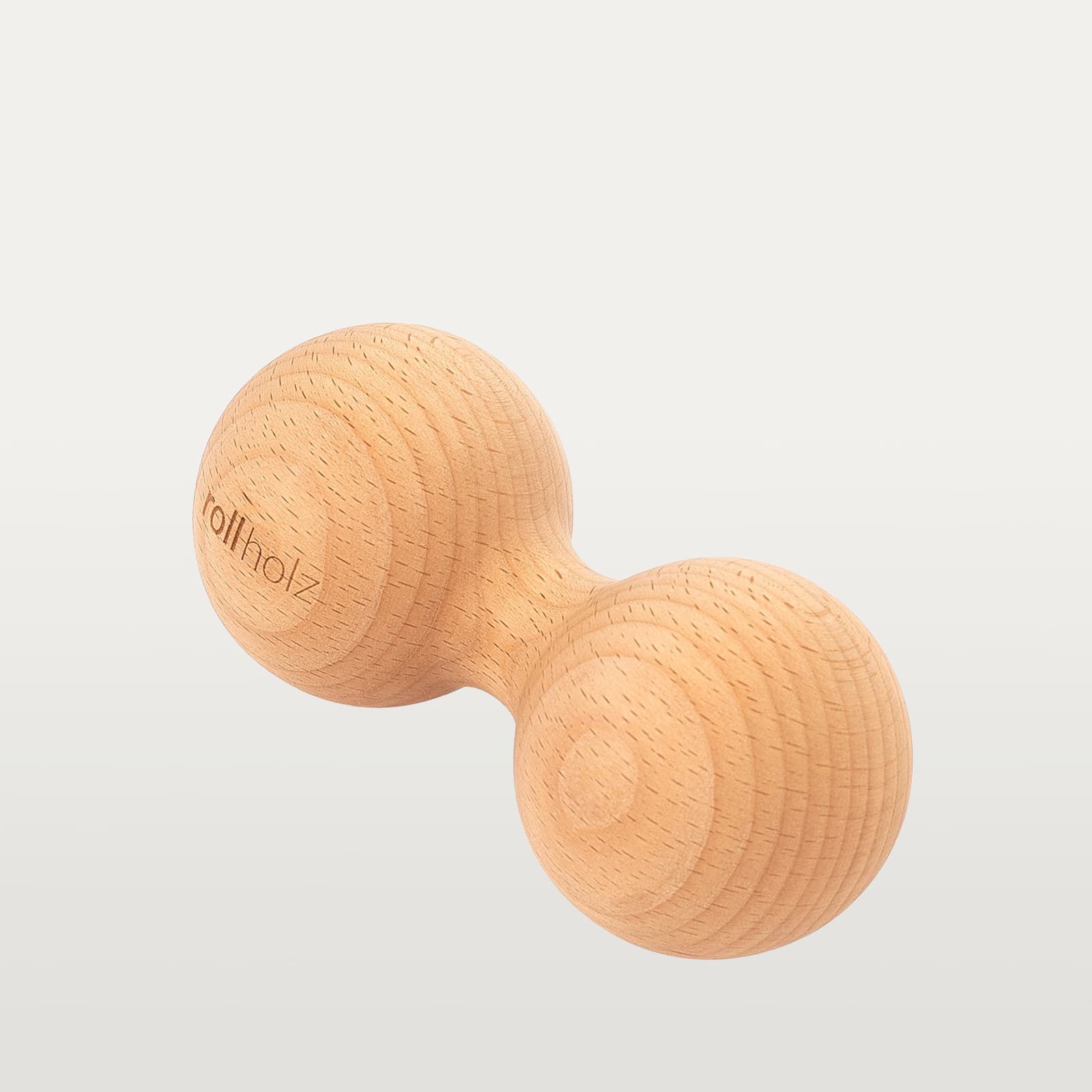
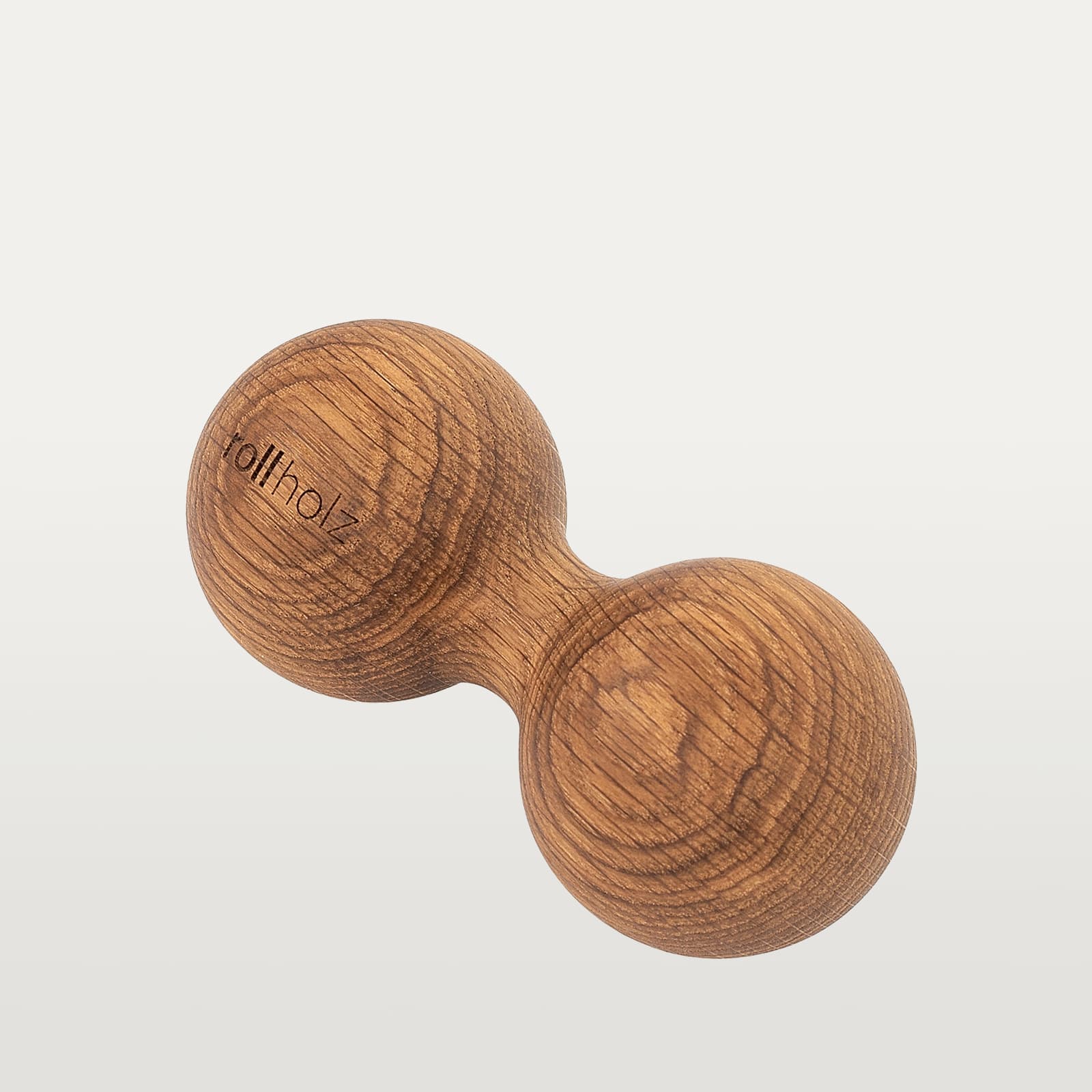
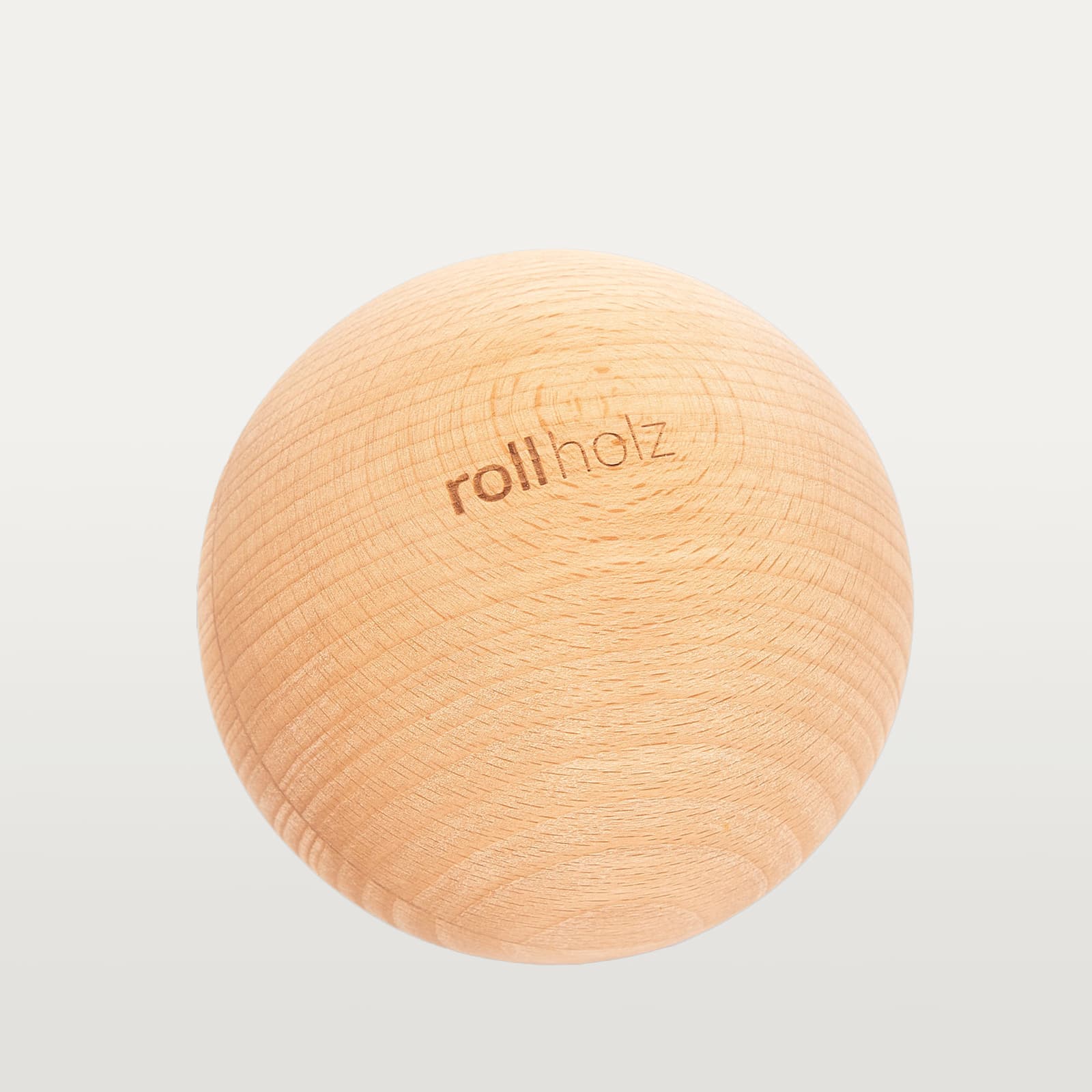
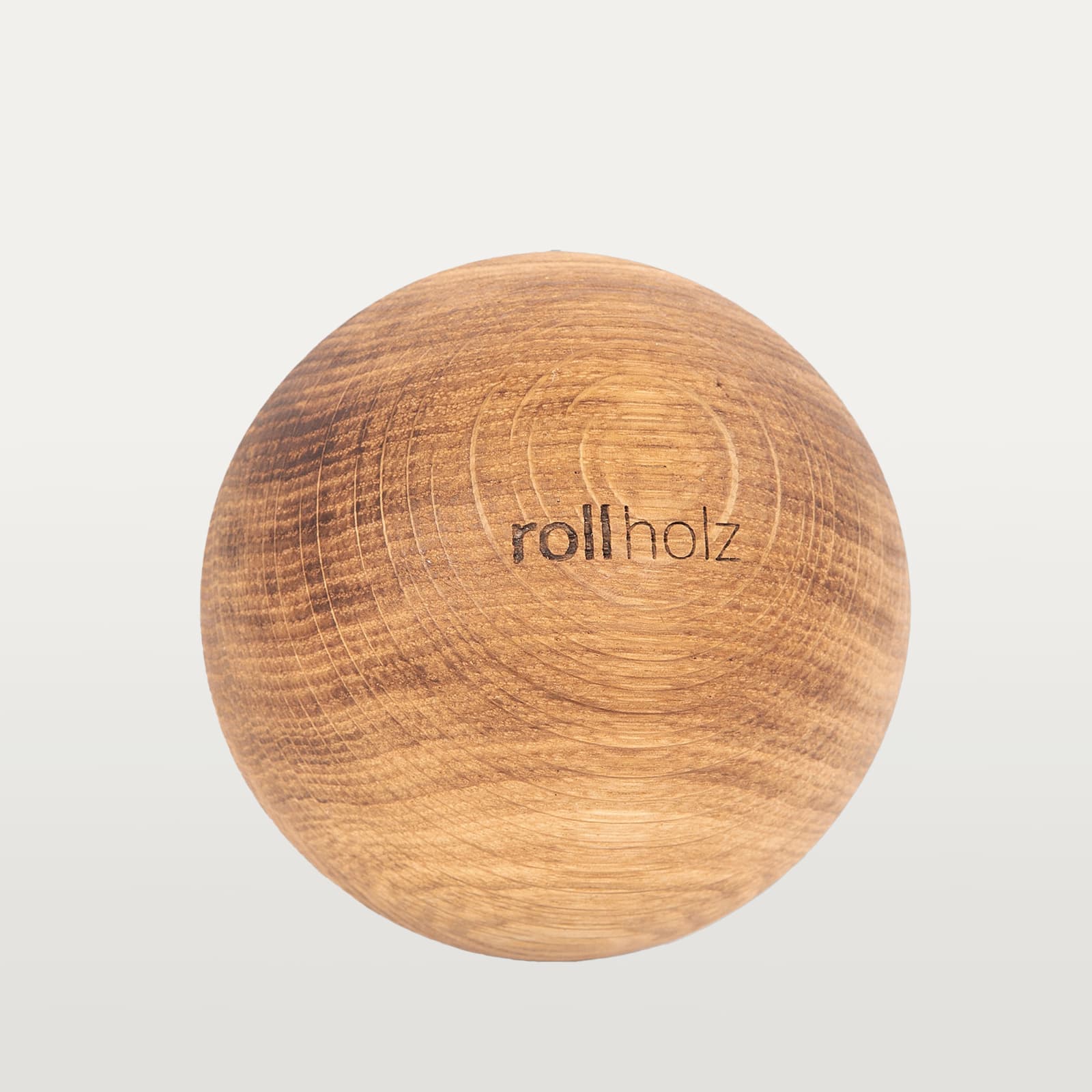
Stand up, support yourself against a wall if needed, and place the sole of your foot on a rollholz fascia ball. Roll slowly back and forth while controlling the pressure by bending your knee. Thanks to its round shape, the ball also reaches the side of the arch better than a flat roller.
3. Trigger stick at the heel attachment
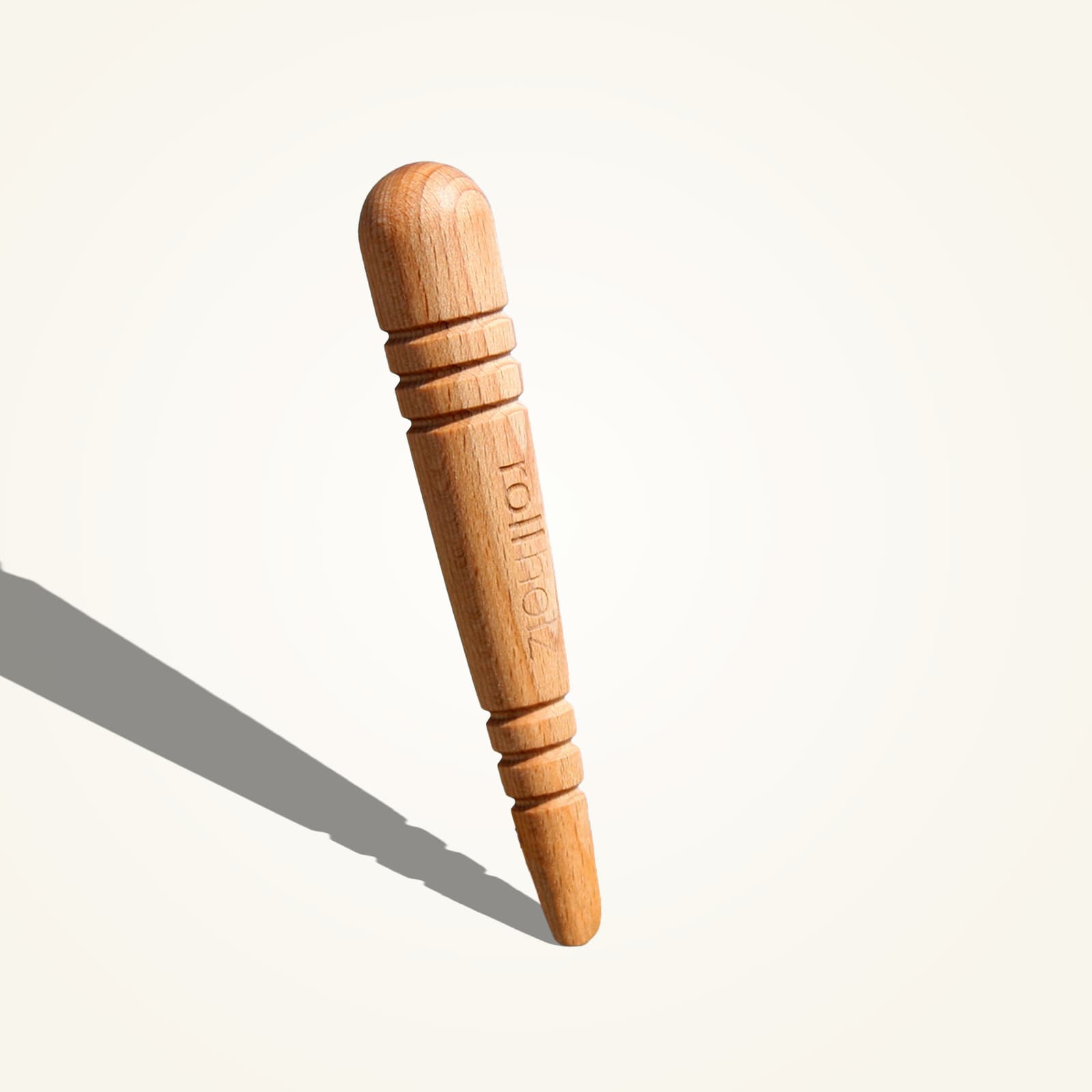
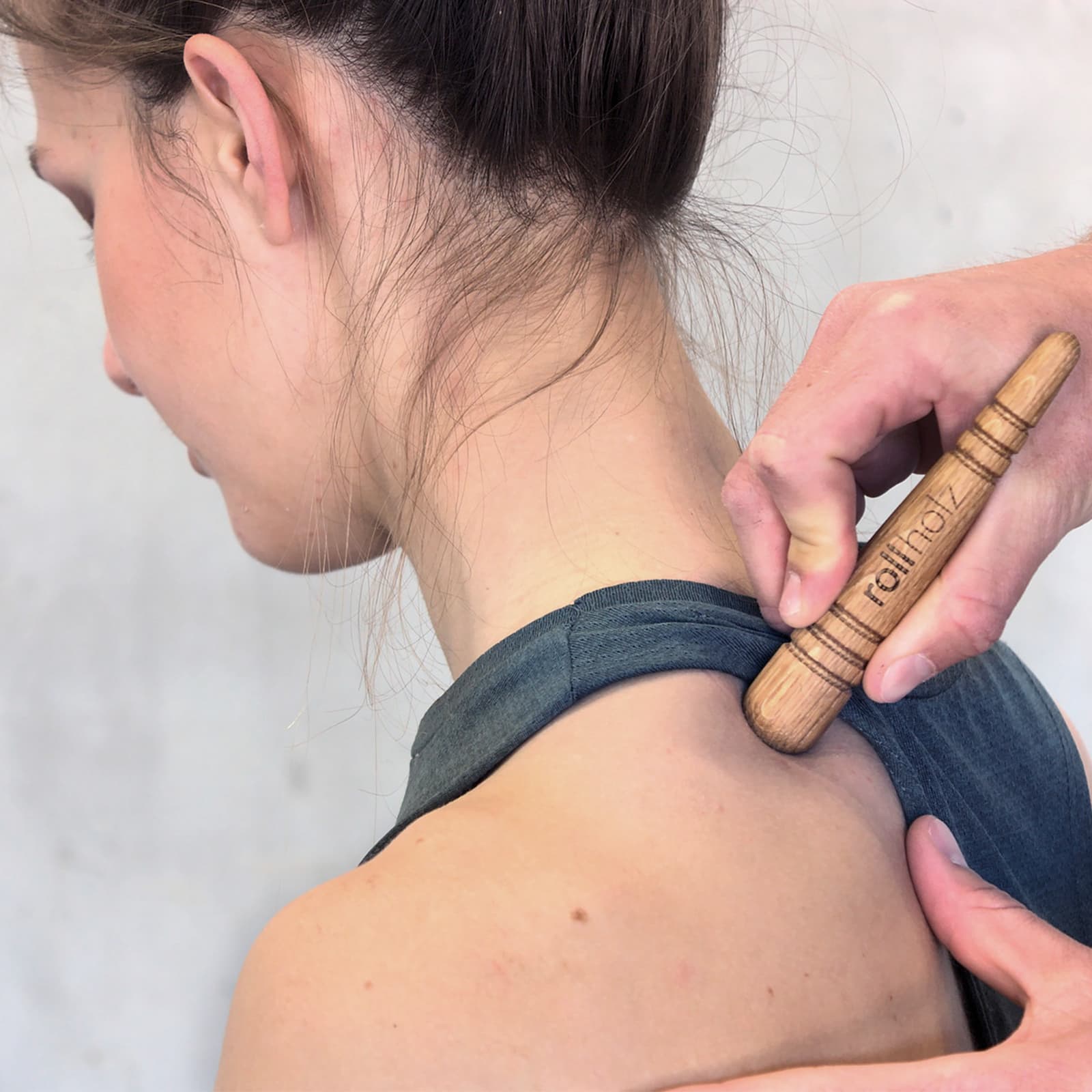
With the rollholz trigger stick you can work specifically at the attachment of the plantar fascia on the heel and along the longitudinal arch of the foot. Apply the stick with gentle, constant pressure to tender spots, without pressing until it hurts – a “good pain” is the aim.
4. Calf stretch against the wall
Stand in front of a wall with the back leg straight, the heel staying on the floor. Lean against the wall with your hands until you feel a stretch in the calf, and hold for 20–30 seconds. Since the calf muscles help determine the tension on the plantar fascia, this stretch is a sensible addition – for example with our calf stretcher & balance wedge for a consistent, clean position.
5. Active toe exercise for strength
Put a small towel on the floor and try to gather it up and spread it out again using only your toes. This exercise strengthens the small foot muscles that support the arch and can help to relieve the plantar fascia in the long term.
Treating the sole – how often and how intensely?
With acute complaints, 5–10 minutes of self-massage several times a week usually helps more than a single very intense session. It is particularly effective first thing in the morning, before your first steps, because the fascia tightens overnight. Always stay within comfortable pressure – a stabbing, sharp pain is a sign to ease off.
When to see a doctor
The exercises above are suitable for occasional pain in the sole caused by muscles and fascia. Please have yourself examined by a doctor if:
- the pain persists for more than 3–4 weeks despite exercises and taking the load off
- you feel numbness, tingling or burning in the sole instead of clear pressure pain
- swelling, redness or heat develops on the foot
- the symptoms start after a fall, a twisted ankle or an acute injury
- you have diabetes – here every persistent foot complaint should be checked by a doctor
Conclusion
Pain in the sole of the foot can often be brought under control with regular, targeted self-massage and stretching – mini roller, fascia ball and trigger stick cover different pressure intensities, depending on what feels right for you. If the symptoms persist despite consistent practice, a medical or physiotherapeutic assessment is the next sensible step.




Leave a comment
This site is protected by hCaptcha and the hCaptcha Privacy Policy and Terms of Service apply.