

After an intense run, a leg day in the gym or simply a long day of sitting, the thigh often feels heavy and tight. Usually either the front (quadriceps) or the back (the hamstrings) is affected – sometimes both at once. A fascia roller is one of the most effective tools for stretching and loosening quads and hamstrings in a targeted way. We show you 5 exercises to counteract it.
A short safety note before you start rolling
A “normally” tight, tired thigh feels diffusely heavy or like muscle soreness. It is different if one leg suddenly swells on one side, feels warm and looks red, or hurts badly under load without any preceding sport or training – these can be signs of a thrombosis. In that case, please do not roll or massage, but have it assessed by a doctor promptly.
Why the thigh tightens up so quickly
Quadriceps and hamstrings are among the largest muscle groups in the body and are involved in almost every everyday and sporting movement – walking, climbing stairs, running, cycling, squatting. After unfamiliar or intense loads they often respond with increased resting tension and small adhesions in the surrounding fascial tissue. Long periods of sitting additionally shorten the hamstrings, while the quadriceps is more stretched in this position but often tight nonetheless.
5 exercises for thigh tension
1. Fascia roller for the quadriceps
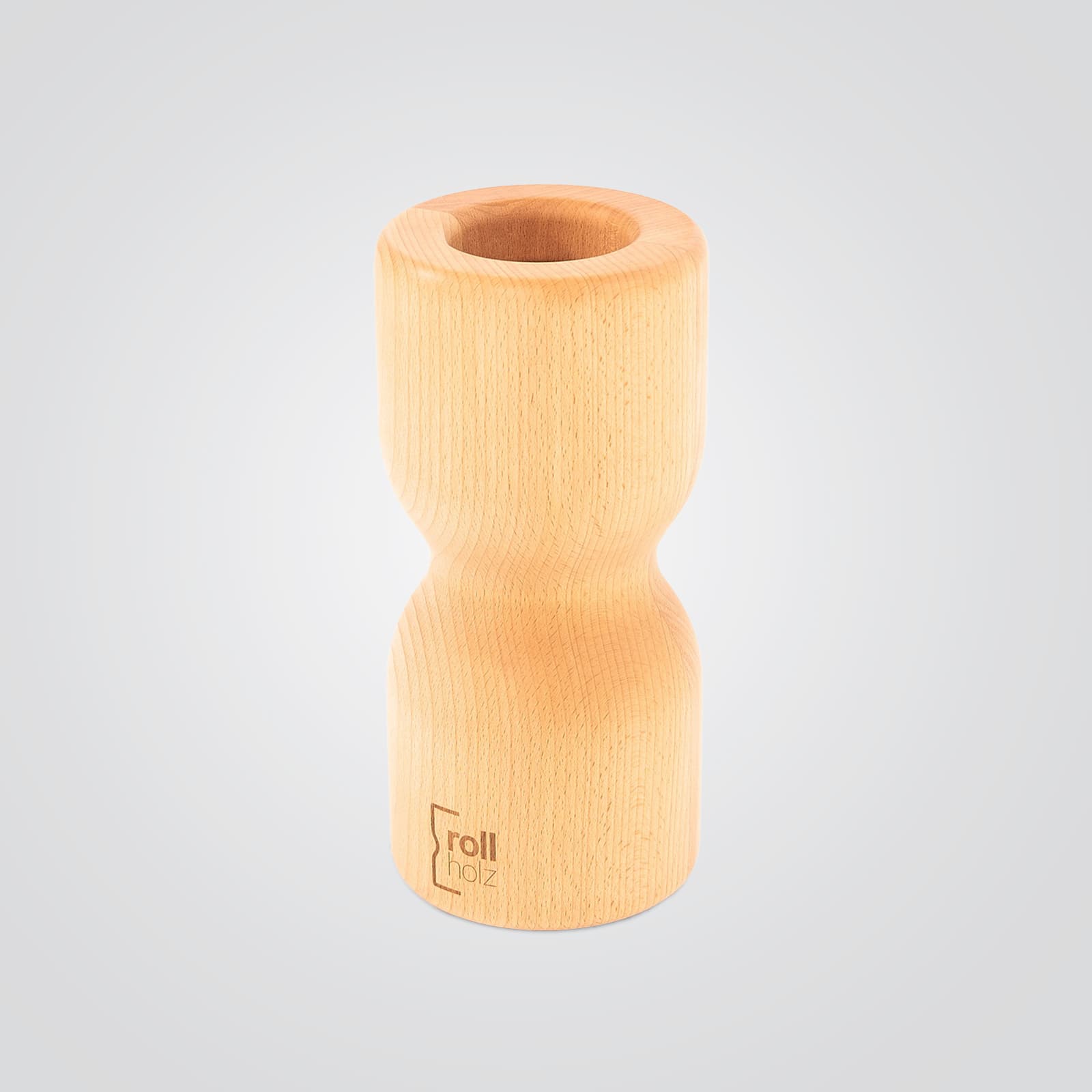
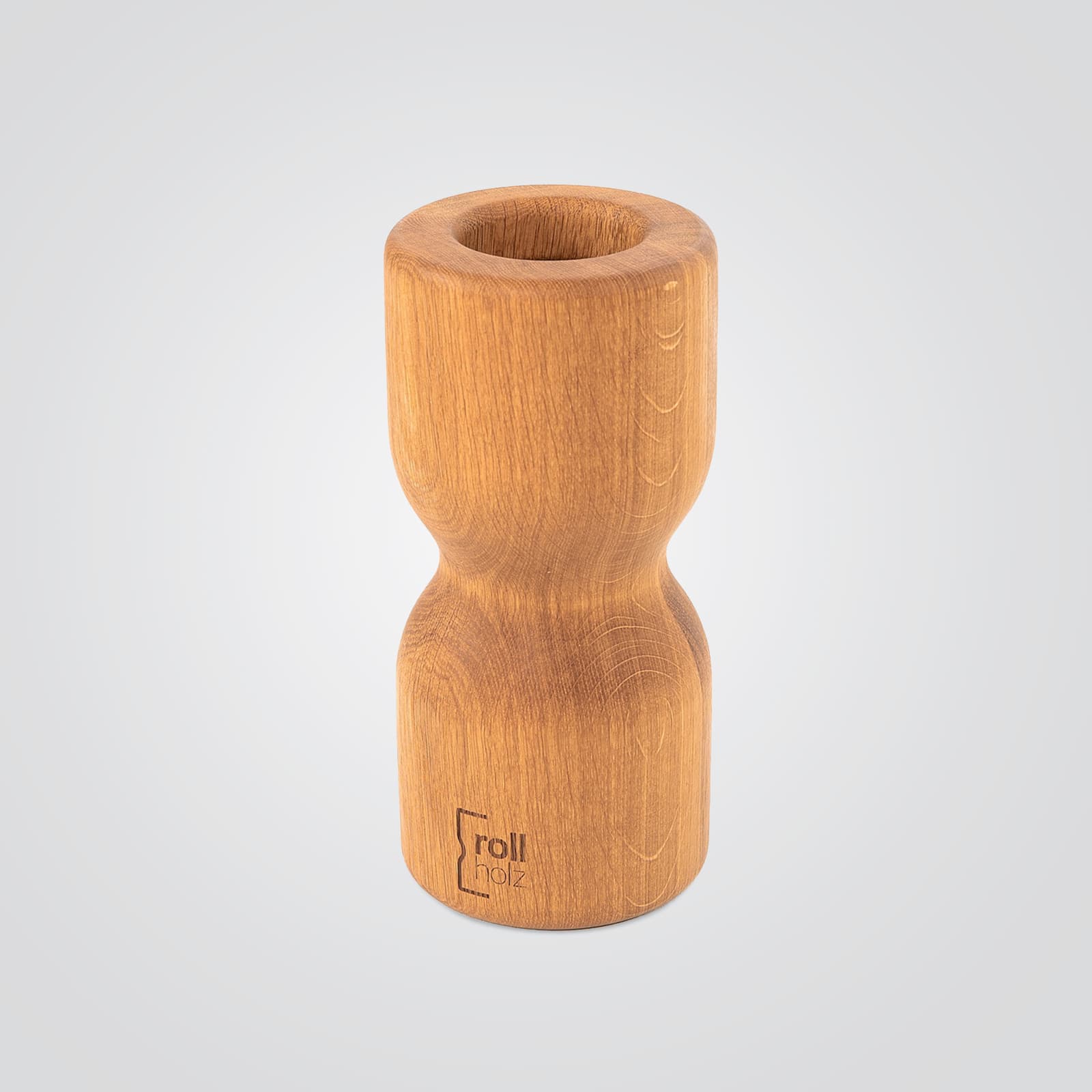
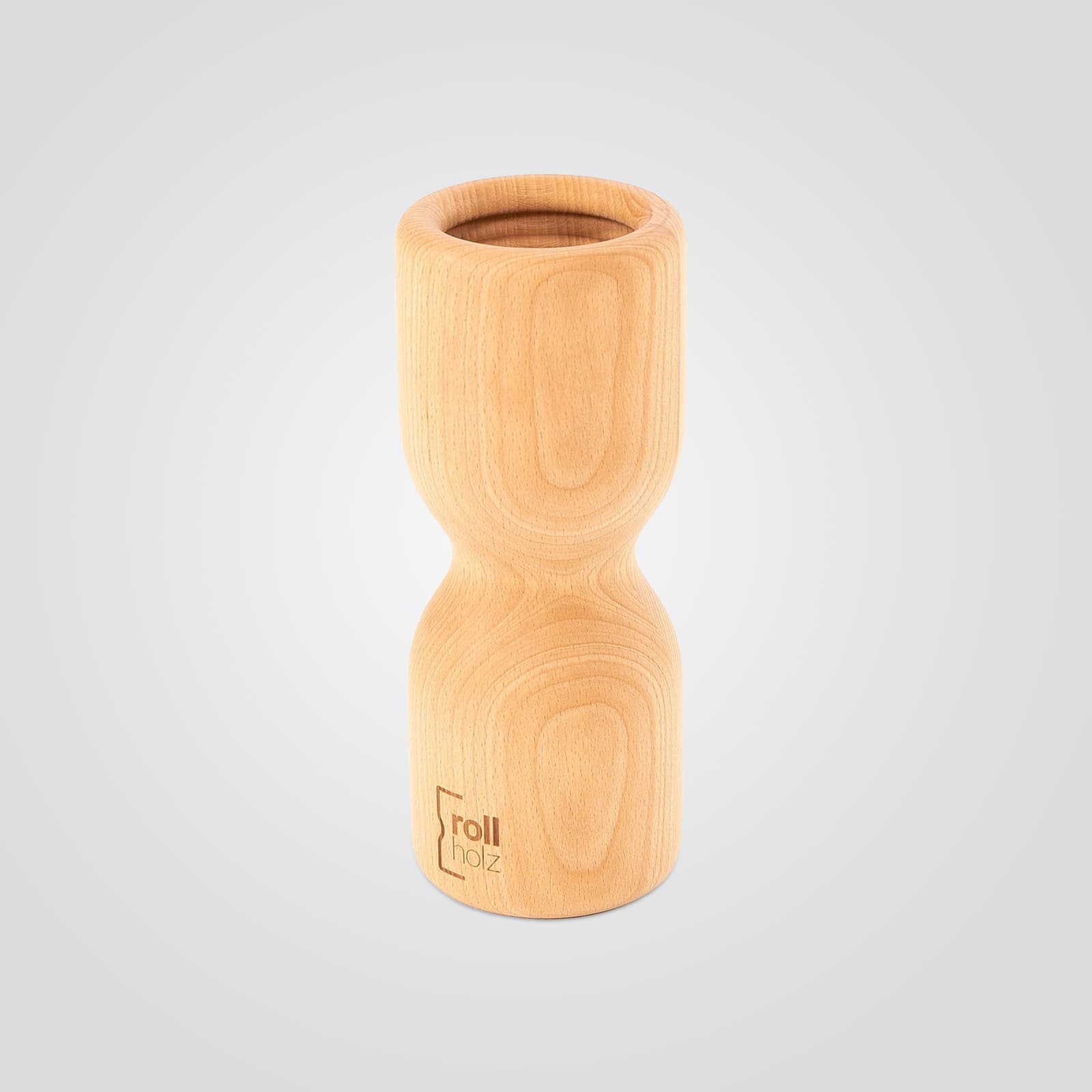
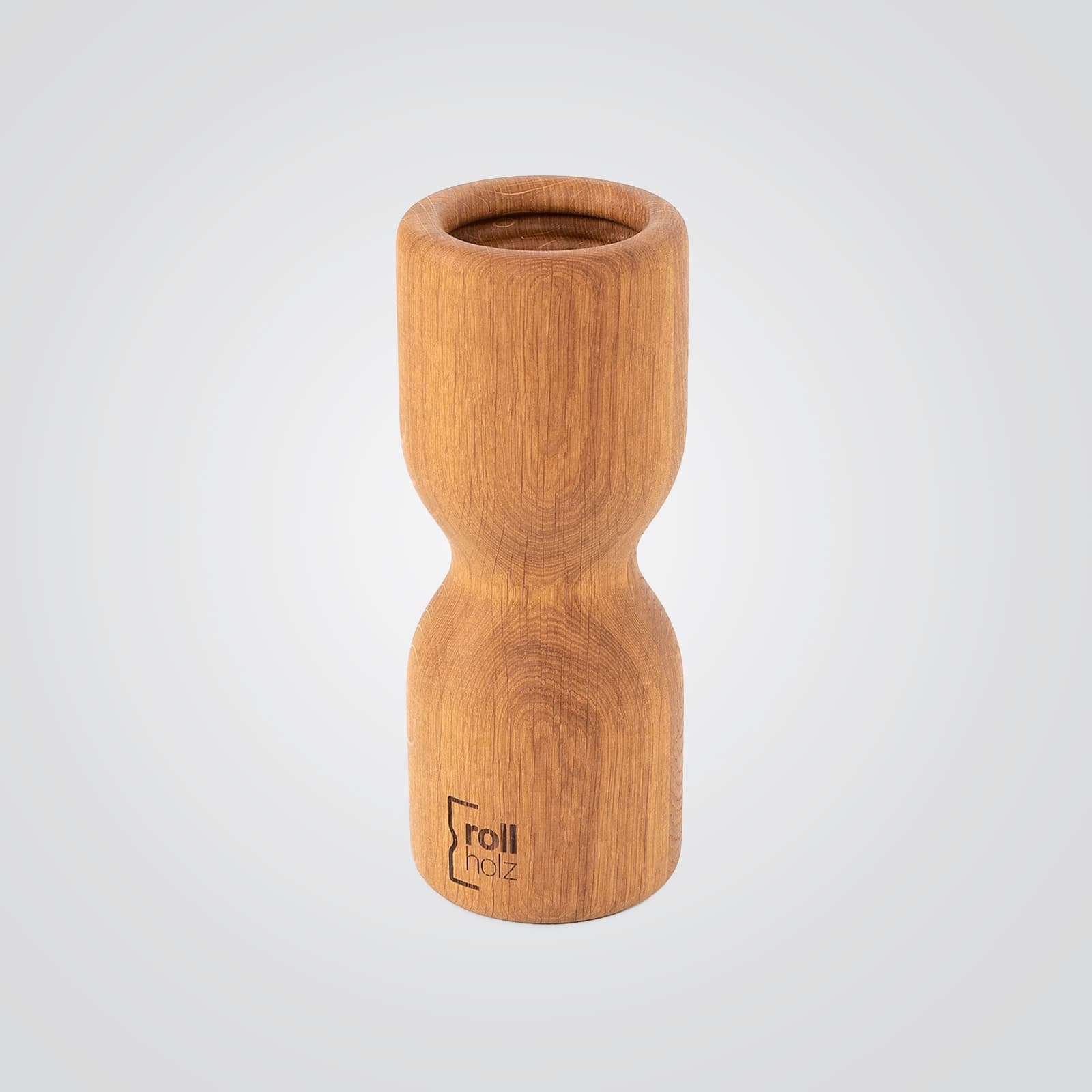
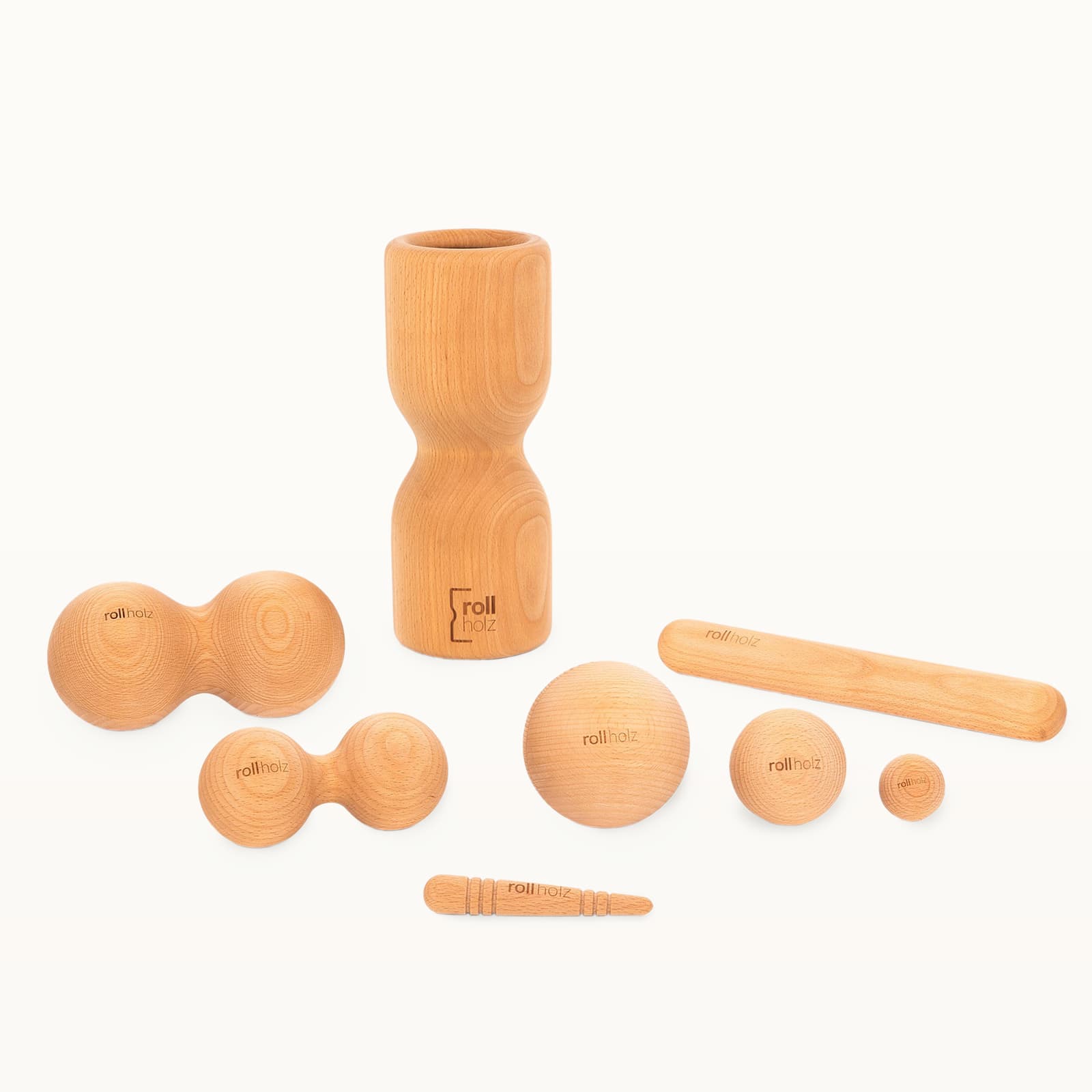
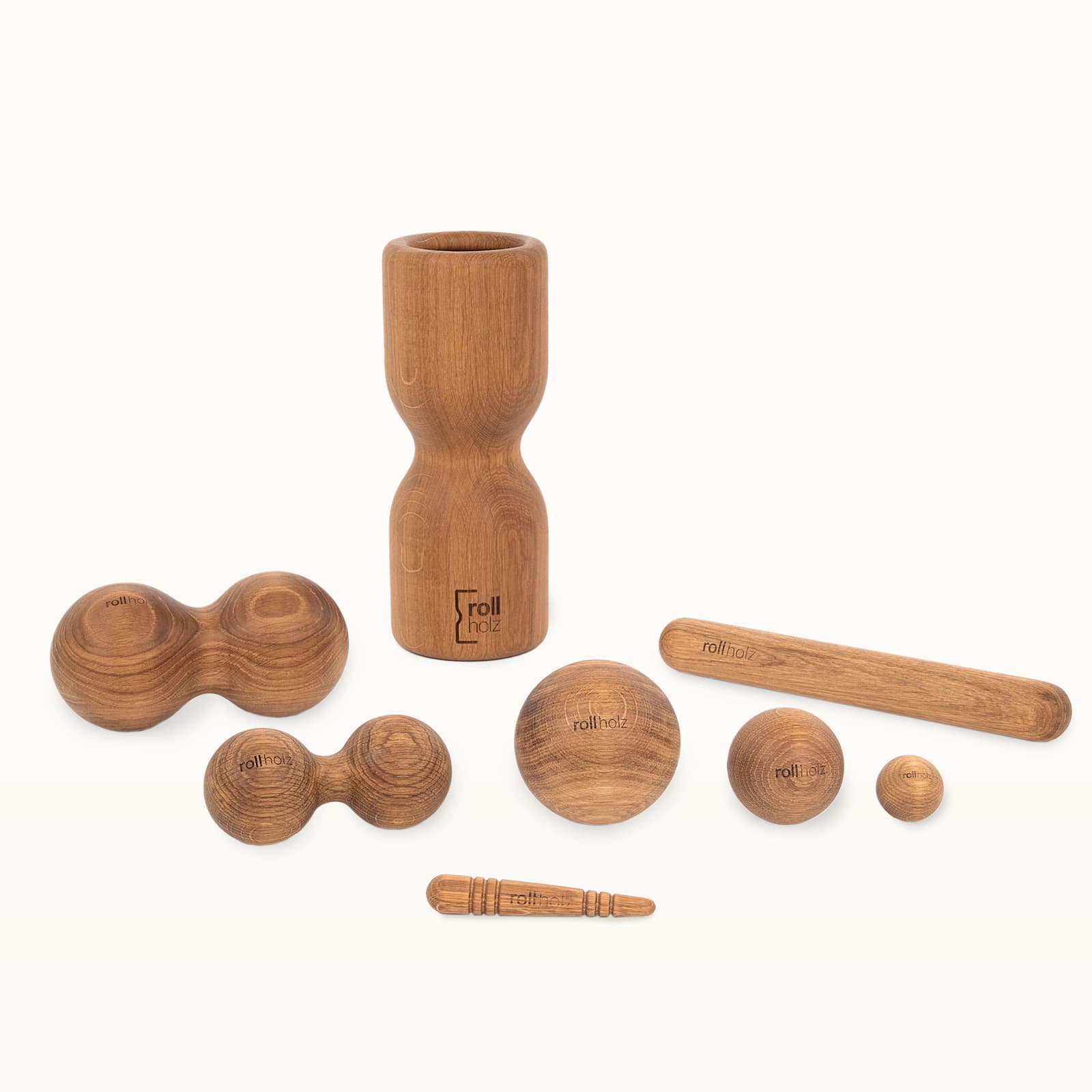
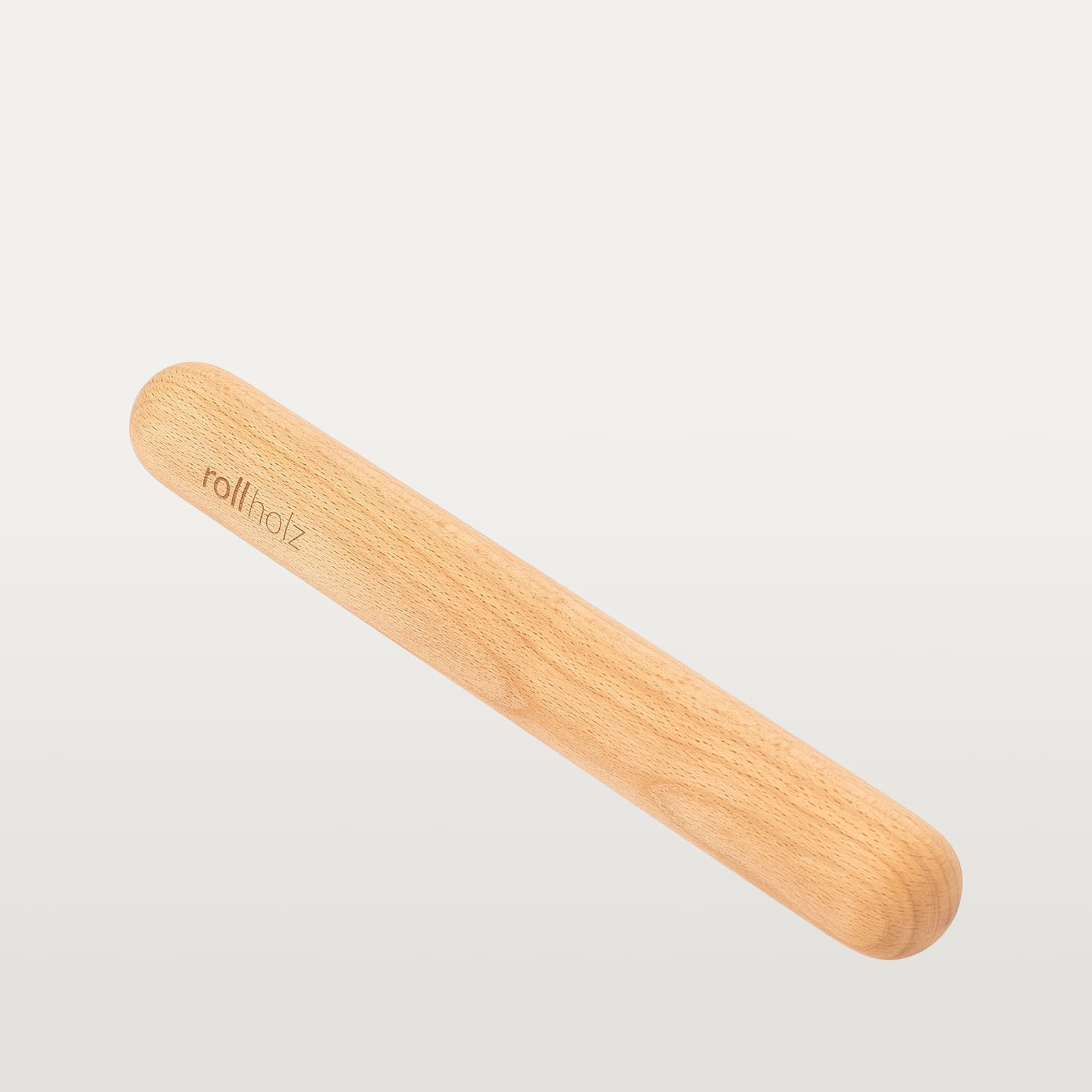
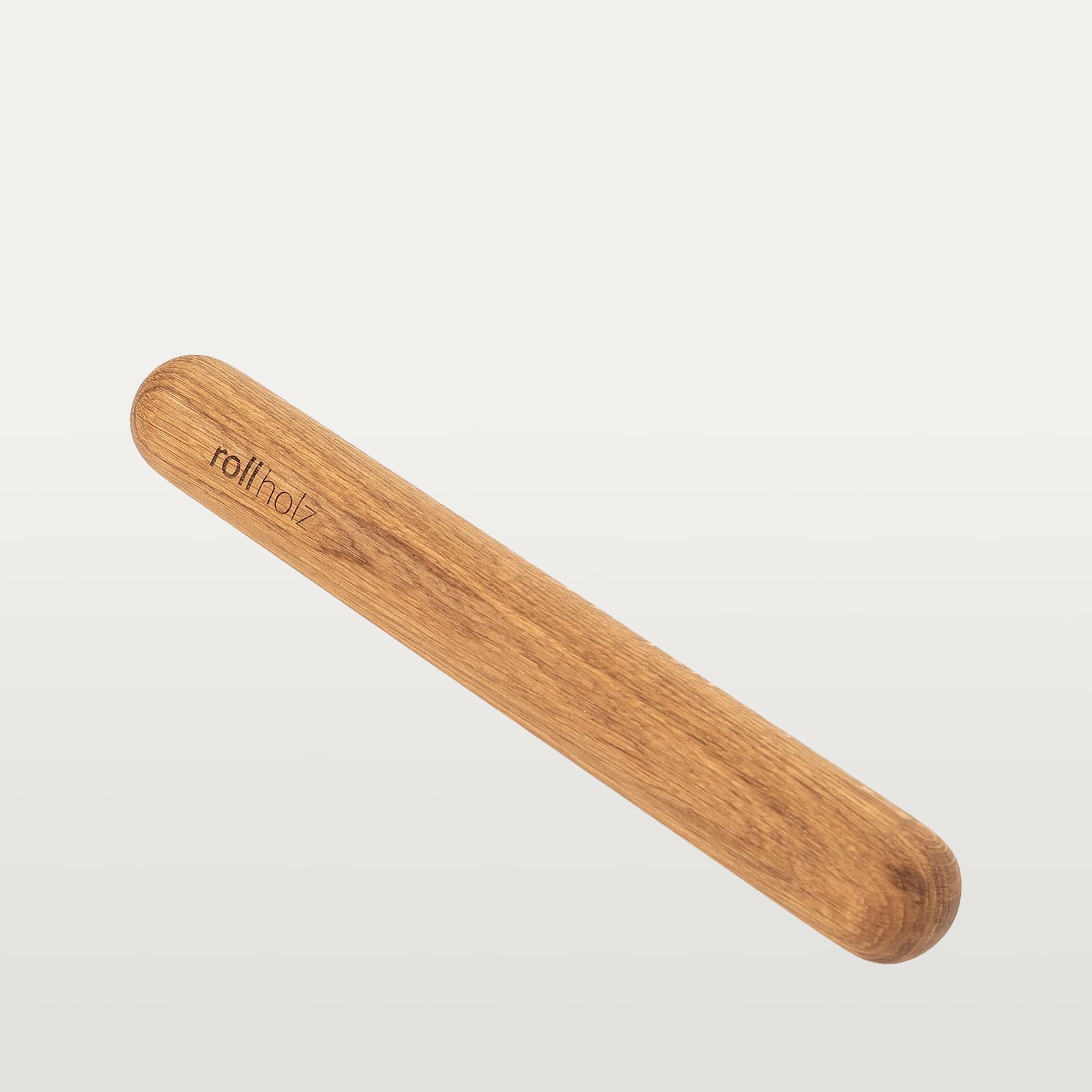
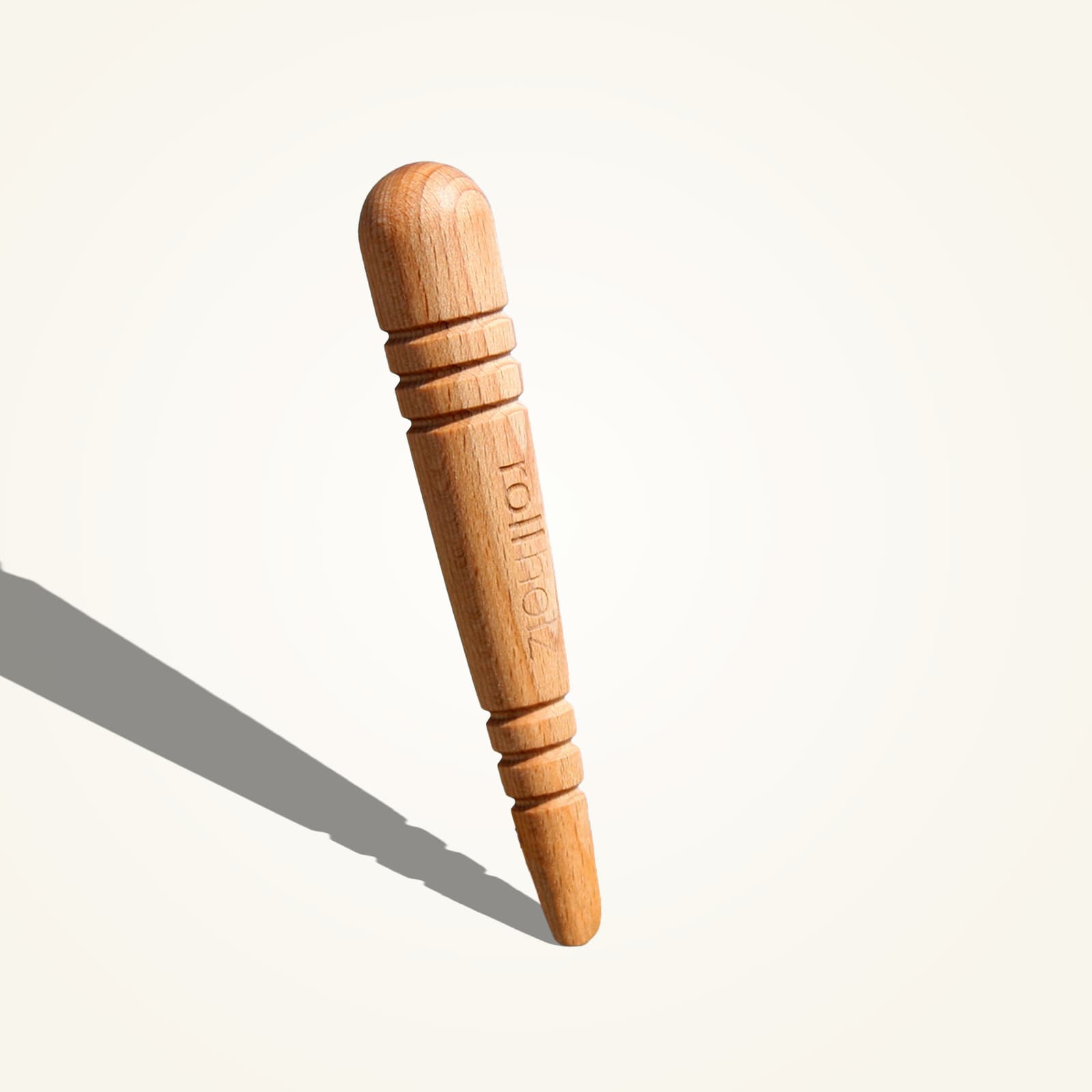
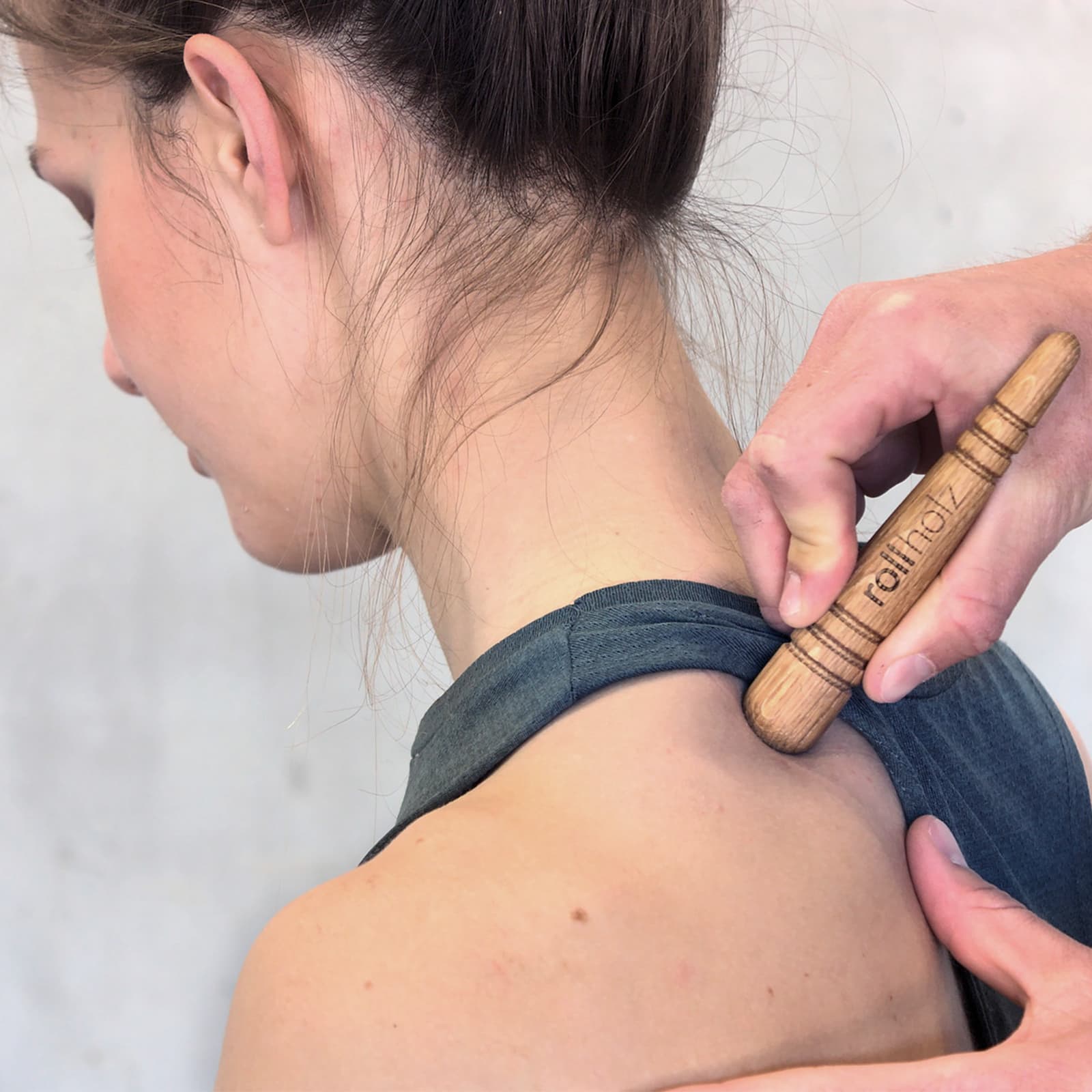
Lie face down, prop yourself on your forearms and place your rollholz original or rollholz Pro fascia roller under your thigh, just above the knee. Roll slowly towards the hip, four to five passes. Pause briefly on particularly tender spots and move slightly back and forth there.

2. Fascia roller for the hamstrings
Sit down, support yourself with your hands behind you and place the roller under the back of your thigh. Lift your hips slightly and roll slowly from the back of the knee towards the glutes. If you want more pressure, rest the other leg on top as well.
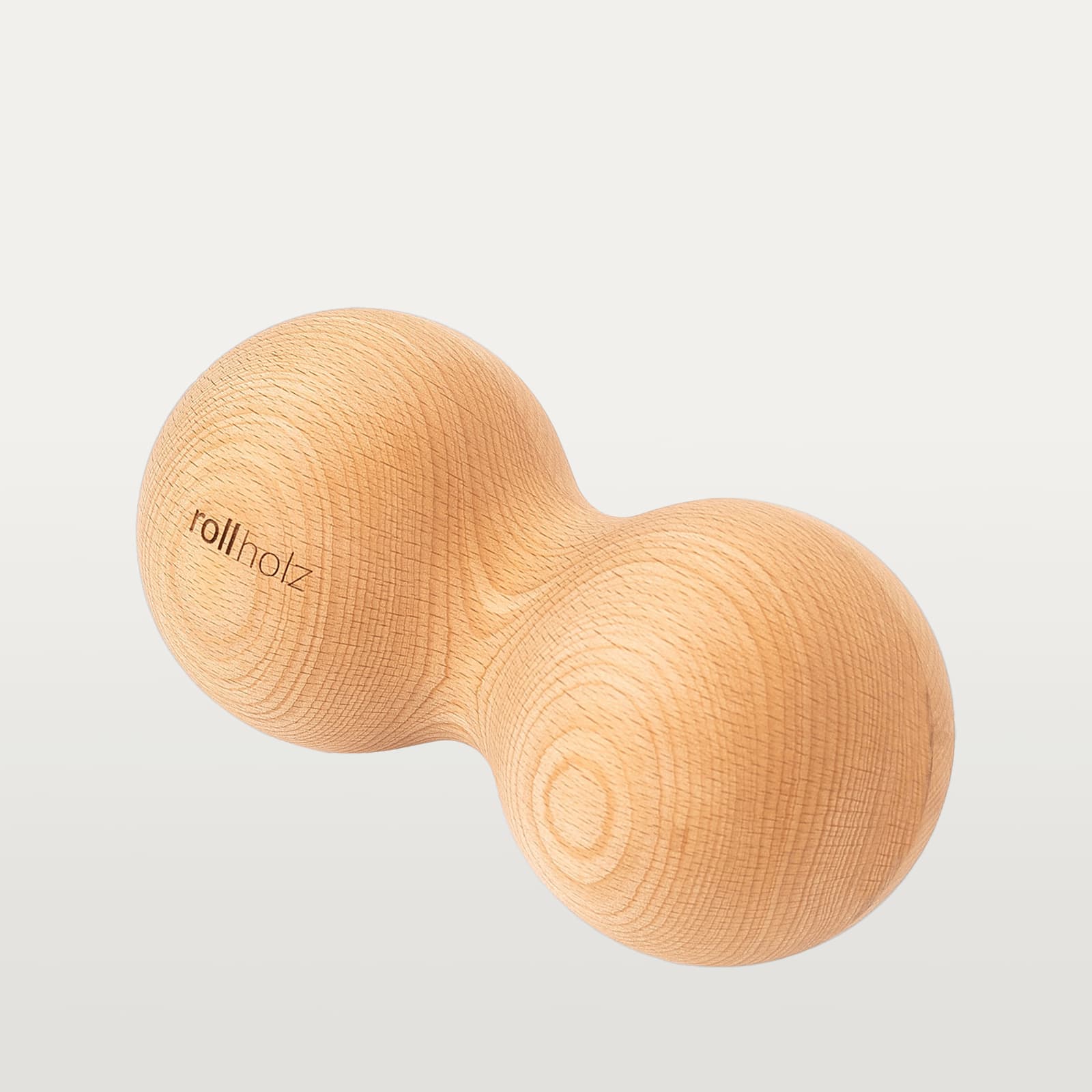
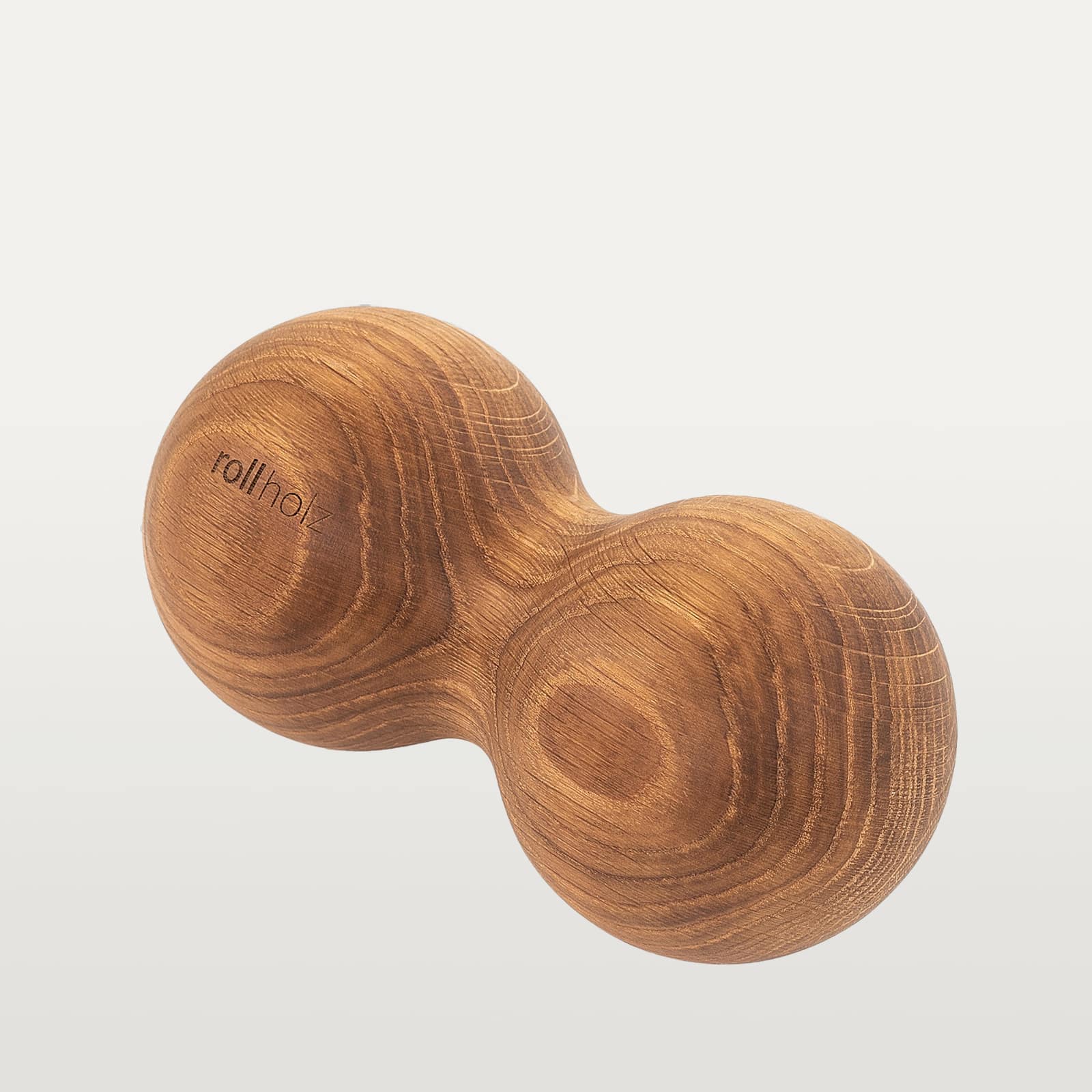
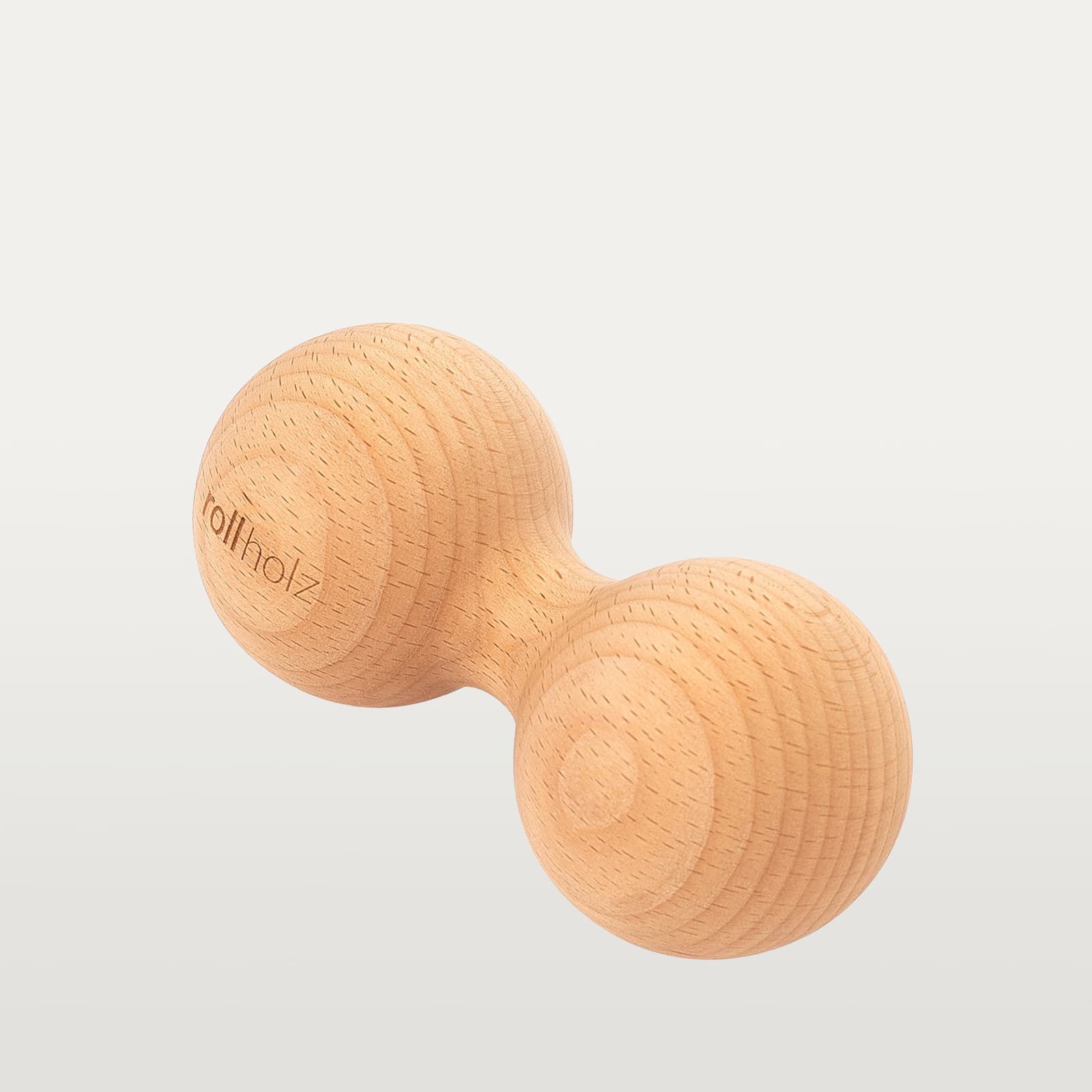
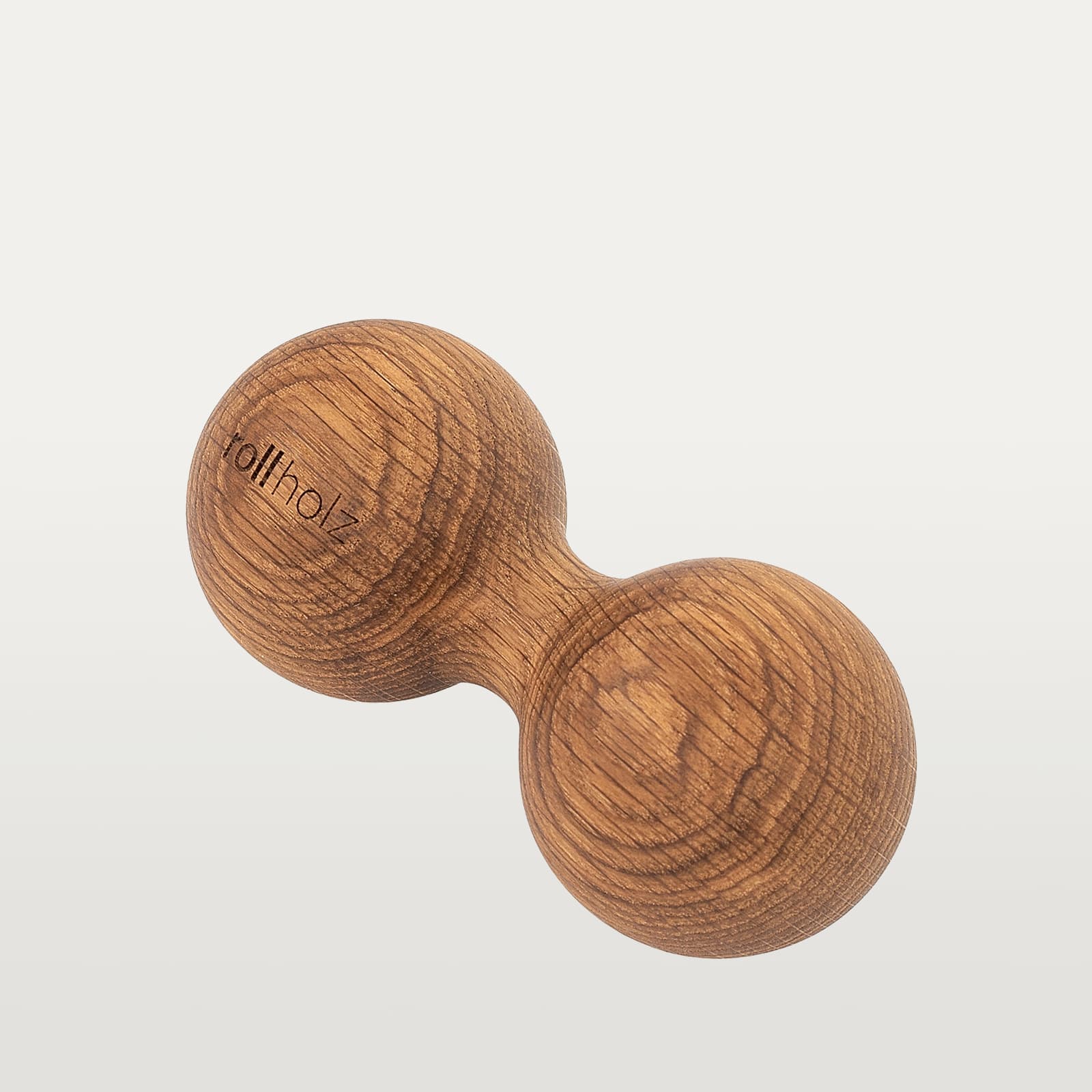
3. Double Ball XL for the outer thigh
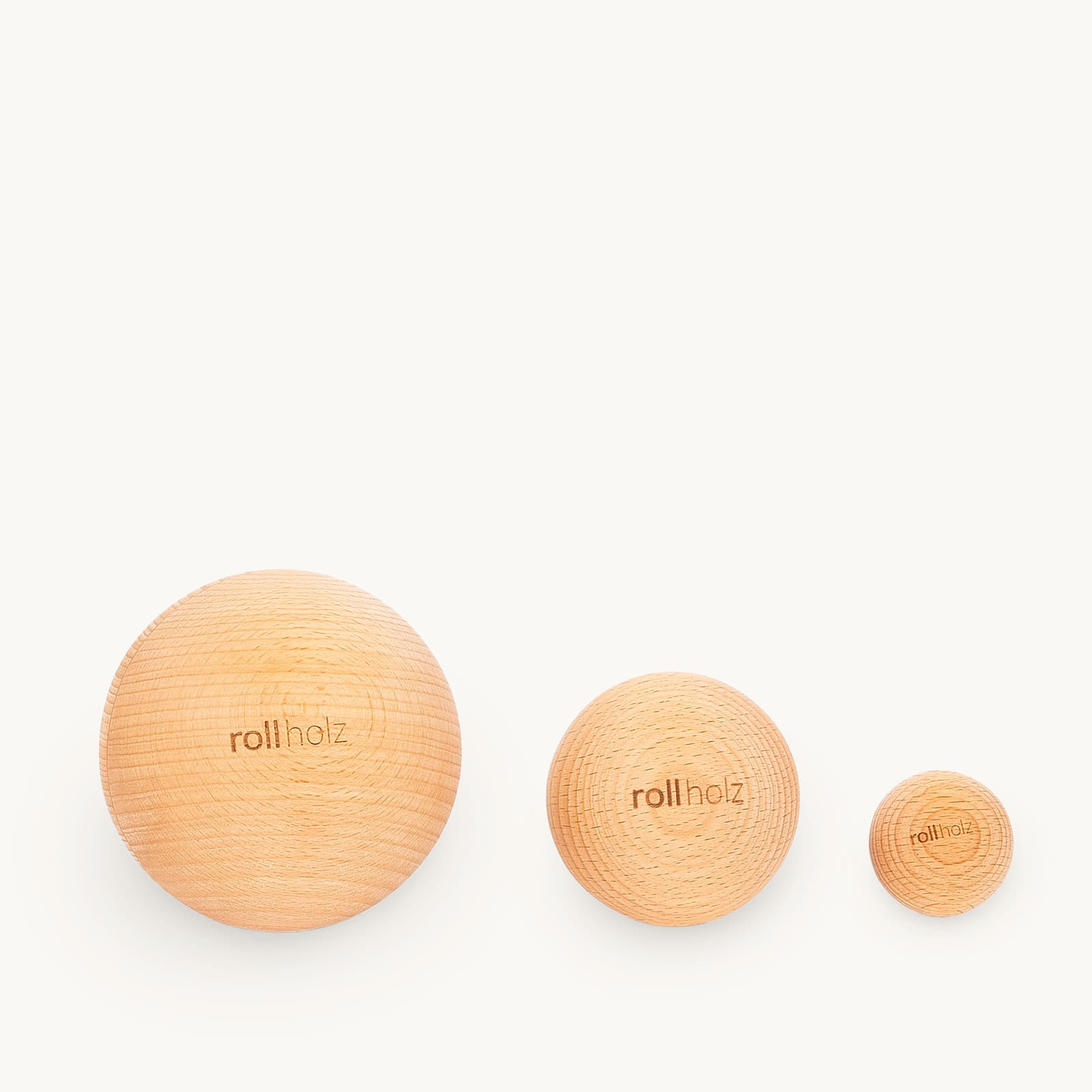
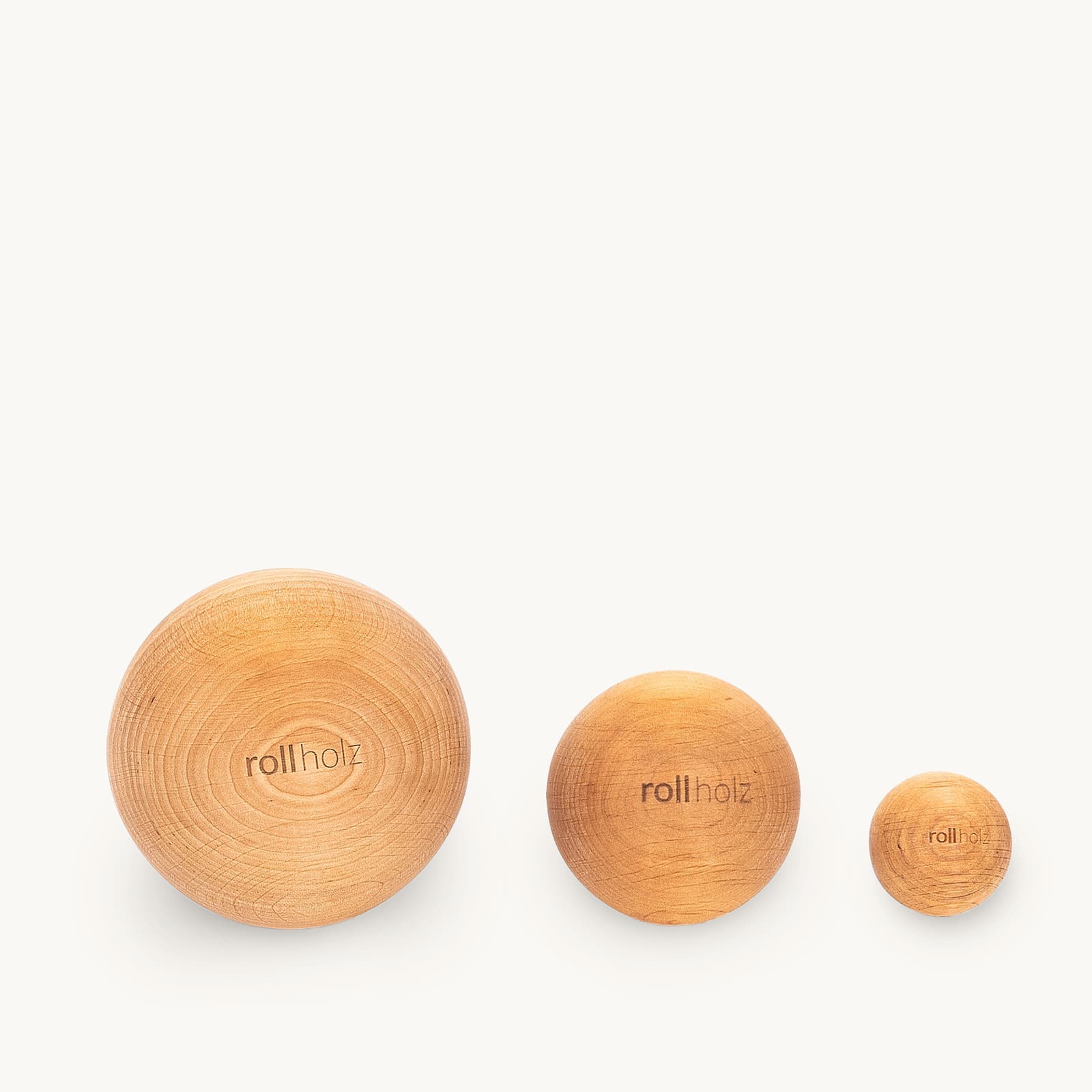
Lie on your side and place the Double Ball XL on the outside of your thigh, roughly at the level of the IT band. Roll slowly from the hip towards the knee. For many people this zone is more sensitive – working especially slowly and carefully pays off here.
4. Standing quadriceps stretch
Stand upright, hold on to a wall if needed, grasp the top of one foot and pull the heel slowly towards your glutes, with the knee pointing down. Hold for 20–30 seconds, then change sides.
5. Seated hamstring stretch
Sit with one leg extended and one bent, and slowly fold your upper body forward over the extended leg, keeping your back straight. You should feel a stretch along the back of the thigh, not in the lower back. Hold for 20–30 seconds, then swap.
How often should you roll out the thigh?
After intense loads, gentle daily rolling for a few minutes can support recovery. With chronic tension, for example from a lot of sitting, 3–4 sessions per week are usually enough. Regularity matters more here than the intensity of individual sessions.
When to see a doctor
The exercises above are meant for occasional muscular tension. Please have yourself examined by a doctor if:
- one leg swells on one side, feels warm or turns red without any recognisable sporting cause
- a sudden, stabbing pain occurs during a movement (possible muscle or tendon injury)
- the symptoms do not improve after two weeks despite exercises and rest
- numbness or tingling in the leg develops as well
- the symptoms appear after a fall or an accident
Conclusion
Tight thighs – whether at the front or the back – can usually be loosened well with a fascia roller, the Double Ball XL and a few targeted stretches. Listen to your body: mild pressure pain while rolling is normal, a sharp stabbing pain or one-sided swelling is not. When in doubt, have it checked by a doctor before you carry on training.


Leave a comment
This site is protected by hCaptcha and the hCaptcha Privacy Policy and Terms of Service apply.