
Filters
5 products
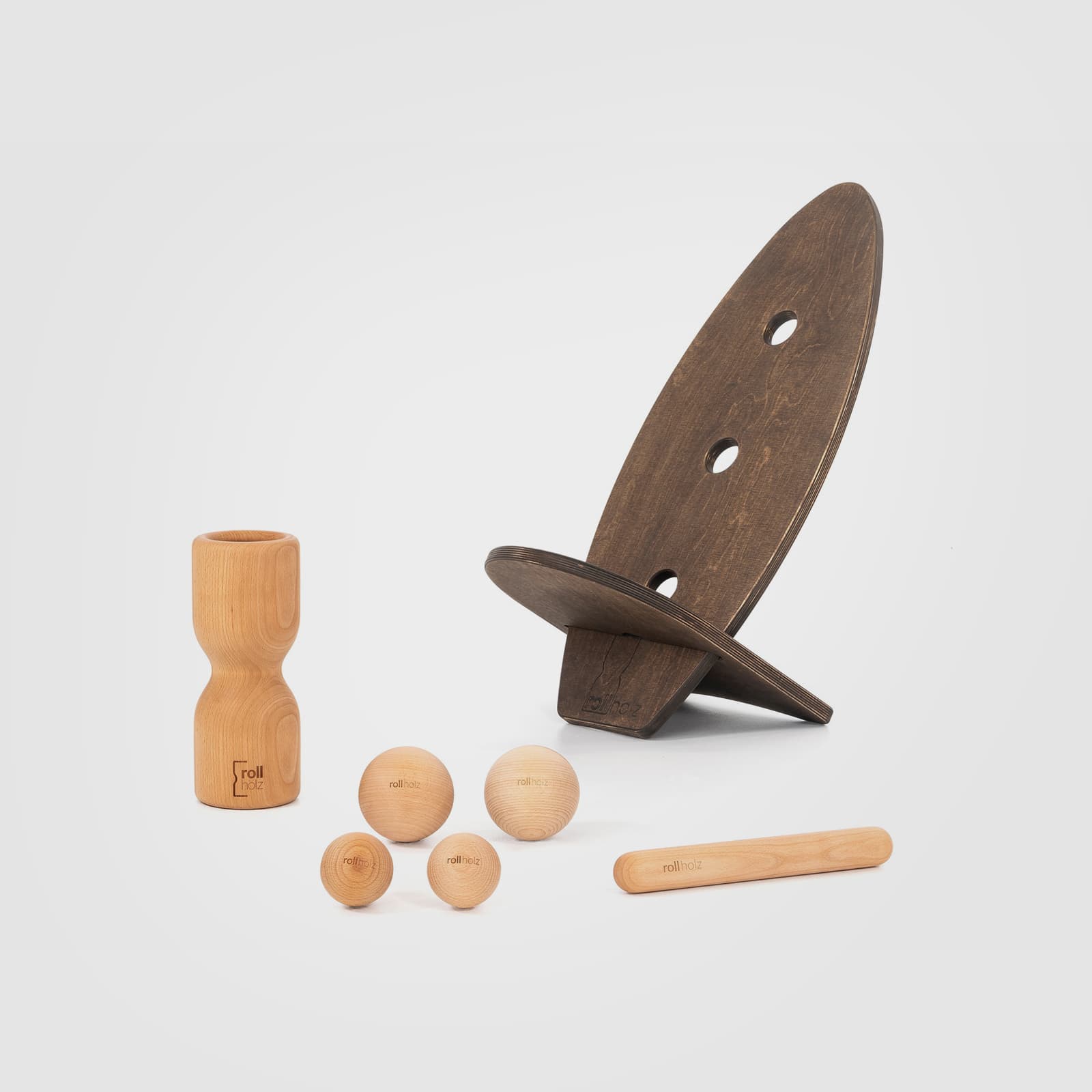
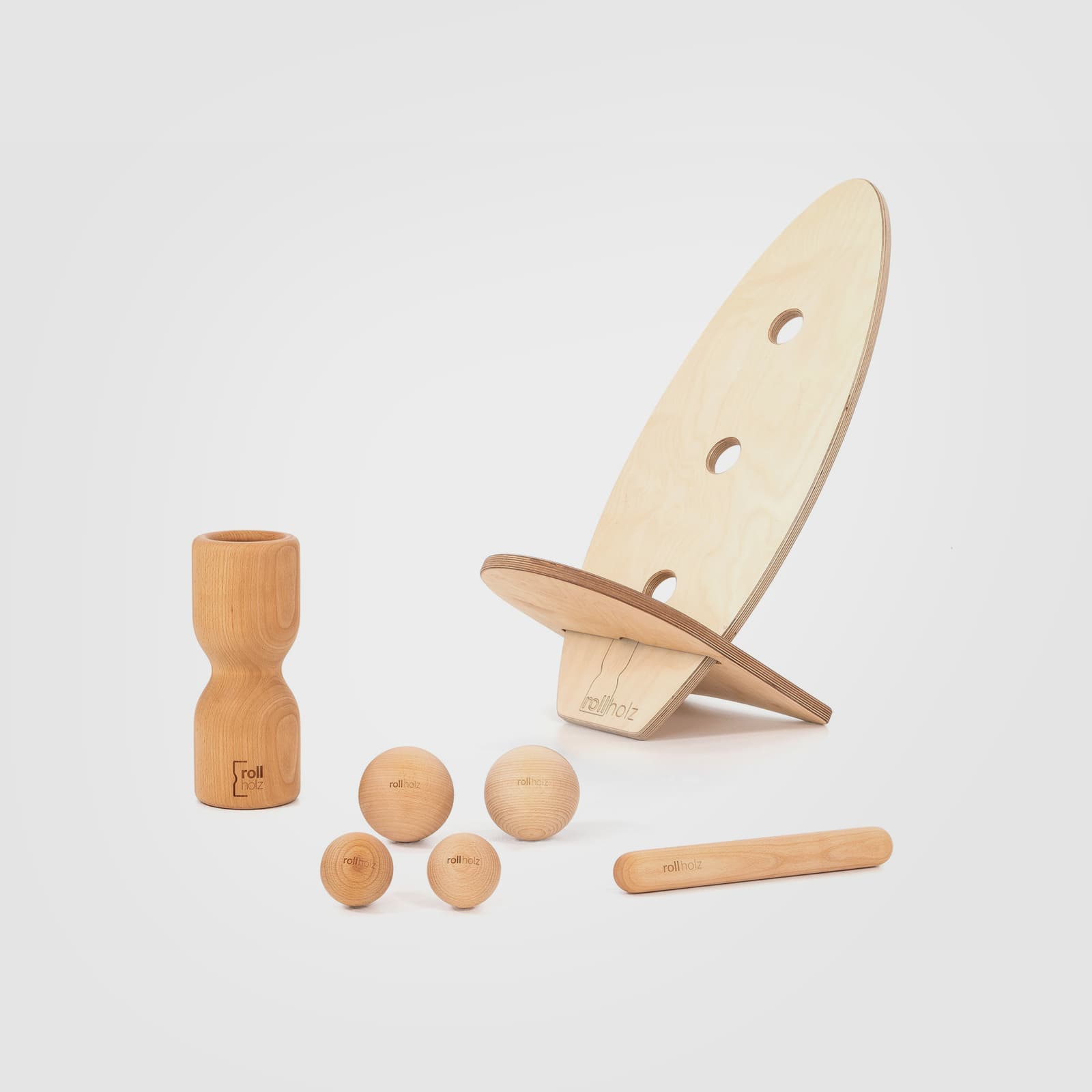
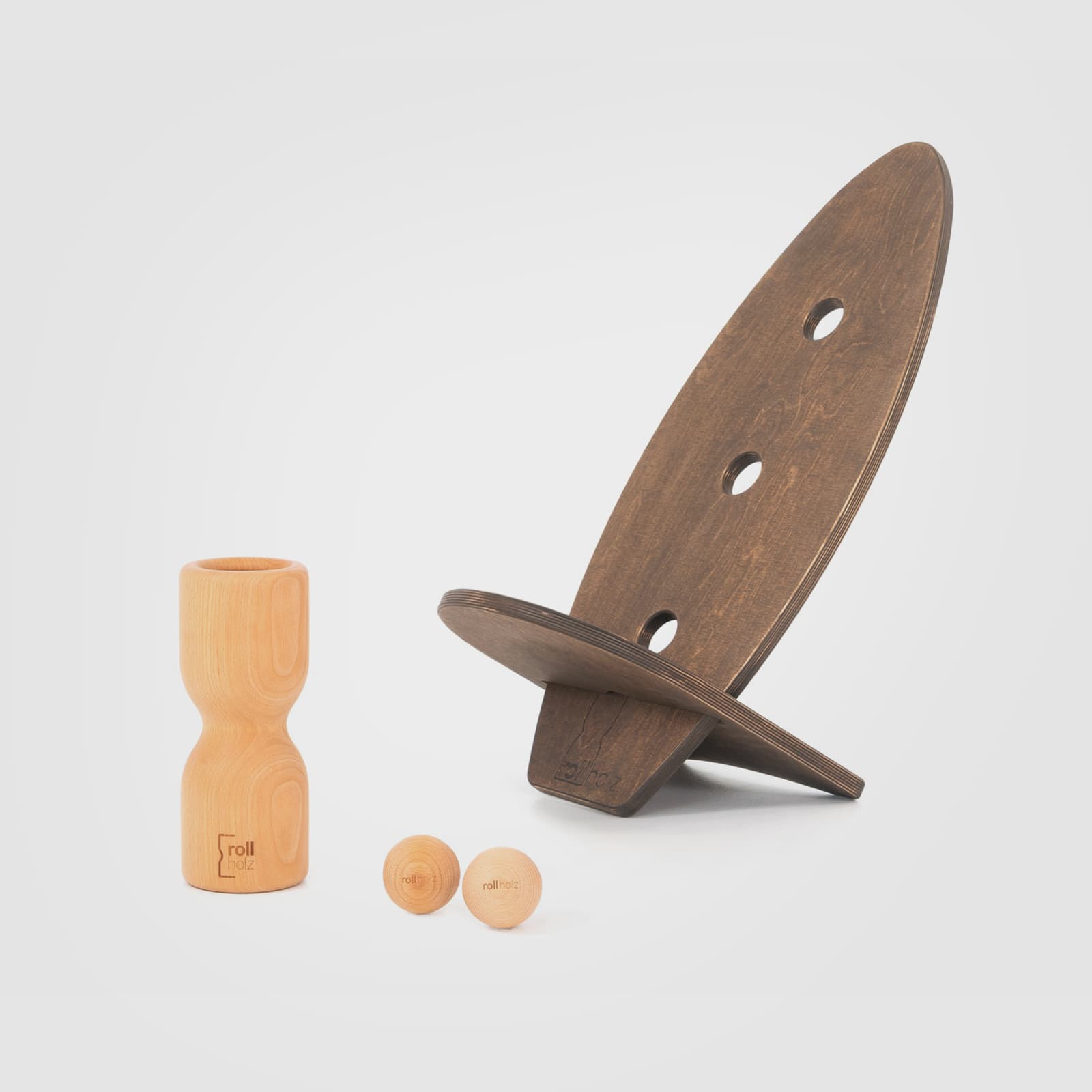
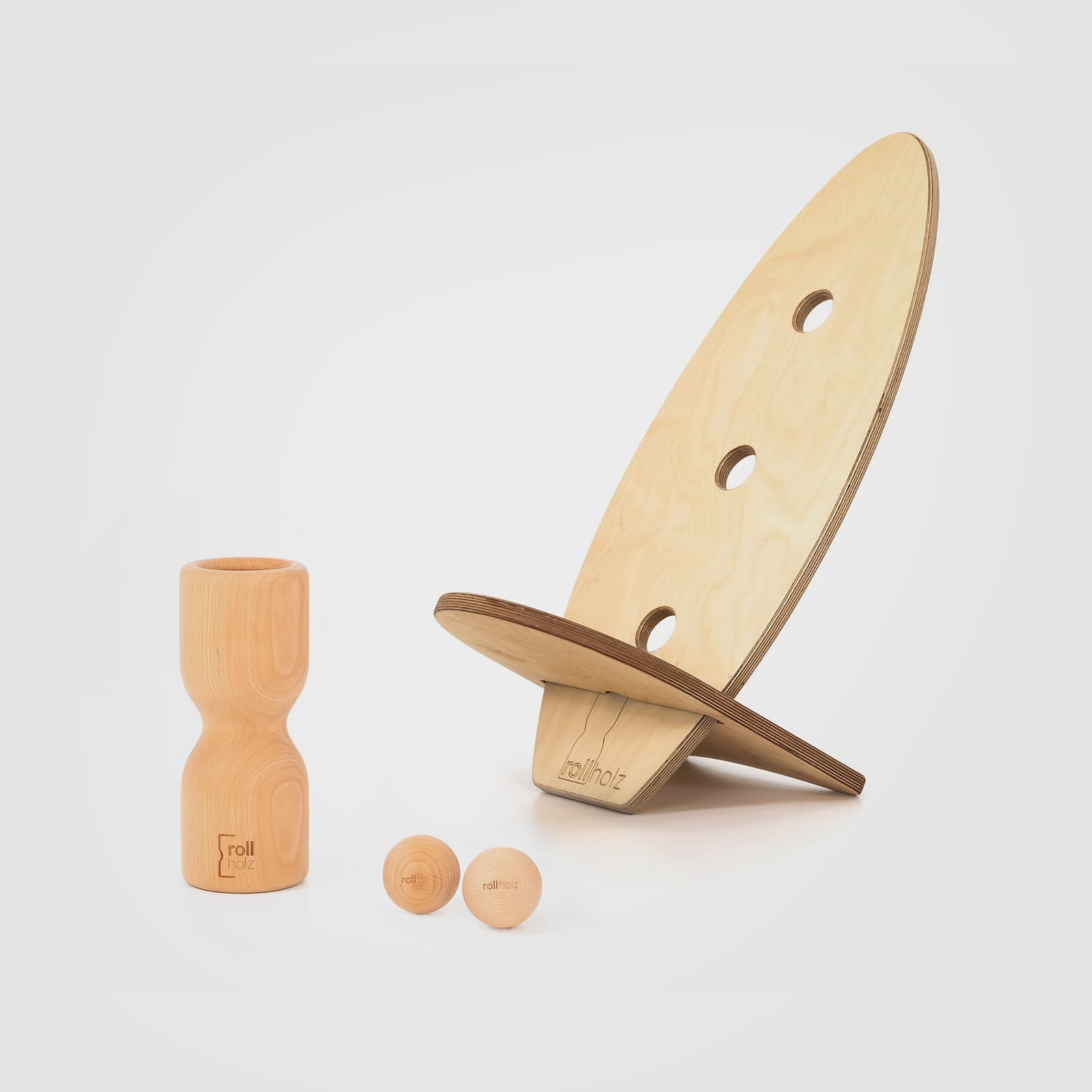

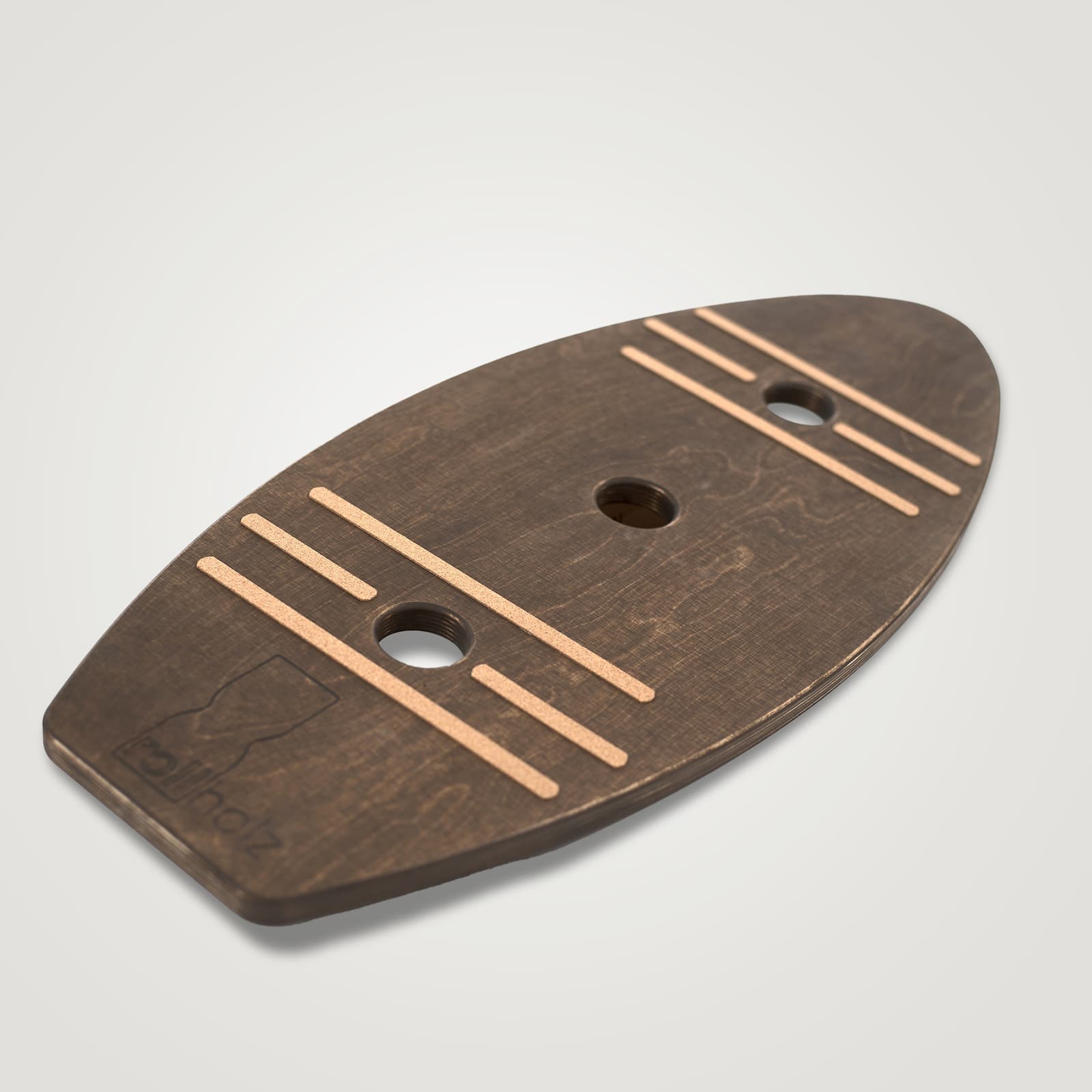
Functional balance training, rethought from the ground up
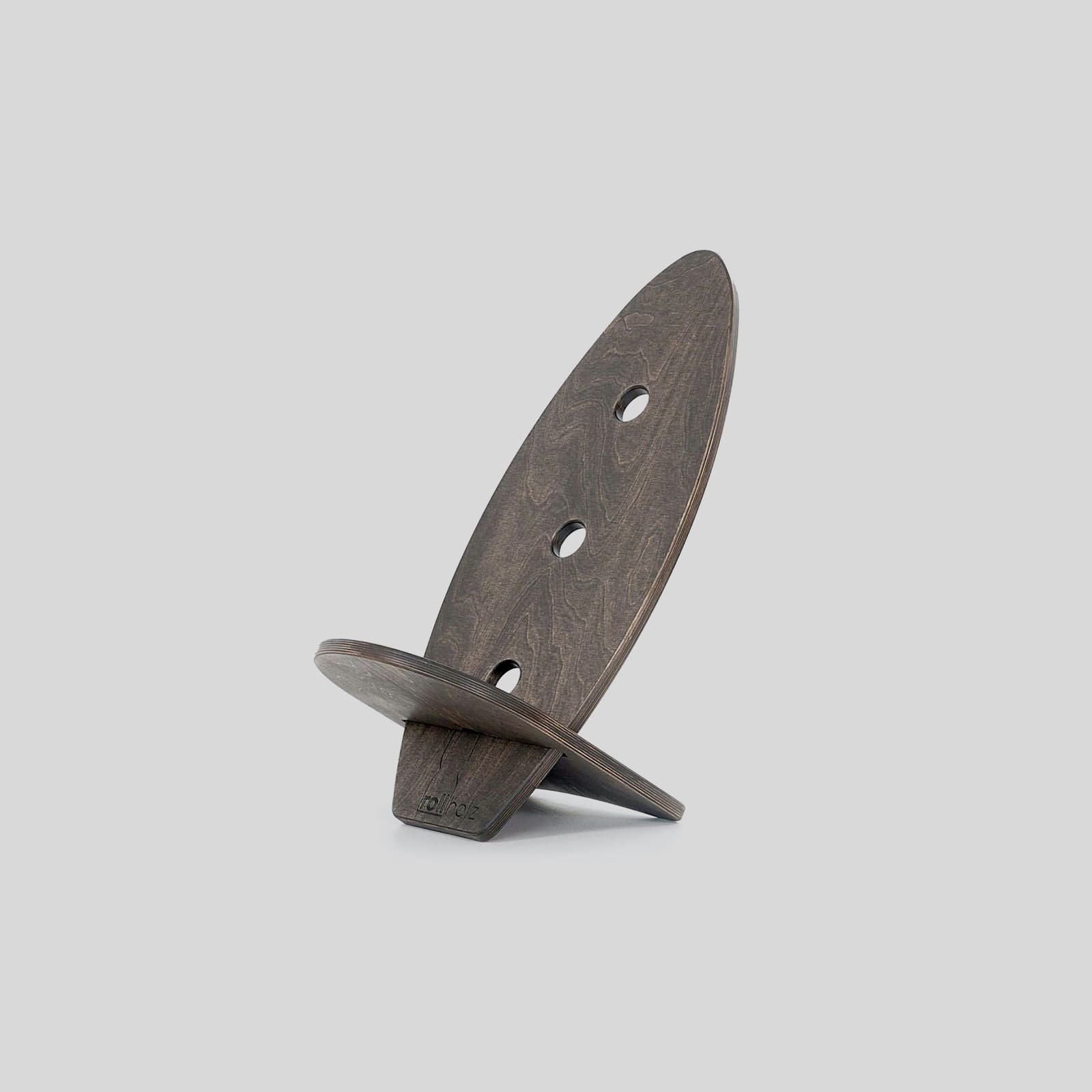
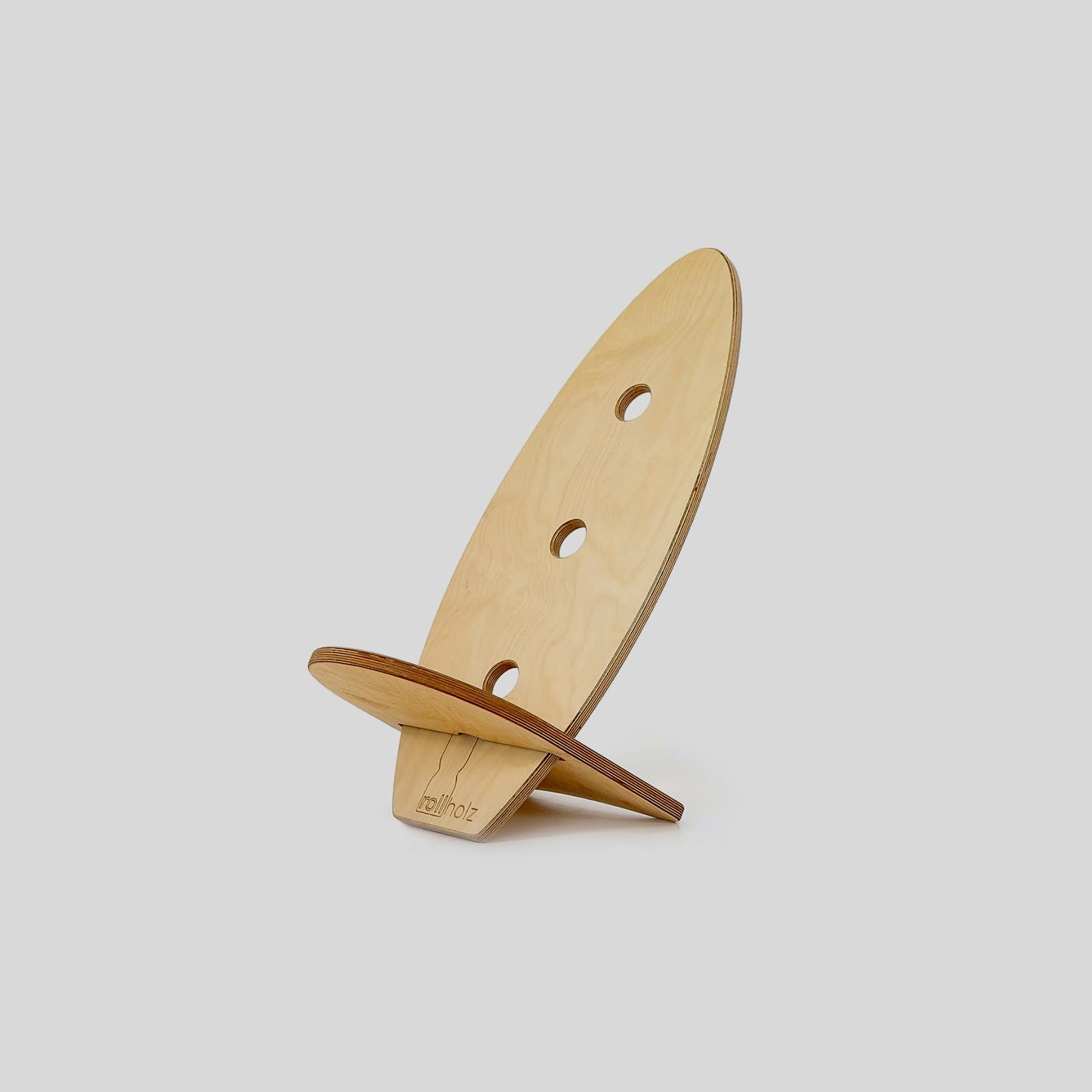
Balance boards and balance wedges work both for focused training and for everyday use. Whether it's balance, coordination or core stability – with rollholz products you train, almost playfully, what usually gets neglected in daily life. The balance board also supports you in your home office, sitting or standing, and when the two halves are slotted together it even works as a seat. If you'd rather start with more accessories, you'll find the right combination in the small set or the large set.
One board, many levels of difficulty
Depending on what you put underneath, the feel on the board changes considerably – and not every variation is automatically the easy way in. The balance board exercises below show you how to build up step by step.
The mini roller under the board is the most accessible option: the board rolls back and forth under control, stays close to the ground and the risk of falling is low. A good starting point, including for older or less confident users.
With the rollholz Pro the movement becomes more dynamic and more intense – a flowing, almost surf-like ride that asks for body tension and quick reactions.
Two balls under the board create movement on a single axis – ideal for training ankle stability in a targeted way, without the board tipping in every direction.
A single ball in the middle is the most demanding option: the ball sits firmly in the recess, but the board above it can move freely in every direction. Not dangerous, but noticeably harder to control than the other combinations.
- Mini roller: accessible entry point, close to the ground, low risk of falling.
- rollholz Pro: dynamic, free balancing, turns and tricks.
- Two balls: single axis, focused ankle training.
- One ball: demanding, movement in every direction.
Why a wooden roller behaves differently
A wooden roller feels more direct and more responsive than a softer roller made of cork or foam. The smoother surface creates less resistance when you turn the board or make small changes of direction.
That doesn't just make the training livelier, it also makes it better suited to advanced movements, turns and tricks. And it stays functional: feet, legs, trunk and body control are working constantly, even when the movement looks light and playful.
Balance wedges: using instability deliberately
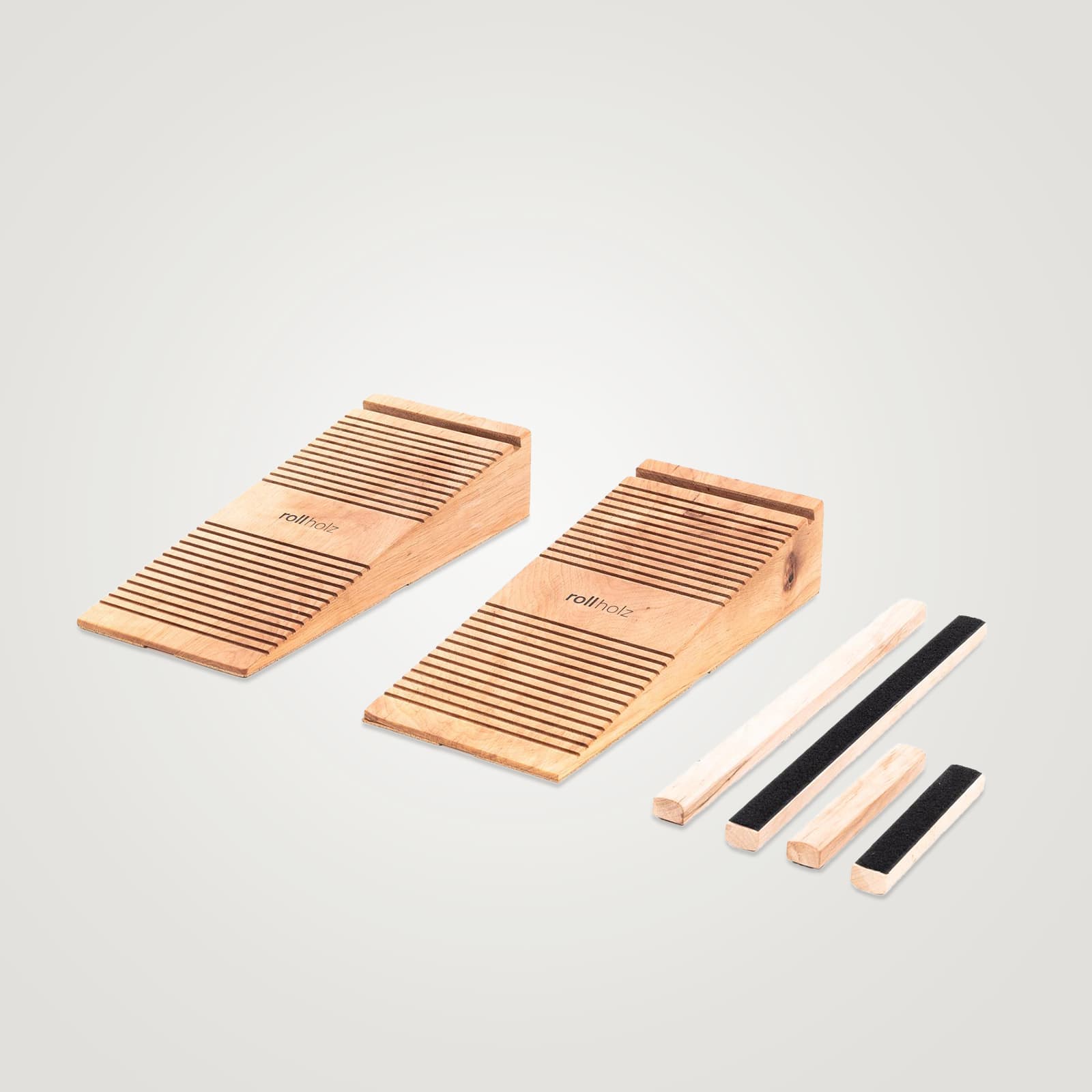
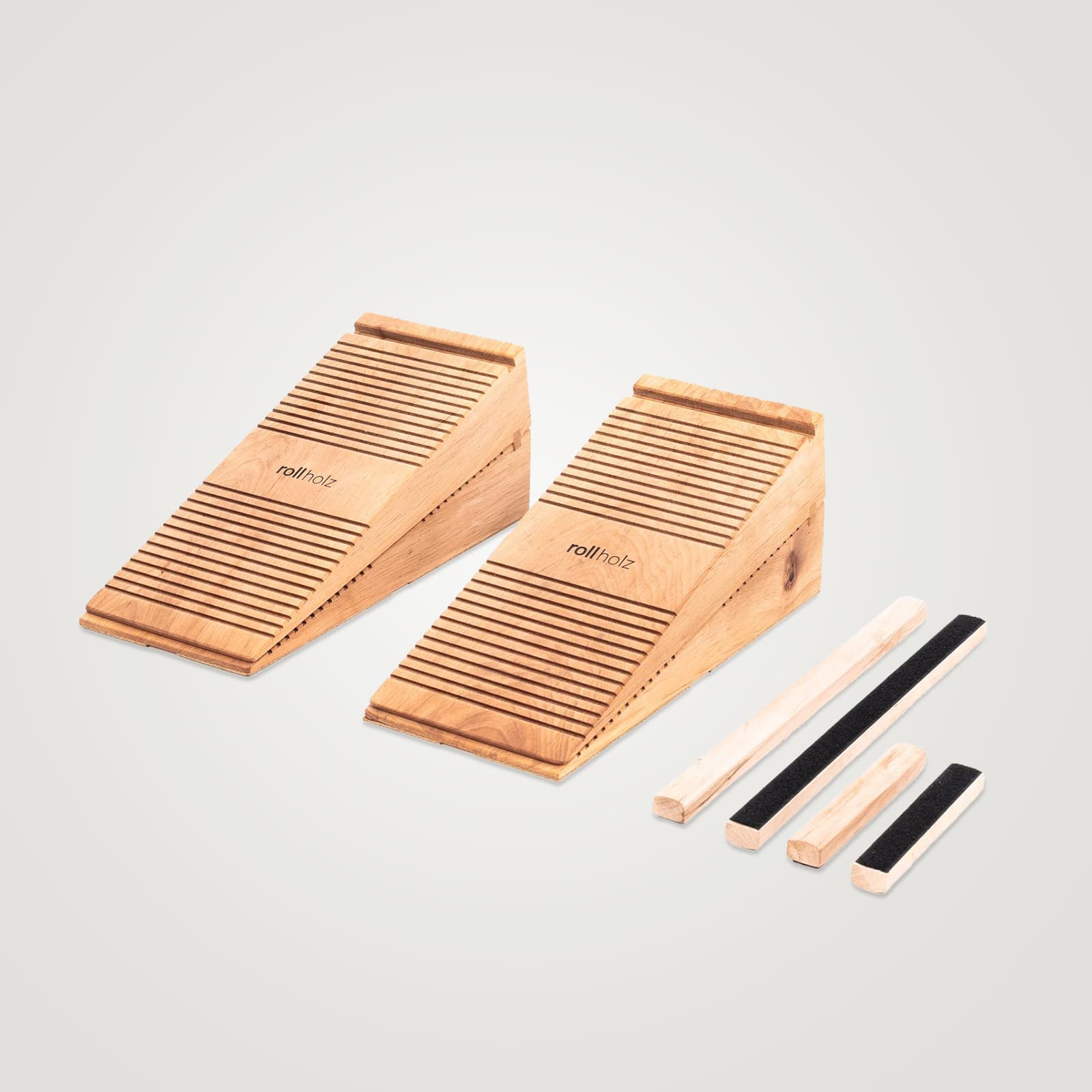
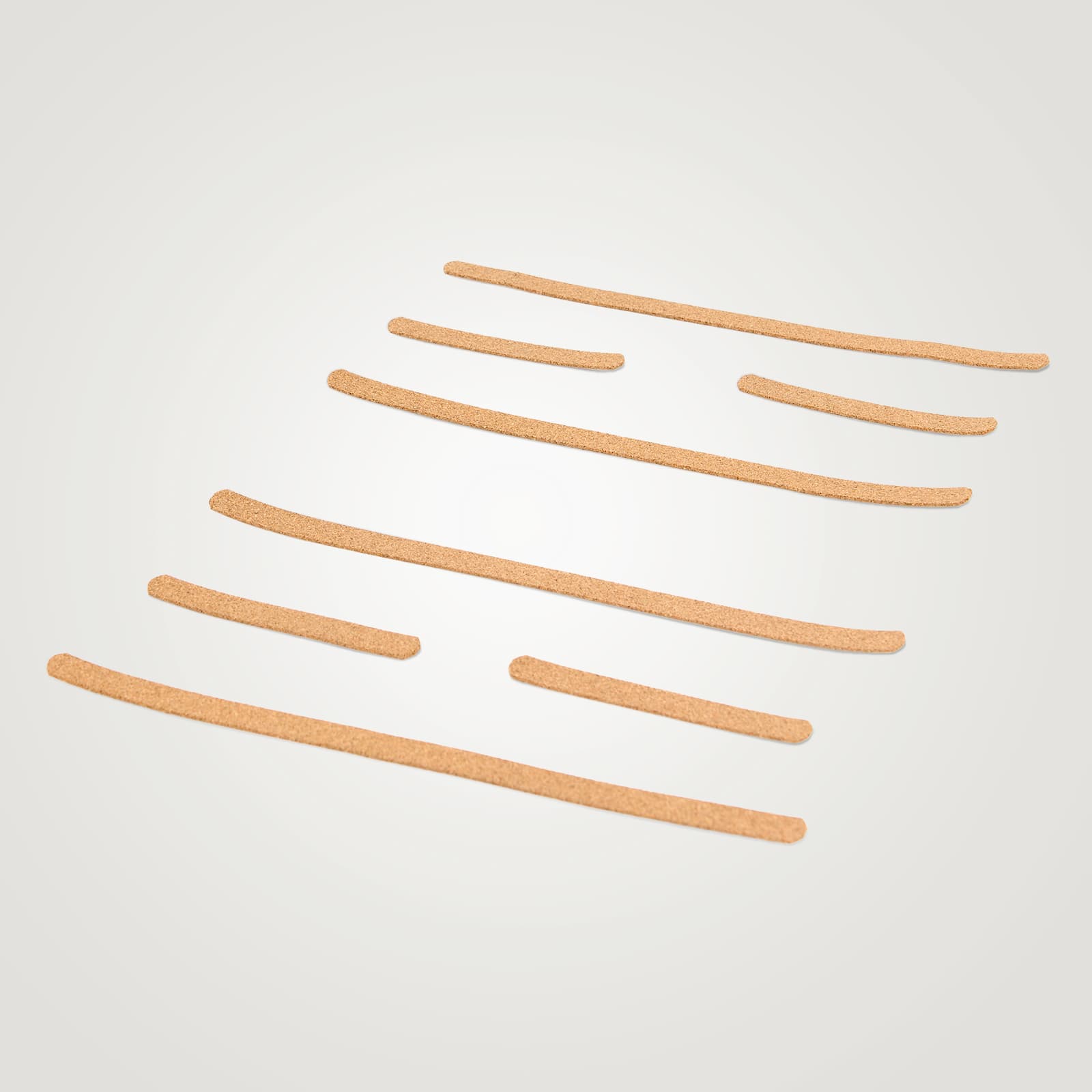
The balance wedges add another layer to the balance range. Laid flat they work as calf stretchers and as a heel raise, for squats among other things. Attach the supplied strips under the wedges with the hook-and-loop fastening and the surface becomes unstable – perfect for training ankle stability in a targeted way, on one leg or two, with or without added load.
That makes the balance wedges a versatile companion to the balance board: sometimes a stretching tool, sometimes instability training in its own right.


