

Anyone who spends hours at a desk knows the feeling: the shoulders slowly creep forward, the upper body slumps, and the chest muscles feel tight and tense. Unlike with the back, few people think of stretching first – yet shortened chest muscles can often be loosened well with targeted exercises and a little self-massage. Before we start, though, an important note you really should read.
Important note first: muscle tension or the heart?
A feeling of pressure “in the chest” can be muscular in origin – but it can also point to more serious causes. The exercises in this article are intended solely for complaints that are clearly muscular: they typically relate to movement, pressure on certain points or posture, and can be reproduced by pressing on the affected spot. If you also have symptoms such as tightness in the chest, pain radiating into the arm, shoulder or jaw, shortness of breath, cold sweat or dizziness, call the emergency services immediately instead of reaching for stretches.
Why the chest muscles tighten so easily
When you sit in front of a screen or a steering wheel, the shoulders almost automatically move forward. The chest muscles – above all the pectoralis major – shorten in this position over time, while their opponents in the upper back are increasingly stretched and weakened. The result: an upper body pulled forward, a noticeable tightness in the chest and often additional tension in the neck and shoulders.
5 exercises for chest muscle tension
1. Fascia ball against the wall for the pectoralis major
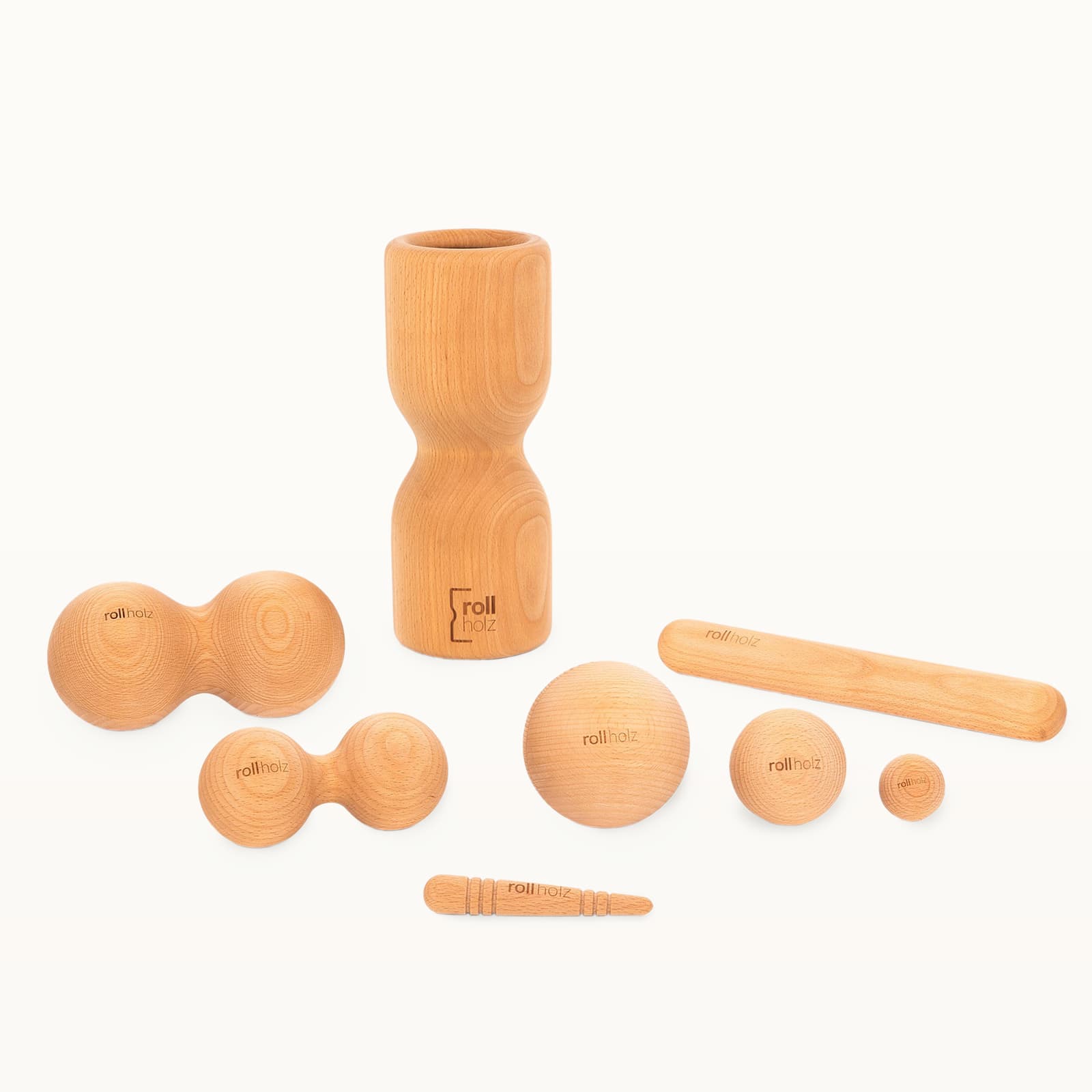
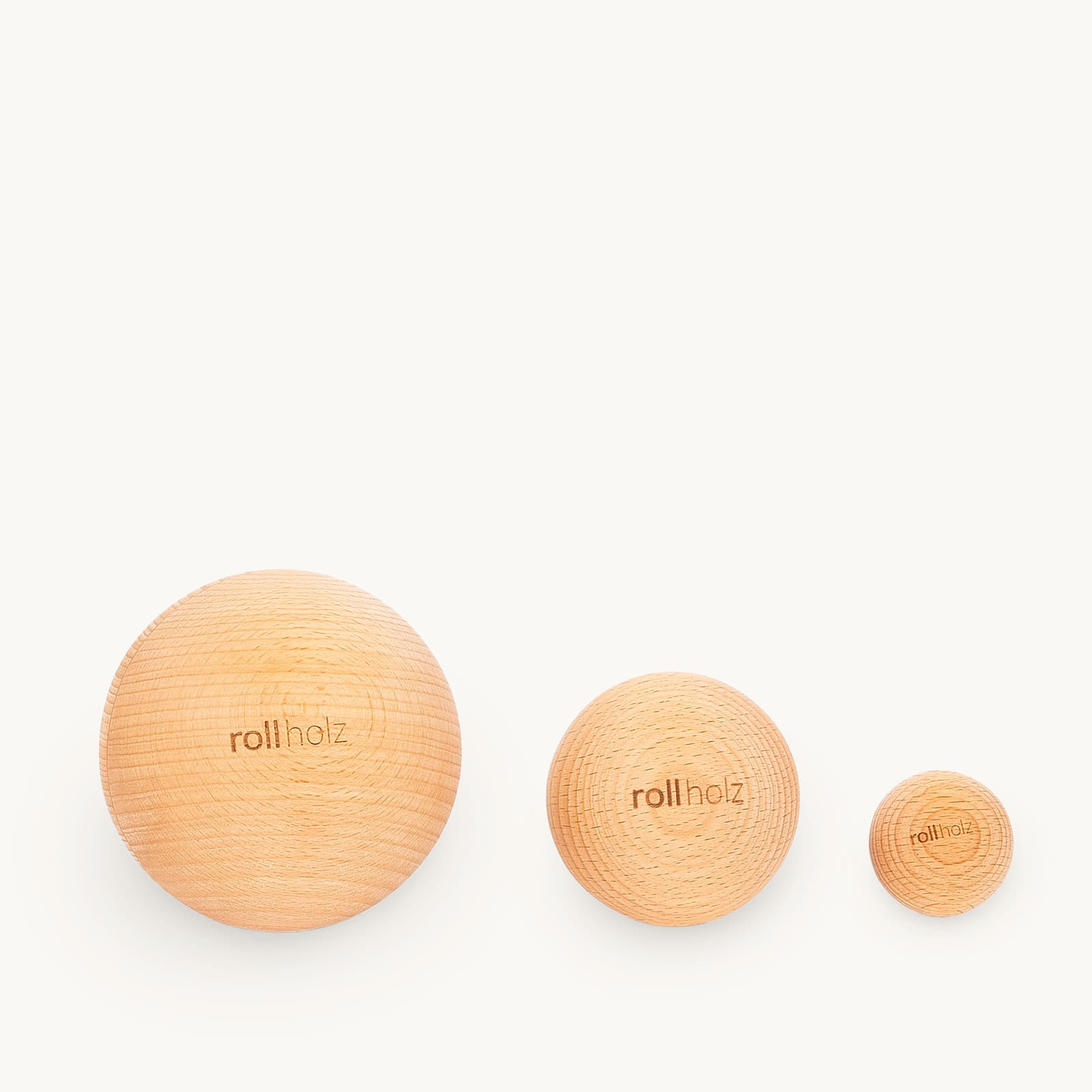
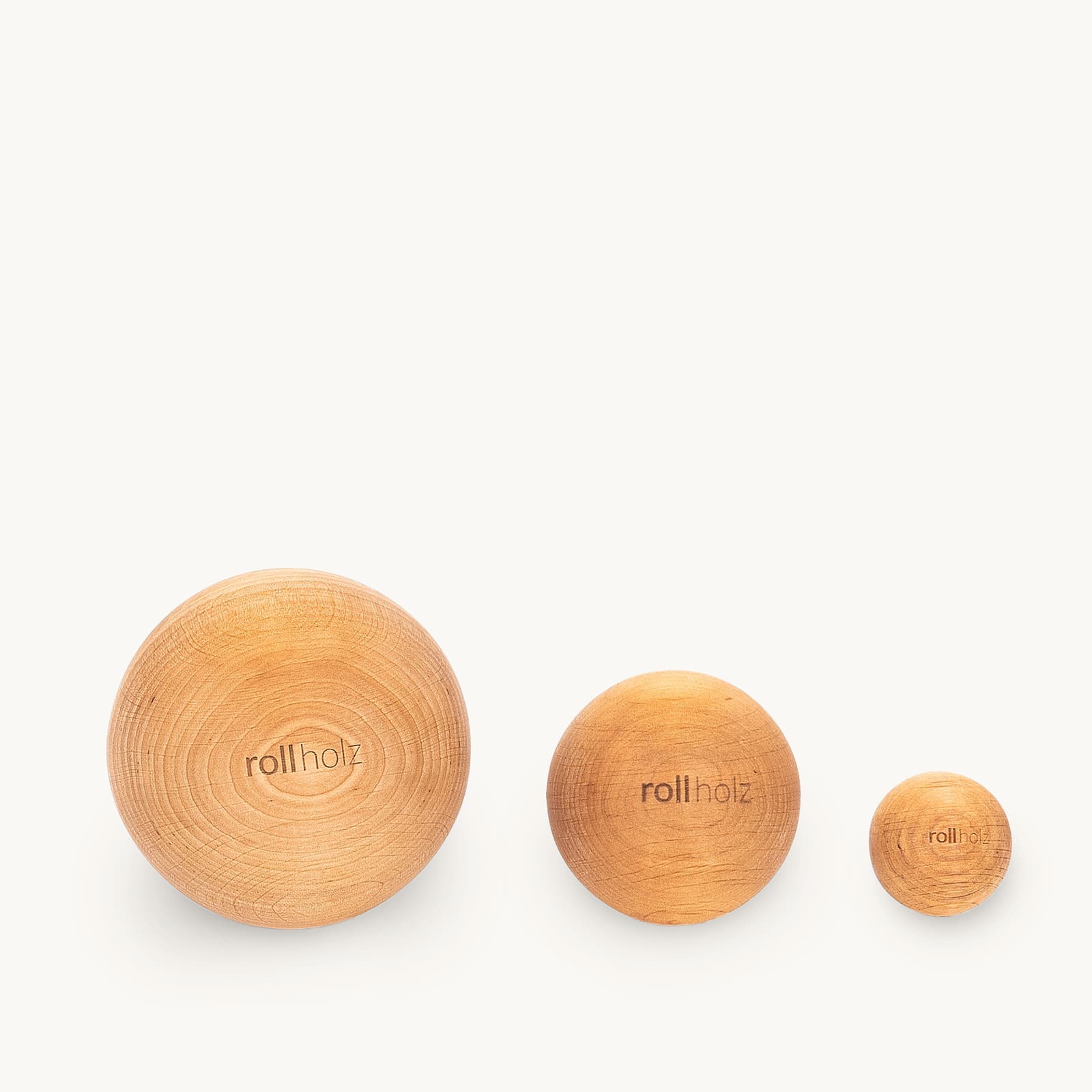
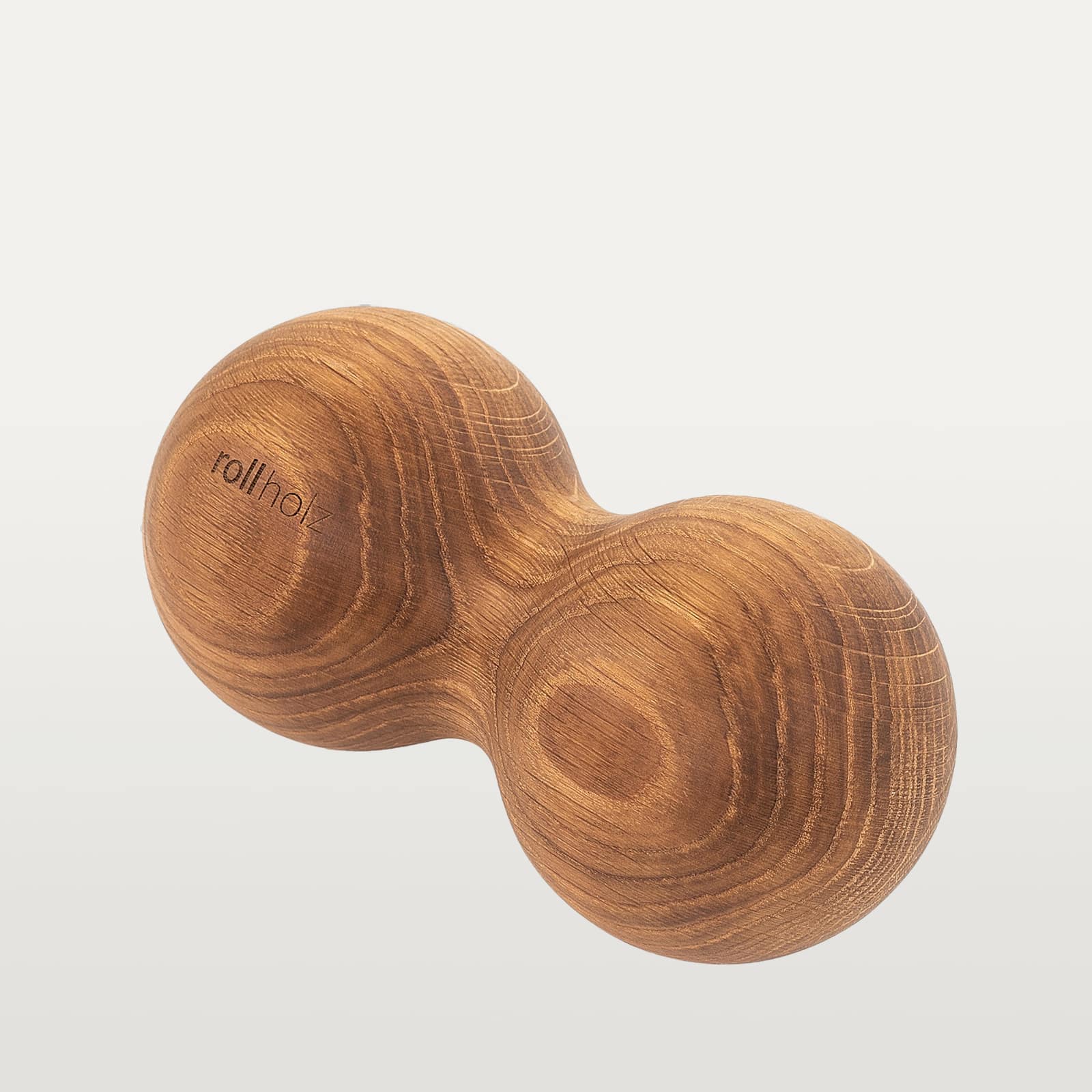
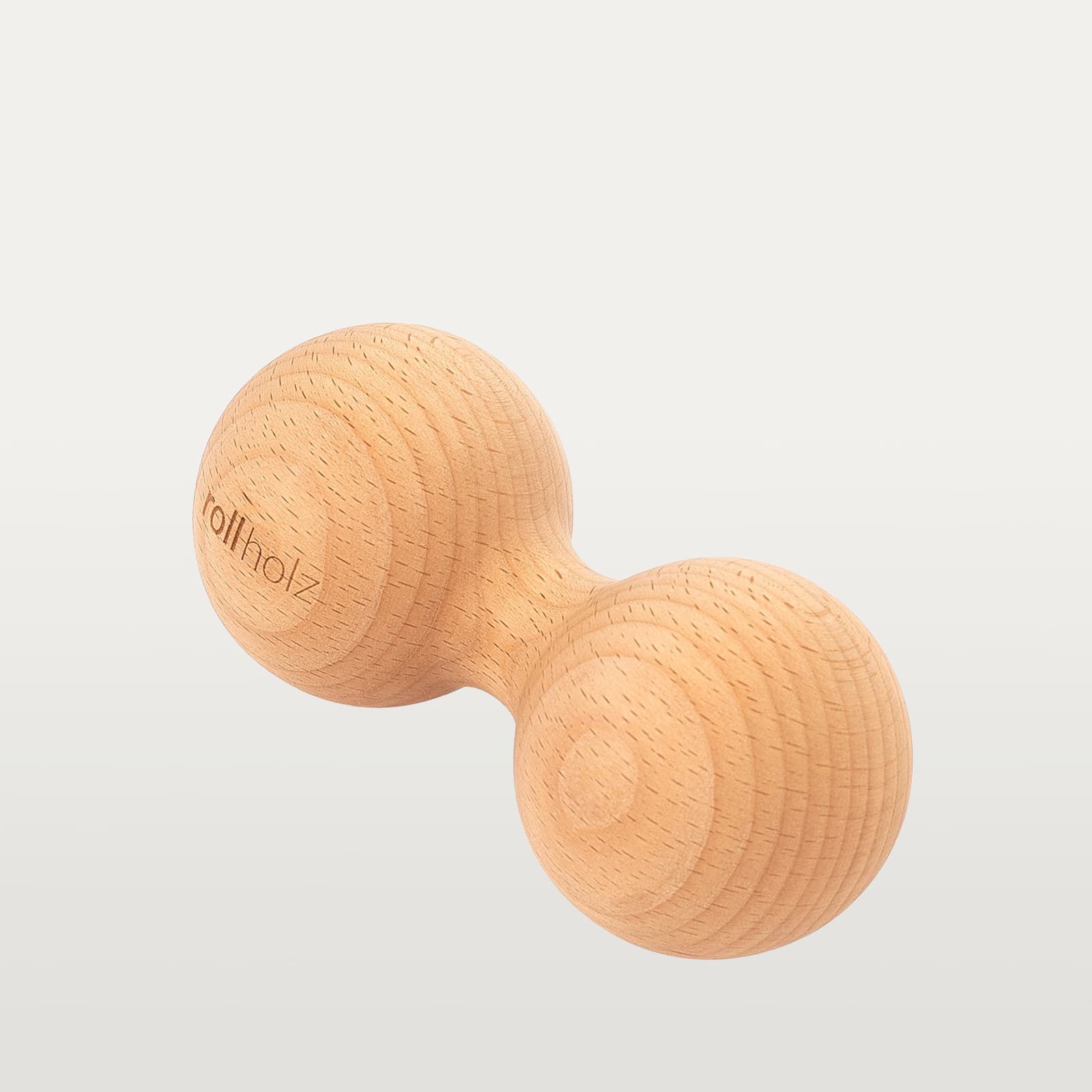
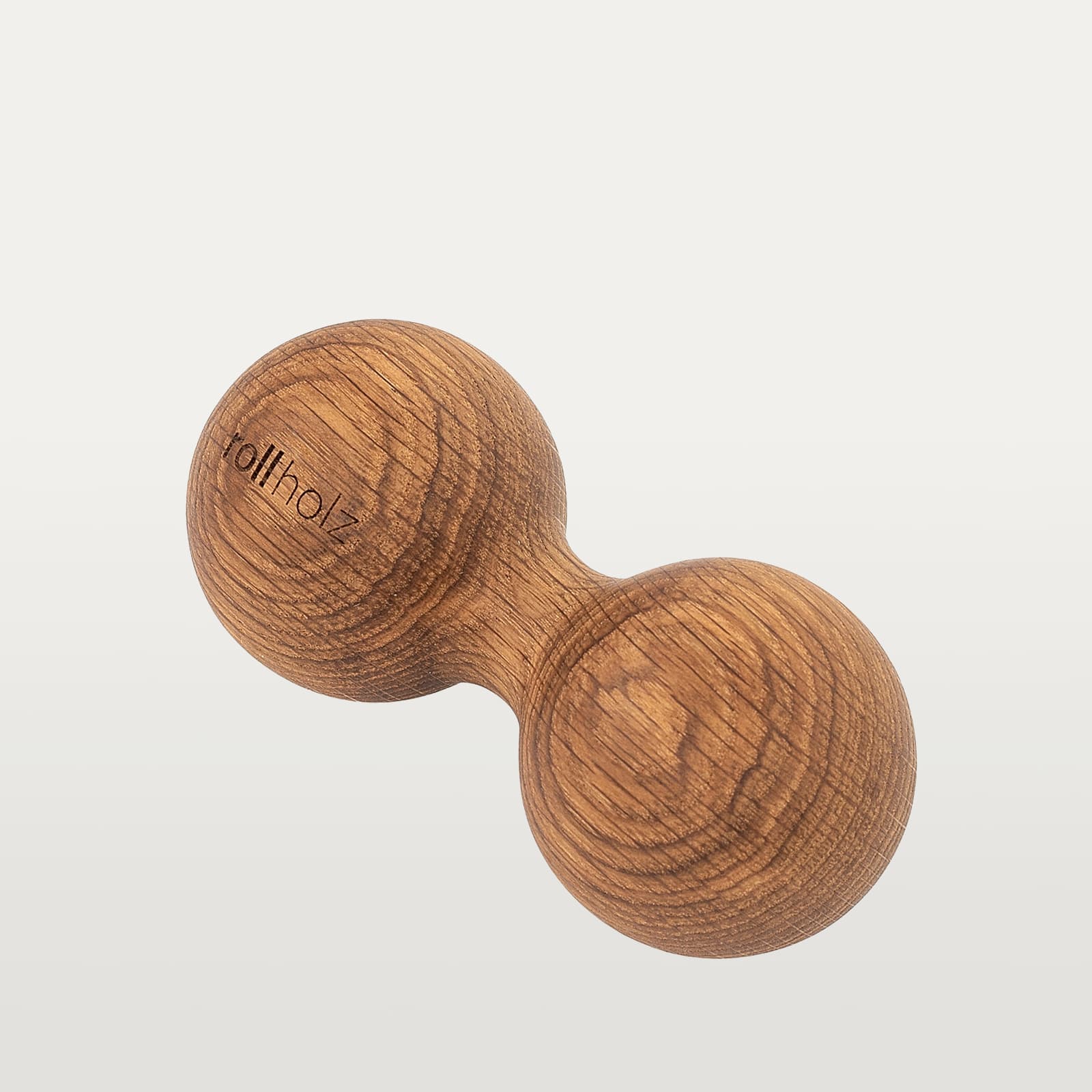
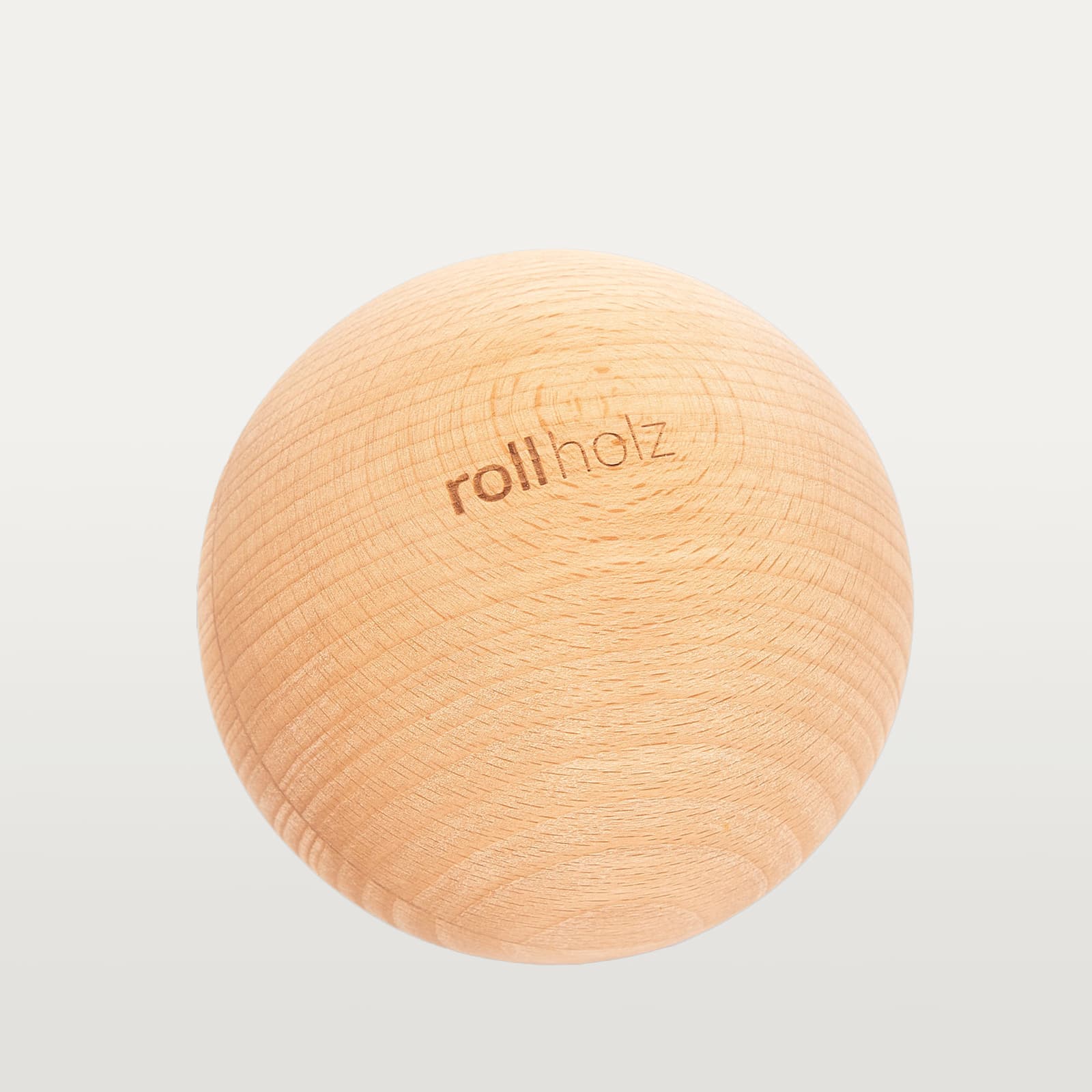
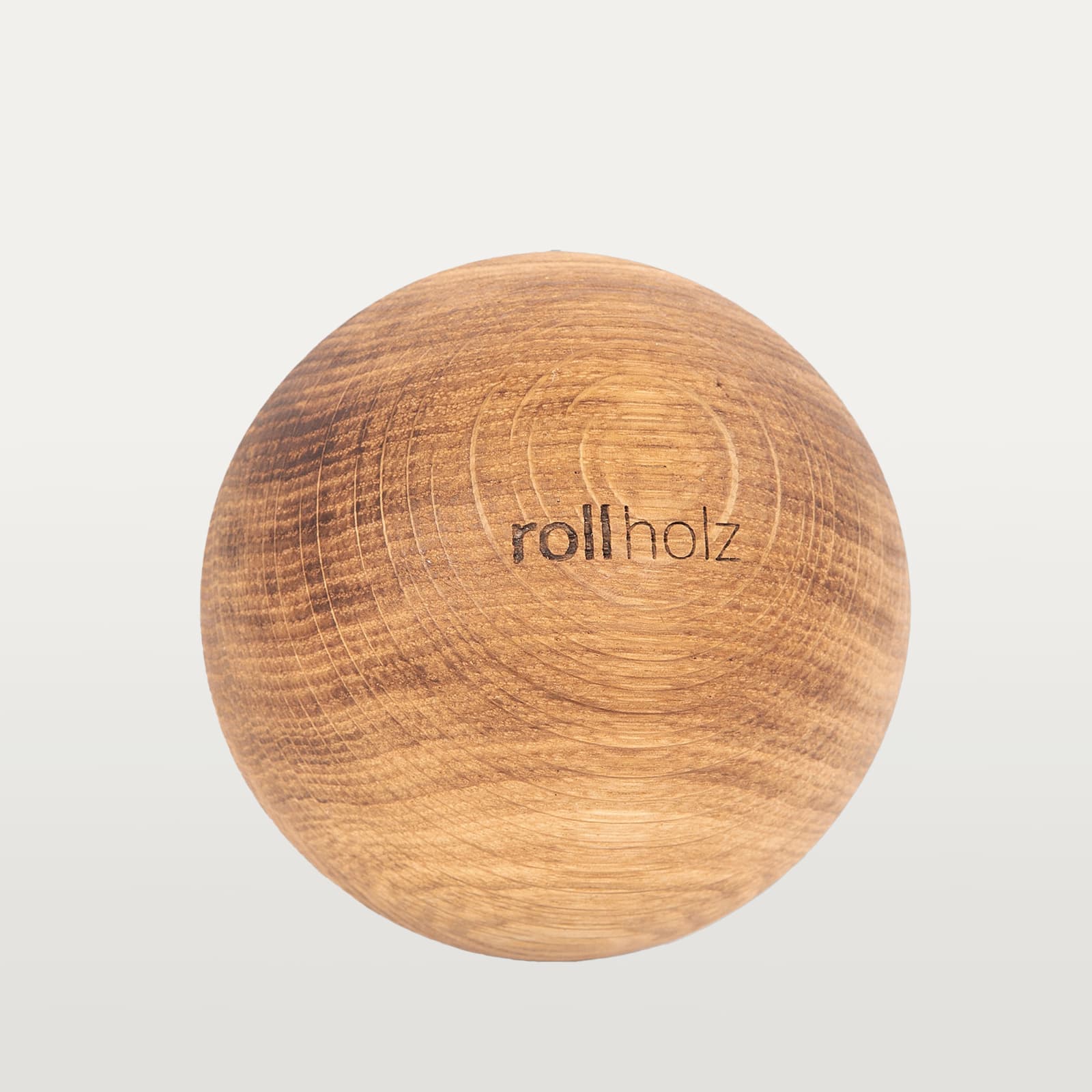
Stand facing a wall, place a rollholz fascia ball (also included in the fascia ball set ) between the wall and your chest muscle, slightly below the collarbone. Lean against the ball with gentle pressure and move the arm on the treated side slowly up and down or in circles while the ball stays in place. Alternatively, the exercise also works lying face down on the floor with the ball under the chest muscle.
2. Small fascia ball at the transition to the shoulder
Move the ball a little further towards the shoulder, to where the chest muscle meets the front deltoid. For many people who sit a lot or do bench presses, this spot is particularly sensitive. Work here with less pressure and shorter movements.
3. Doorway stretch for the chest
Stand in a doorway and hook one arm to the side at a right angle, resting your forearm and palm against the frame at shoulder height (or slightly below). Slowly turn your upper body through the opening, away from the hand, until you feel a stretch across the chest. Hold for 20–30 seconds, then change sides.
4. Cobra stretch on the floor
Lie on your stomach – most comfortably on a soft surface such as our cork mat – with your hands under your shoulders. Slowly press your upper body up while the pelvis stays on the floor and the shoulders sink away from the ears. The stretch should show in the front of the chest, not as pressure in the lower back.
5. Squeezing the shoulder blades together as a counter-exercise
Sit or stand upright, arms relaxed at your sides. Slowly draw the shoulder blades back and down, as if you wanted to trap a pencil between them, and hold briefly. 2–3 sets of 12–15 repetitions strengthen the opponents of the chest muscles and counteract renewed shortening.
Stretching alone is rarely enough
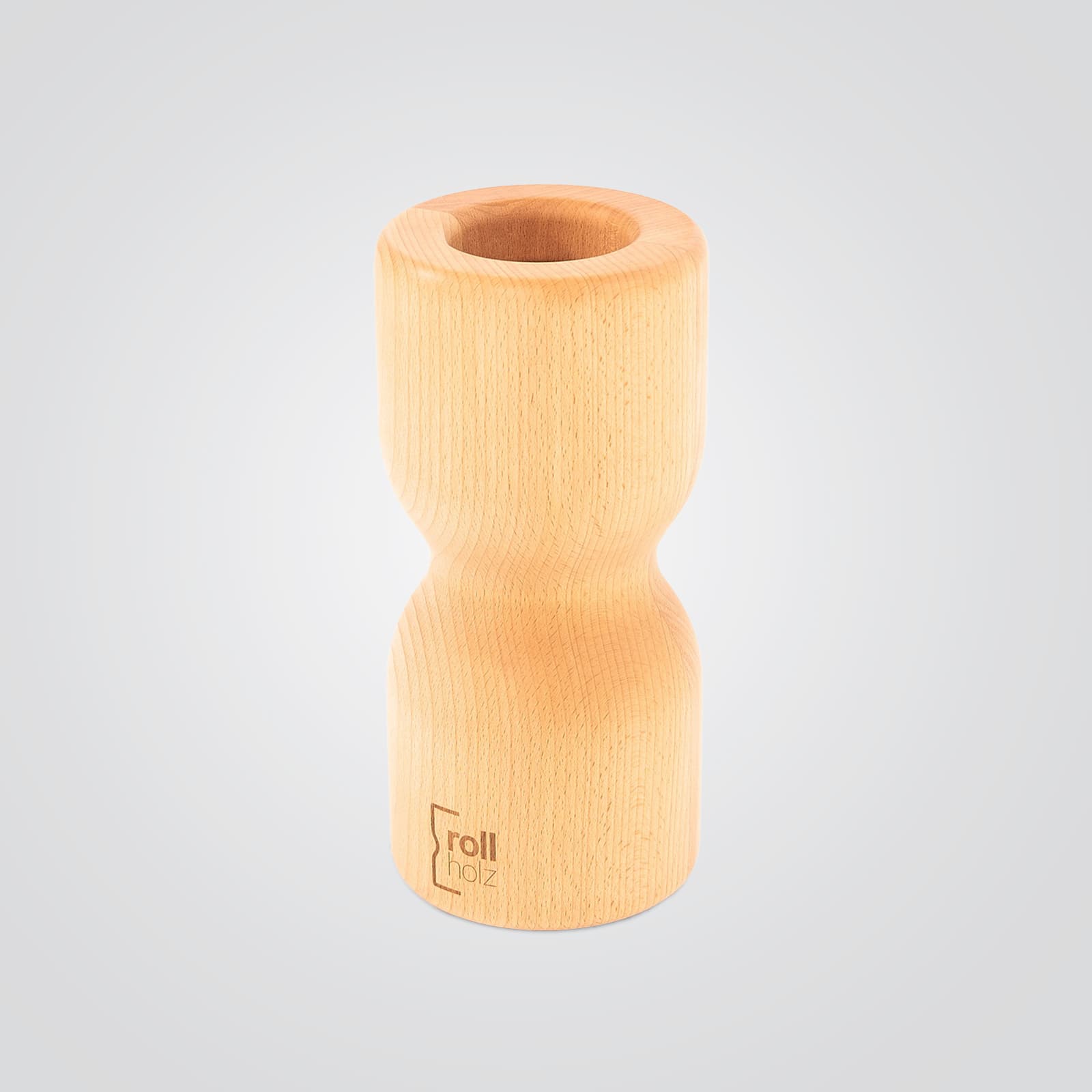
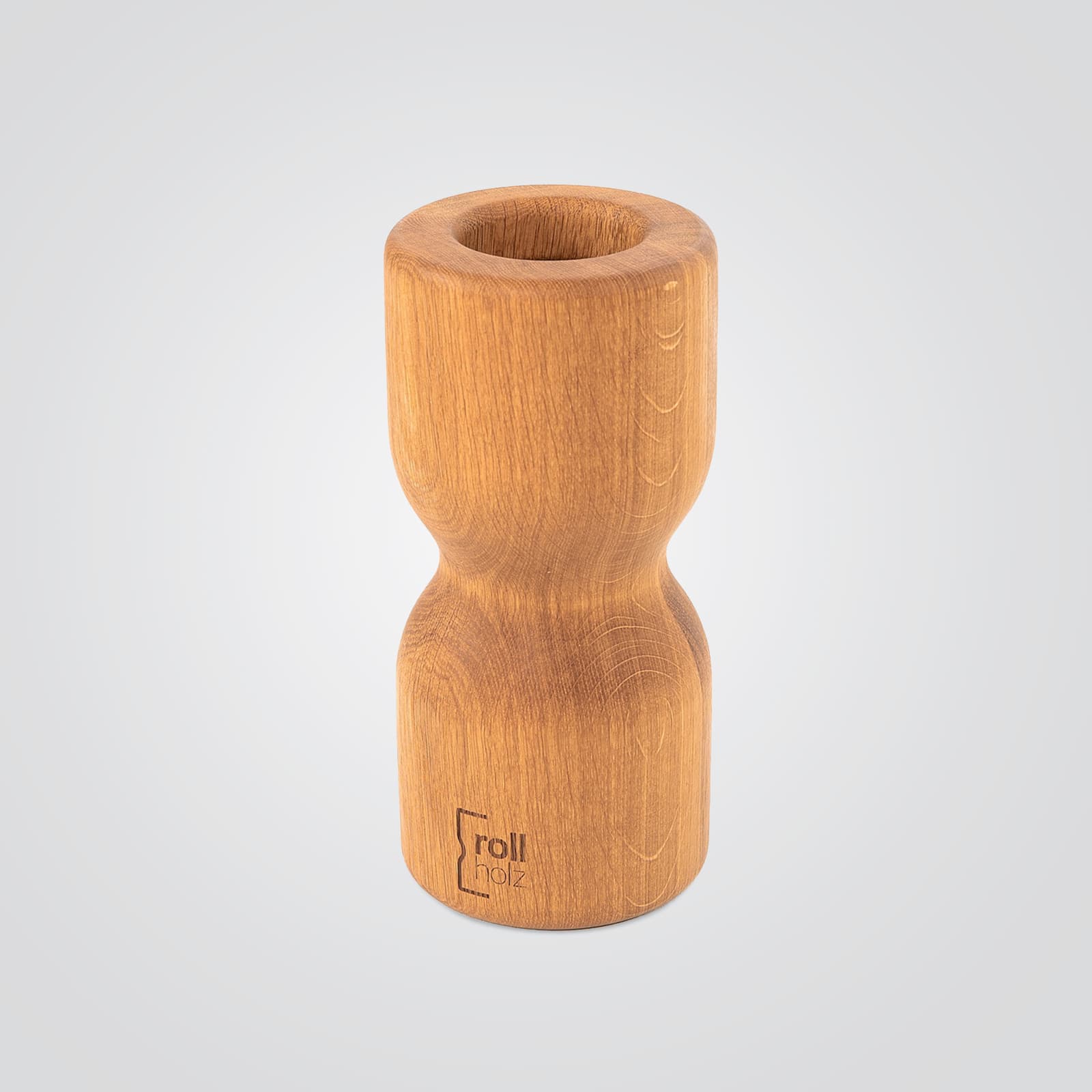
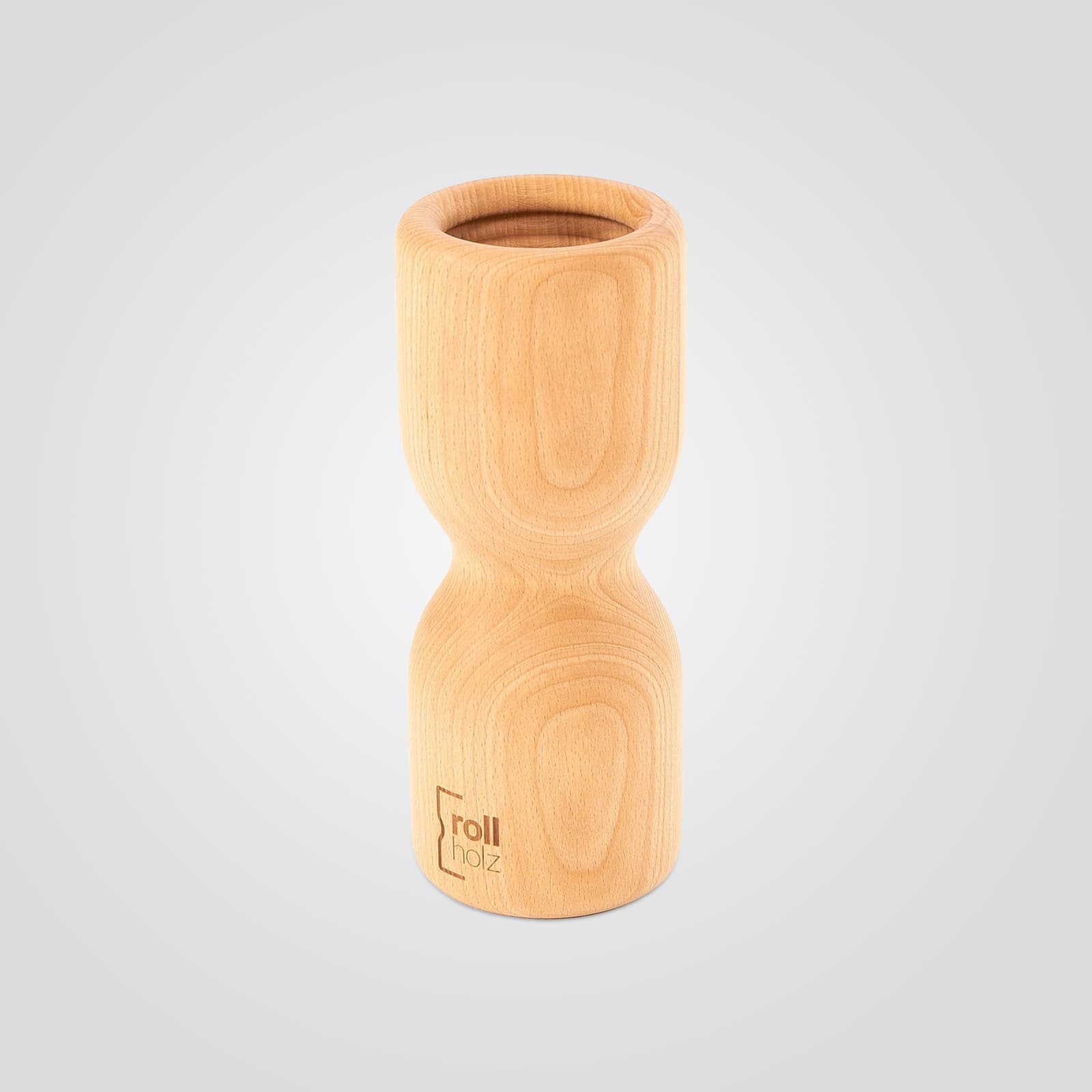
Chest muscles that stay relaxed usually need more than the occasional stretch: regular changes of position through the day, active breaks from sitting and targeted strengthening of the back muscles as opponents – you will find suitable strength training equipment in our strength category. Stretching and fascia work help to lower acute tension – it usually only lasts in combination with more movement in everyday life.
When to see a doctor
The exercises above are meant for clearly muscular, everyday tension. Please have yourself examined by a doctor, or call the emergency services immediately if in doubt, if:
- pain or tightness occurs in the chest and radiates into the arm, shoulder, back or jaw
- shortness of breath, cold sweat, nausea or dizziness also occur
- the pain starts suddenly and without any recognisable trigger
- the symptoms cannot be changed by pressing on a particular spot or by movement
- the tension lasts longer than two weeks despite the exercises, or gets worse
Conclusion
Tight, shortened chest muscles are usually the result of a lot of sitting and one-sided posture – with a fascia ball, targeted stretches and the doorway as a practical fixed point for the chest stretch, they can often be loosened well. Just as important is strengthening the opponents in the back so that the shoulders don't creep forward again in the long run. And with chest complaints, the rule is always: better to have it checked once too often.



Leave a comment
This site is protected by hCaptcha and the hCaptcha Privacy Policy and Terms of Service apply.