

A pulling or burning sensation between the shoulder blades is one of the most common complaints among everyone who spends a lot of time at a desk. Unlike the lower back, where the lumbar spine and the deep core muscles are usually the focus, the upper back is mostly about the thoracic spine and the muscles between the shoulder blades. A mobile, well-mobilised thoracic spine is the key here – we show you how to mobilise, loosen and strengthen this area in a targeted way.
Why the upper back tightens up so quickly
When you sit with your shoulders pulled forward, the muscles between the shoulder blades – above all the rhomboids and the middle trapezius – are permanently lengthened and held under tension at the same time. Over time these muscles respond with a pulling, sometimes burning feeling. At the same time the thoracic spine loses mobility when it moves too little, which reinforces the tension further.
5 exercises for tension in the upper back
1. Double ball between the shoulder blades
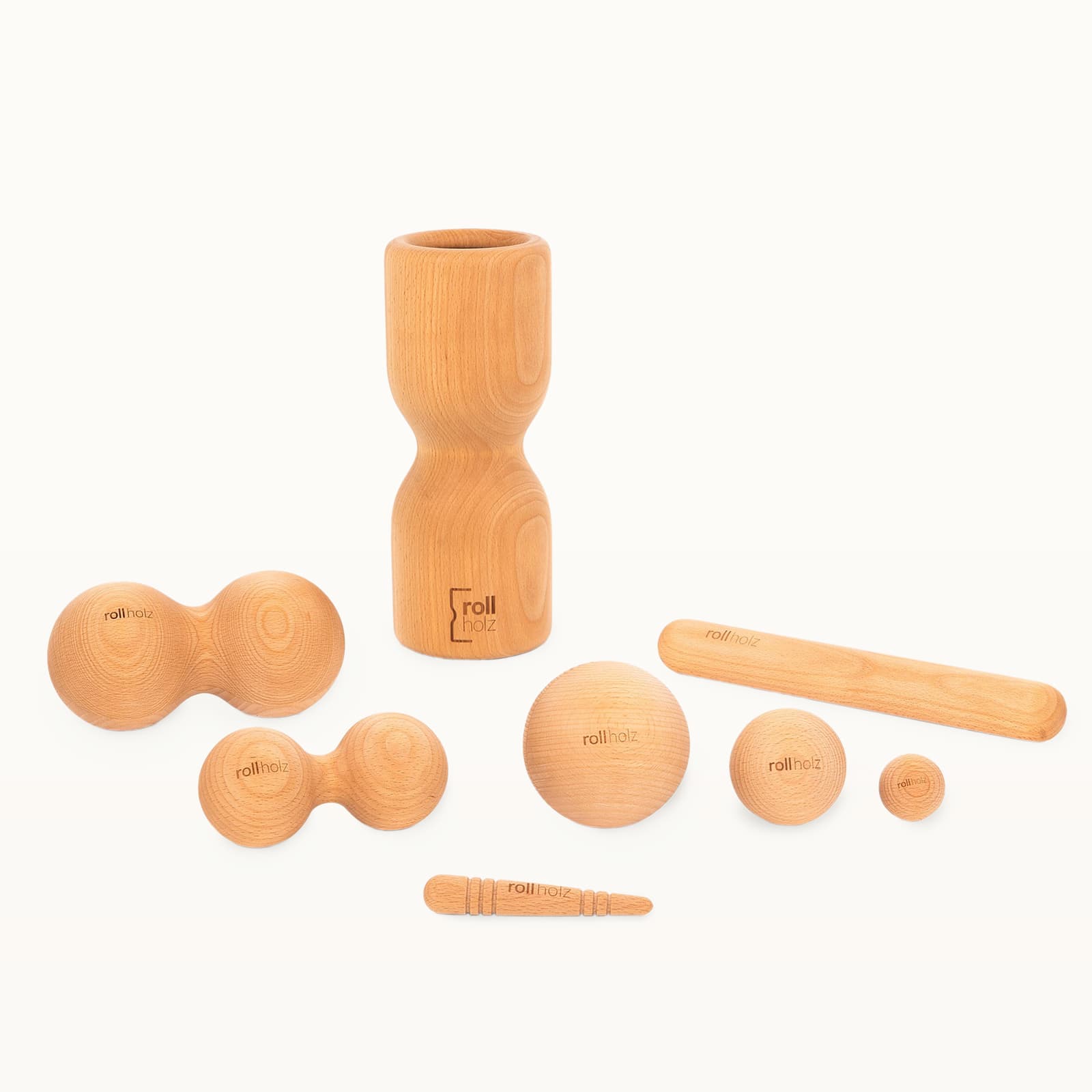
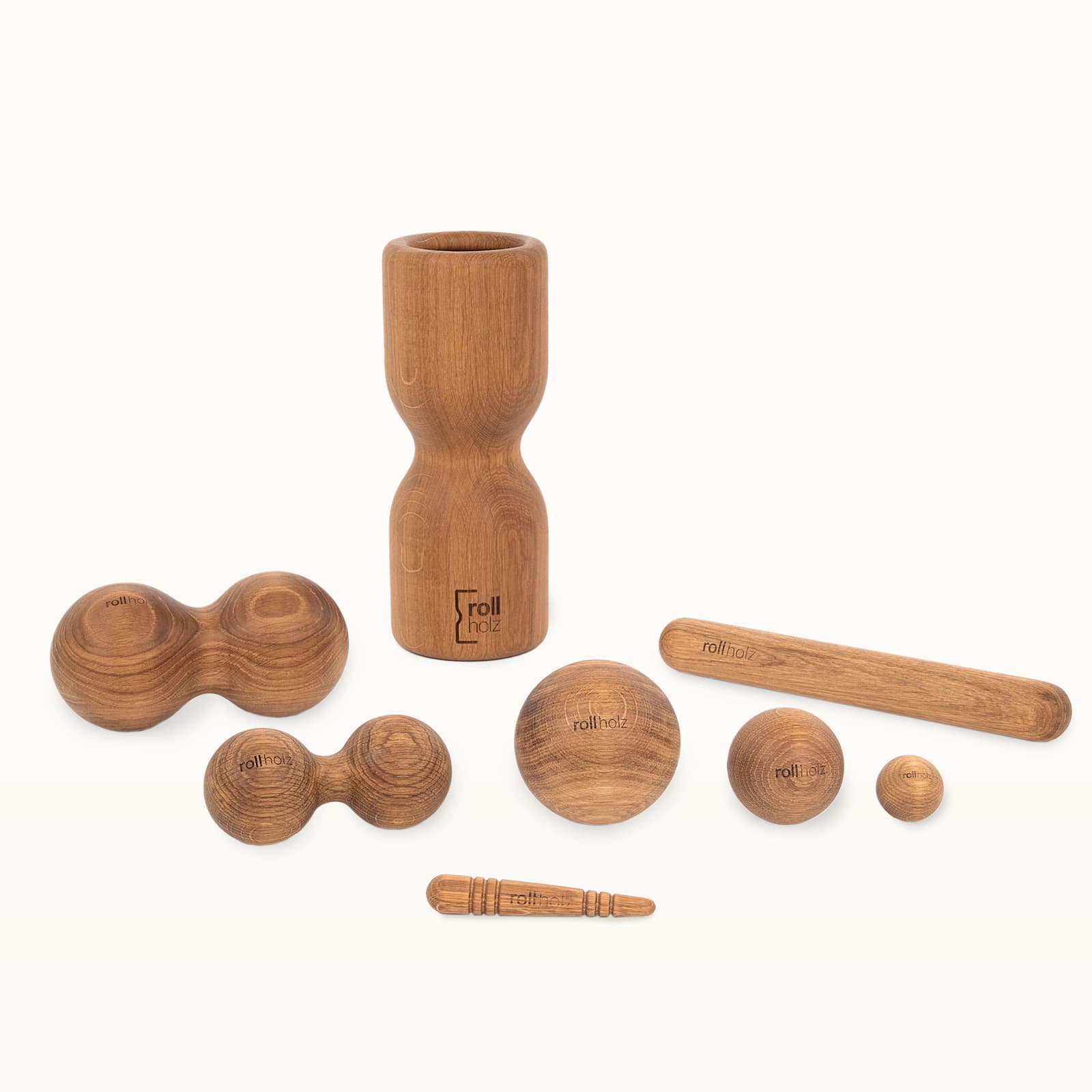
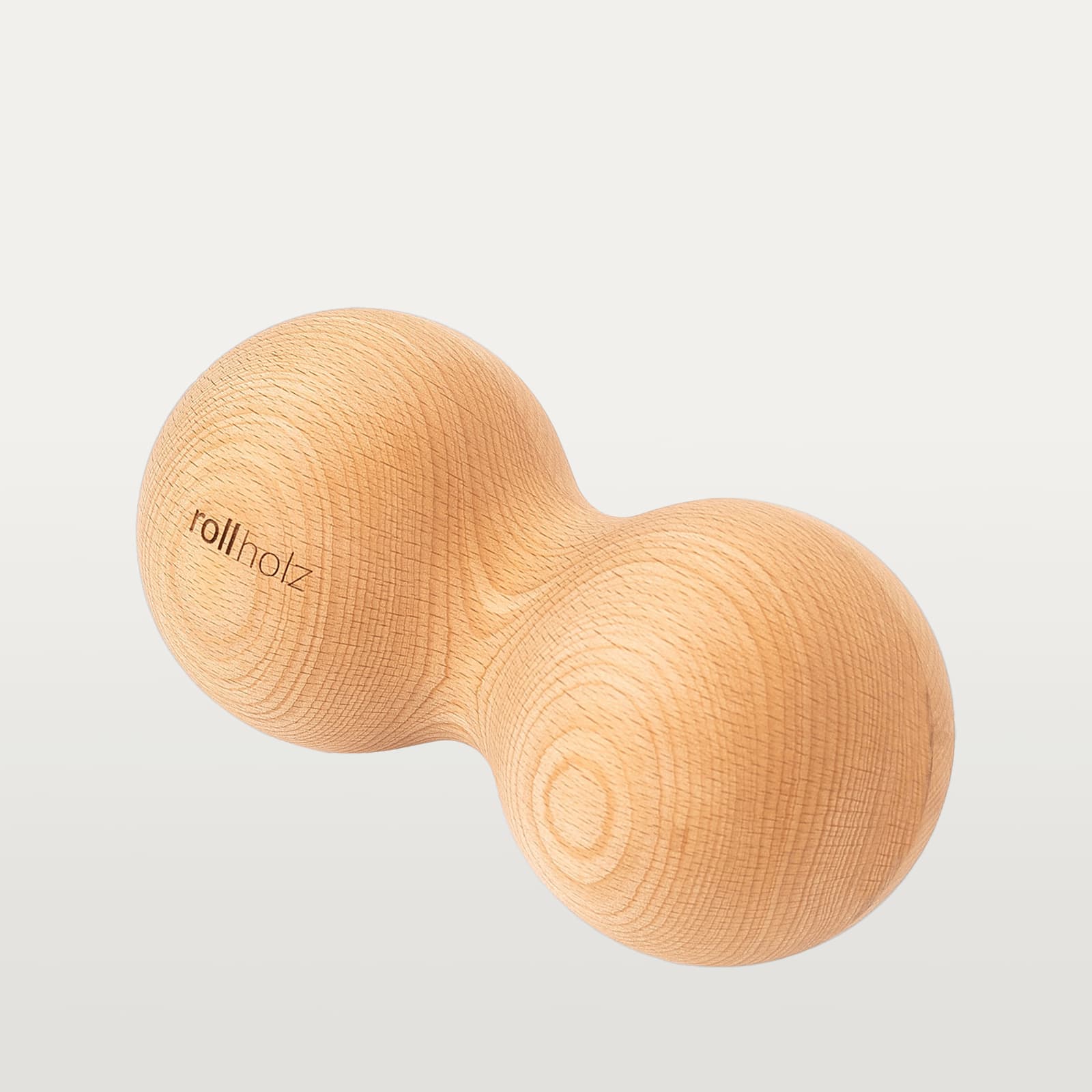
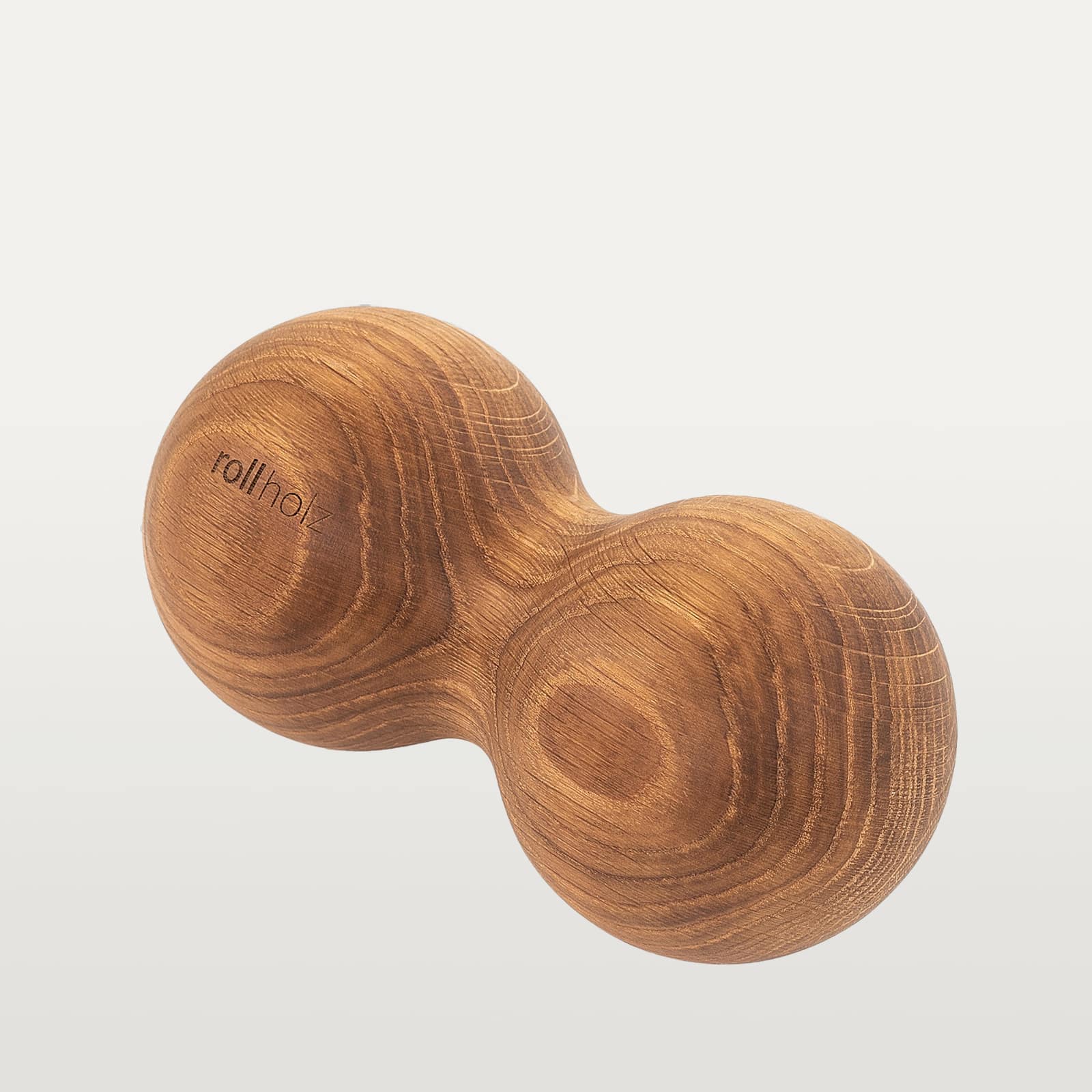
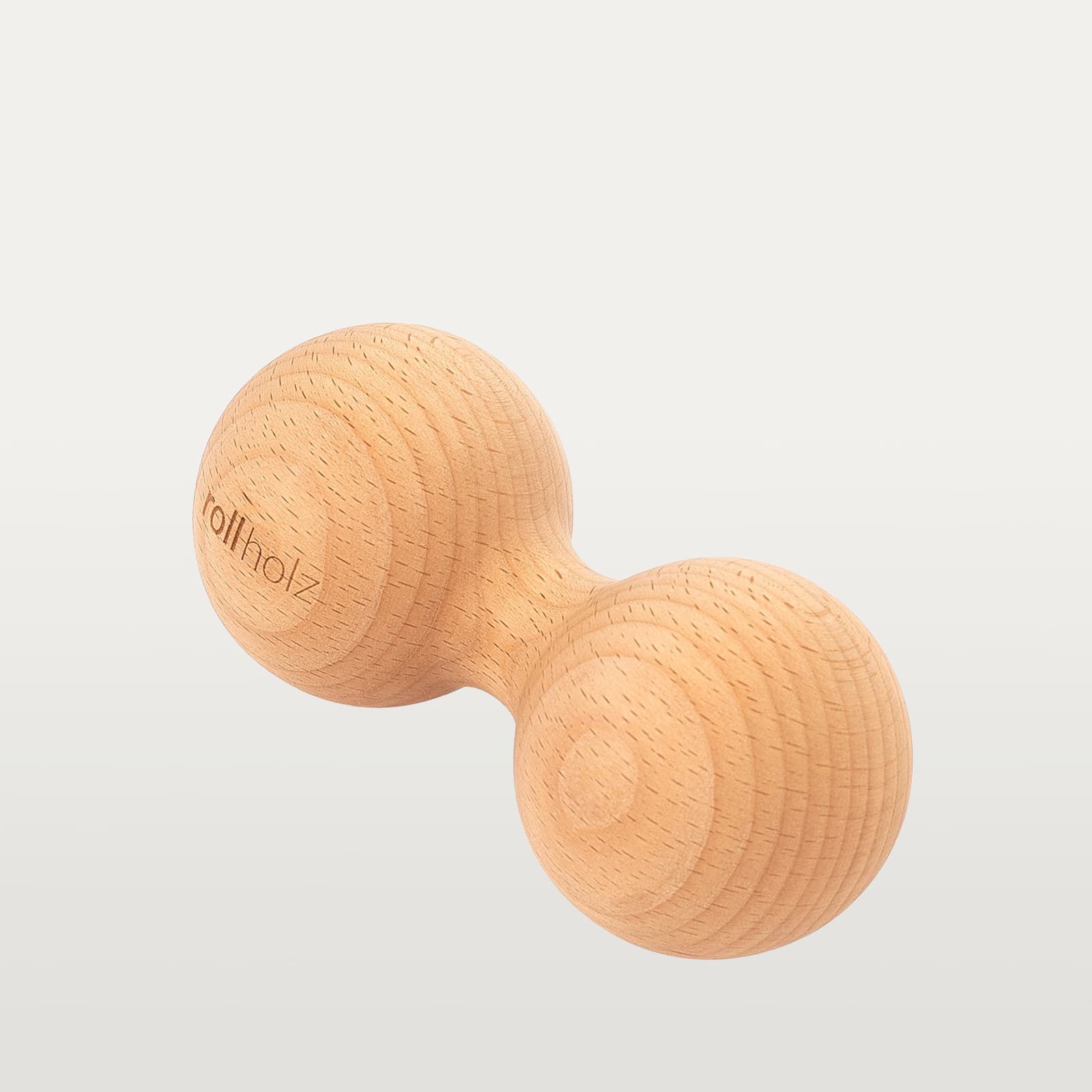
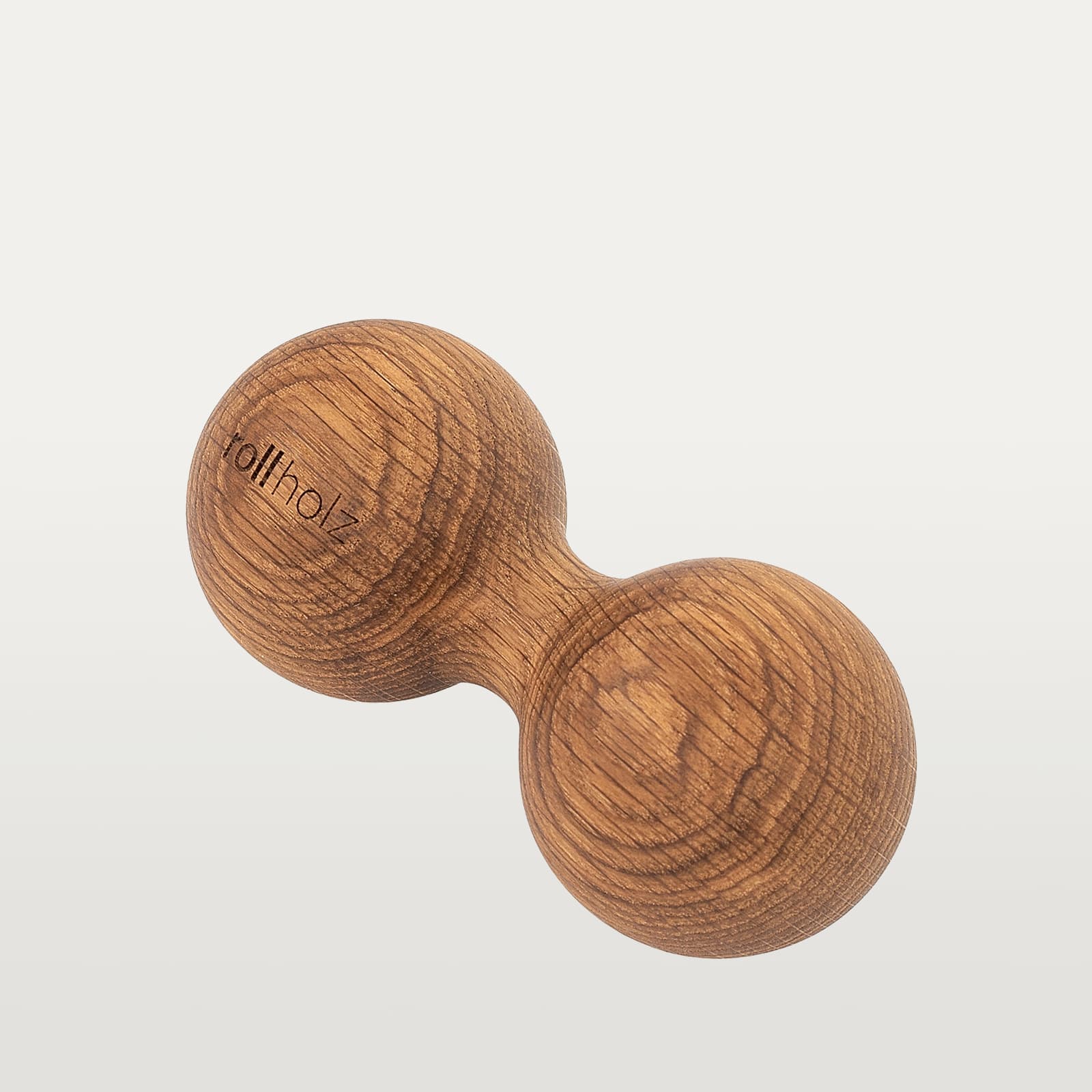
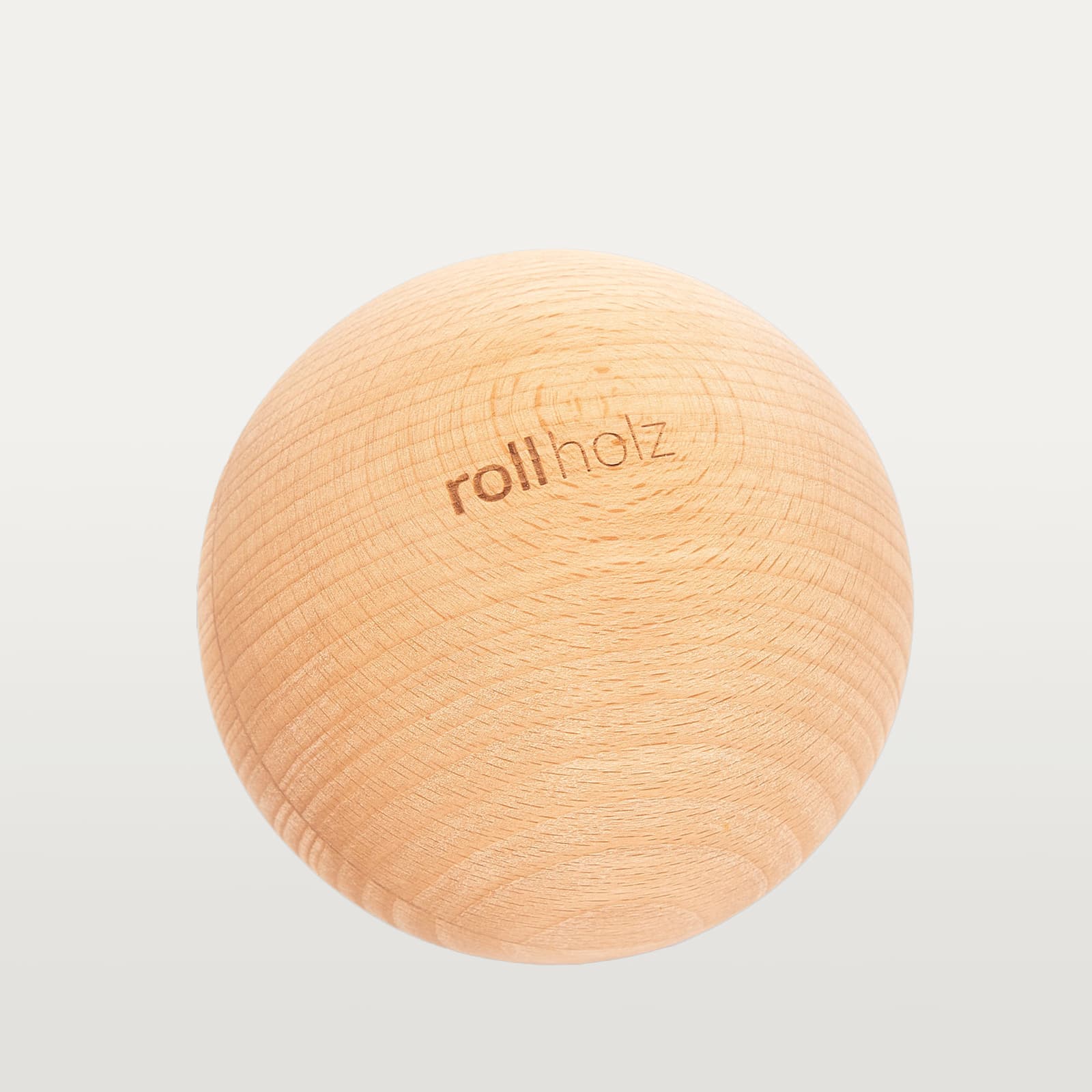
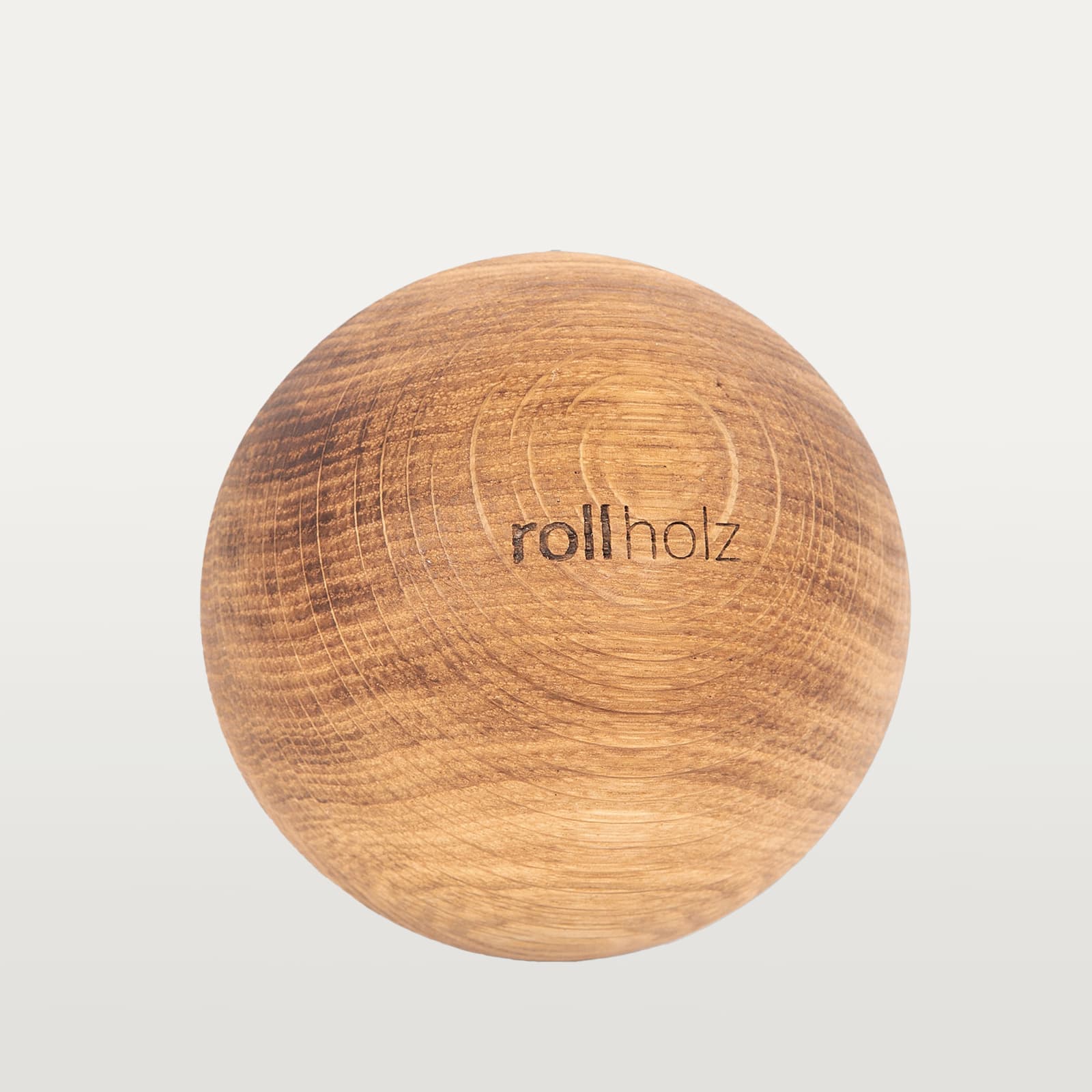
Lie on your back and place your rollholz double ball on both sides of the spine, at the level of the shoulder blades. Your head rests relaxed on the floor. Move your arms slowly up and down, or travel along the spine in small steps to reach several points.
2. Fascia roller for the thoracic spine
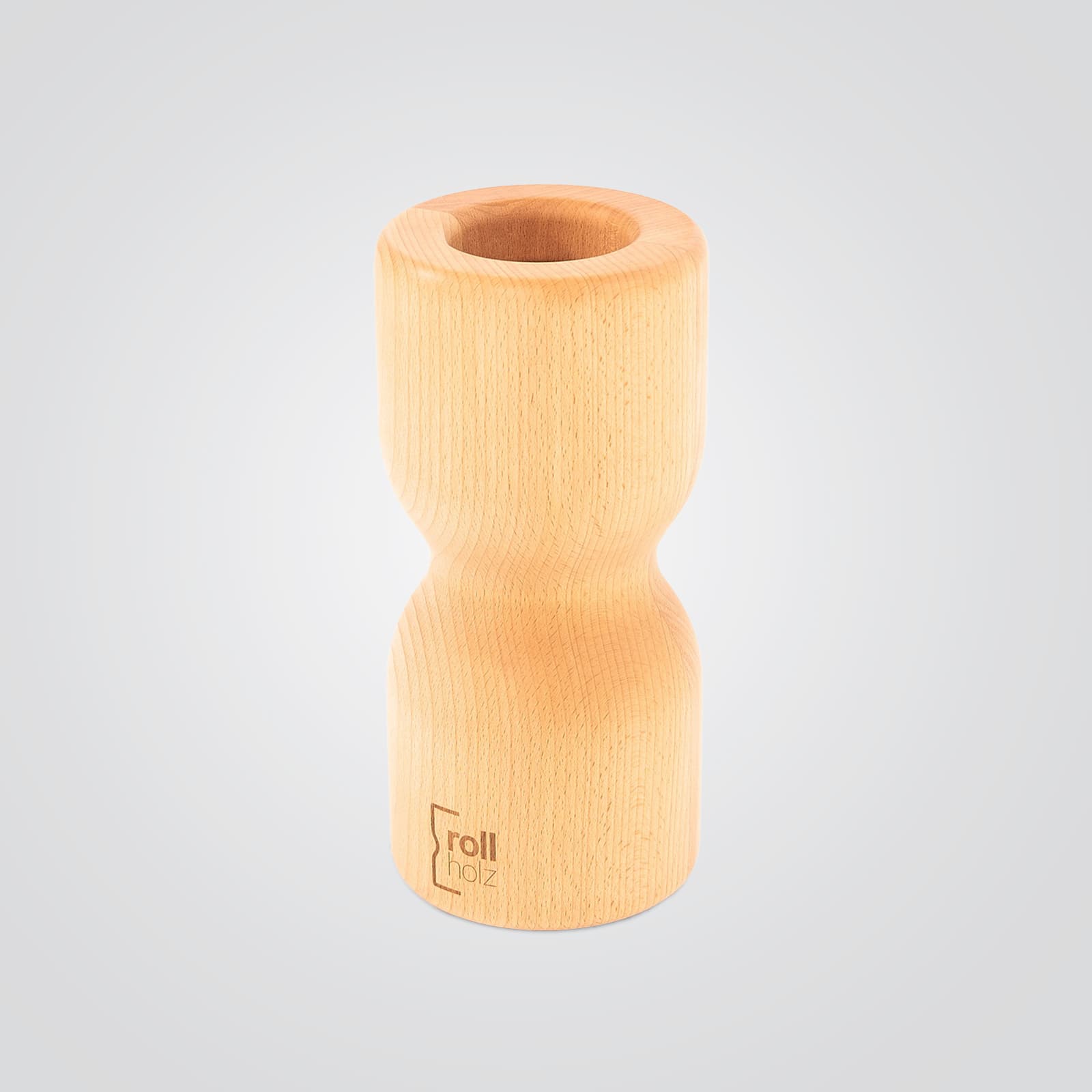
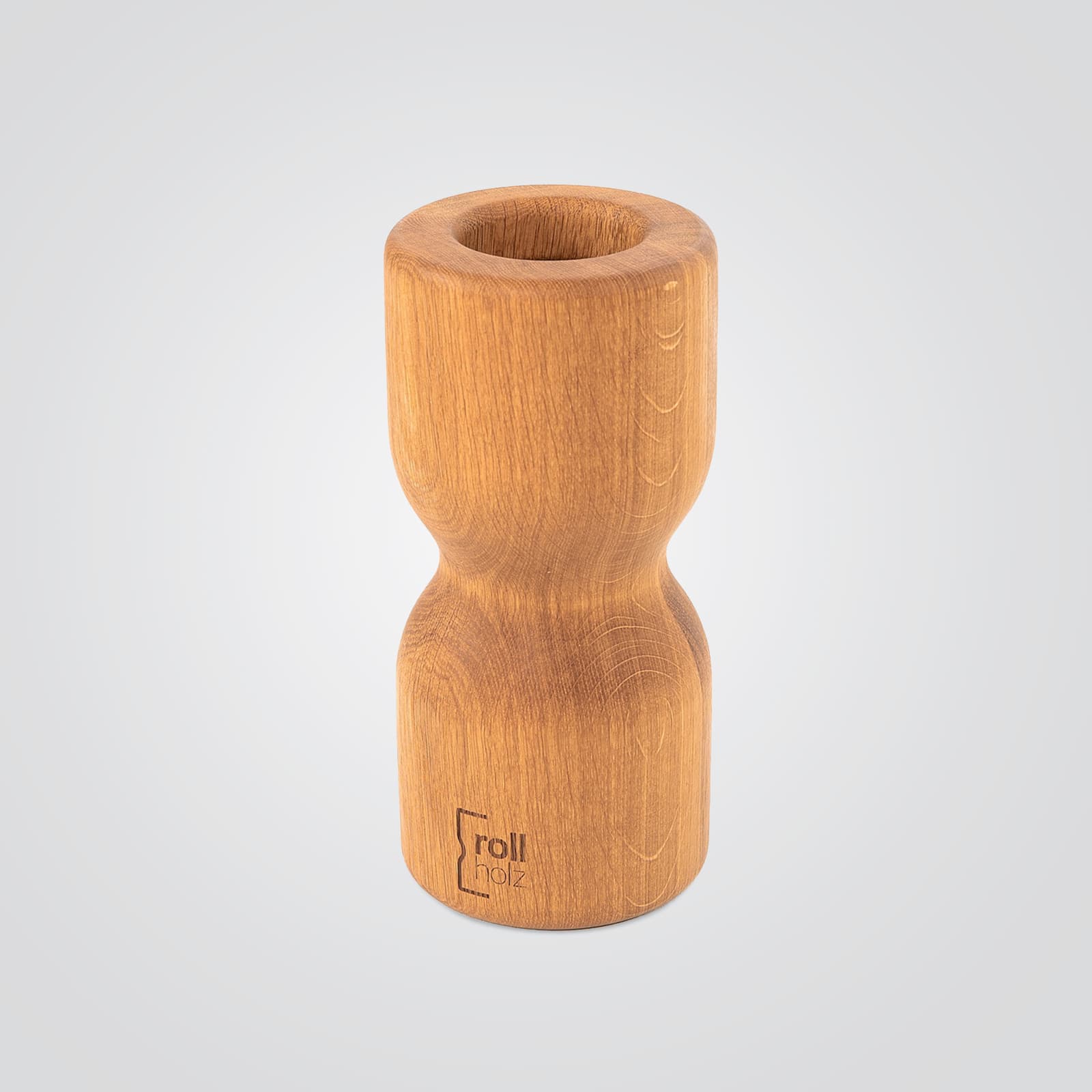
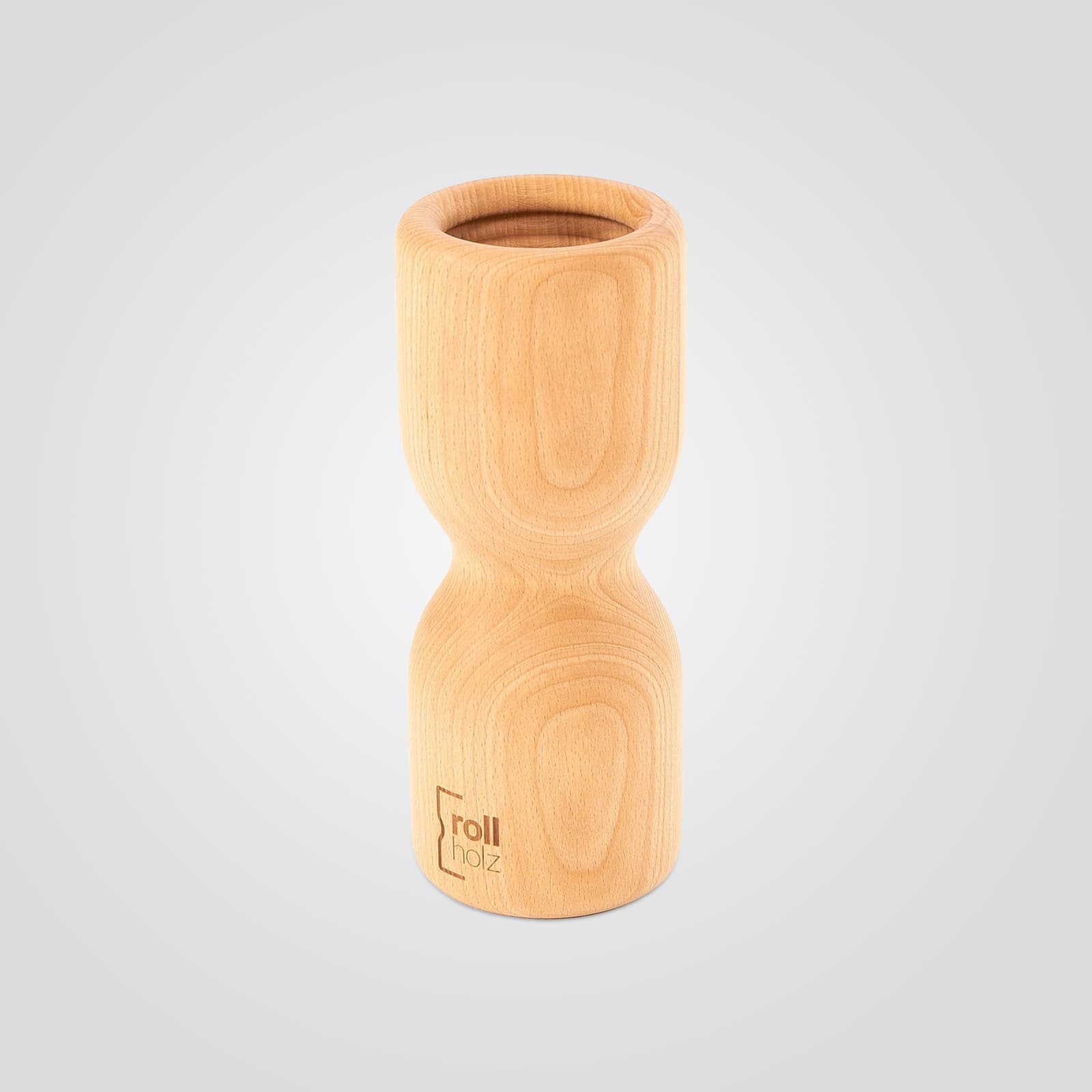
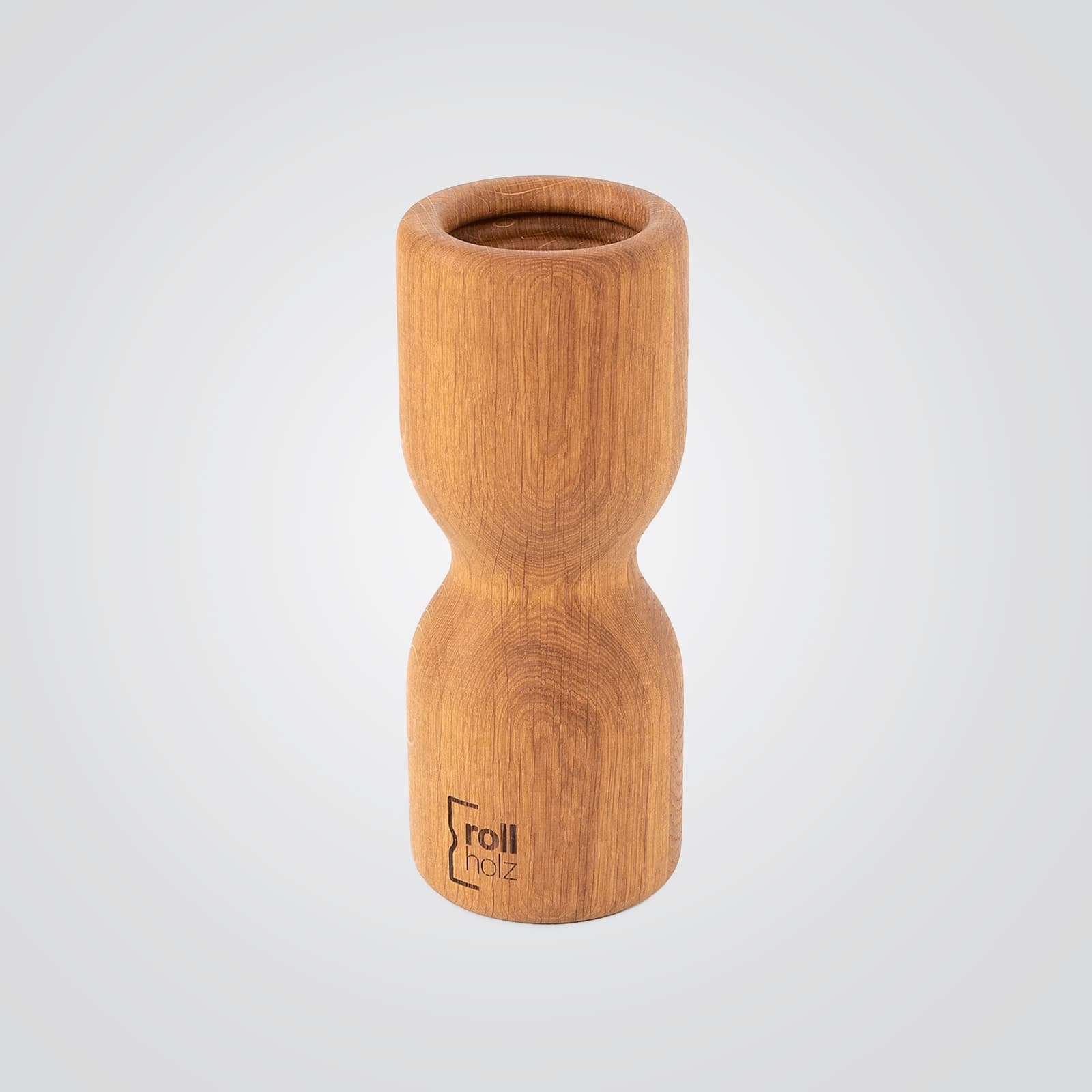
Lie down with your rollholz original or rollholz Pro fascia roller crosswise under the thoracic spine, knees bent, hands supporting your head. Let your upper body sink slowly backwards over the roller so that the thoracic spine extends, then come back up. Move the roller upwards in small steps as you go.
3. Double Ball XL along the spine
For a larger area you can also use the Double Ball XL and let it travel slowly from the upper back to just below the shoulder blades. Pause briefly on tight spots and breathe consciously and deeply into the ribcage.

4. Standing shoulder blade stretch
Stand upright, extend both arms forward and interlace your hands. Draw your arms gently forward while consciously spreading your shoulder blades apart – you should feel a stretch between the shoulder blades. Hold for 20–30 seconds.
5. Rowing with the suspension trainer for strength
Hook up the rollholz suspension trainer , lean back slightly with your body straight and pull yourself towards the handles with your arms extended, actively squeezing the shoulder blades together. This strengthening exercise works exactly the muscles that keep the upper back stable in the long term – a sensible addition to stretching and fascia work alone.
Stretching and strengthening belong together
Anyone who only stretches and rolls but never strengthens the back muscles usually gets rid of upper back tension only briefly. It lasts longer in combination: regular movement breaks while sitting, mobilisation of the thoracic spine and targeted strengthening of the shoulder blade muscles, for example with rowing pulls.
When to see a doctor or physiotherapist
The exercises above are meant for everyday, muscular tension. Please have yourself examined by a doctor if:
- pain or numbness radiates into the arm or hand
- breathing difficulties, tightness in the chest or a strong feeling of illness occur as well
- the tension persists for more than two weeks despite the exercises, or gets worse
- the symptoms appear after a fall or an accident
- fever or unexplained weight loss occurs alongside
Conclusion
Tension in the upper back and between the shoulder blades can often be eased considerably with a few minutes of targeted exercise – double ball and fascia roller reach areas along the spine that are hard to get to with your hands. To make the relief last, regular strengthening of the shoulder blade muscles is worth adding. With persistent or radiating symptoms, the rule is: better to have it checked once too often than once too little.




Leave a comment
This site is protected by hCaptcha and the hCaptcha Privacy Policy and Terms of Service apply.