
Filters
10 products
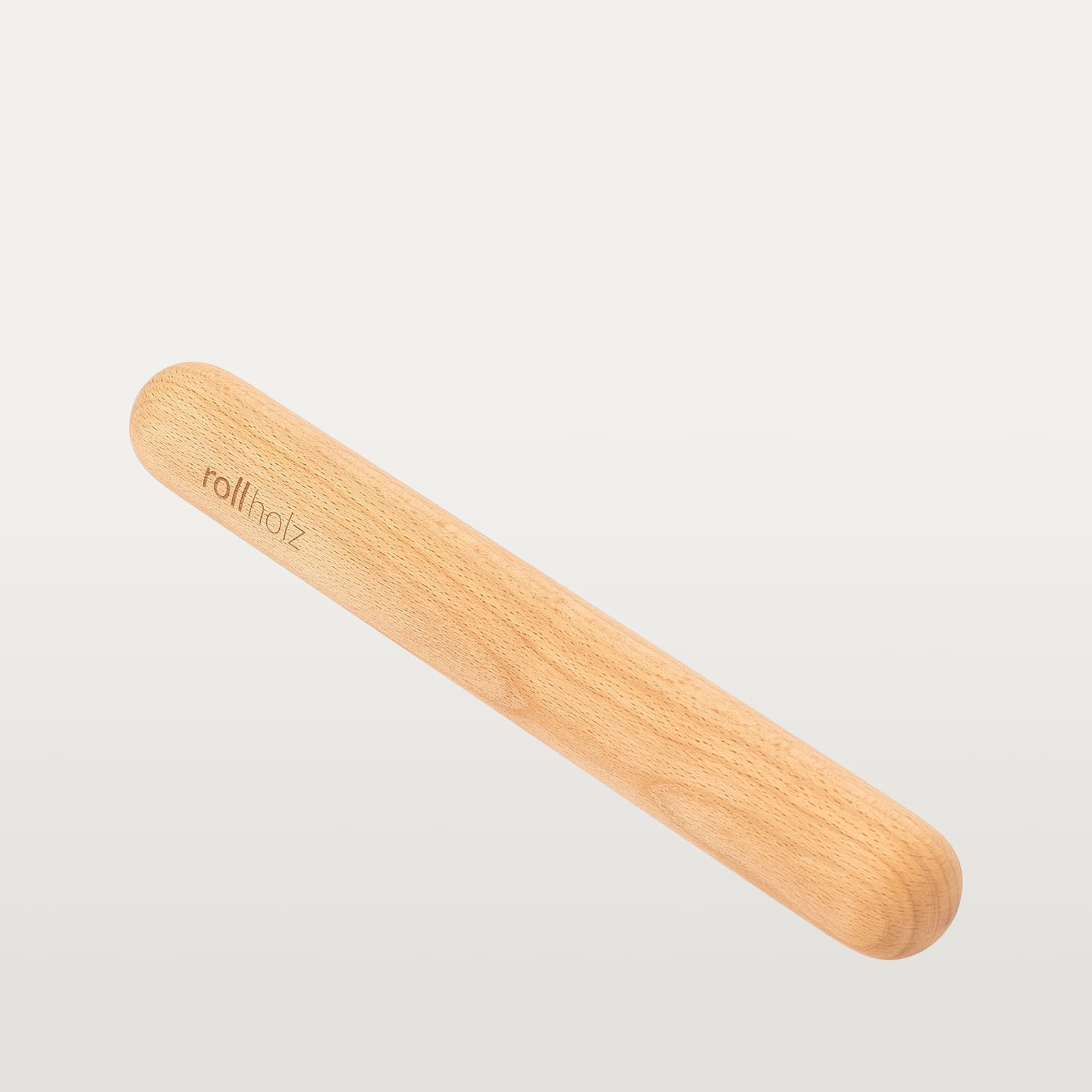
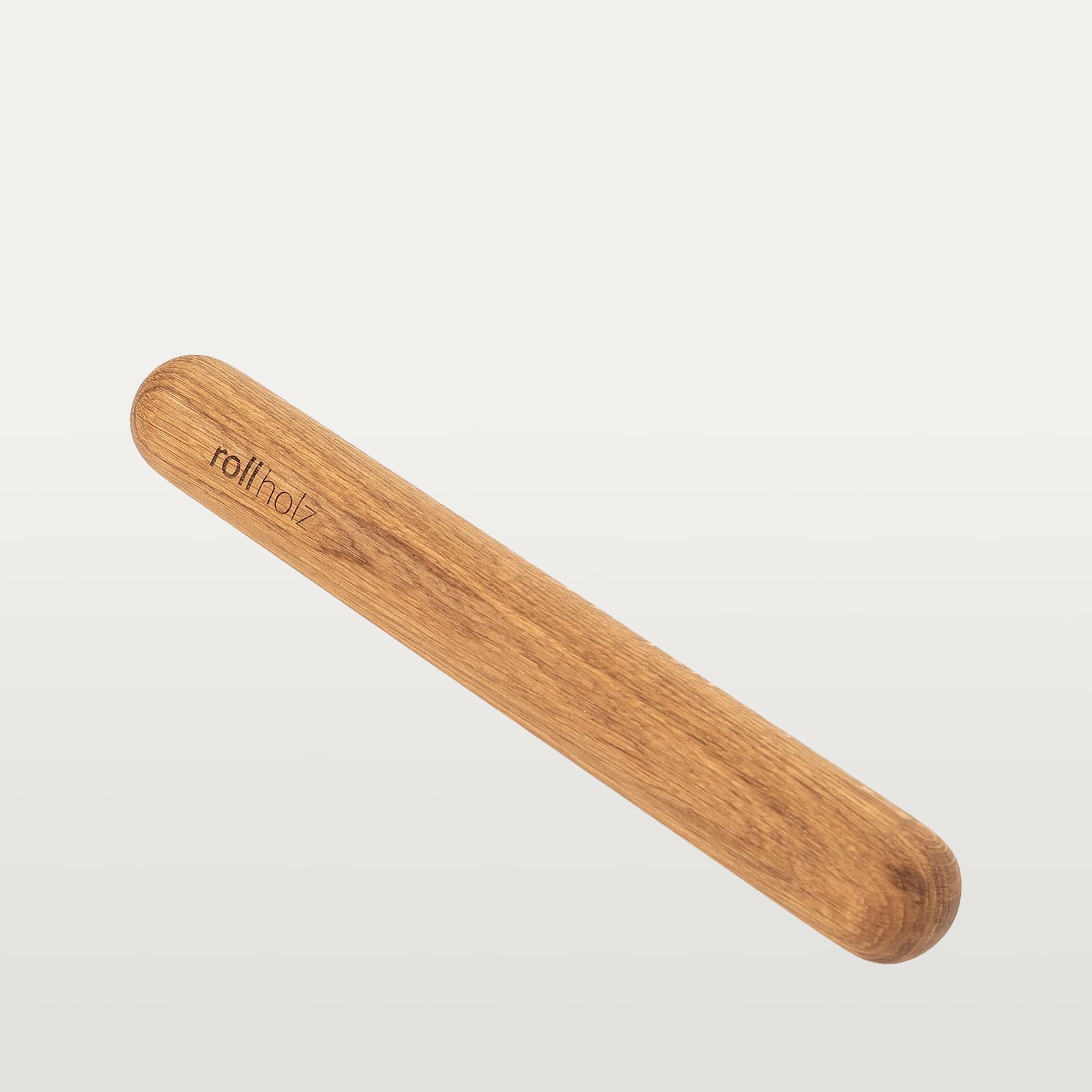
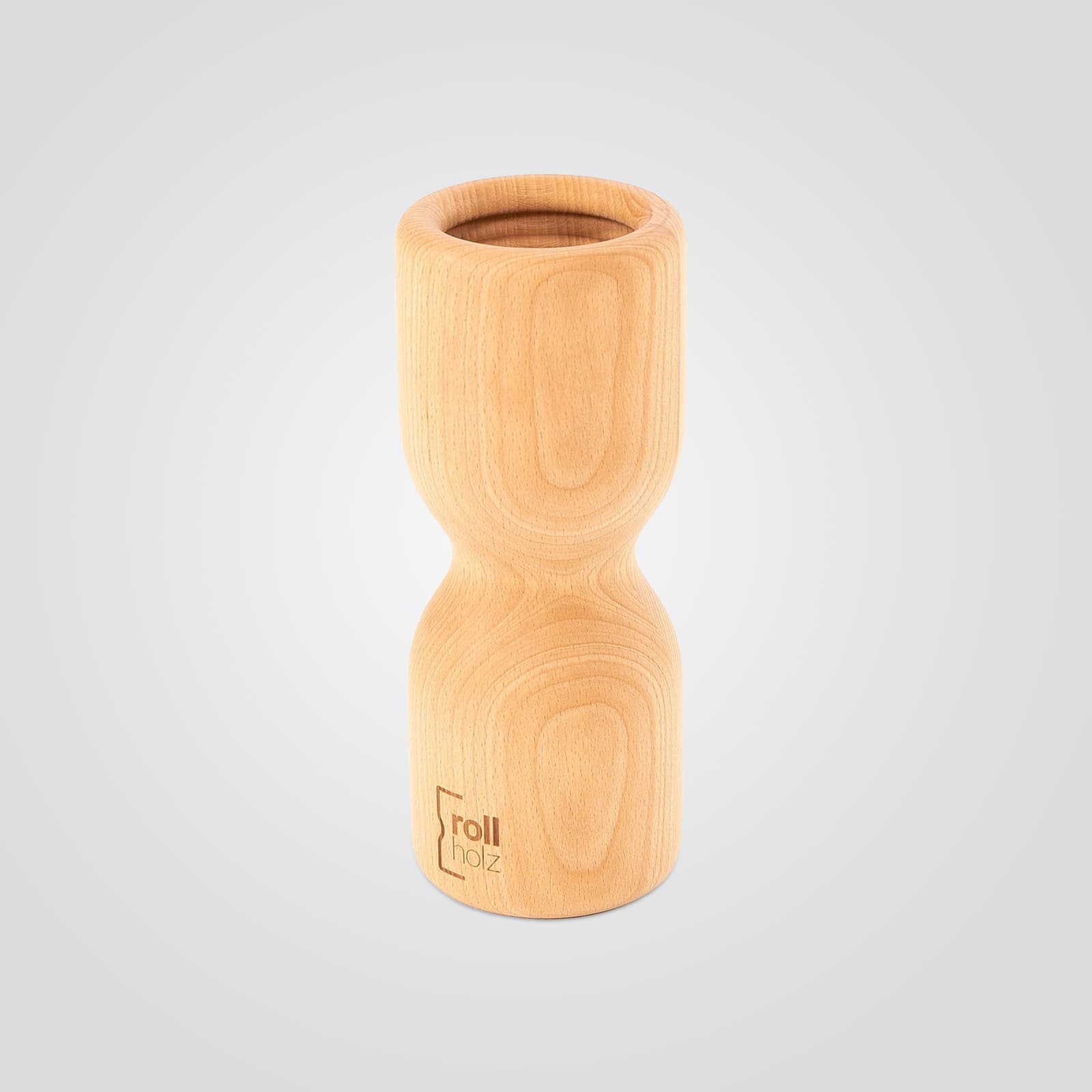
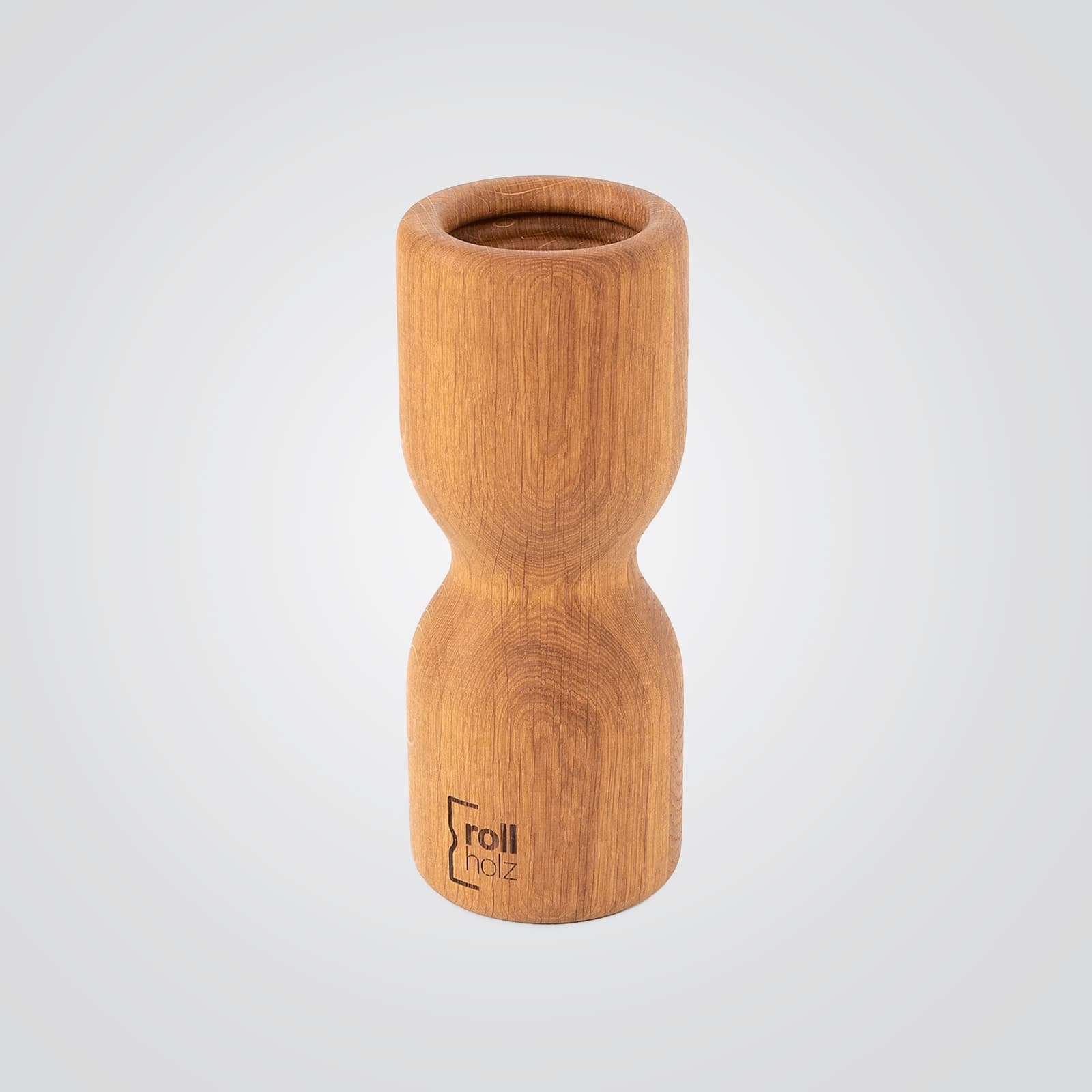
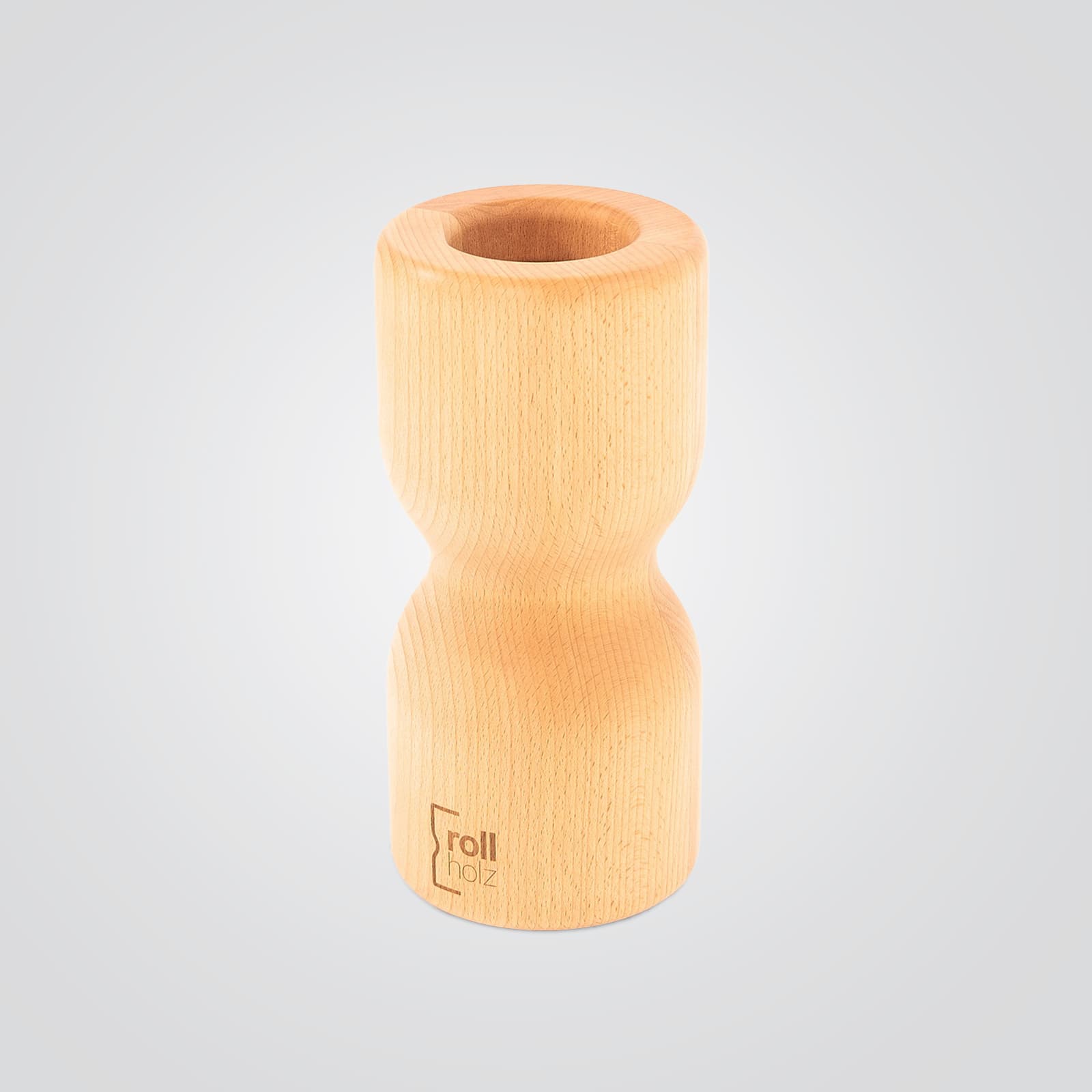
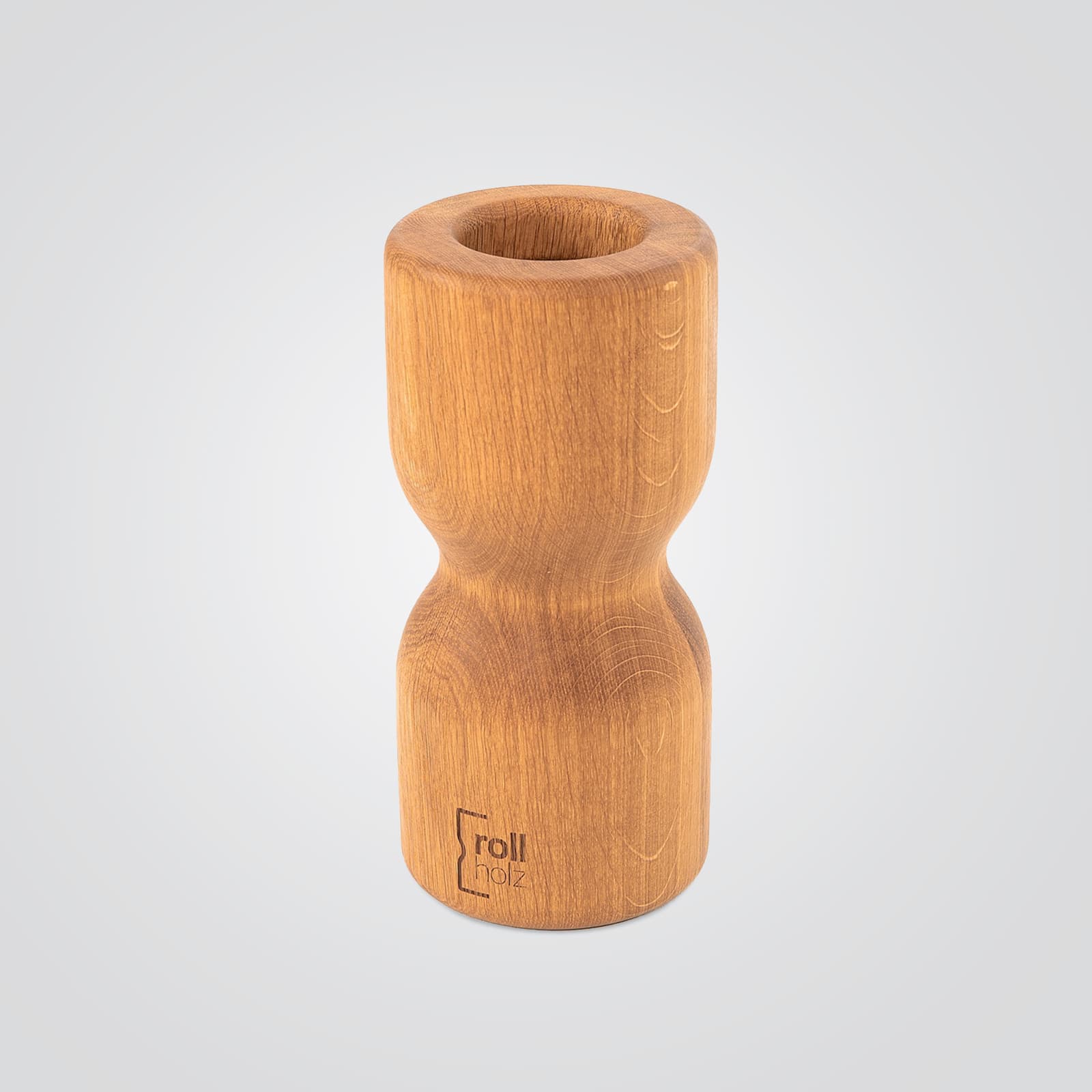
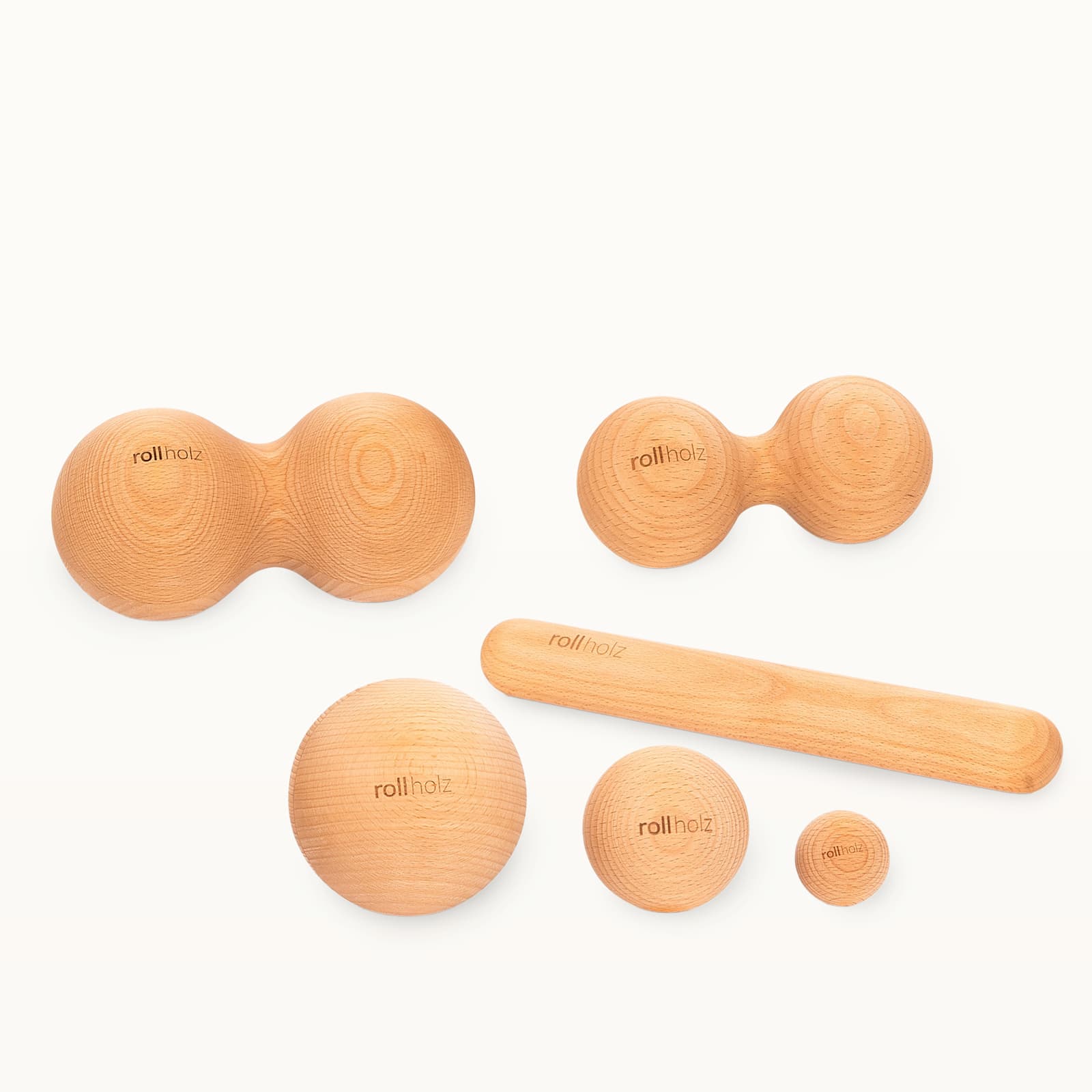
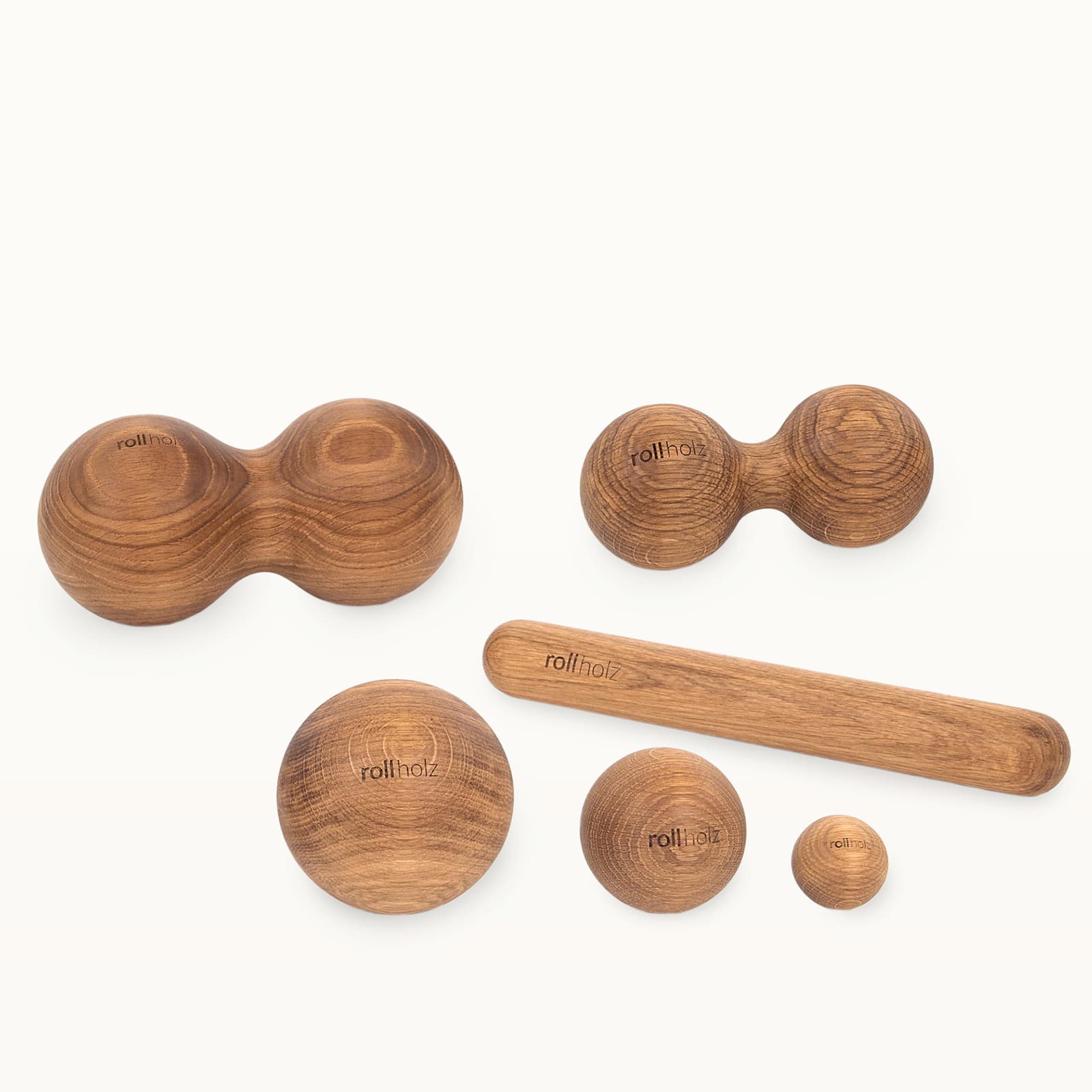
Fascia training: targeted self-massage and mobilisation
Fascia training means working deliberately with the connective network of tissue in the body. Fascia wrap around muscles, link structures together and play an important part in how mobile, stable and free movement feels. Depending on where they sit and what they do, fascia differ in structure: some layers are softer and more mobile, others denser and more closely tied to muscles, tendons and the transfer of force.
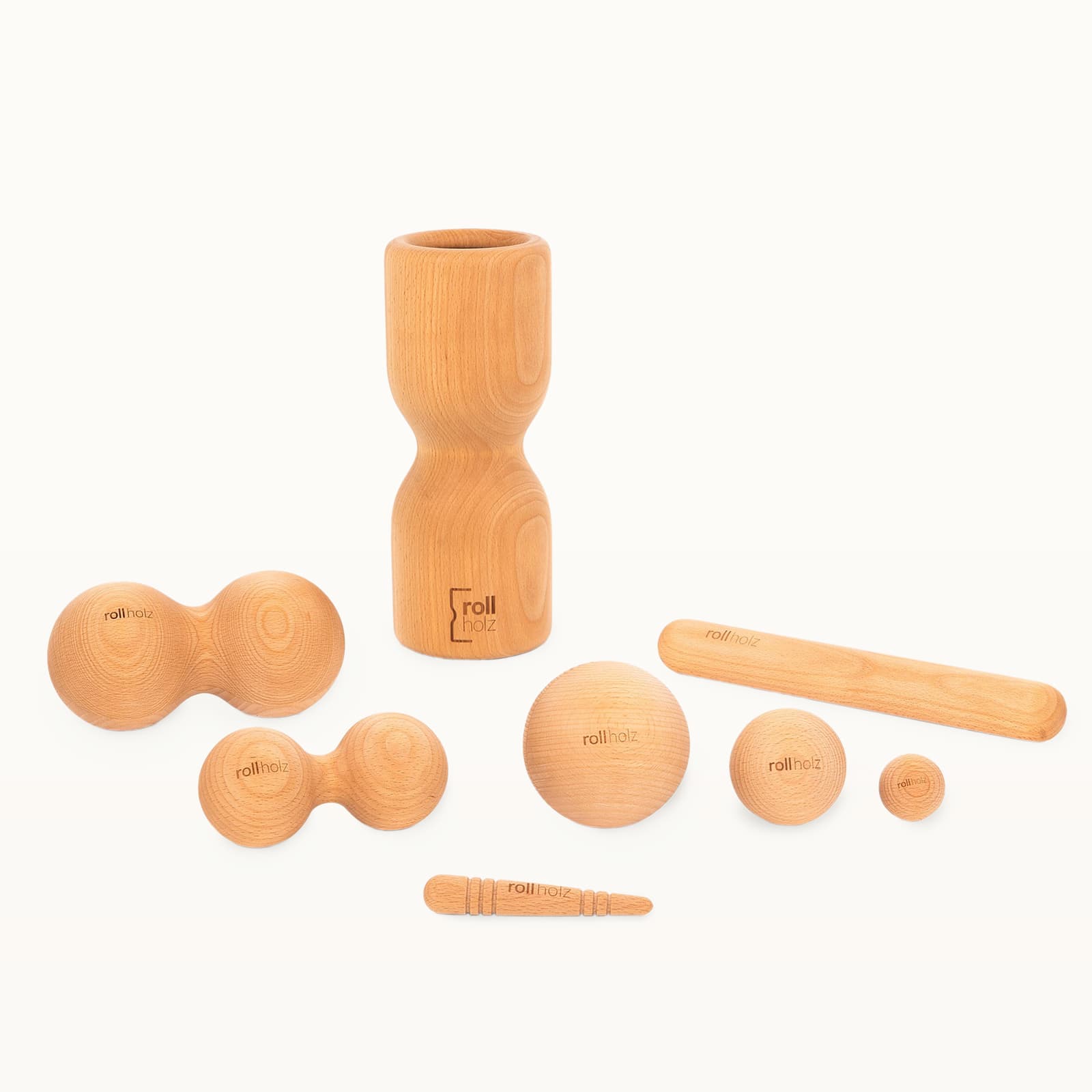
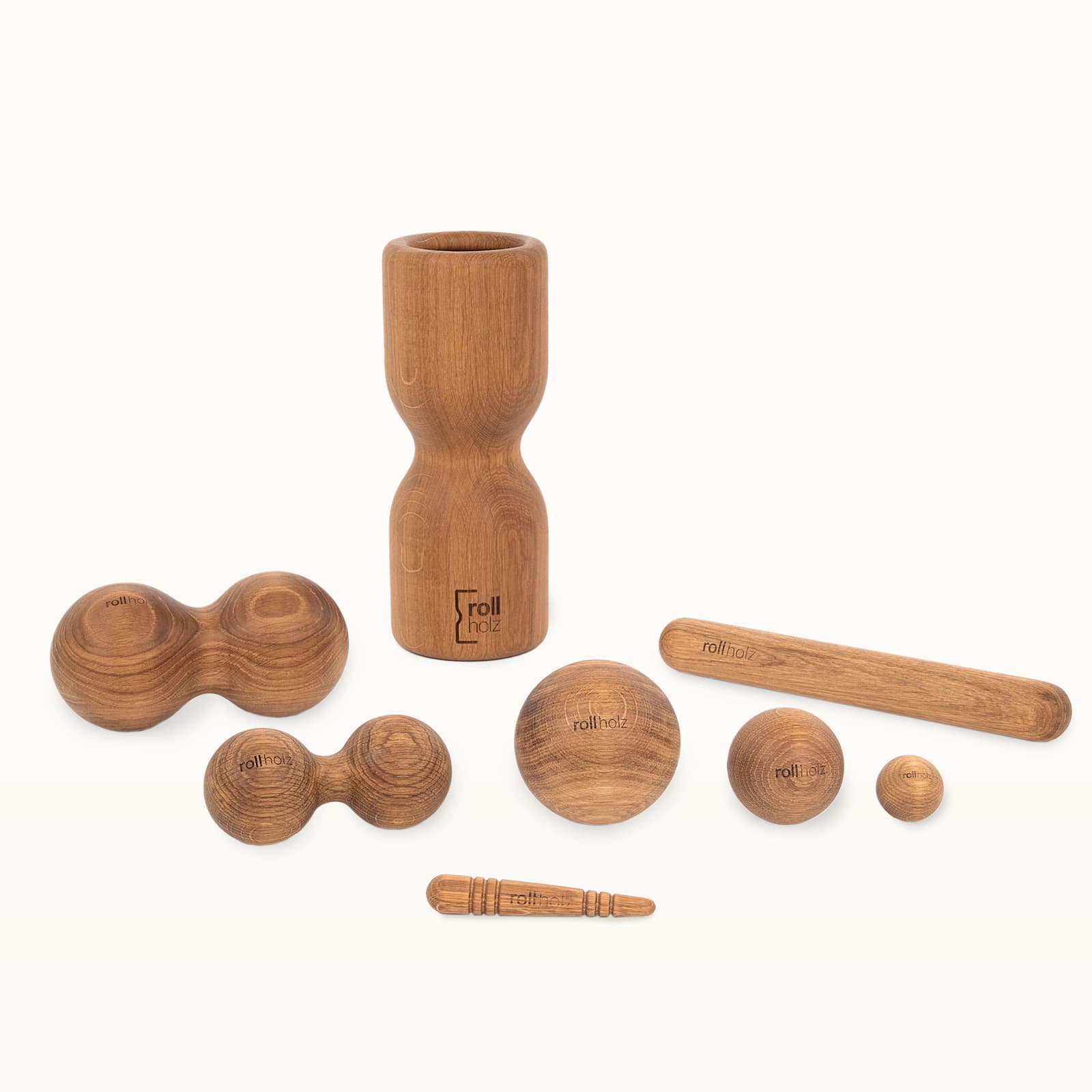
With the rollholz fascia tools you can aim your fascia training at different parts of this system. Through pressure, angle and body weight you decide how intense it gets – from broad massage with the fascia roller to precise work with a fascia ball, double ball or trigger stick.
Superficial fascia: moving tissue, sharpening awareness
The superficial fascia (fascia superficialis) lies directly under the skin and connects with loose connective tissue, fat tissue, nerves and vessels. It's meant to glide, shift and adapt to movement. After long periods of sitting, little movement or one-sided load in particular, it can be worth moving these superficial layers more consciously as part of your fascia training.
For that, tools that let you meter the pressure well are the ones to reach for. A fascia ball, the mini roller or a fascia roller can help mobilise the skin and tissue layers, gently or more intensely. The point isn't to "press something away", but to give the body a clear mechanical stimulus.
Deep fascia: muscles, force transfer and mobility
The deep fascia (fascia profunda) wraps around muscles, muscle groups, tendons and ligaments. It's denser in structure and more closely connected to movement, body tension and the transfer of force. When muscles work, it isn't only individual fibres that move – the surrounding connective tissue also has to take up tension and pass forces on.
For larger muscle areas such as back, thighs, calves or glutes, the rollholz fascia roller is particularly well suited. It spreads the pressure over a wider area and fits easily into a regular fascia or recovery routine. Fascia balls and the trigger stick make sense when you want to work more precisely – on individual spots, for instance, that feel tight or hard to reach.
Which tool suits which area?
The fascia roller is best for larger surfaces and muscle groups. With it you can work the back, legs or calves evenly and control the intensity well through your body weight.
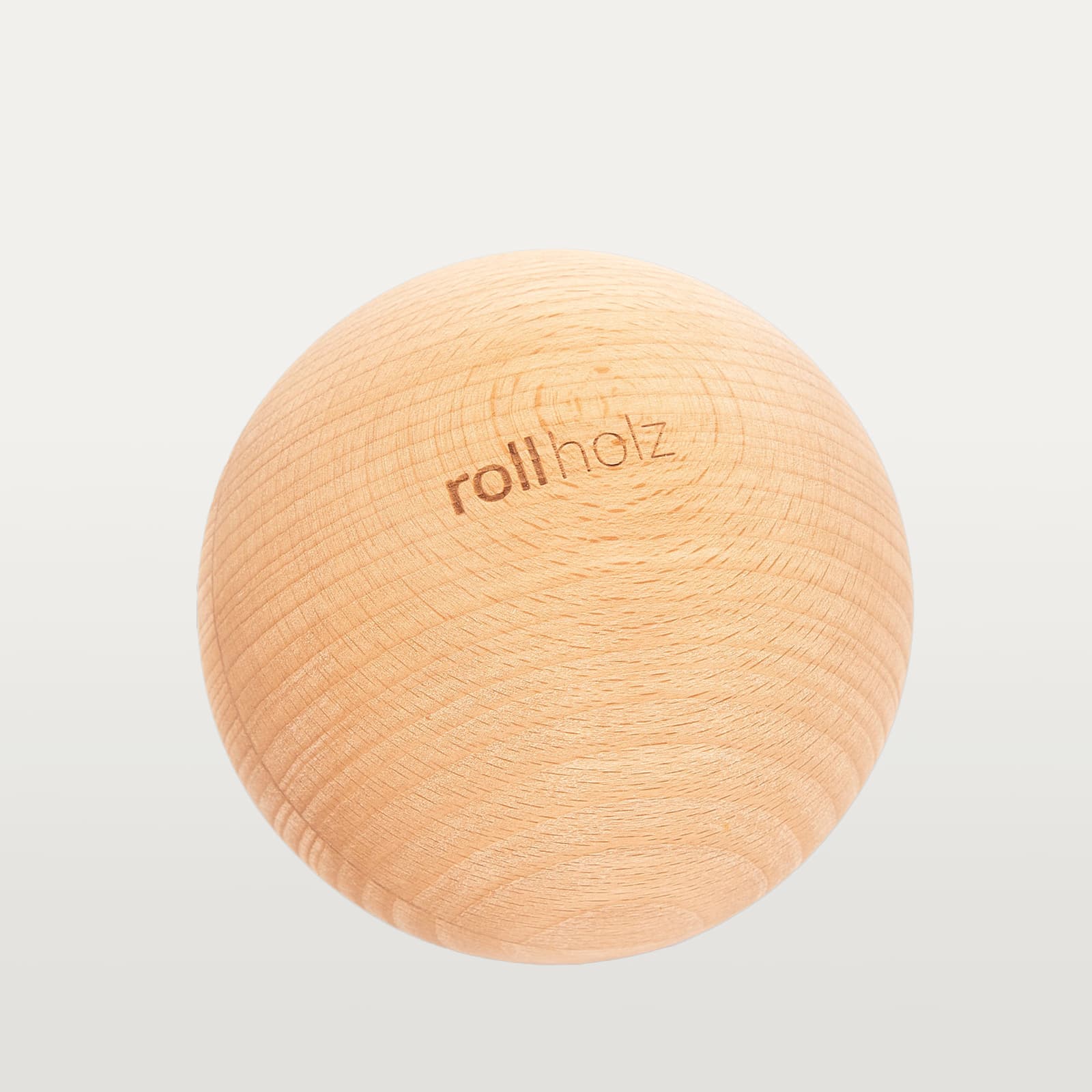
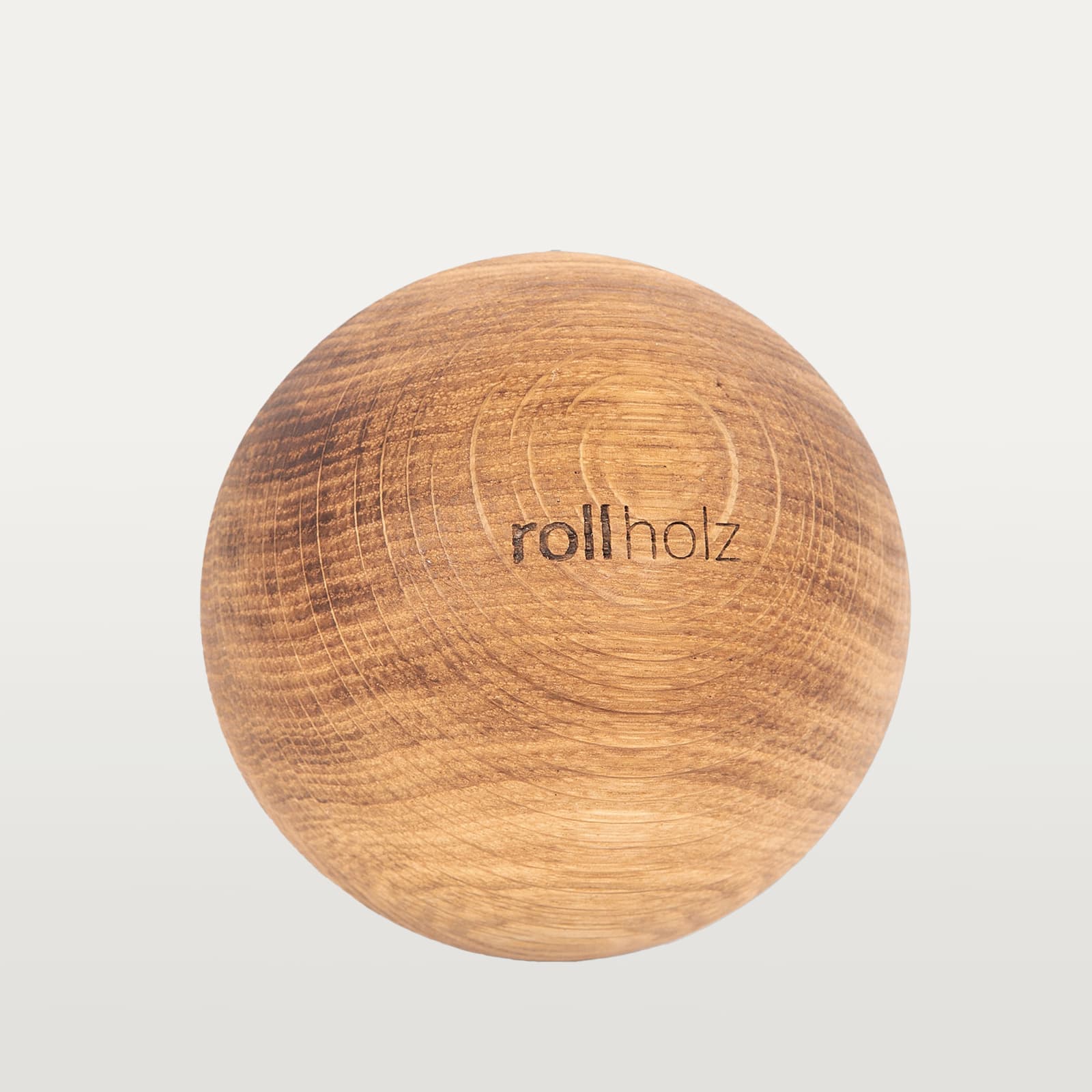
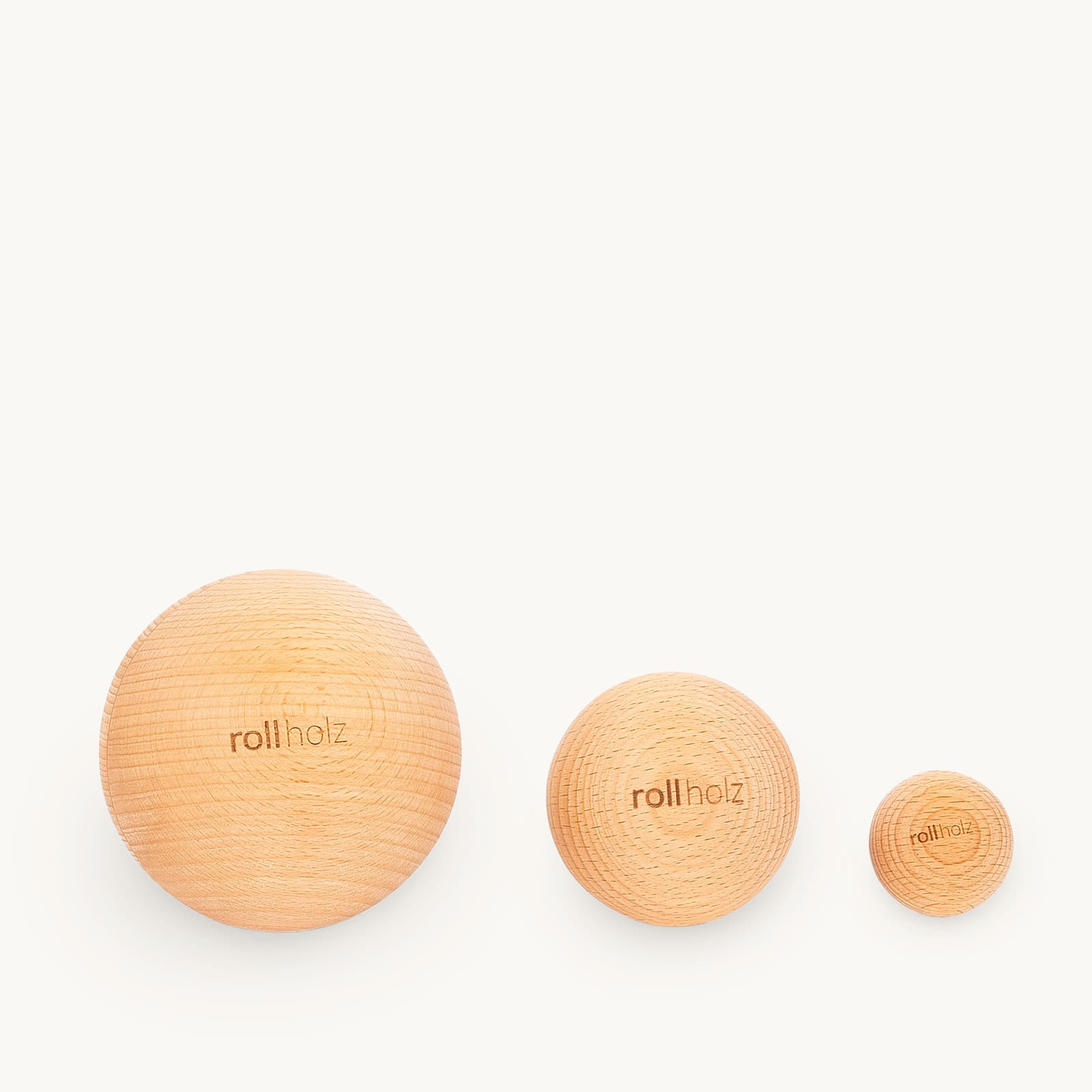
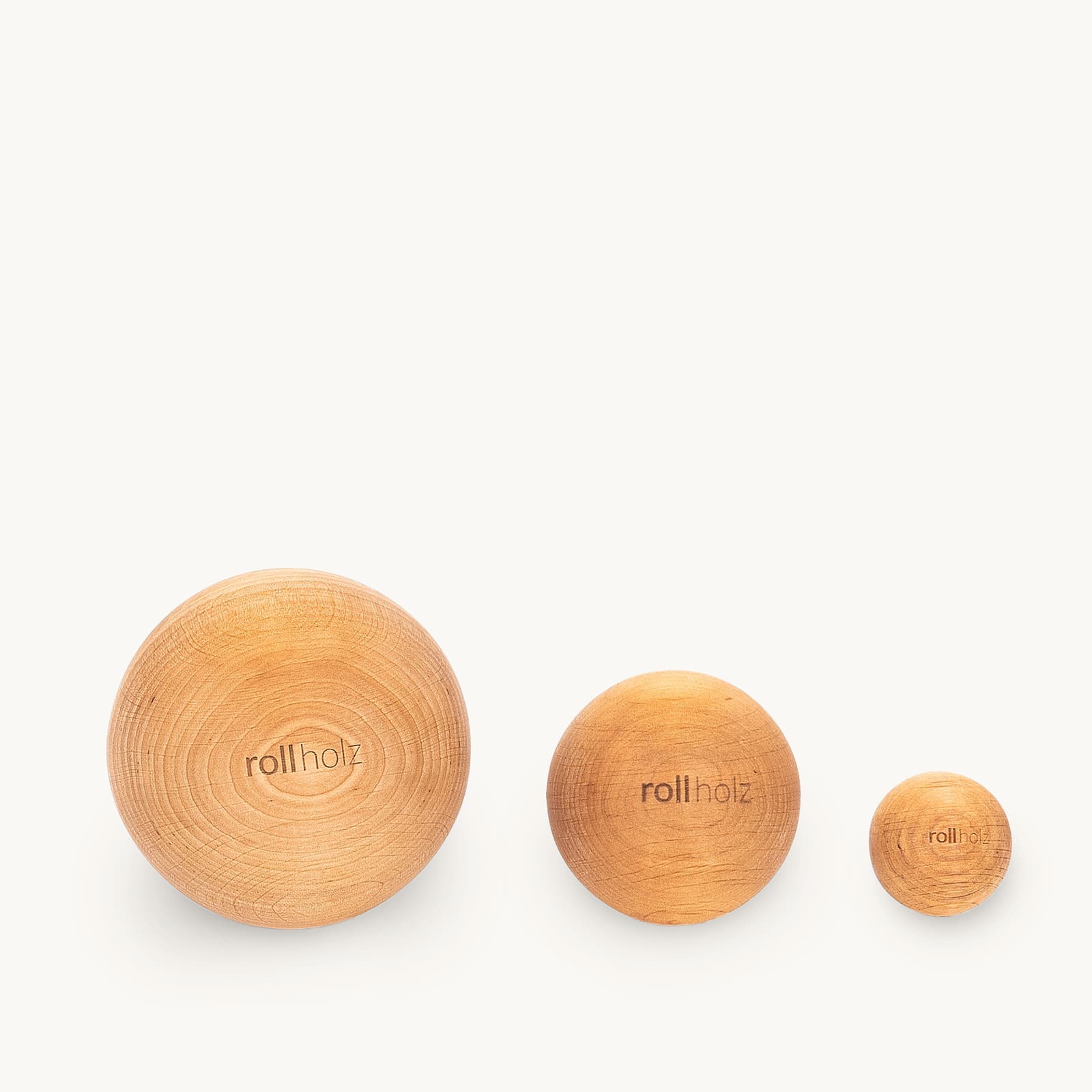
Fascia balls are ideal for smaller areas such as the sole of the foot, shoulder, glutes or chest muscles. The smaller the ball, the more pinpoint the pressure. Larger balls spread the stimulus a little more softly and work well for sensitive areas or for getting started.
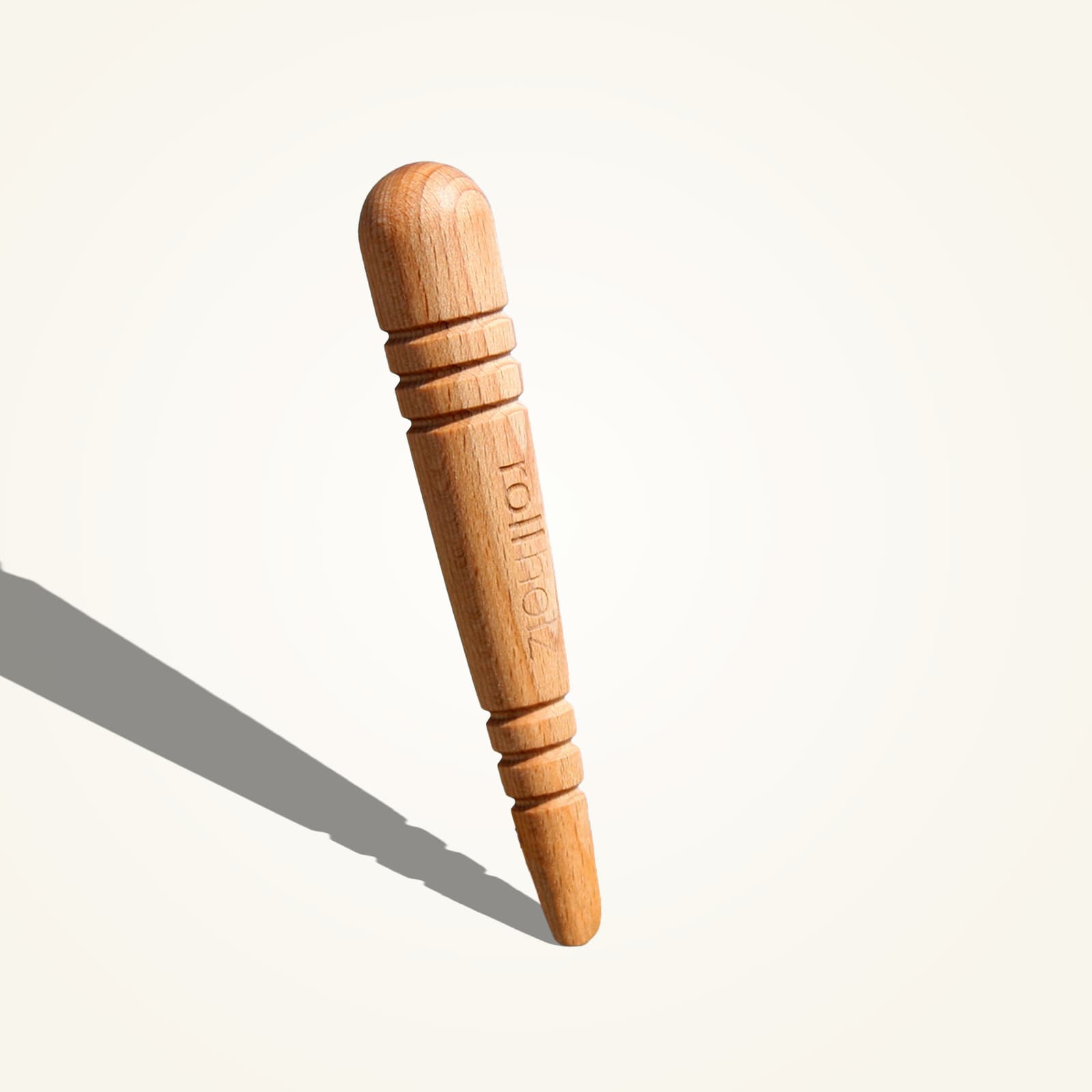
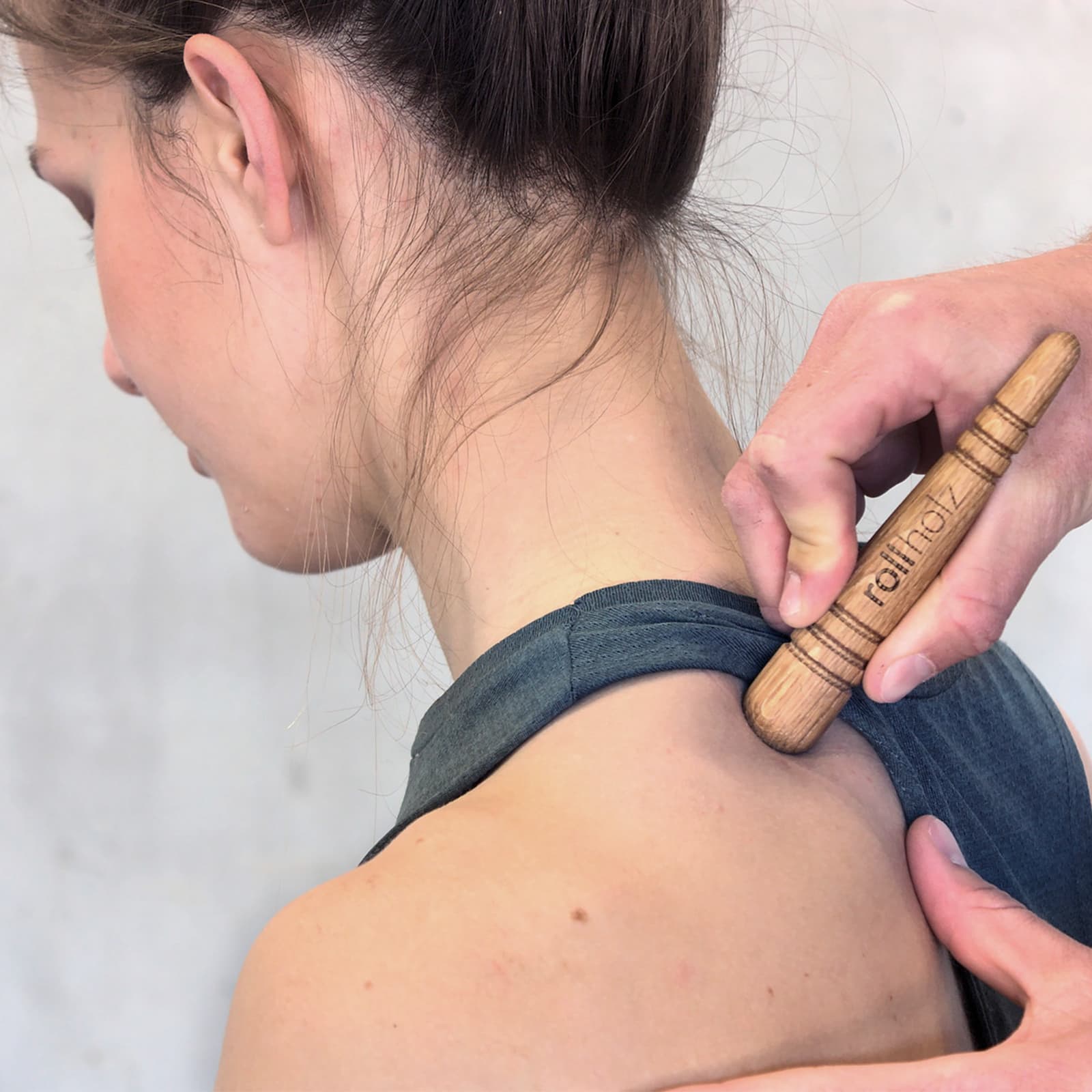
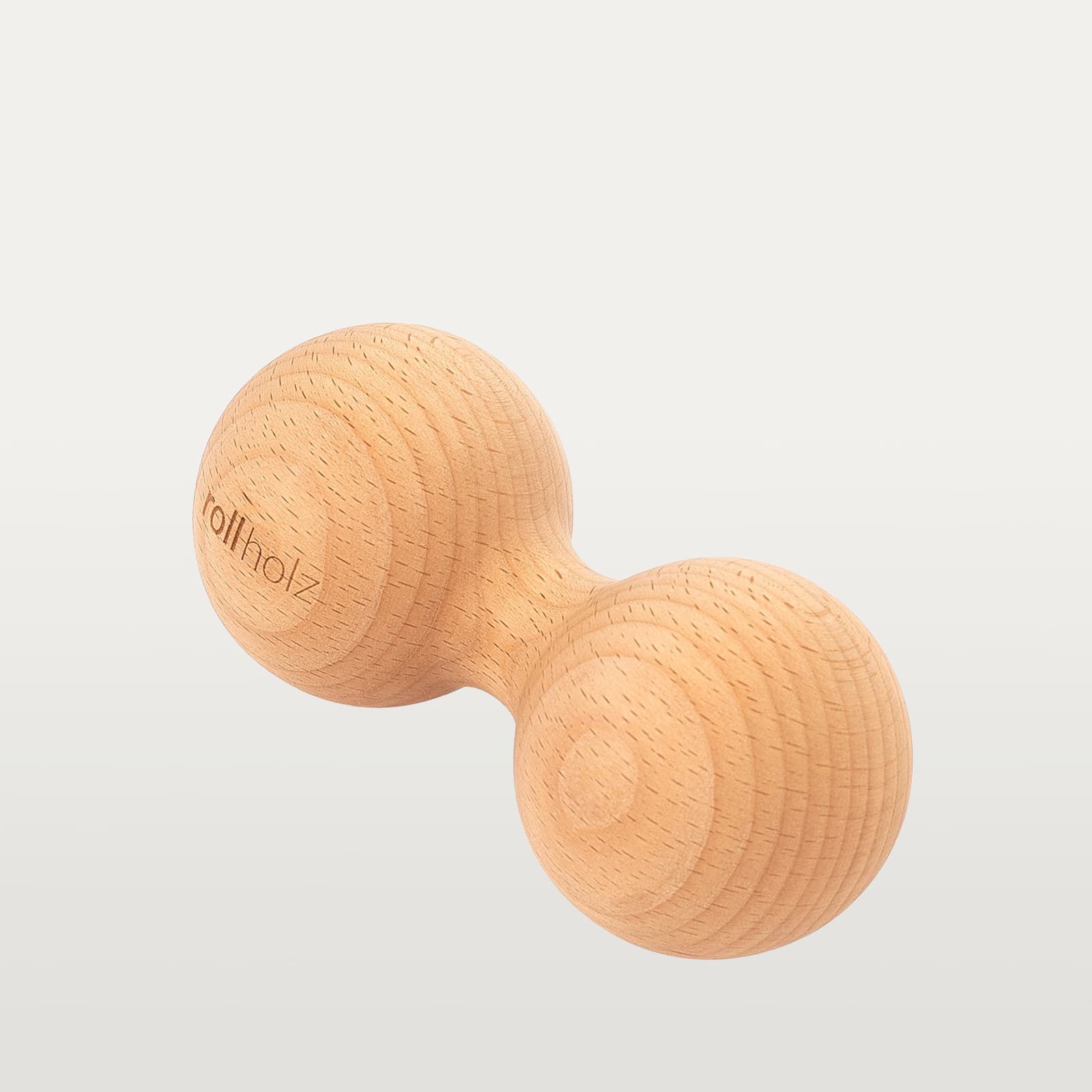
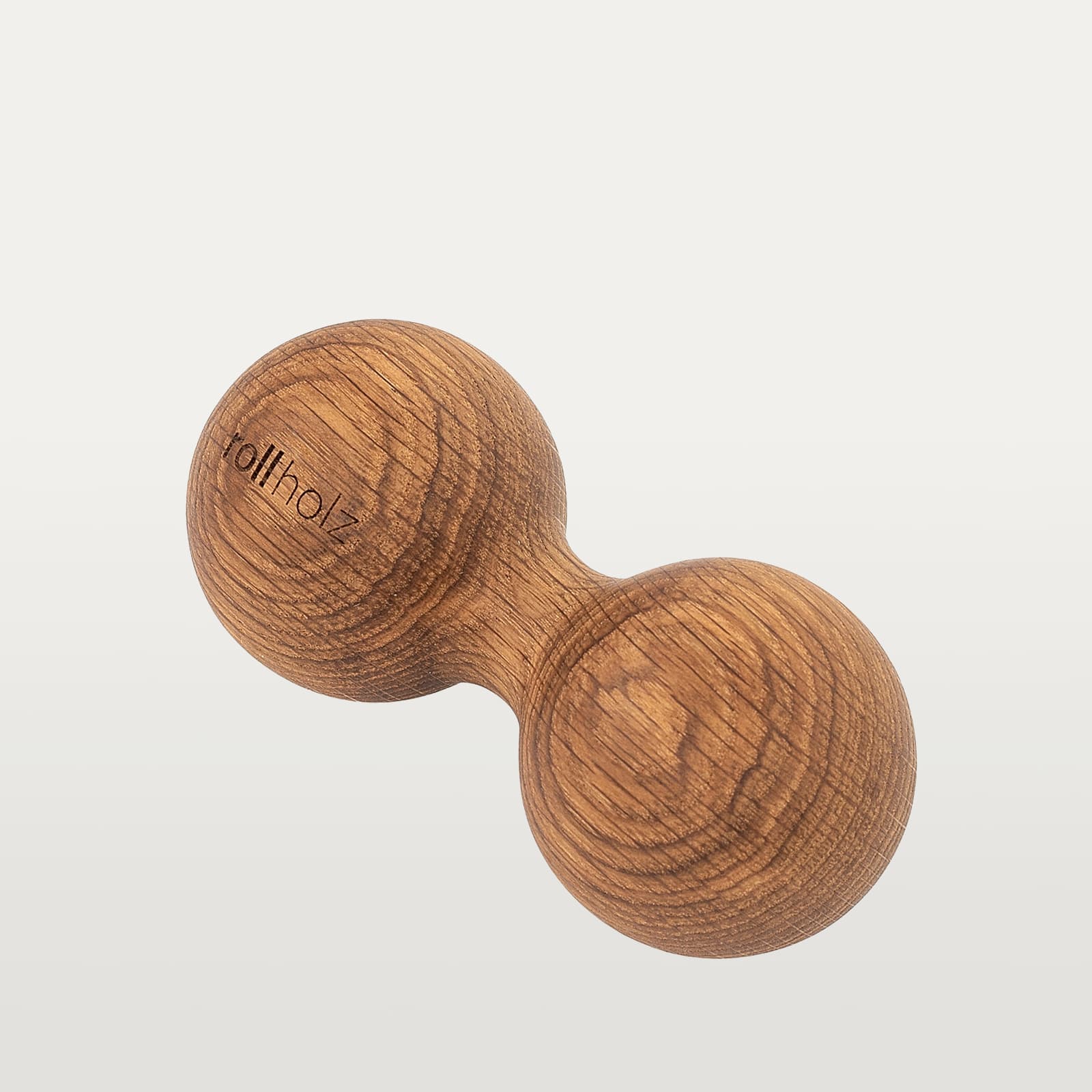
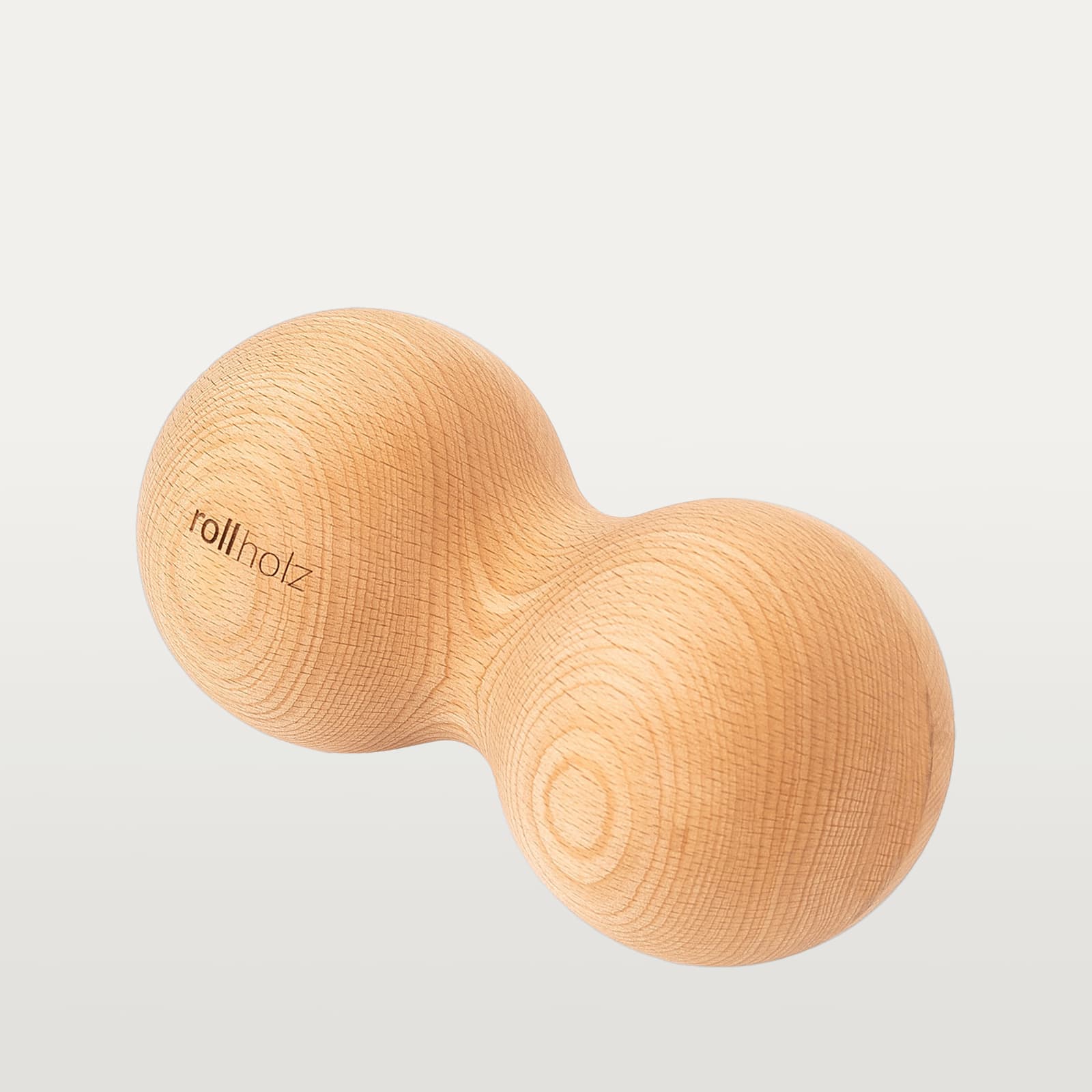
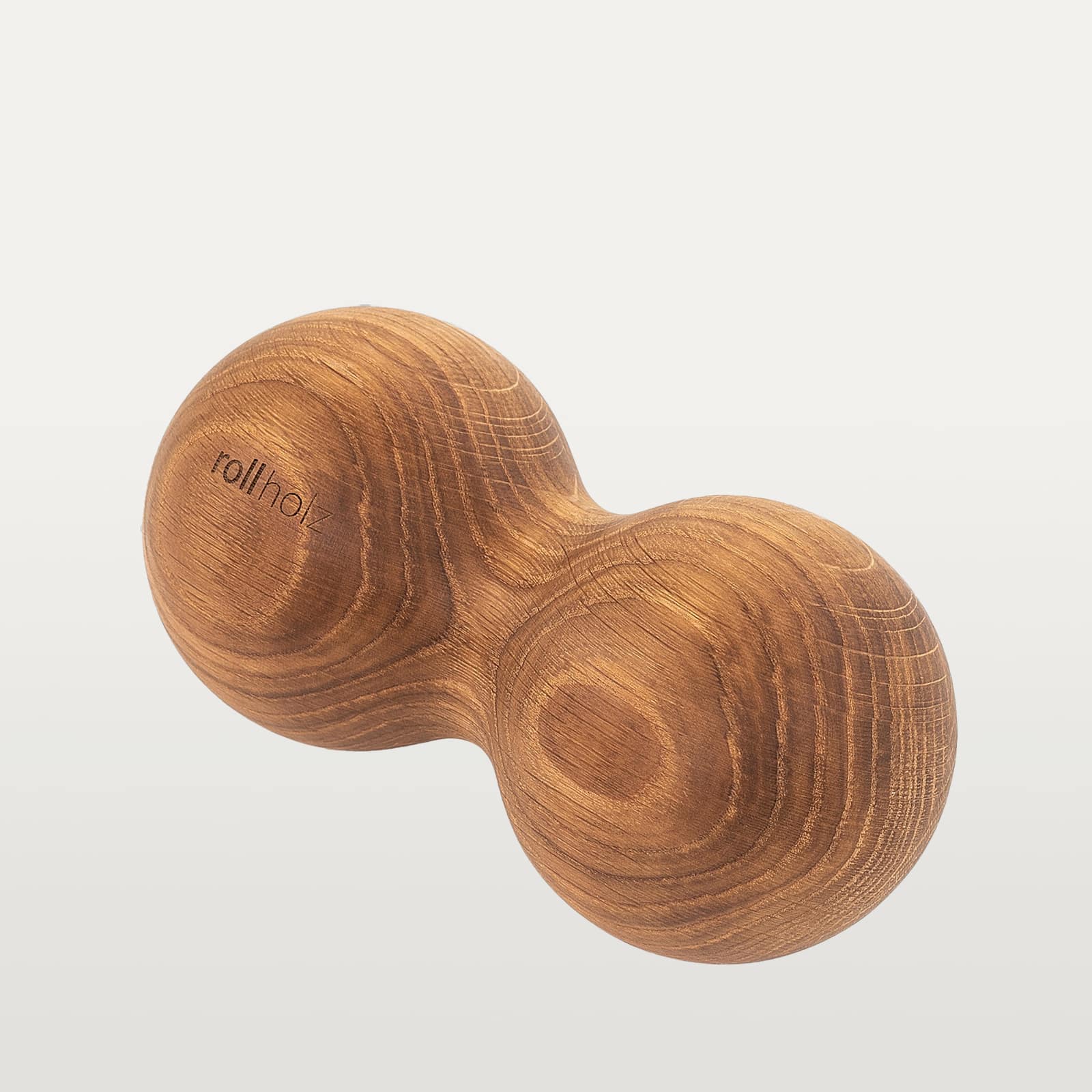
The double ball is particularly handy for back and neck, because it works either side of the spine and leaves the middle free. The trigger stick is the most precise tool of the lot and helps you work on individual points of tension under control, without having to put much force through your fingers or hands.
Fascia training: myofascial release, simply explained
The technical term for this kind of self-massage is myofascial release – roughly, "releasing muscles and fascia". You apply body weight or targeted pressure to a point, hold the position and let the tension deliberately ease. Regular fascia training can help loosen stuck or hardened layers of tissue, get the blood moving and improve mobility over the long run.
To get started, 5 to 10 minutes, two or three times a week, is plenty. Fascia training works best when you go slowly, breathe consciously and pause briefly on painful spots rather than immediately increasing the pressure.
Why fascia tools made of wood?
Wood gives clear kinetic feedback. That lets you steer the pressure consciously and feel precisely how your body responds.
Our fascia tools are made for people who train regularly, or who simply want more flexibility and a better sense of their own body. You'll find our full fascia range – from a single fascia roller to the complete fascia training set – further up this page.
Faszienrolle: die passende Übung für deinen Körperbereich
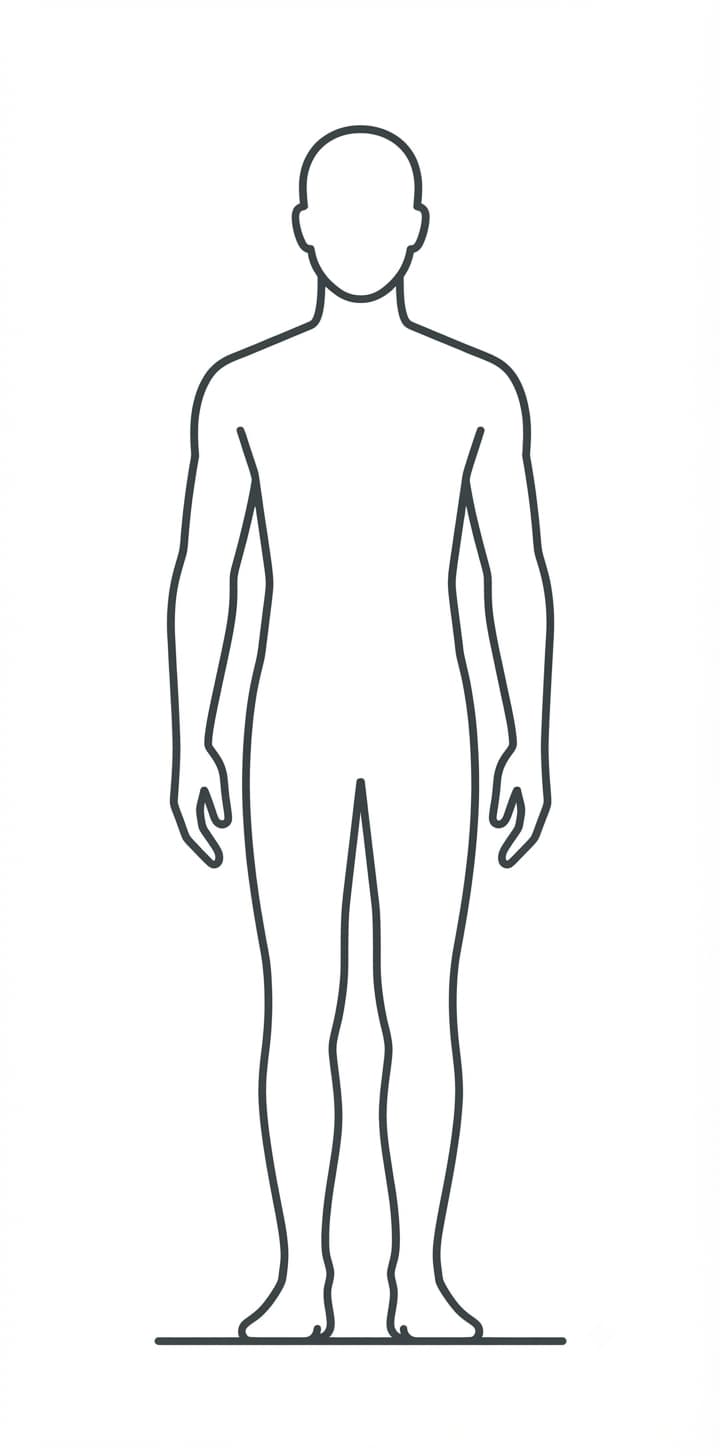
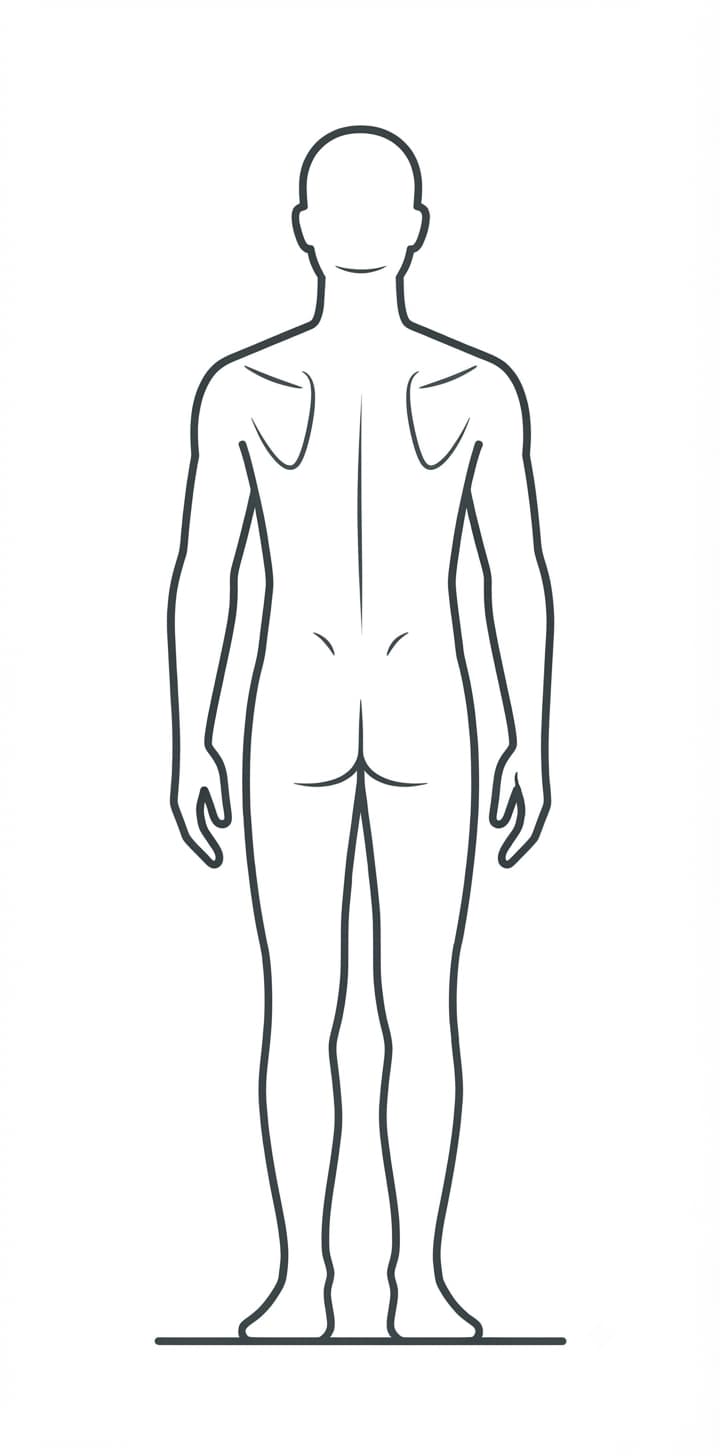
Fahre mit der Maus über einen Punkt
Rücken
Diese Tools helfen dir dabei:

rollholz original – wooden fascia roller
€99,00

rollholz Pro – light & compact wooden fascia roller
€109,00

Wooden double ball – for neck & back massage
€29,00
Wooden double ball – for neck & back massage
€29,00

Wooden fascia ball – 4, 7 & 10 cm, 5 types of wood
€15,00
Diese Infos könnten dich interessieren:

Gesäßmuskulatur
Diese Tools helfen dir dabei:
rollholz original – wooden fascia roller
€99,00
rollholz Pro – light & compact wooden fascia roller
€109,00
Wooden fascia ball – 4, 7 & 10 cm, 5 types of wood
€15,00
Diese Infos könnten dich interessieren:

Schienbeinmuskulatur
Diese Tools helfen dir dabei:

rollholz mini roller – for foot, calf & forearm
€29,00

Wooden trigger stick – massage stick for trigger point work
€25,00
Diese Infos könnten dich interessieren:

Brustmuskulatur
Diese Tools helfen dir dabei:
Wooden fascia ball – 4, 7 & 10 cm, 5 types of wood
€15,00
Wooden trigger stick – massage stick for trigger point work
€25,00
rollholz mini roller – for foot, calf & forearm
€29,00
Diese Infos könnten dich interessieren:

Fußsole
Diese Tools helfen dir dabei:
rollholz mini roller – for foot, calf & forearm
€29,00
Wooden fascia ball – 4, 7 & 10 cm, 5 types of wood
€15,00
Wooden trigger stick – massage stick for trigger point work
€25,00

Wooden calf stretcher & balance wedge – for squats & ankles
€99,00
Diese Infos könnten dich interessieren:

Oberschenkel
Diese Tools helfen dir dabei:
rollholz original – wooden fascia roller
€99,00
rollholz Pro – light & compact wooden fascia roller
€109,00

Wooden double ball XL – for back & thighs
€59,00
Wooden fascia ball – 4, 7 & 10 cm, 5 types of wood
€15,00
Diese Infos könnten dich interessieren:

Oberschenkel
Diese Tools helfen dir dabei:
rollholz original – wooden fascia roller
€99,00
rollholz Pro – light & compact wooden fascia roller
€109,00
Wooden double ball XL – for back & thighs
€59,00
Wooden fascia ball – 4, 7 & 10 cm, 5 types of wood
€15,00
Diese Infos könnten dich interessieren:
Hand
Diese Tools helfen dir dabei:
Wooden trigger stick – massage stick for trigger point work
€25,00
Wooden fascia ball – 4, 7 & 10 cm, 5 types of wood
€15,00
Wooden double ball – for neck & back massage
€29,00
rollholz mini roller – for foot, calf & forearm
€29,00
Diese Infos könnten dich interessieren:

Achillessehne
Diese Tools helfen dir dabei:
Wooden double ball – for neck & back massage
€29,00
rollholz original – wooden fascia roller
€99,00
rollholz Pro – light & compact wooden fascia roller
€109,00
Wooden double ball XL – for back & thighs
€59,00
Diese Infos könnten dich interessieren:

Wade
Diese Tools helfen dir dabei:
rollholz original – wooden fascia roller
€99,00
rollholz Pro – light & compact wooden fascia roller
€109,00
Wooden double ball XL – for back & thighs
€59,00
rollholz mini roller – for foot, calf & forearm
€29,00
Wooden double ball – for neck & back massage
€29,00
Wooden calf stretcher & balance wedge – for squats & ankles
€99,00
Diese Infos könnten dich interessieren:
Ellenbogen
Diese Tools helfen dir dabei:
Wooden trigger stick – massage stick for trigger point work
€25,00
Wooden fascia ball – 4, 7 & 10 cm, 5 types of wood
€15,00
Wooden double ball – for neck & back massage
€29,00
rollholz mini roller – for foot, calf & forearm
€29,00
Diese Infos könnten dich interessieren:
Kiefer
Diese Tools helfen dir dabei:
Wooden trigger stick – massage stick for trigger point work
€25,00
Wooden fascia ball – 4, 7 & 10 cm, 5 types of wood
€15,00
Diese Infos könnten dich interessieren:

Nacken
Diese Tools helfen dir dabei:
Wooden fascia ball – 4, 7 & 10 cm, 5 types of wood
€15,00
Wooden trigger stick – massage stick for trigger point work
€25,00
rollholz mini roller – for foot, calf & forearm
€29,00
Diese Infos könnten dich interessieren:

Nacken
Diese Tools helfen dir dabei:
Wooden fascia ball – 4, 7 & 10 cm, 5 types of wood
€15,00
Wooden trigger stick – massage stick for trigger point work
€25,00
rollholz mini roller – for foot, calf & forearm
€29,00
Wooden double ball – for neck & back massage
€29,00
Diese Infos könnten dich interessieren:
Schulter
Diese Tools helfen dir dabei:
Wooden double ball XL – for back & thighs
€59,00
rollholz Pro – light & compact wooden fascia roller
€109,00
Wooden fascia ball – 4, 7 & 10 cm, 5 types of wood
€15,00
Wooden double ball – for neck & back massage
€29,00
Diese Infos könnten dich interessieren:

unterer Rücken
Diese Tools helfen dir dabei:
rollholz Pro – light & compact wooden fascia roller
€109,00
Wooden double ball – for neck & back massage
€29,00
Wooden double ball XL – for back & thighs
€59,00
Diese Infos könnten dich interessieren:

Faszientraining: Myofascial Release einfach erklärt
Der Fachbegriff für diese Art der Selbstmassage lautet Myofascial Release – zu Deutsch etwa „Lösen von Muskeln und Faszien". Dabei setzt du mit Körpergewicht oder gezieltem Druck an einem Punkt an, hältst die Position und lässt die Spannung bewusst nach. Regelmäßiges Faszientraining kann helfen, verklebte oder verhärtete Gewebeschichten zu lockern, die Durchblutung anzuregen und die Beweglichkeit langfristig zu verbessern.
Für den Einstieg reichen schon 5 bis 10 Minuten, zwei- bis dreimal pro Woche. Am effektivsten ist Faszientraining, wenn du langsam arbeitest, bewusst atmest und an schmerzhaften Stellen kurz verweilst, statt den Druck sofort zu erhöhen.
Warum Faszientools aus Holz?
Holz gibt ein klares kinetisches Feedback. Dadurch kannst du den Druck bewusst steuern und sehr genau spüren, wie dein Körper auf die Anwendung reagiert.
Unsere Faszientools sind für Menschen gemacht, die ihren Körper regelmäßig trainieren oder einfach mehr Flexibilität und ein gutes Körpergefühl aufbauen möchten. Du findest unser komplettes Sortiment fürs Faszientraining – von der einzelnen Faszienrolle bis zum kompletten Faszientraining-Set – weiter oben auf dieser Seite.
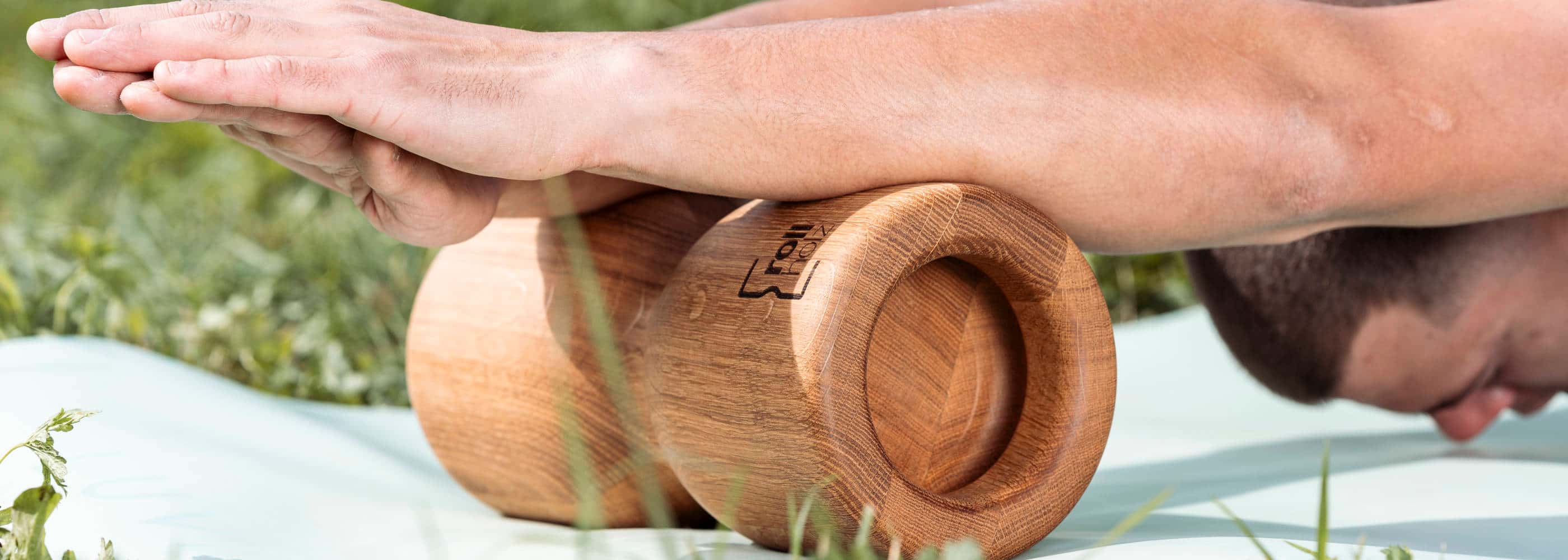
Perfect for the back, arms, thighs and calves. For especially pleasant, gentle massage sessions that still support your mobility and recovery.


