

For many, a stiff neck is part of everyday life – after a long day at the desk, after stress, or simply after a night in the wrong position. Often, a combination of targeted exercises and a little patience is enough to relieve neck tension. In this article, we'll show you why the neck gets tense so quickly, which exercises can really help, and when you should consult a doctor or physiotherapist.
Why your neck and shoulders get tense so quickly
The neck muscles constantly bear the weight of the head – several kilograms in an upright posture, significantly more when the head is tilted forward (e.g., when looking at a smartphone). If this is combined with hours of sitting, little movement, or psychological stress, the muscles often react with increased basic tension. This tension frequently extends into the shoulders and shoulder blade because the neck and shoulder muscles work closely together.
A stiff neck is therefore rarely an isolated problem – usually, posture, lack of movement, and strain throughout the day play a role.
5 exercises for neck tension
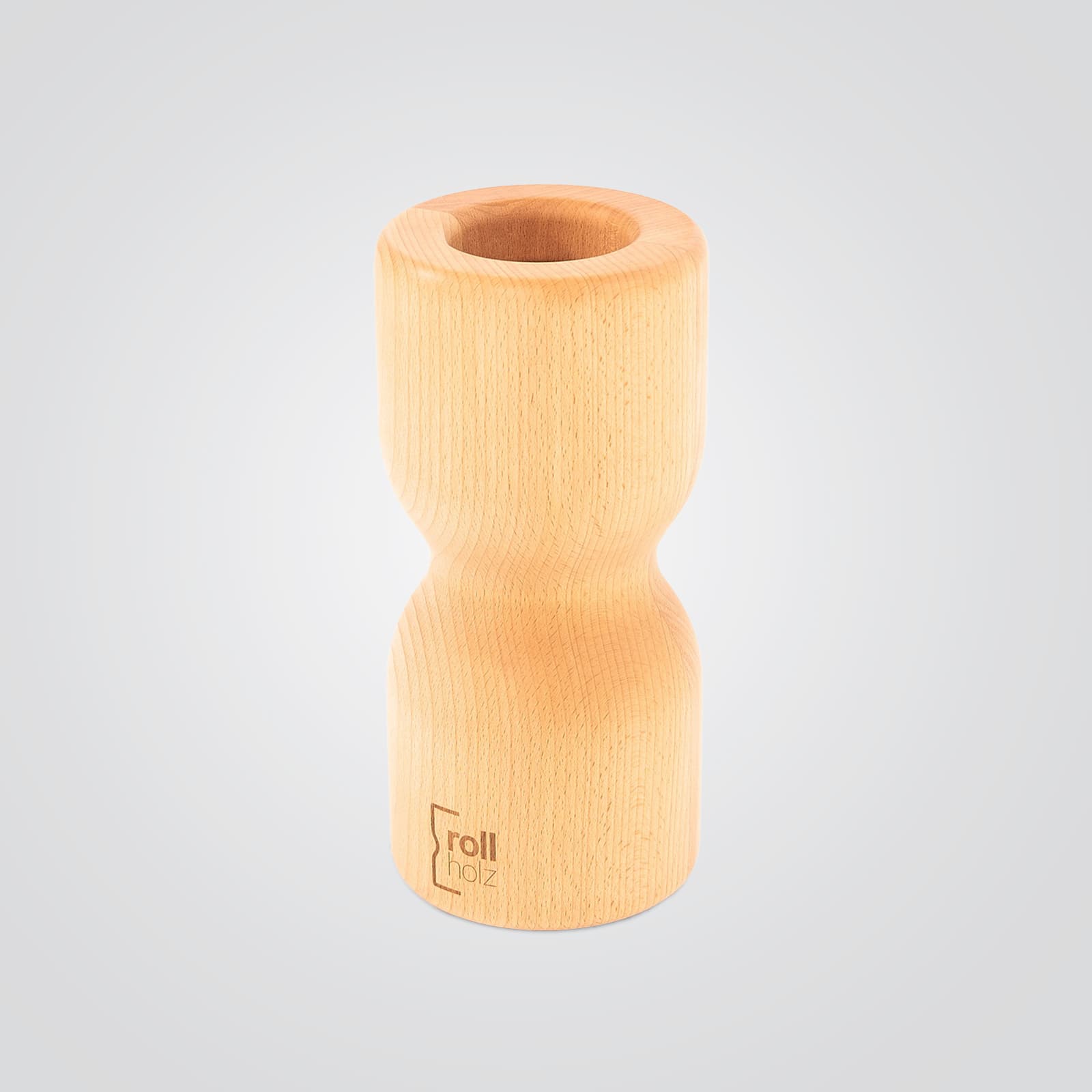
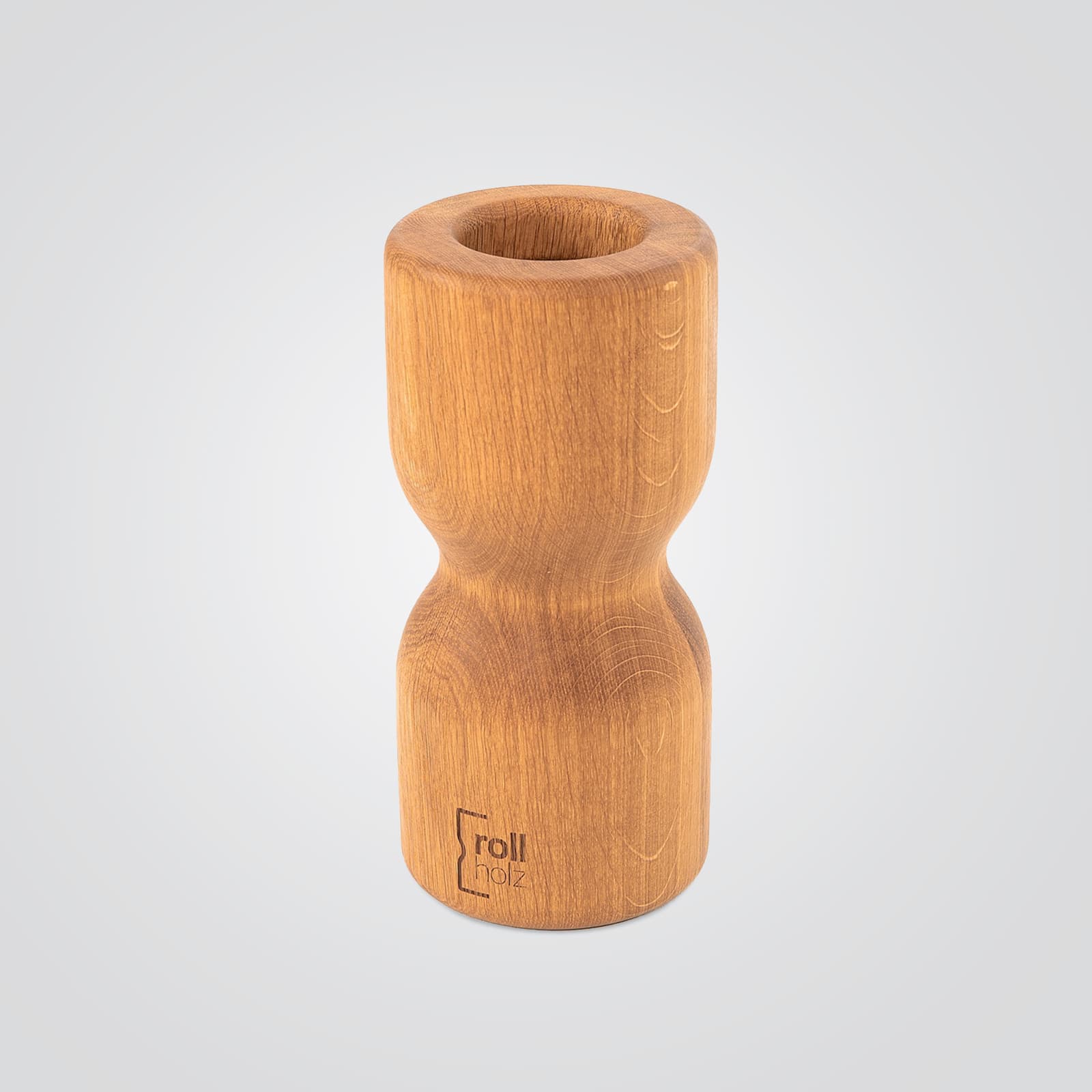
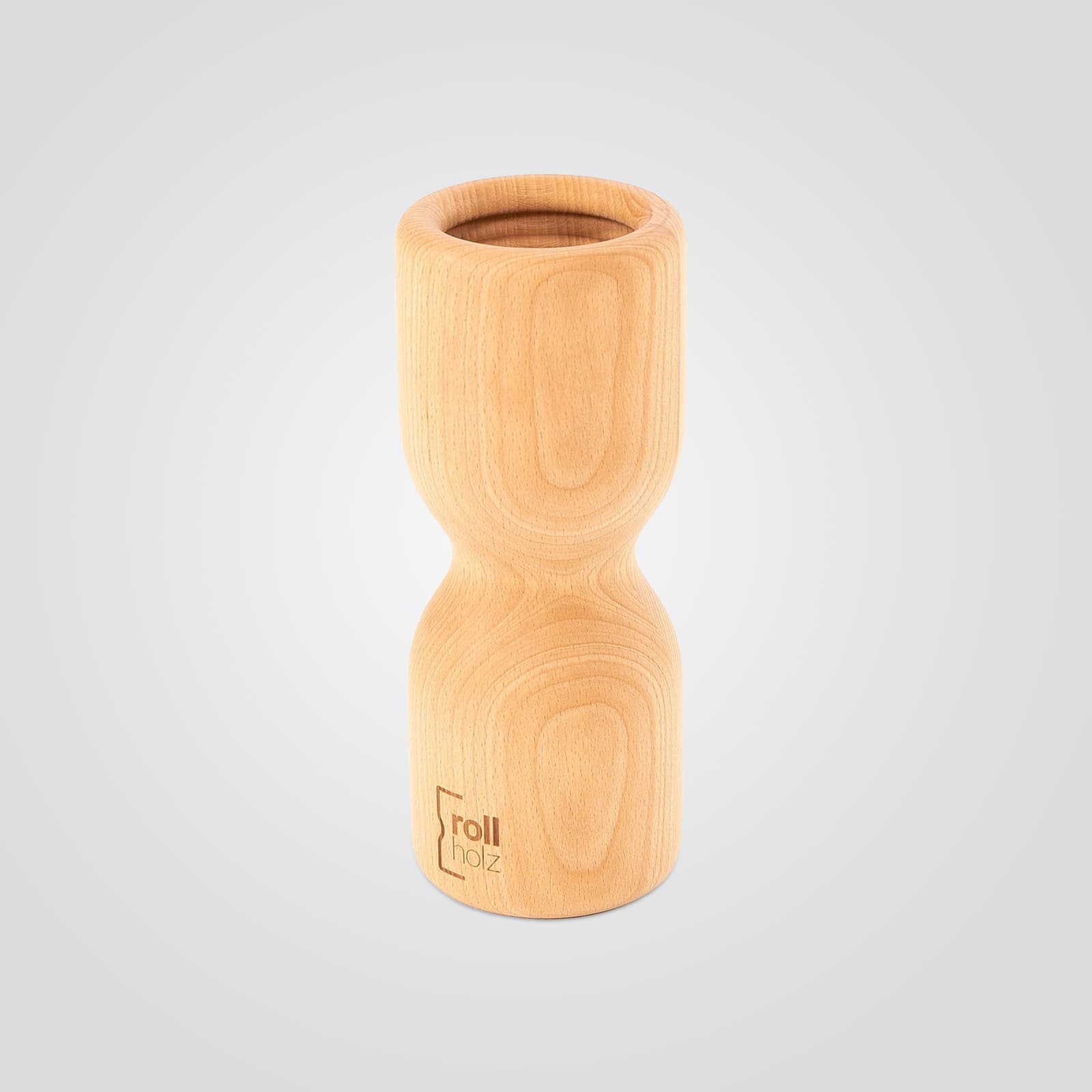
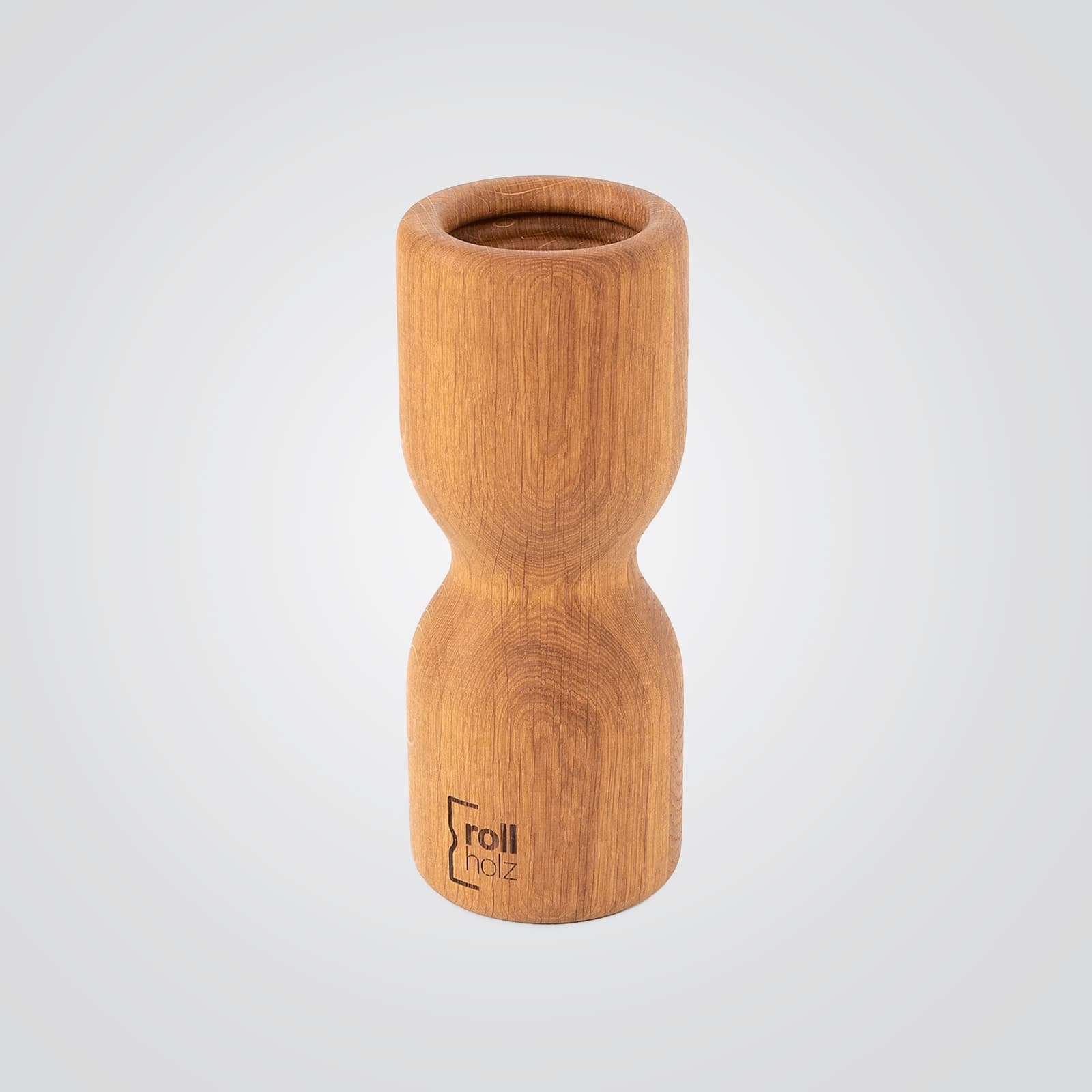
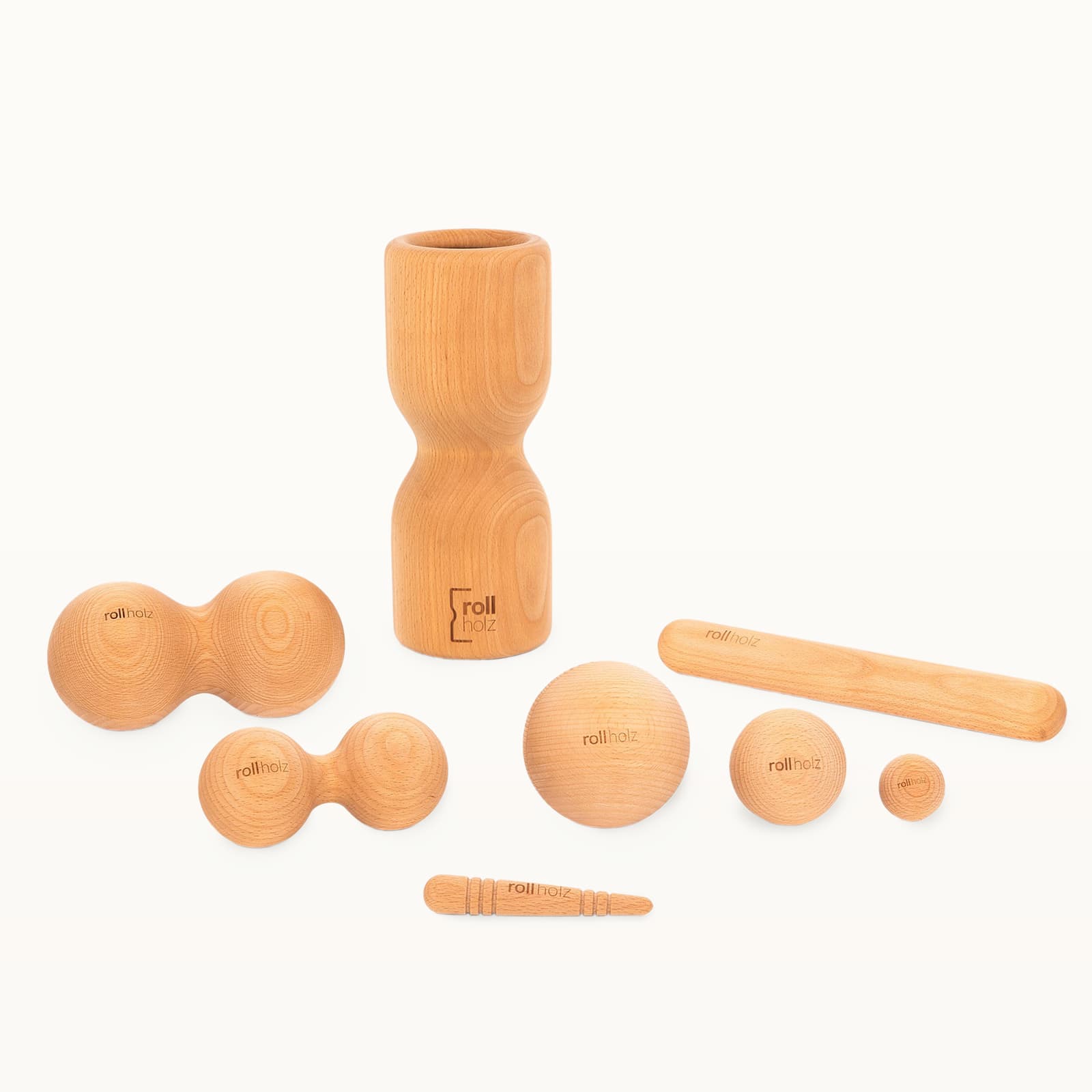
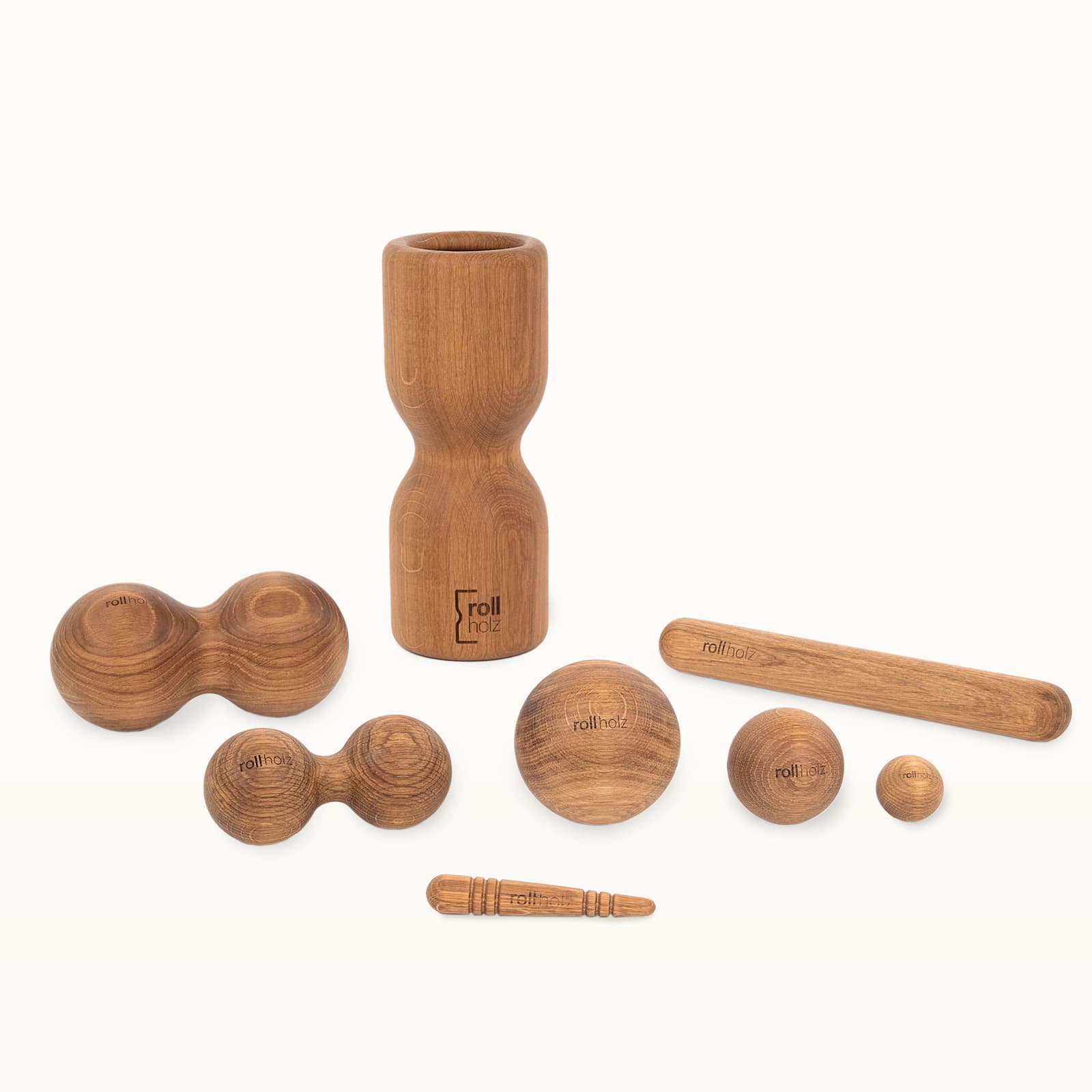
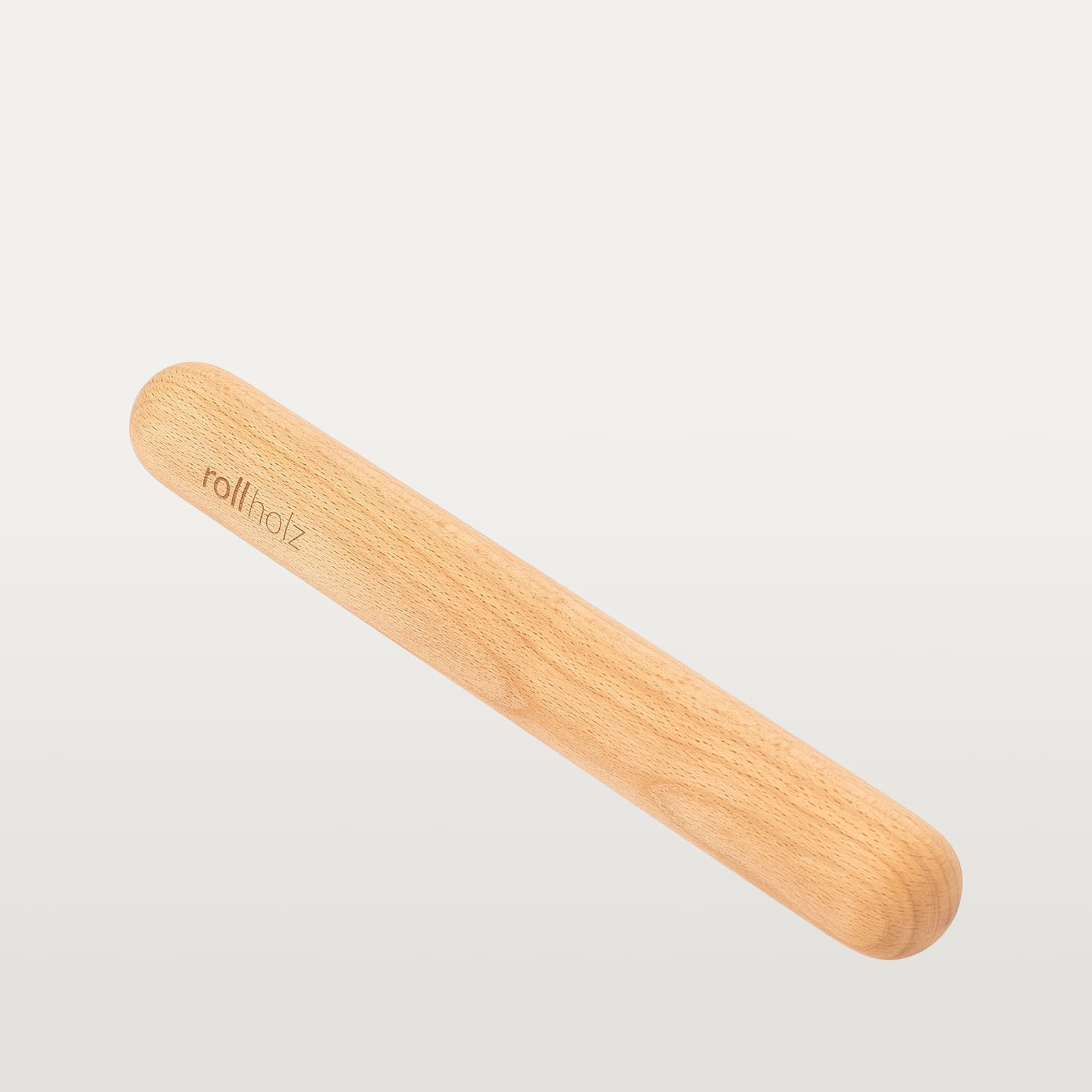
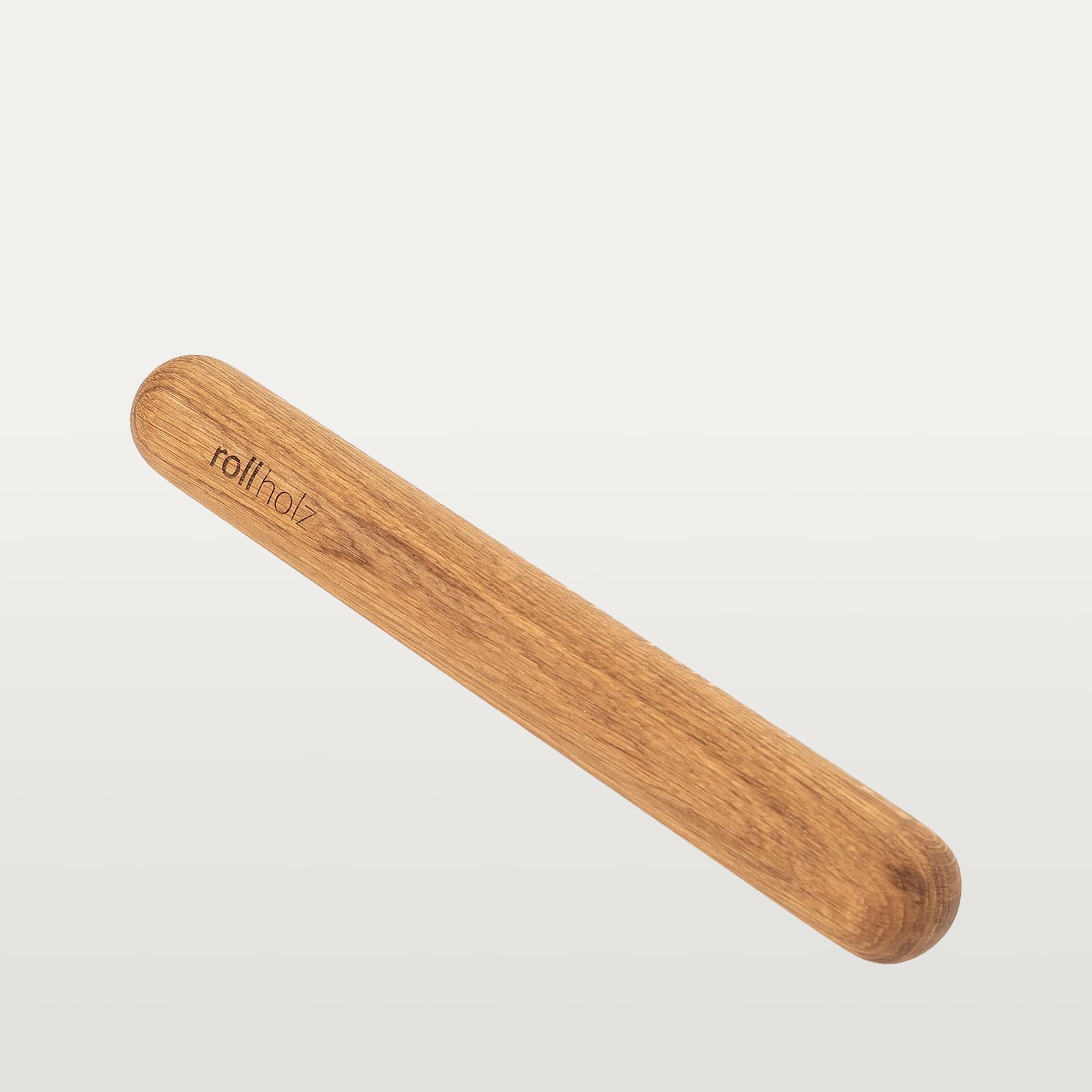
1. Fascia roller for the neck
Lie flat on your back, with your legs bent, and place a fascia roller under your neck. In this position, you can slowly turn your head from side to side, make slight nodding movements, or draw small circles to work on the neck muscles with a gentle fascia massage.
In the second step, push the roller a few centimeters further up so that the back of your head – specifically the two attachment points of the trapezius muscle – rests in the roller. The pressure on these two points often feels immediately pleasant. Make small circles with the tip of your nose here to specifically massage these points.

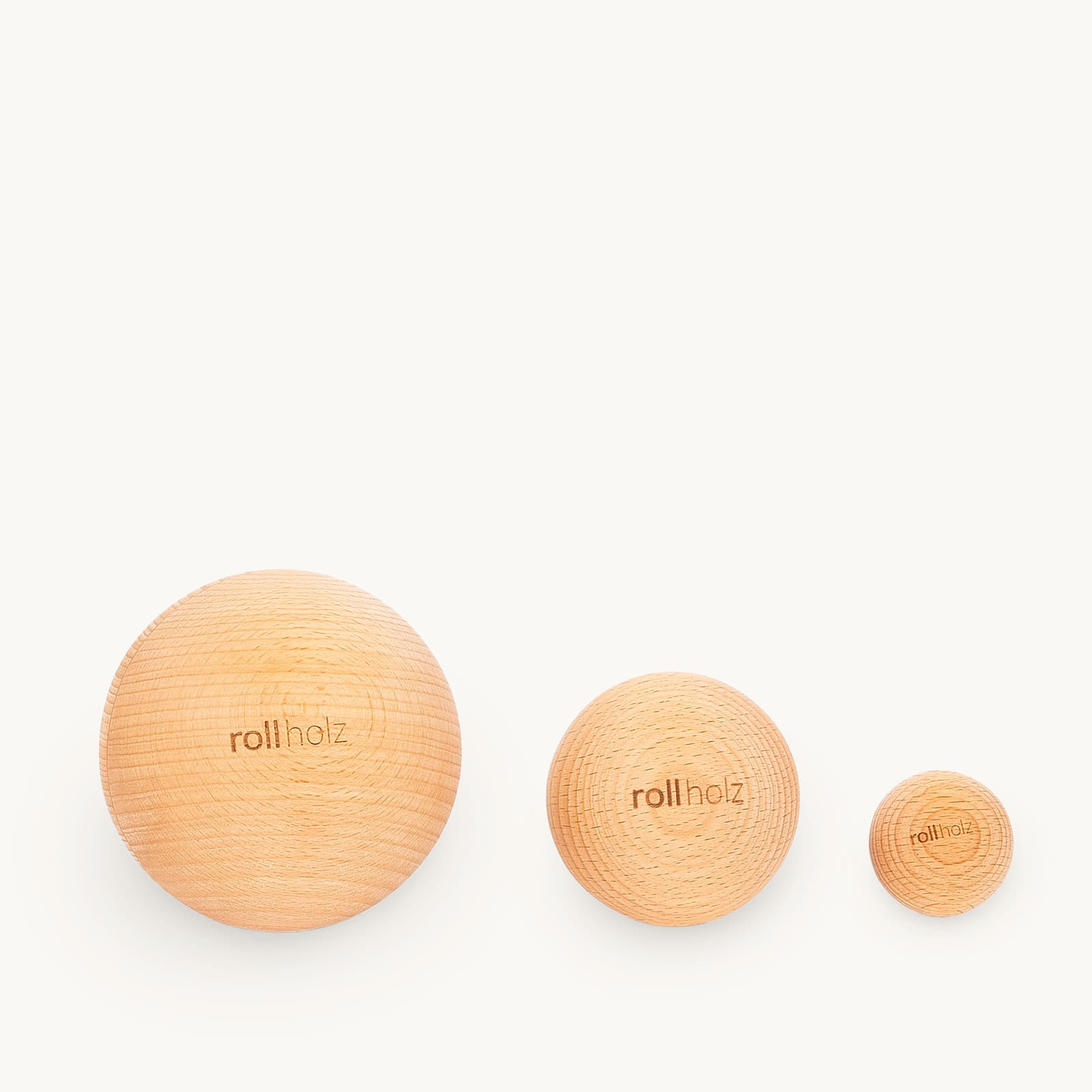
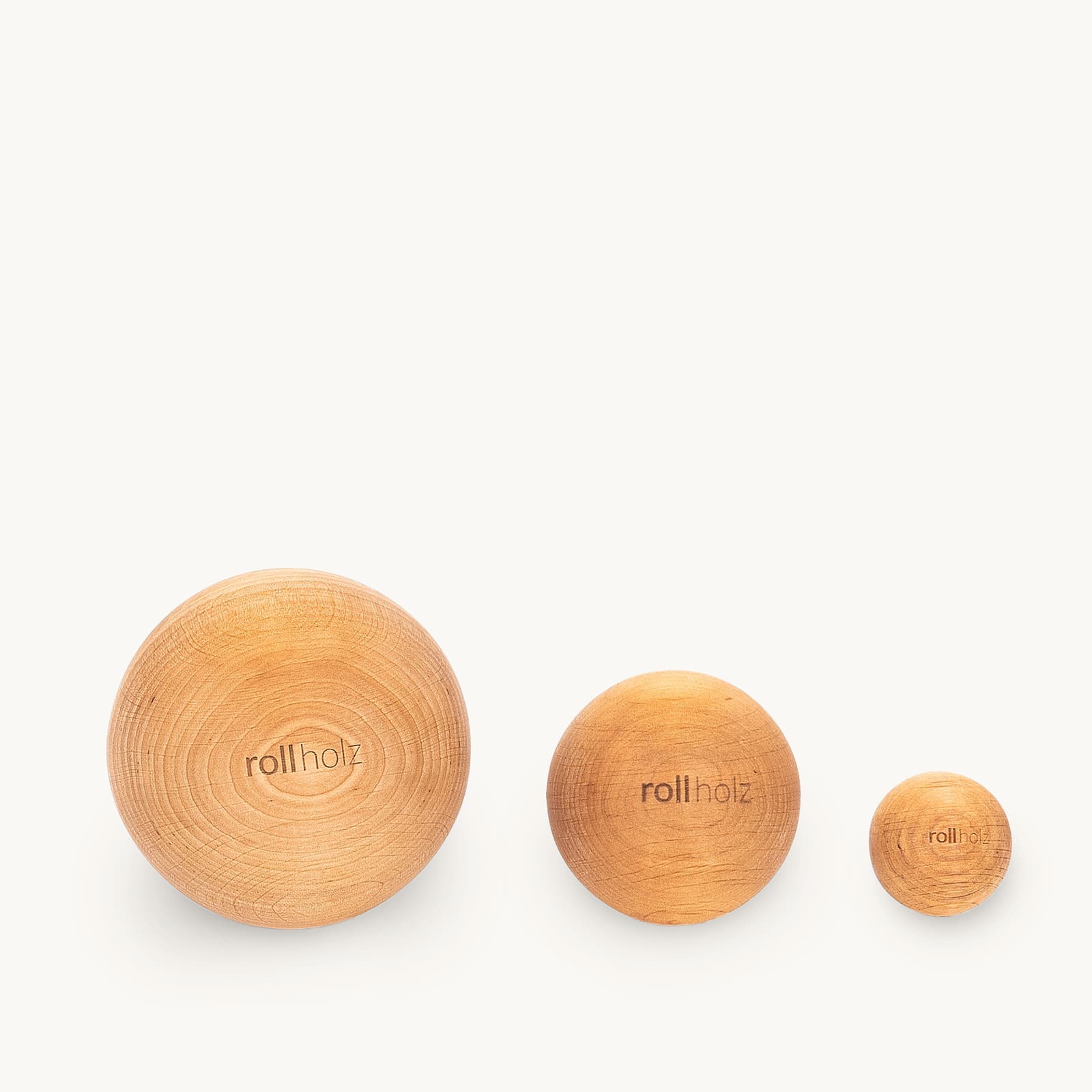
2. Fascia ball for the neck
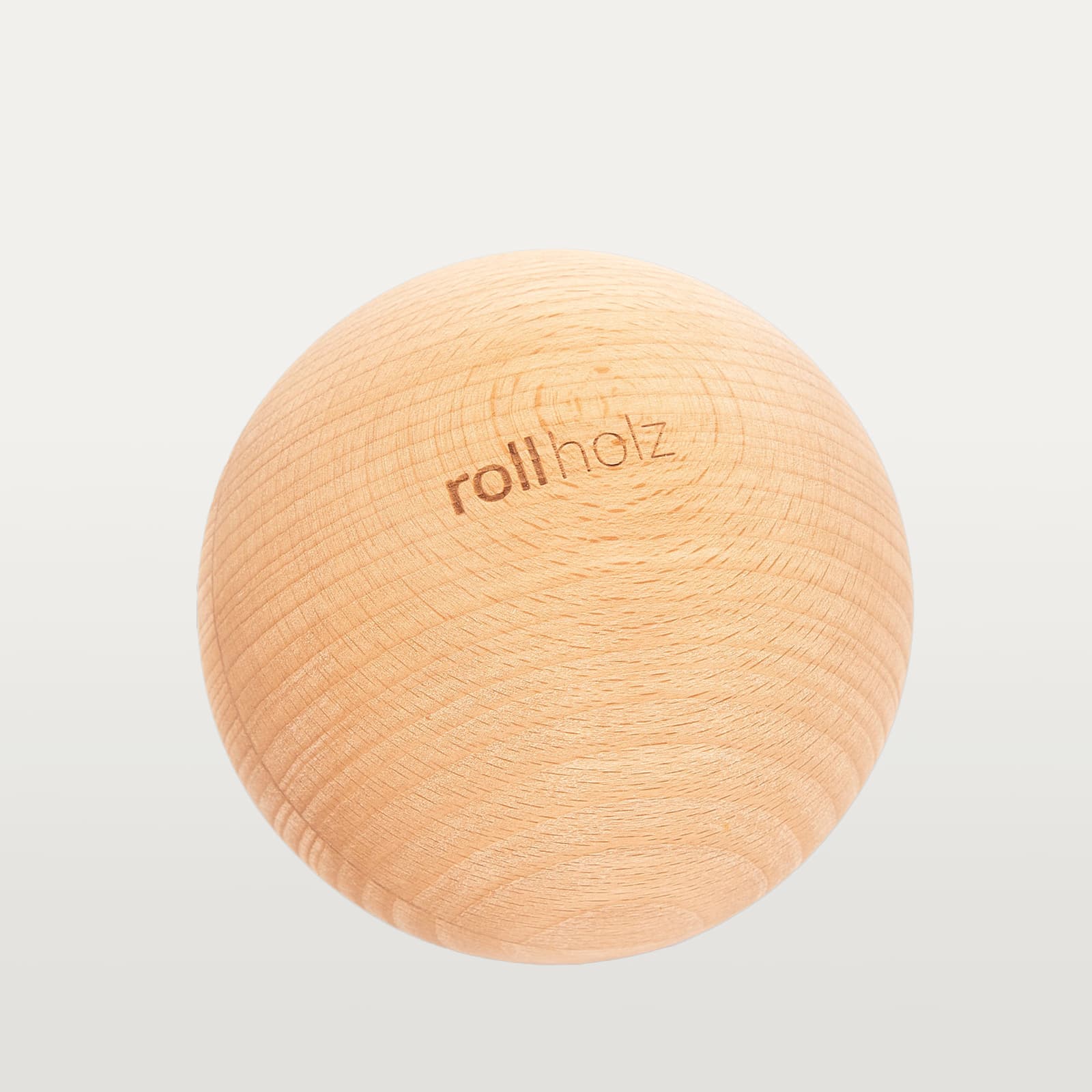
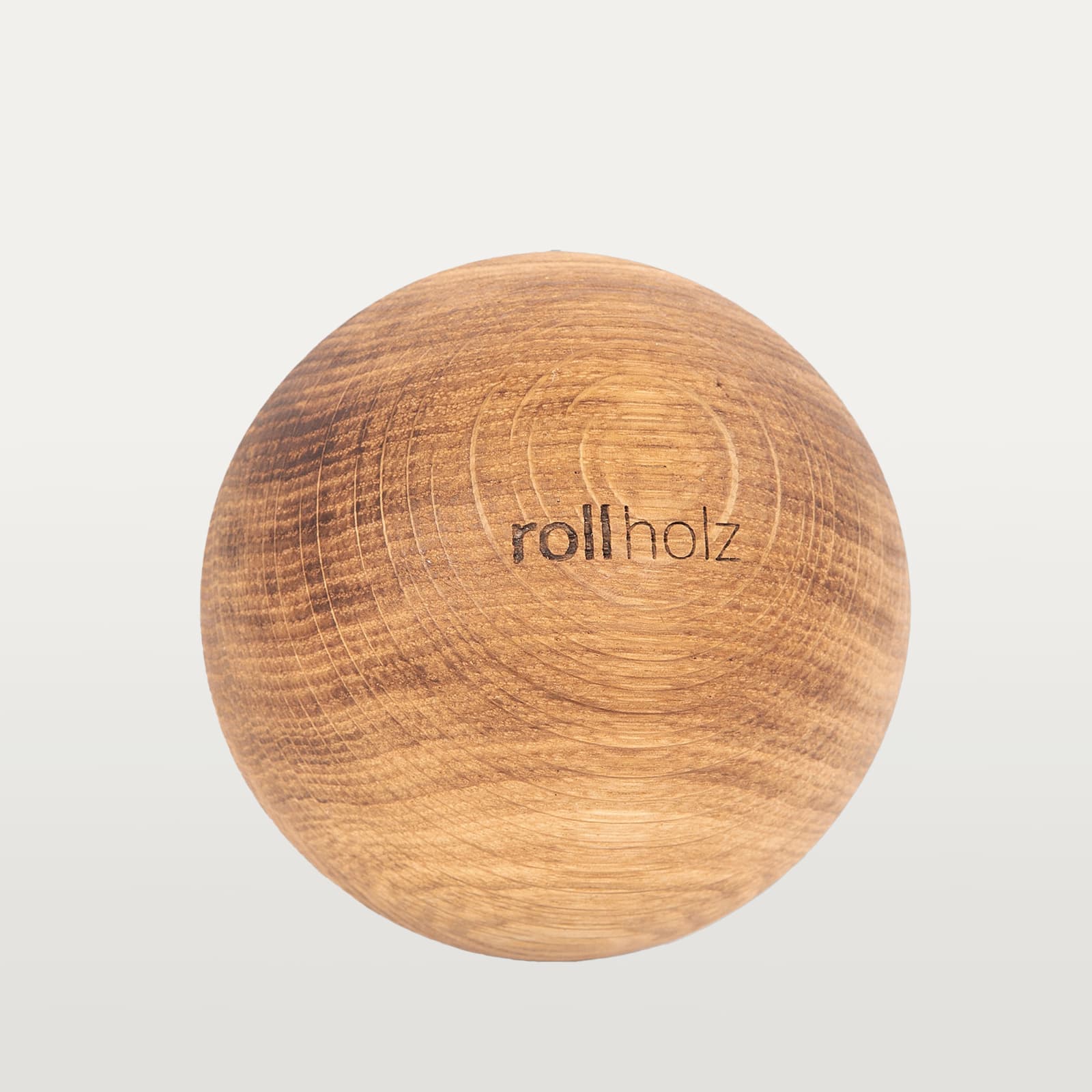
Lie on your back on the floor or against a wall and place a fascia ball laterally next to the spine in the upper neck area. Slowly move your head left and right while the ball exerts gentle pressure. Important: Never press directly on the spine, but work to the side of it.

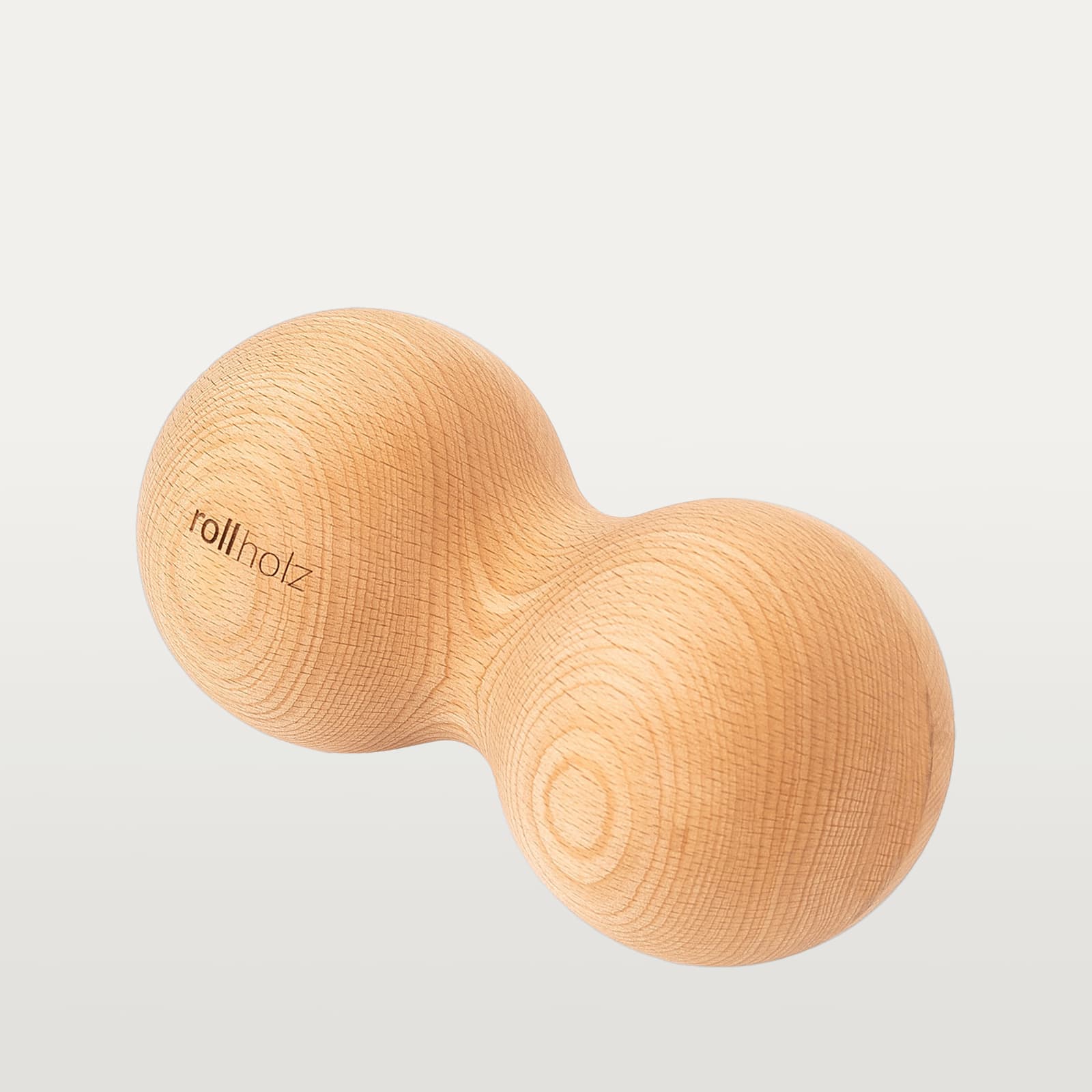
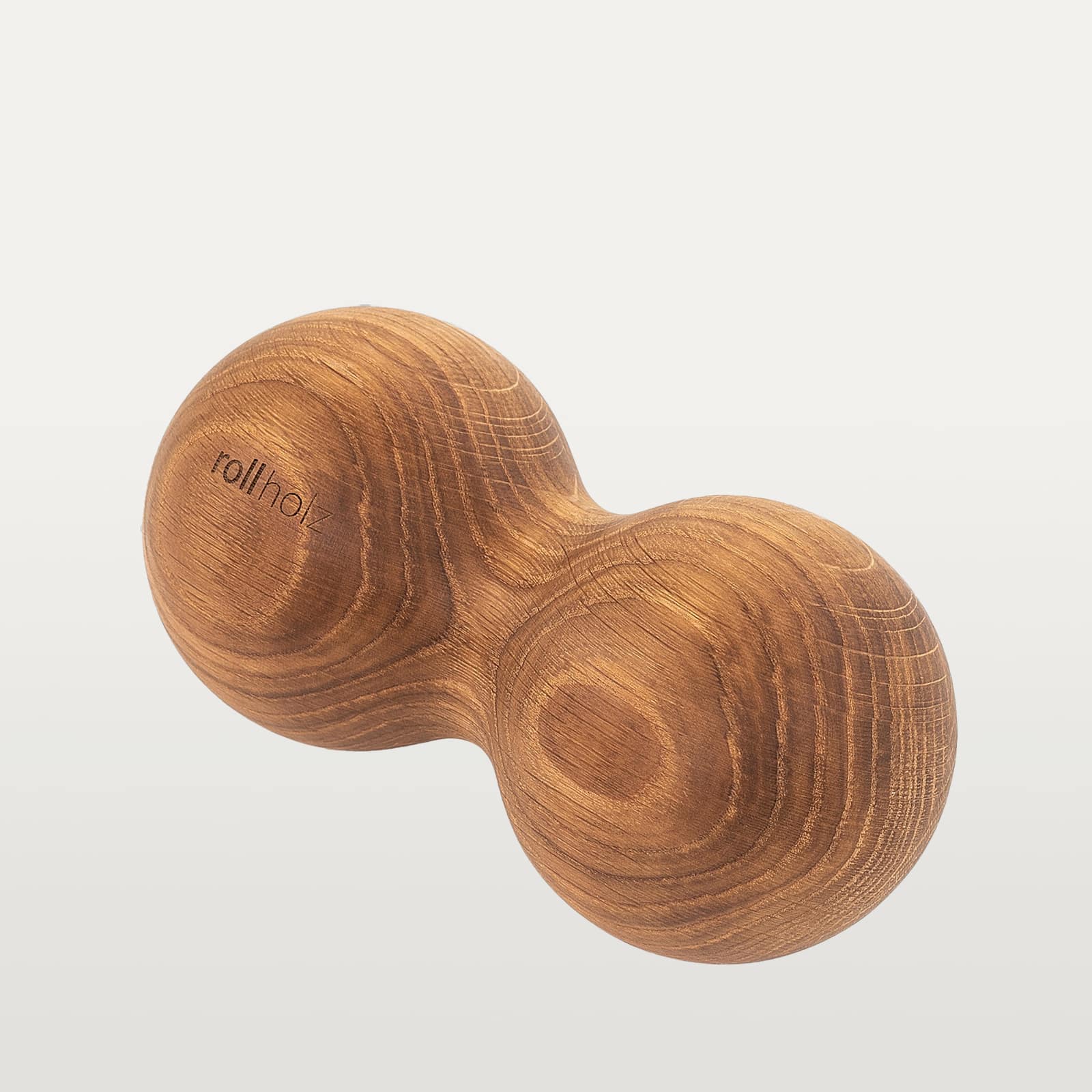
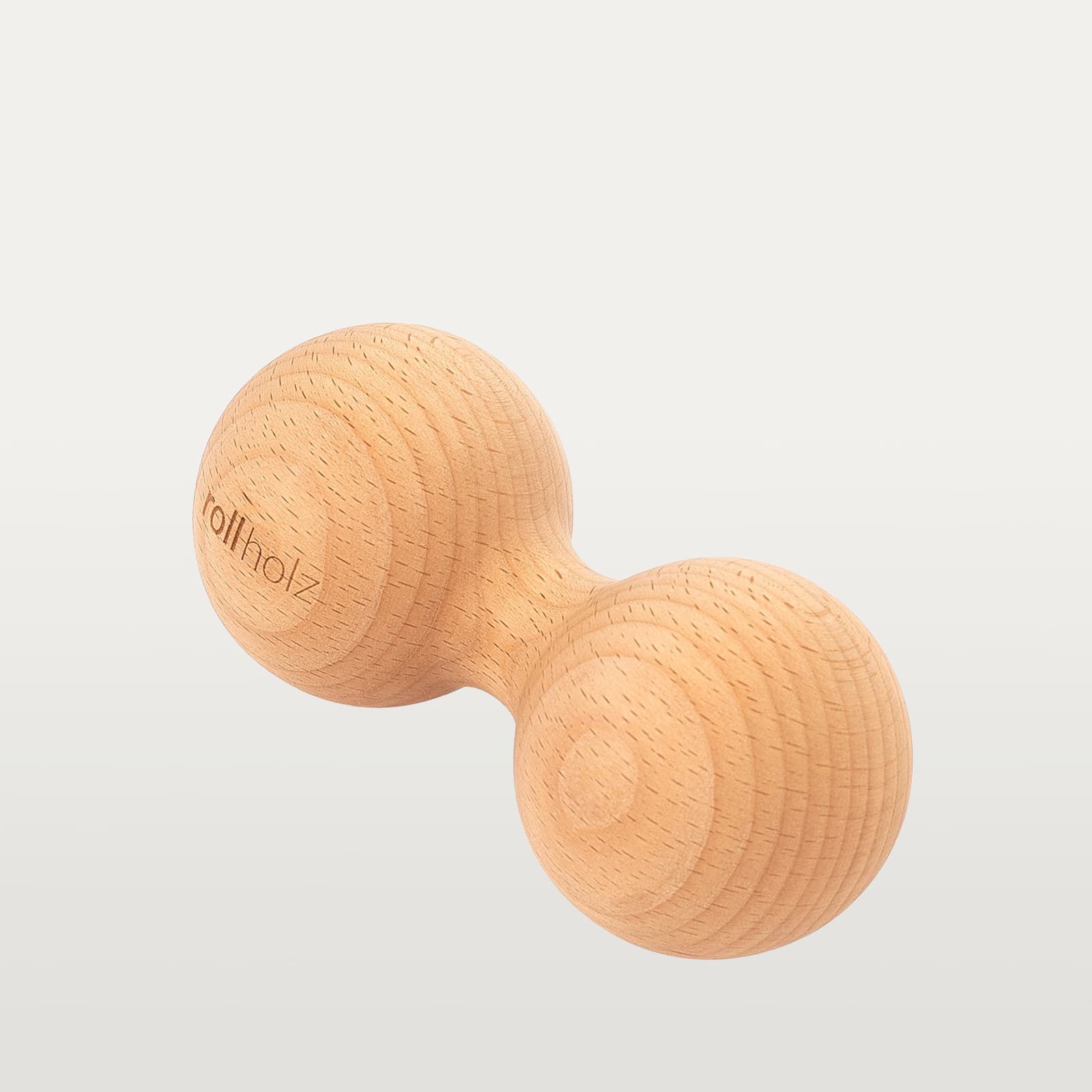
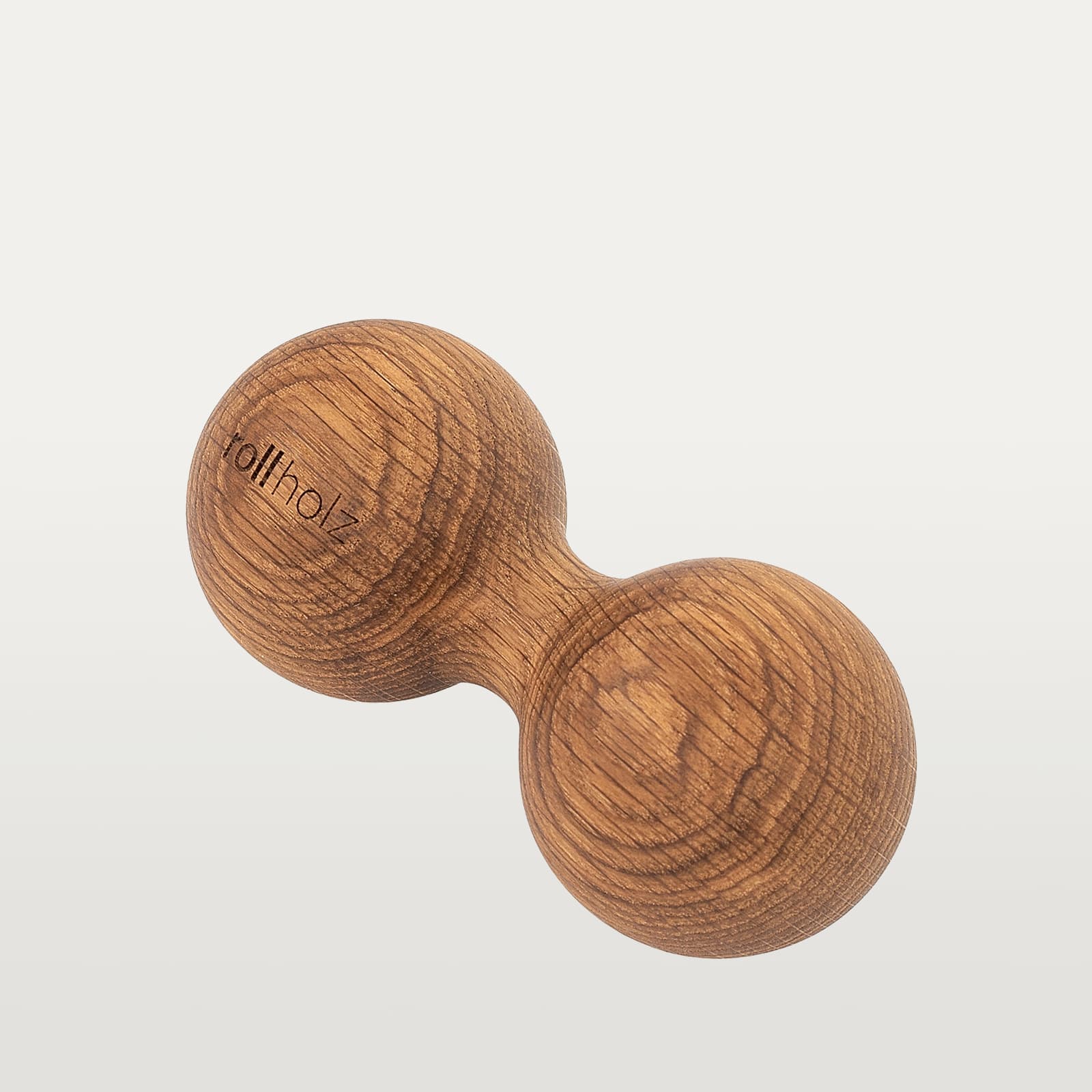
3. Double ball at the cervical spine transition
Lie on your back and place a double ball at the upper end of the thoracic spine, exactly where the cervical spine begins. Your head should rest relaxed on the floor. In this position, you can either slowly move your head from right to left to introduce some movement into the muscles, or move your arms – for example, slowly raising and lowering them – to activate and massage the muscles in this area.

4. Lateral neck stretch
Sit or stand upright, slowly tilt your head to one shoulder until you feel a stretch on the opposite side of your neck. Hold for 20-30 seconds, then switch sides. This simple stretch requires no tools and can easily be incorporated into your daily routine.
5. Shoulder circles for activation
Slowly circle your shoulders backward, making large, controlled movements, about 10 times. This activates the shoulder muscles and can help stimulate blood circulation in the shoulder and neck area, before or after other exercises.
Fascia roller for the neck: what to keep in mind
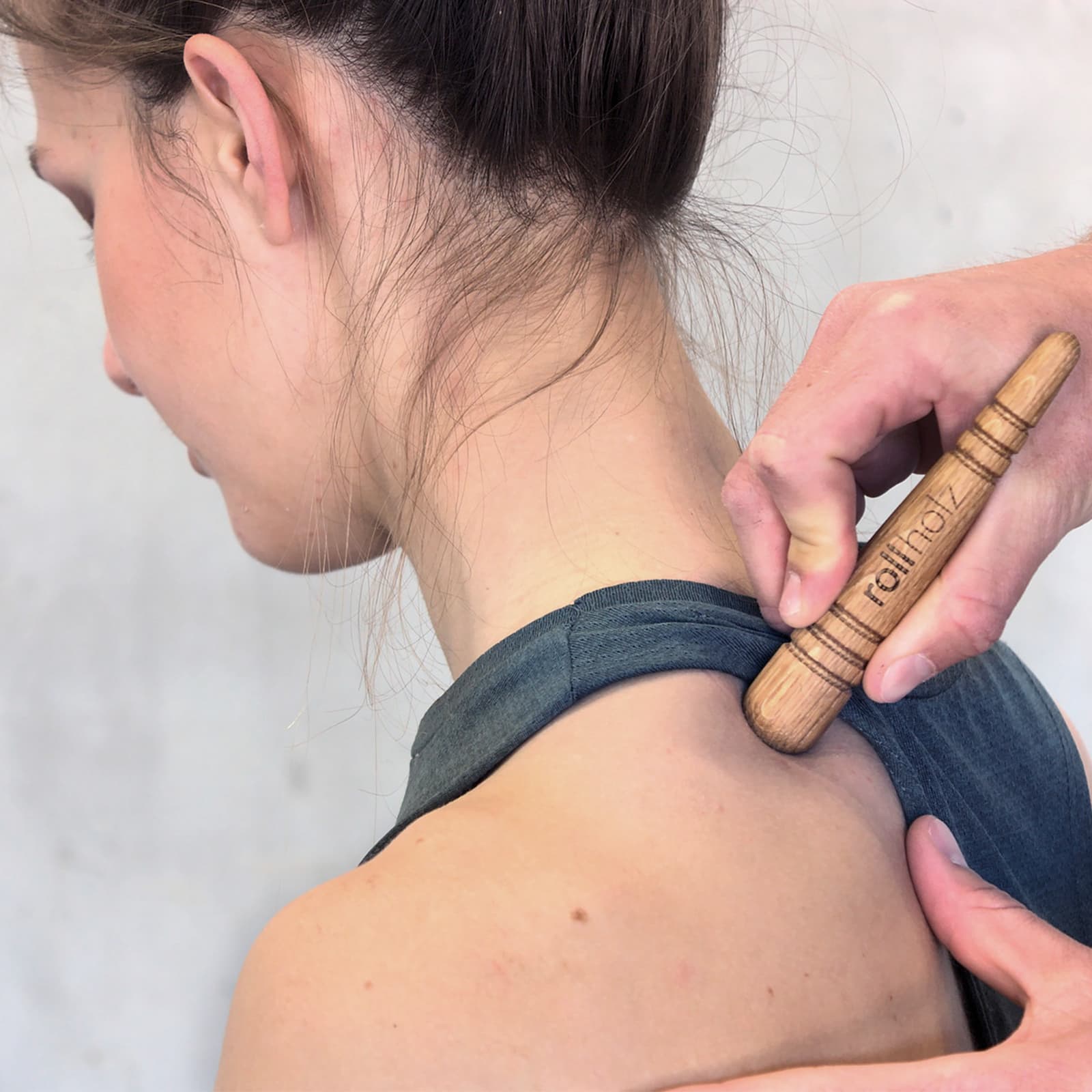
A fascia massage in the neck should always stay gentle. Work with the fascia roller, fascia ball, and double ball to the side of the spine and never directly on it. For acute neck pain or after a fall or accident, the rule is: have it medically checked first, then exercise.
Stop the exercise if the pain radiates into the head, arm, or hand, or if tingling, numbness, or dizziness occur. You can find more about this further down under "When you should consult a doctor or physiotherapist".
Stiff neck – when warmth helps, when movement helps
For acute tension, warmth (e.g., a hot water bottle or a warm shower) can help relax the muscles before you start exercising. For more chronic, recurring tension, regular movement is usually more effective than warmth alone – the body needs repeated stimulation to sustainably reduce basic tension.
When you should consult a doctor or physiotherapist
The exercises mentioned above are for occasional, everyday tension. Such self-exercises do not replace medical evaluation. If you notice any of the following signs, we recommend consulting a doctor or physiotherapist:
- The tension lasts longer than two weeks or worsens despite exercises
- Pain radiates into the head, arm, or hand
- Numbness or tingling in the arm or hand
- Symptoms occur after a fall or accident
- Accompanying fever, severe headaches, or dizziness occur
Conclusion
Occasional neck tension can often be relieved with just a few minutes of targeted exercise – fascia rollers, fascia balls, and double balls help to reach tense areas that are difficult to work on with hands alone. Regularity is particularly important: a few minutes a day are usually more effective in the long run than a single, intensive exercise session. For persistent or radiating symptoms, however, it's better to get it checked out once too often than too little.



Leave a comment
This site is protected by hCaptcha and the hCaptcha Privacy Policy and Terms of Service apply.