

Lower back pain is one of the most common everyday complaints – after long periods of sitting, one-sided strain, or even without any identifiable trigger. Often, there is no serious injury behind it, but rather overworked or tense muscles. In this article, we will show you why the lower back is so susceptible, what exercises can help, what the sciatic nerve is all about, and when you should seek professional medical advice.
Why the lower back is so prone to tension
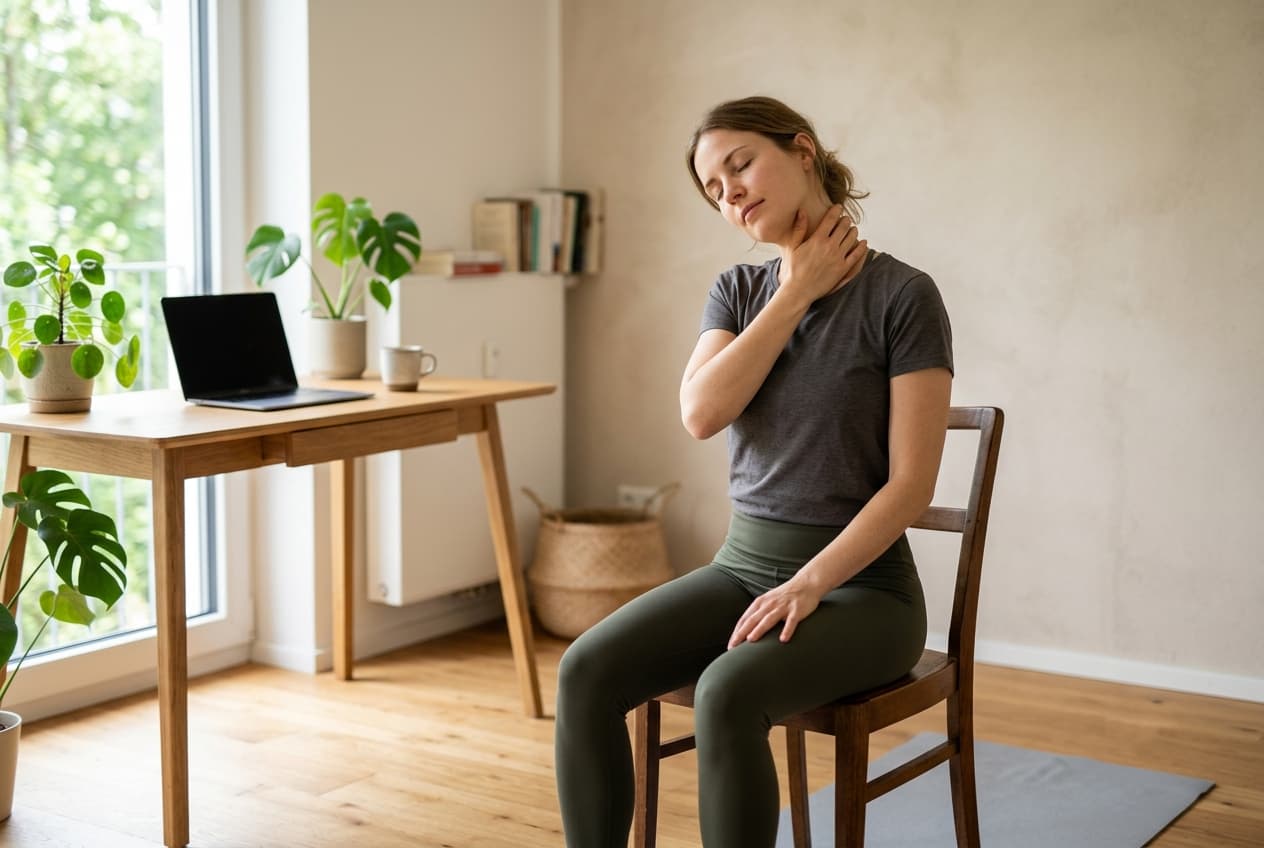
The lower back (the lumbar spine) carries a large part of the upper body's load and is involved in almost every everyday movement – sitting, bending, lifting, twisting. Those who sit a lot hardly move their hips, which can cause surrounding muscle groups such as the lower back, glutes, and hamstrings to shorten and increase in tension.
If there is little movement in daily life, the muscles around the lumbar spine often react with increased basic tension – a cycle that can usually be effectively broken with targeted movement.
5 Exercises for the lower back
1. Fascia roller for the lower back
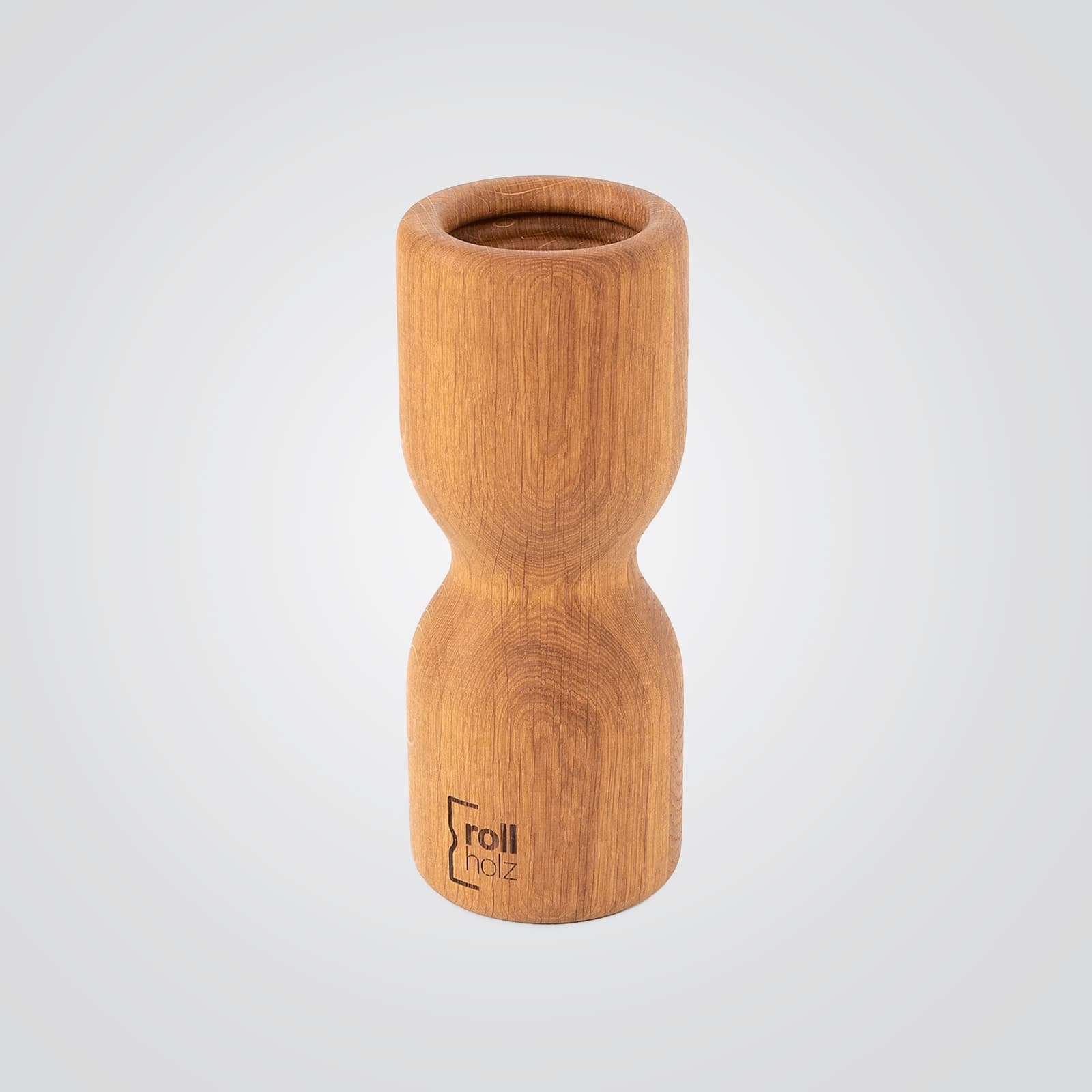
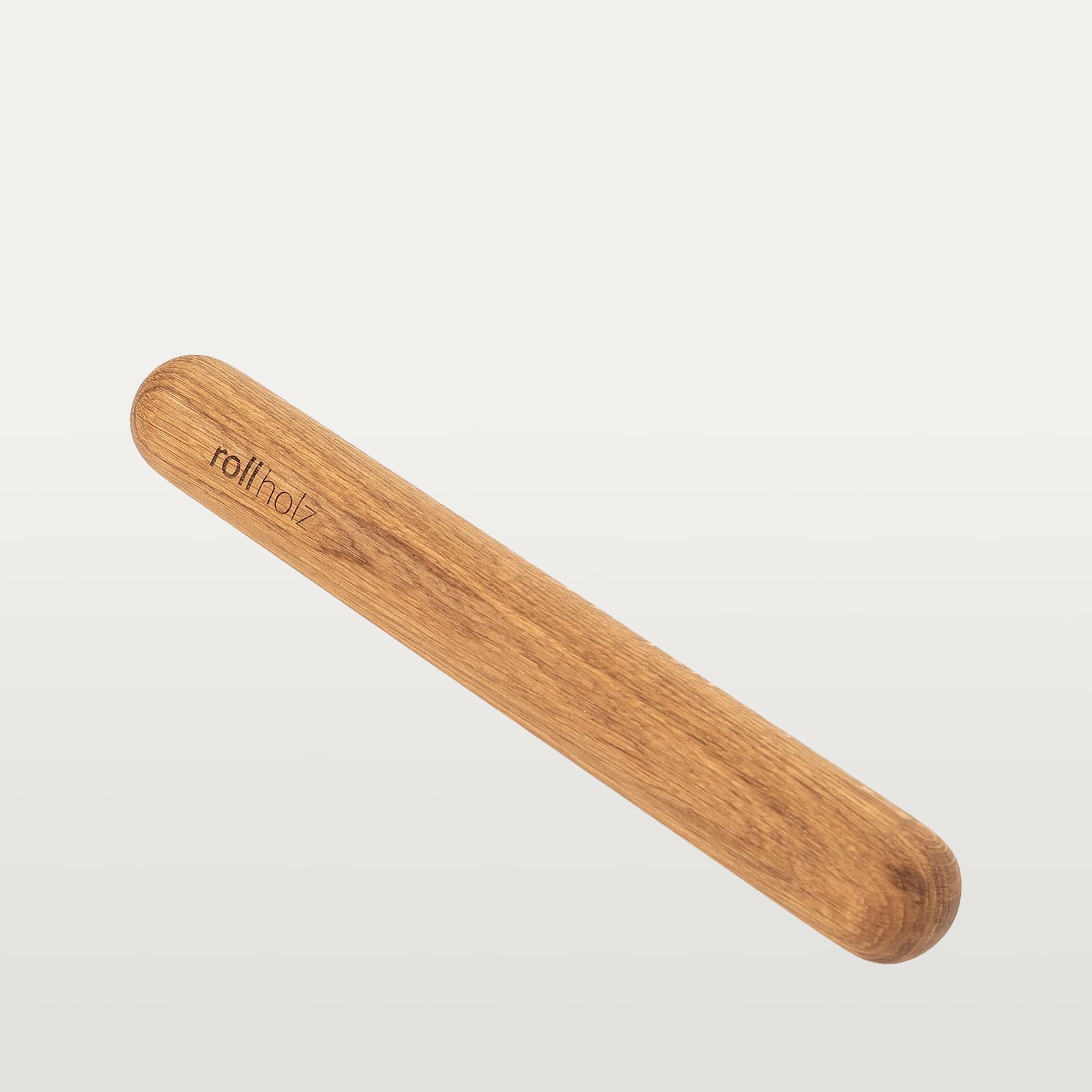
Lie on your back with your knees bent and place a fascia roller horizontally under your lower back. Roll slowly and controlled a small distance up and down, without lying directly on your spine – the roller should always be applied to the muscles to the side of the spine. In areas that feel particularly intense, you can briefly pause instead of continuing to roll, and by shifting your weight slightly to the side, you can specifically increase the pressure on one half of your body.
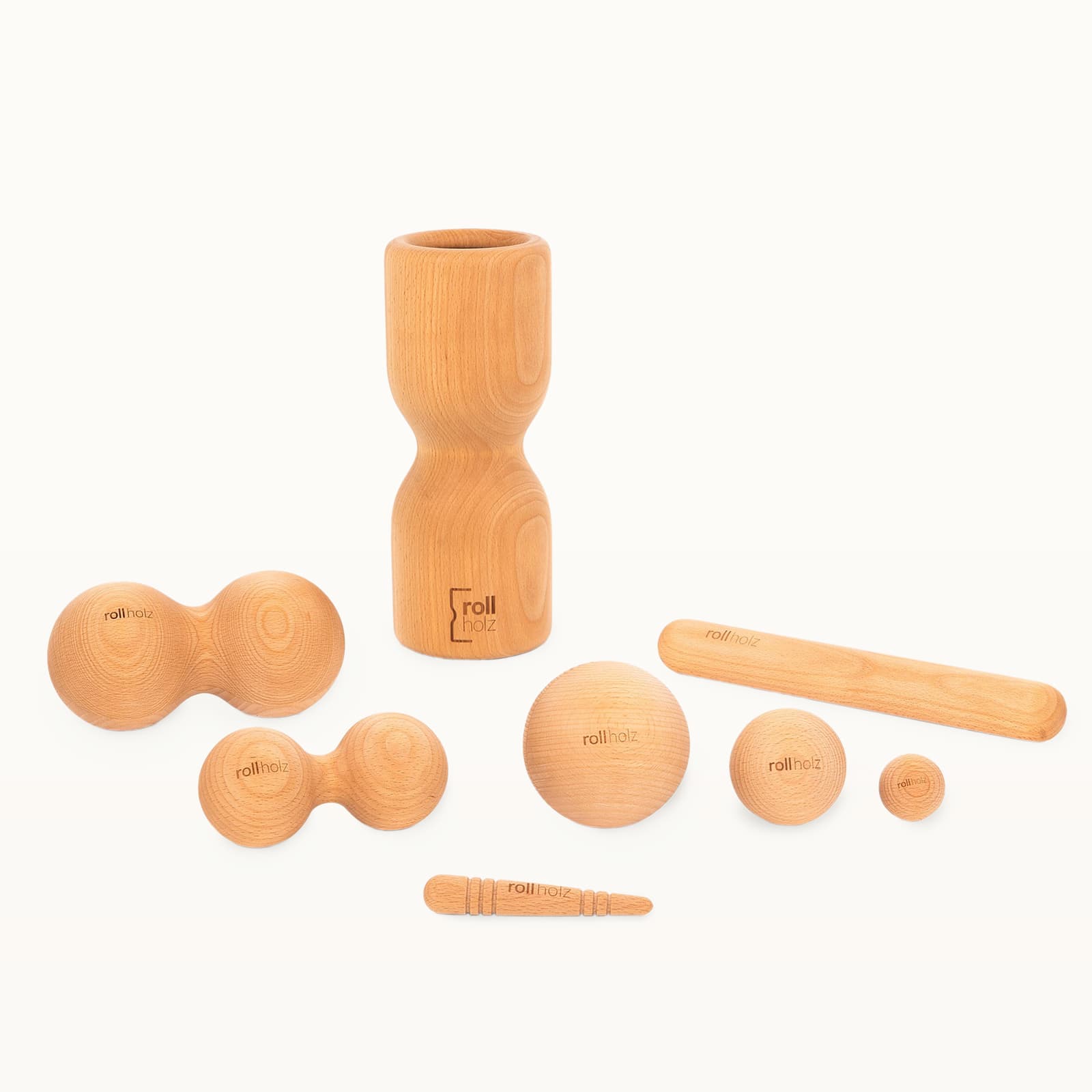
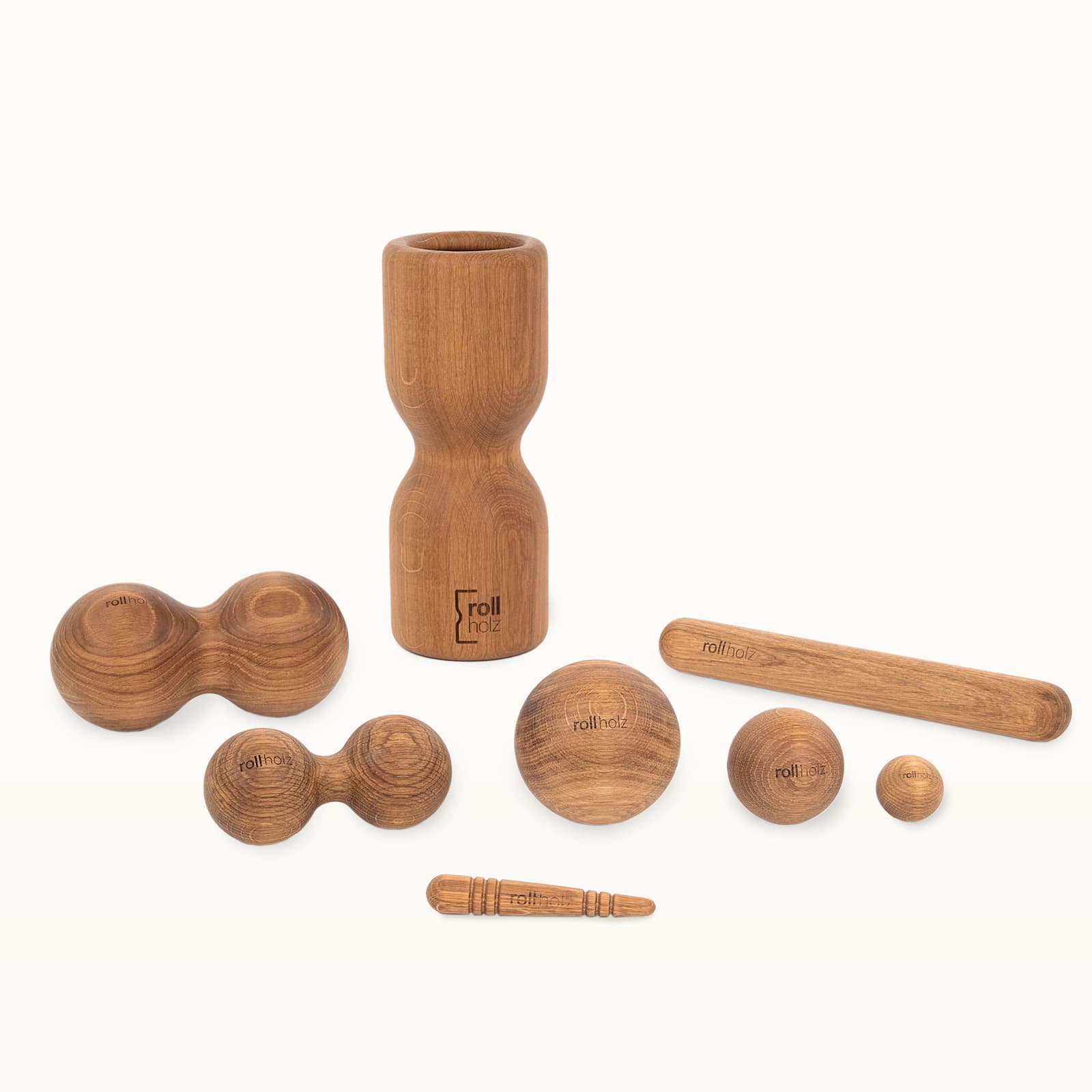
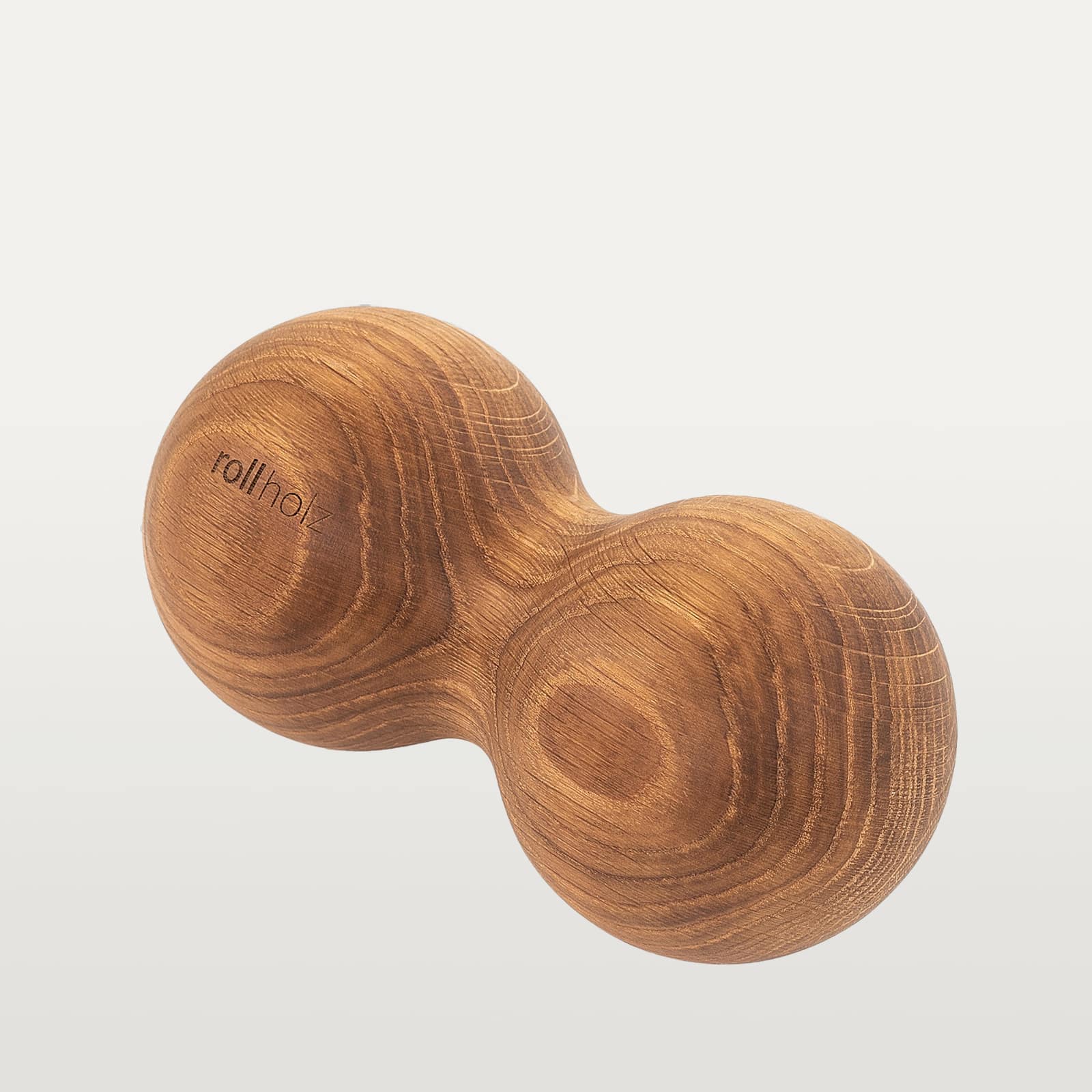
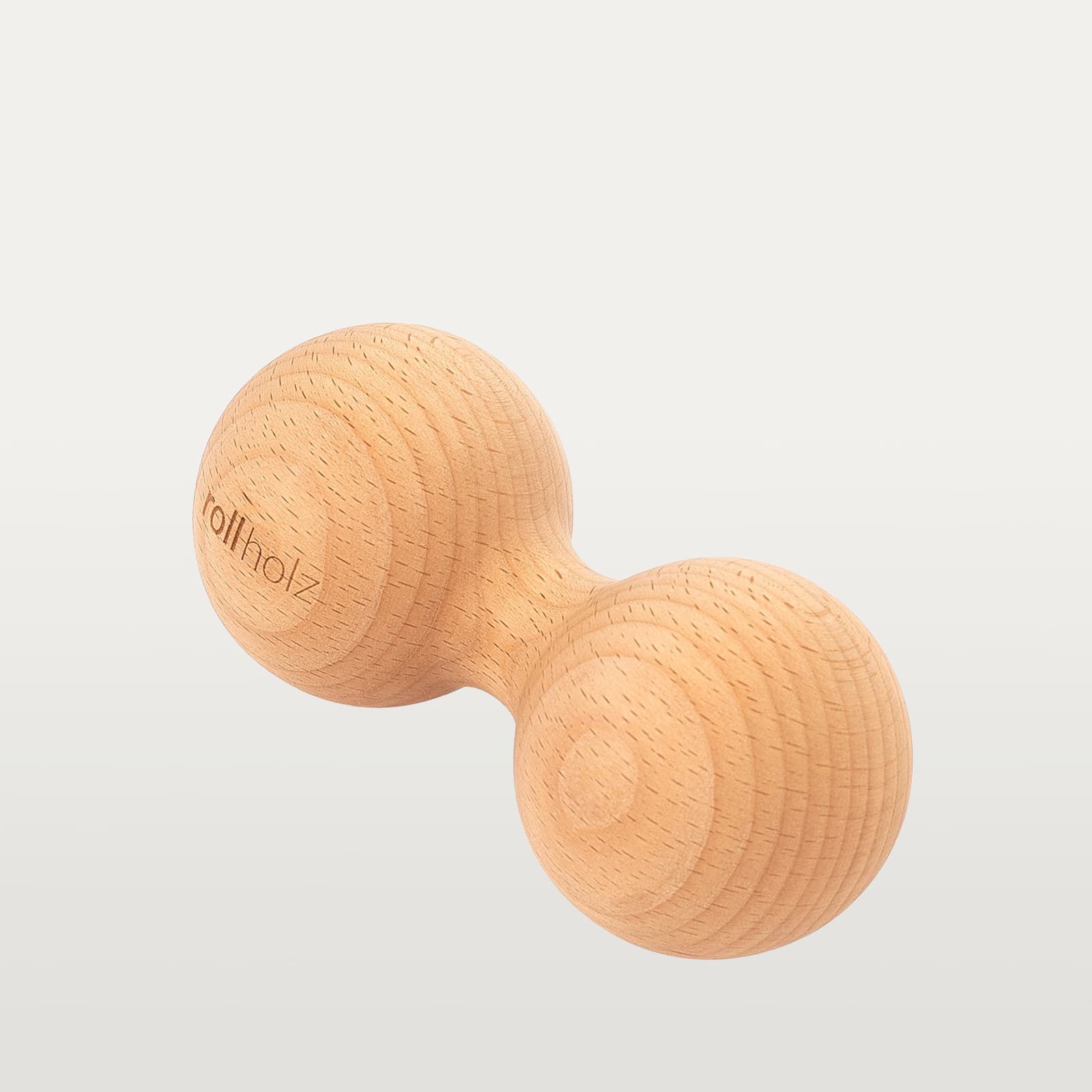
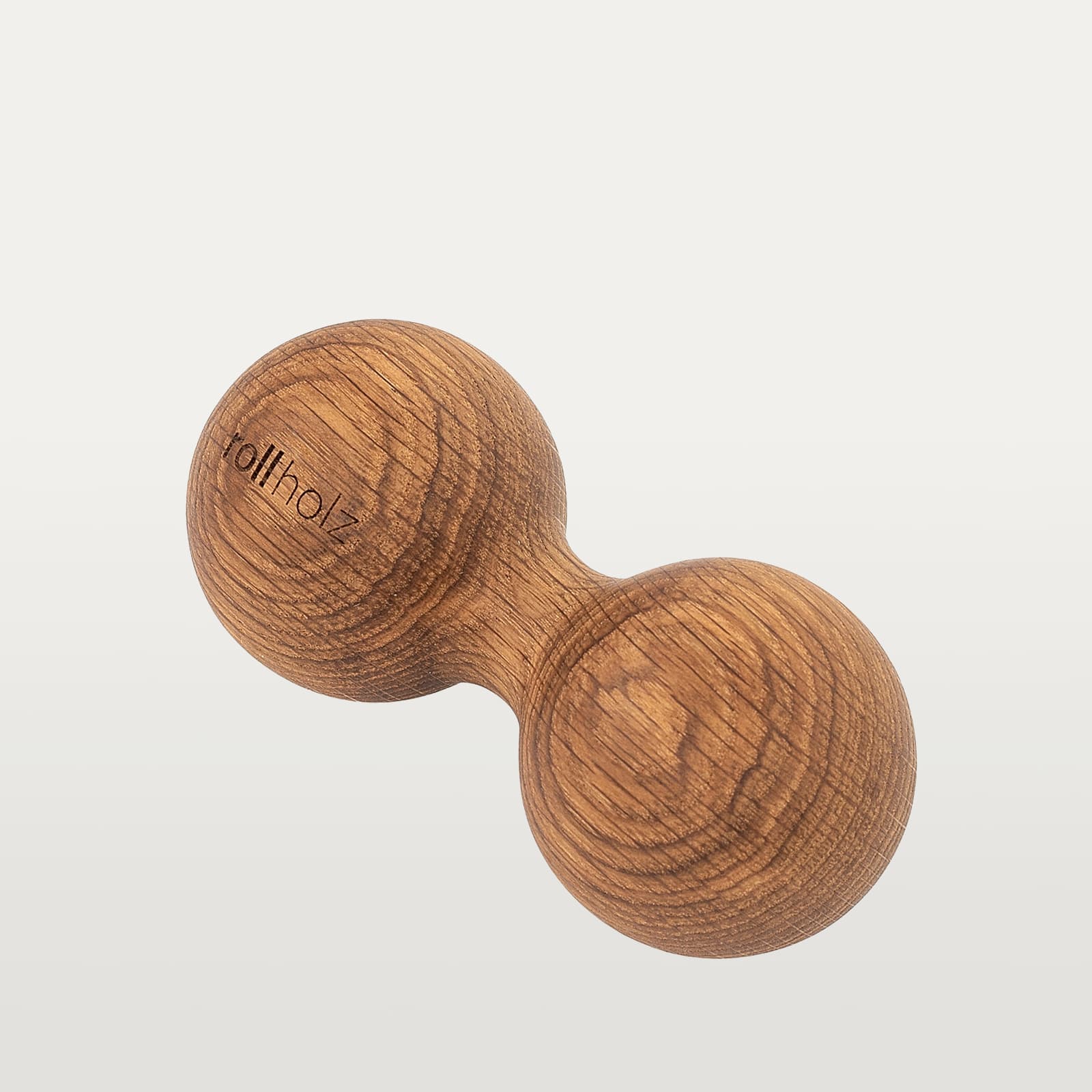
Alternatively, the Double Ball XL can also be used for this: due to the smaller contact surface of the two balls, the pressure is more intense and localized than with the fascia roller.

2. Fascia ball in the glutes
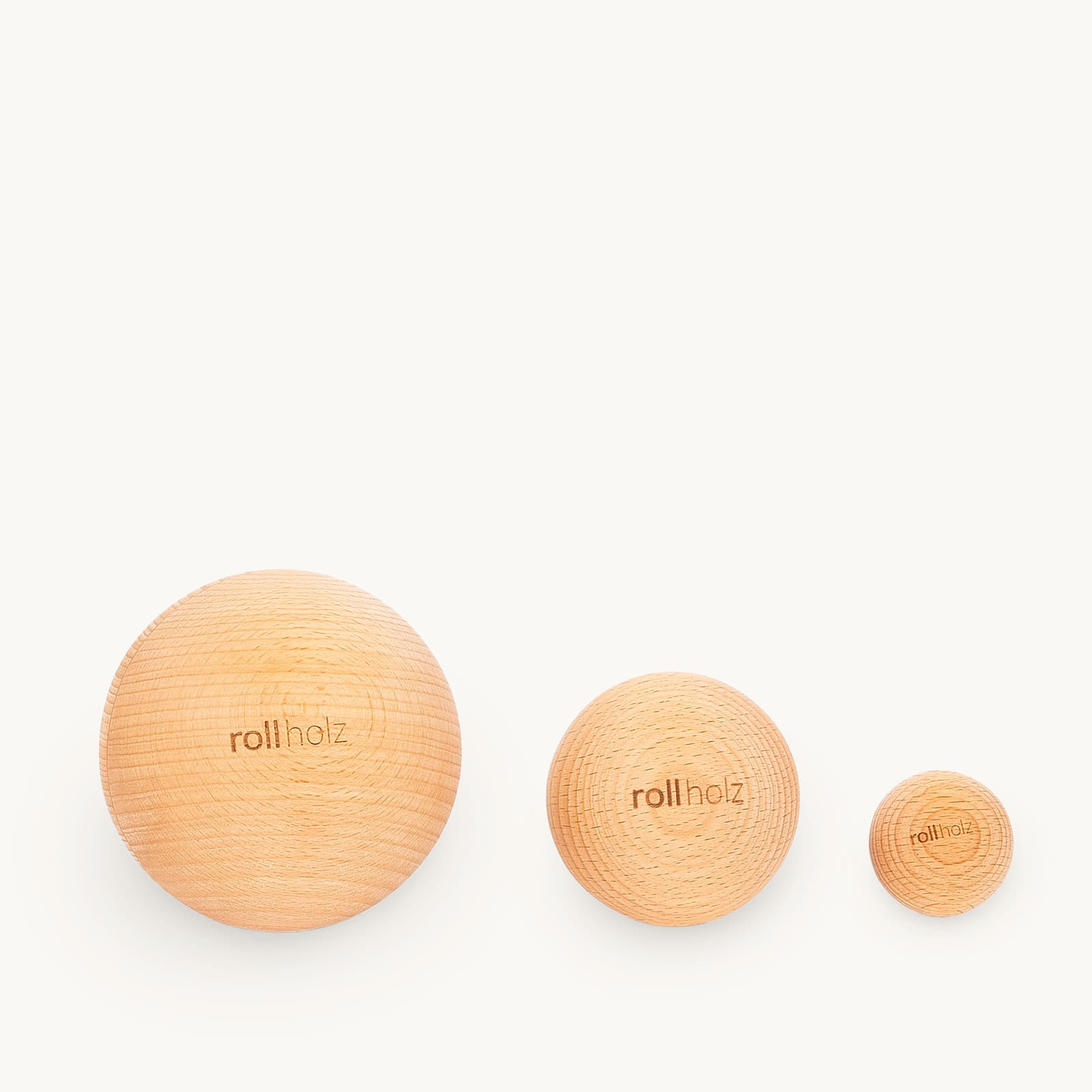
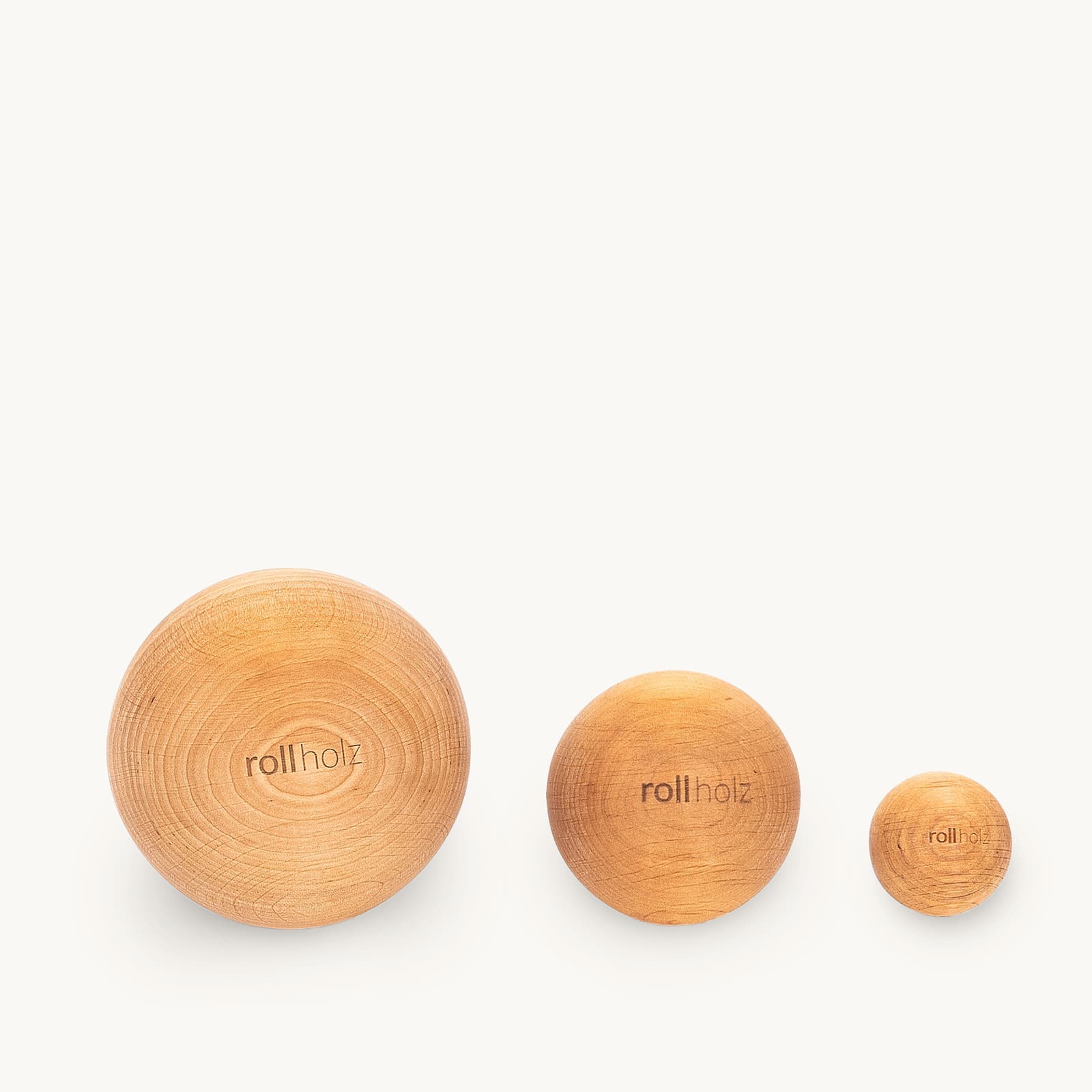
Sit on the floor and place a fascia ball under one buttock. Externally rotate the leg on the side where the ball is placed by resting your lower leg on the thigh of the other leg. Then lean slightly towards the ball and move gently back and forth or circle softly.
In this position, you can specifically work on the muscles that can press on the sciatic nerve – the gluteal muscles are closely related to the lower back and the course of the sciatic nerve.

3. Double ball along the lumbar spine
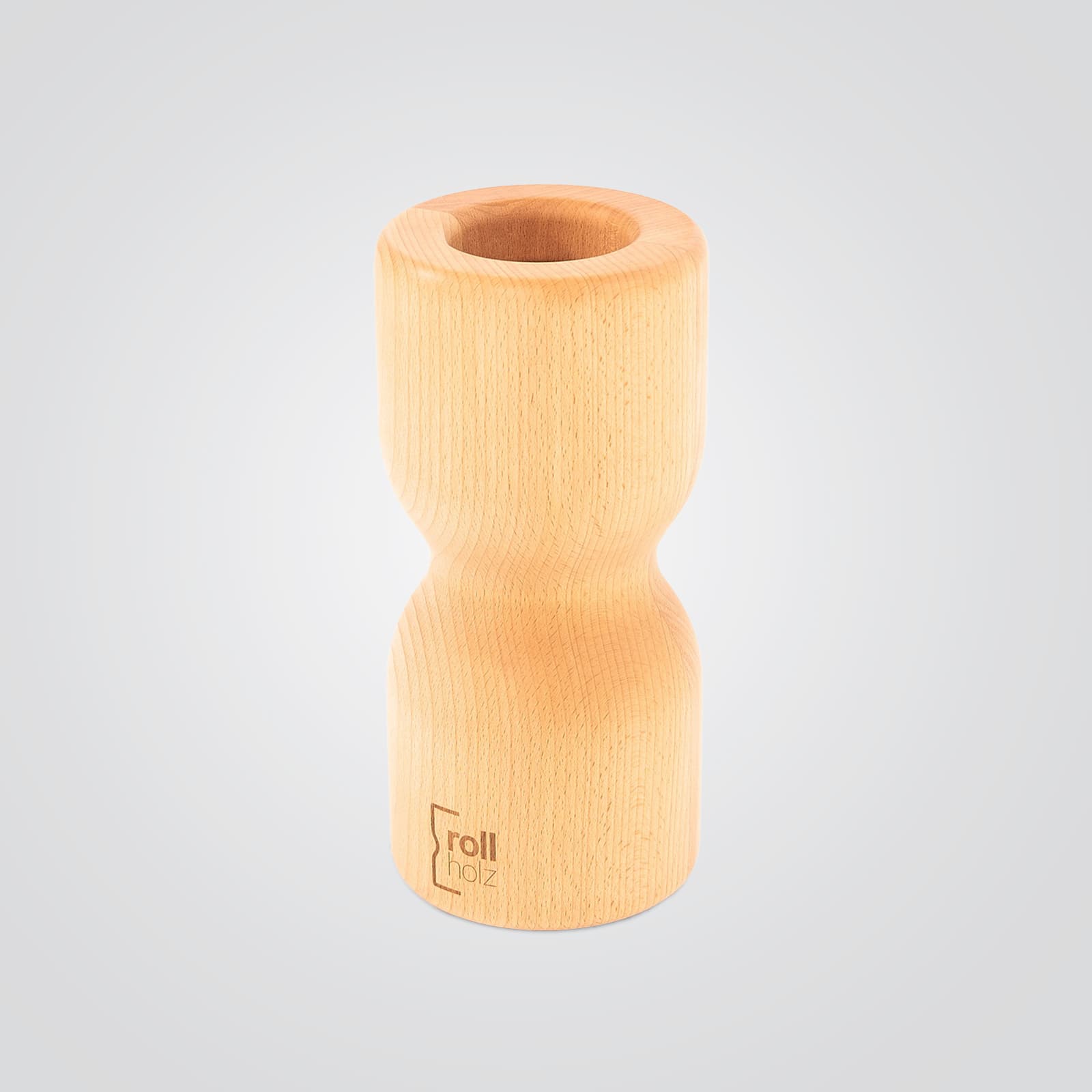
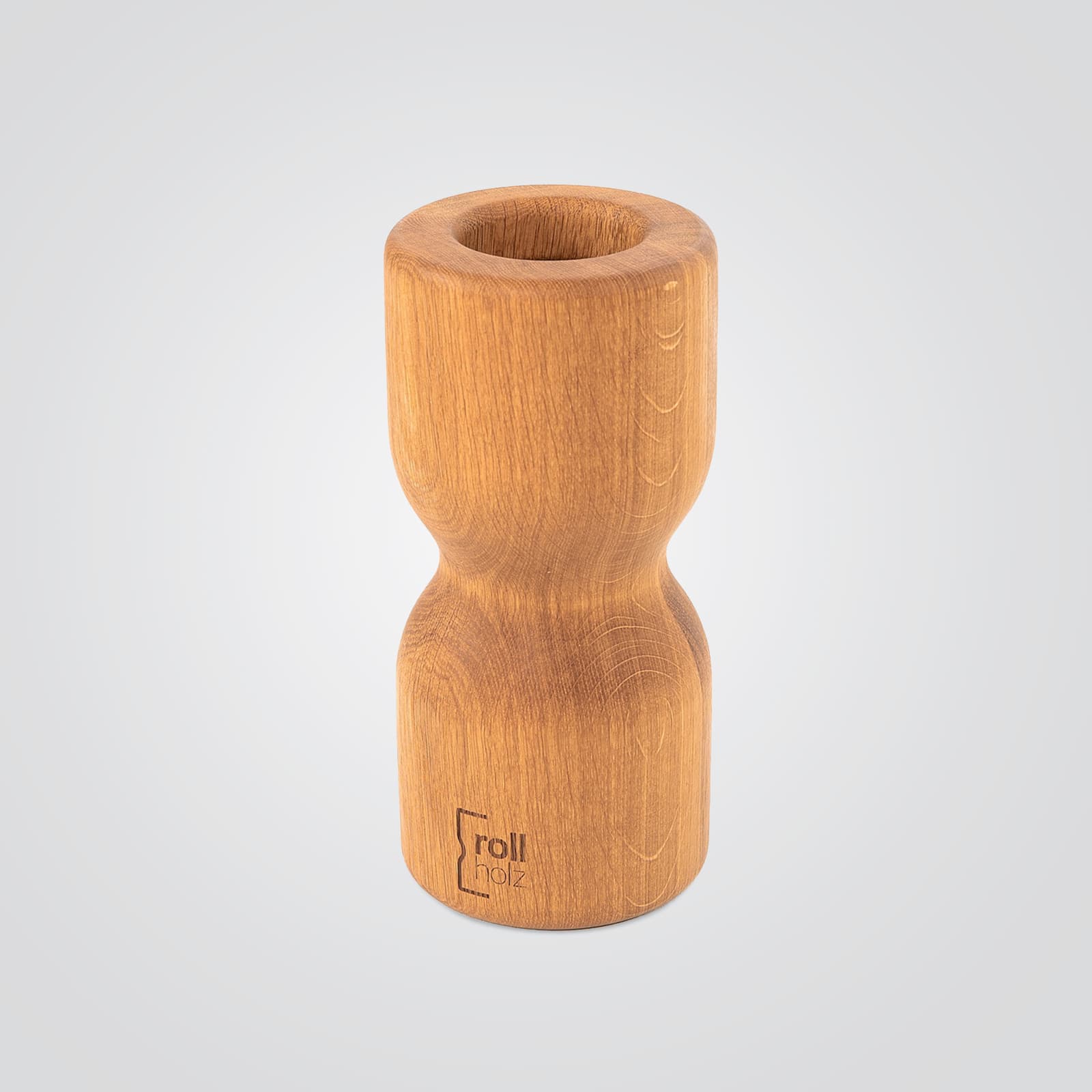
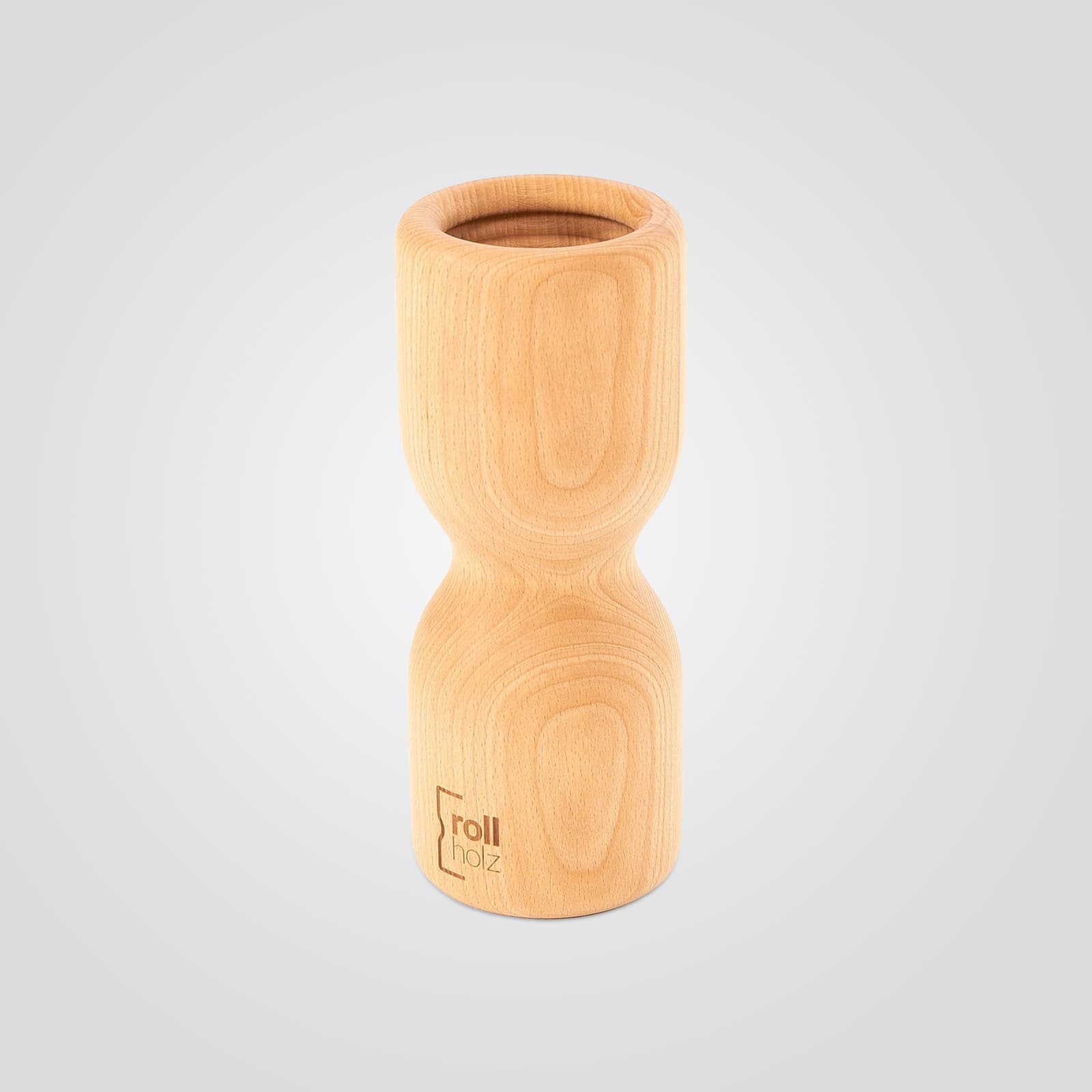
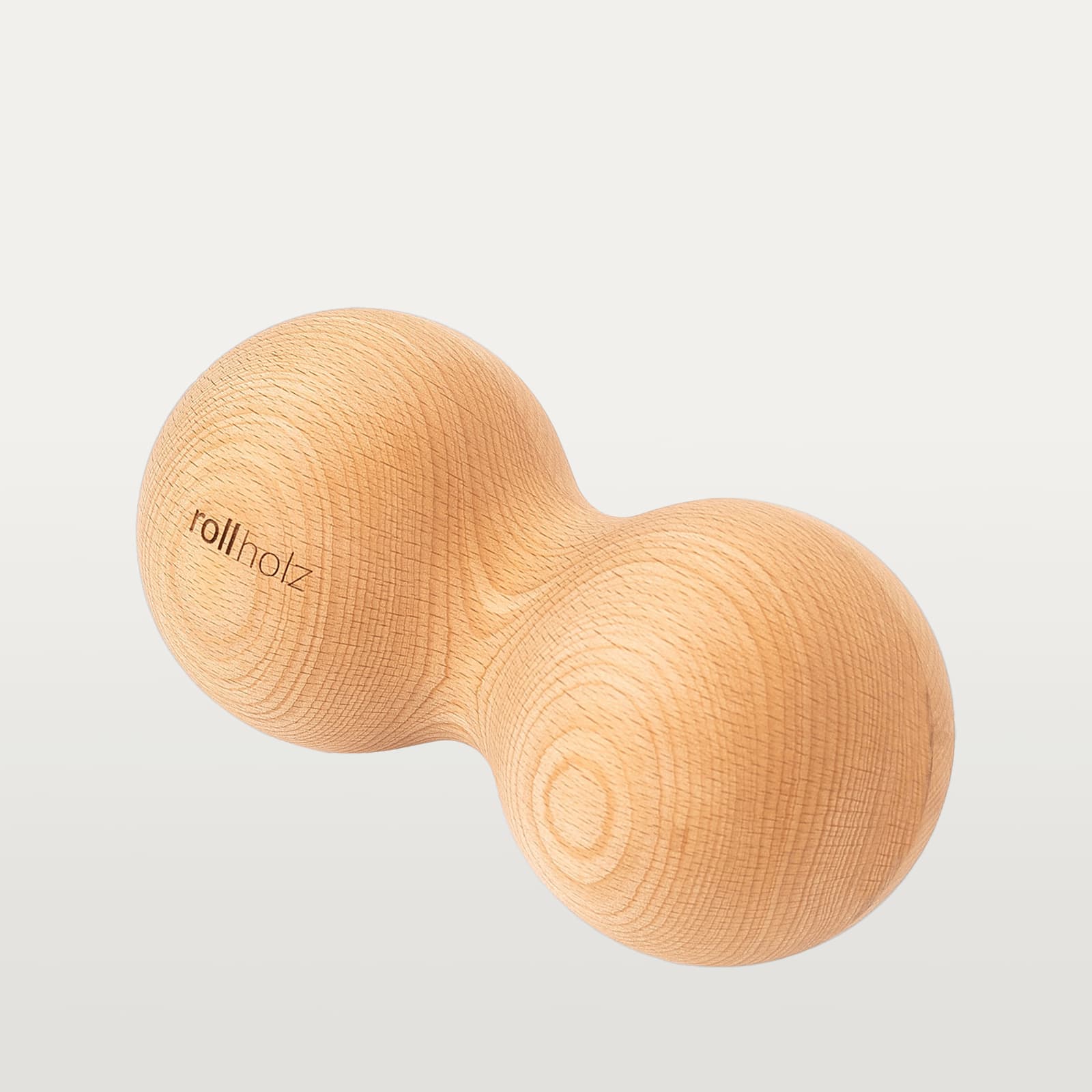
The double ball can be used in two ways. The smaller version (7 cm) is placed statically at one spot in the lower back area, so that the spine lies in the groove between the two balls, and you remain there for the massage – for example, by slowly moving your hips from side to side or gently pulling your knees towards your chest.
The larger version, the Double Ball XL, can be used in two ways. When used for rolling, it works like a fascia roller: due to the smaller contact surface of the two balls, the pressure is more intense and localized than with a classic fascia roller. However, you can also use it statically – for this, you either support yourself with your elbows and feet so that the double ball remains in one place, or you lay your upper back on the mat and lift your buttocks and bent legs slightly into the air, while the double ball remains under your lower back.

4. Knee-to-chest stretch
Lie on your back and slowly pull one knee towards your chest with both hands until you feel a stretch in your lower back and glutes. Hold for 20–30 seconds, then switch sides. This simple stretch requires no aids and is also suitable as a counterbalance after long periods of sitting.
5. Cat-Cow for mobilization
Get on all fours, hands under your shoulders, knees under your hips. Slowly alternate between a rounded back (chin to chest) and a slightly arched back (gaze forward). This movement mobilizes the entire spine and is often found to be pleasant when the lower back has had little movement throughout the day.
The sciatic nerve – what you should know about radiating pain
The sciatic nerve runs from the lower back through the buttocks down into the legs. If the muscles in this area – such as the gluteal muscles – are severely tense, this can in some cases press on the nerve and lead to symptoms that radiate into the leg.
Gentle mobilization and stretching of the surrounding muscles, as described in the exercises above, is perceived as pleasant by many people. However, if the pain clearly radiates into the leg, occurs regularly, or is accompanied by numbness, this is a sign that the symptoms should be medically clarified, rather than being treated exclusively on your own.
When you should see a doctor or physiotherapist
The exercises mentioned above are intended for occasional, everyday lower back tension. They do not replace a medical diagnosis. If you notice any of the following signs, we recommend that you consult a doctor or physiotherapist:
- The pain clearly radiates into the leg or worsens when sitting
- Numbness, tingling, or loss of strength in the leg or foot
- The symptoms last longer than two weeks or worsen
- The symptoms occur after a fall or accident
- Problems with urination or bowel movements in connection with back pain
- Accompanying fever or unintentional weight loss
Conclusion
Occasional lower back tension can often be resolved with just a few minutes of targeted movement and mobilization – fascia rollers, fascia balls, and double balls help to reach areas that are difficult to work on with hands alone. Regularity and movement in everyday life are particularly important, instead of long, one-sided sitting. If the symptoms radiate into the leg or persist for a longer period, it is always better to get them checked out rather than too little.



Leave a comment
This site is protected by hCaptcha and the hCaptcha Privacy Policy and Terms of Service apply.