
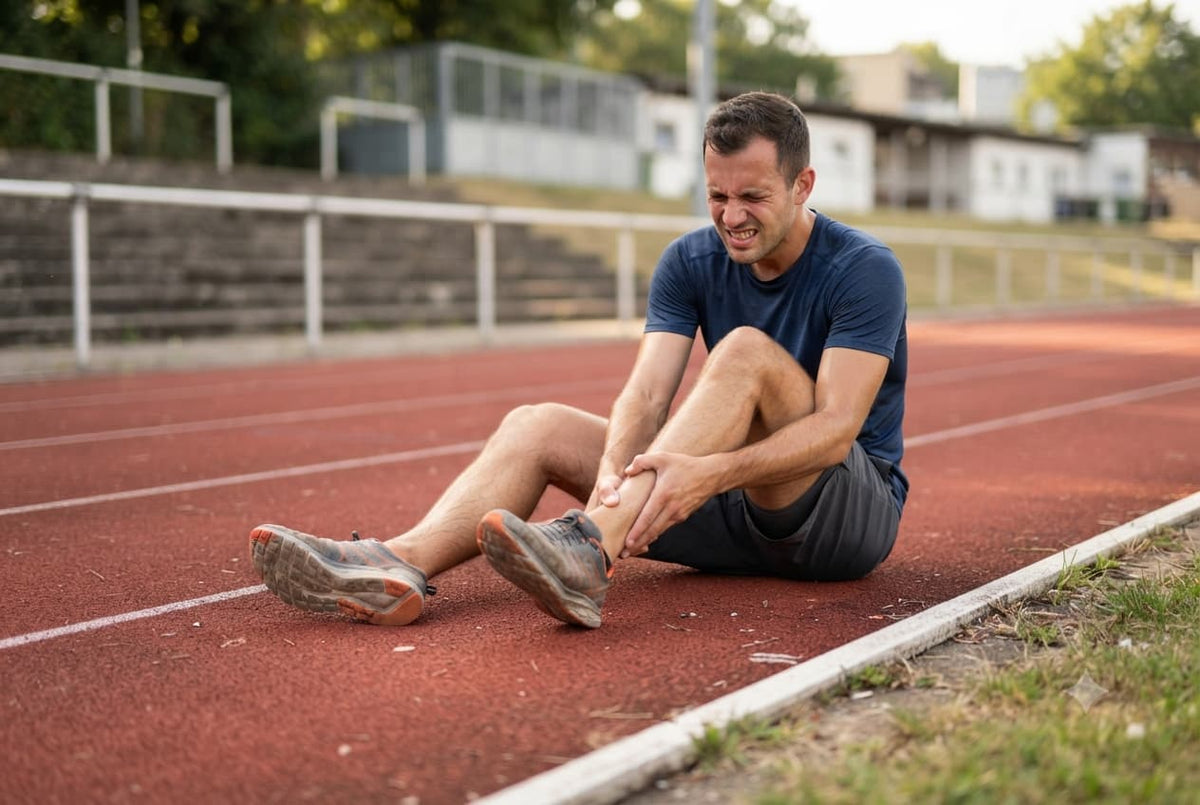
A pulling or pressing sensation along the shin – so-called shin splints – is familiar to many runners and to anyone starting sport again after a longer break. But the lower-leg muscles can also feel tight after standing for a long time. Often, muscle and fascia tension around the shin is behind it. In this article we show you exercises that can help, and what to watch out for before you simply carry on training.
Why the shin tightens up so quickly
The tibialis anterior lifts the foot when you walk and run – it works with every single step. Unfamiliar loads, a jump in training volume from one week to the next, hard ground or unsuitable shoes can all cause the muscle and the surrounding connective tissue to become overloaded and feel tense.
Shortened calf muscles often play a part too: if the calves are tight, the opposing shin muscle has to do more compensating work with every step – one reason why many exercises for shin pain also target the calf.
Treatment for shin splints usually works on two levels: in the short term, loosening and stretching the muscles and fascia around the shin; in the medium term, addressing the cause – for example too rapid an increase in training, hard footwear or shortened calves. The following 5 exercises cover both.
5 exercises for shin pain
1. Fascia roller on all fours for the tibialis anterior
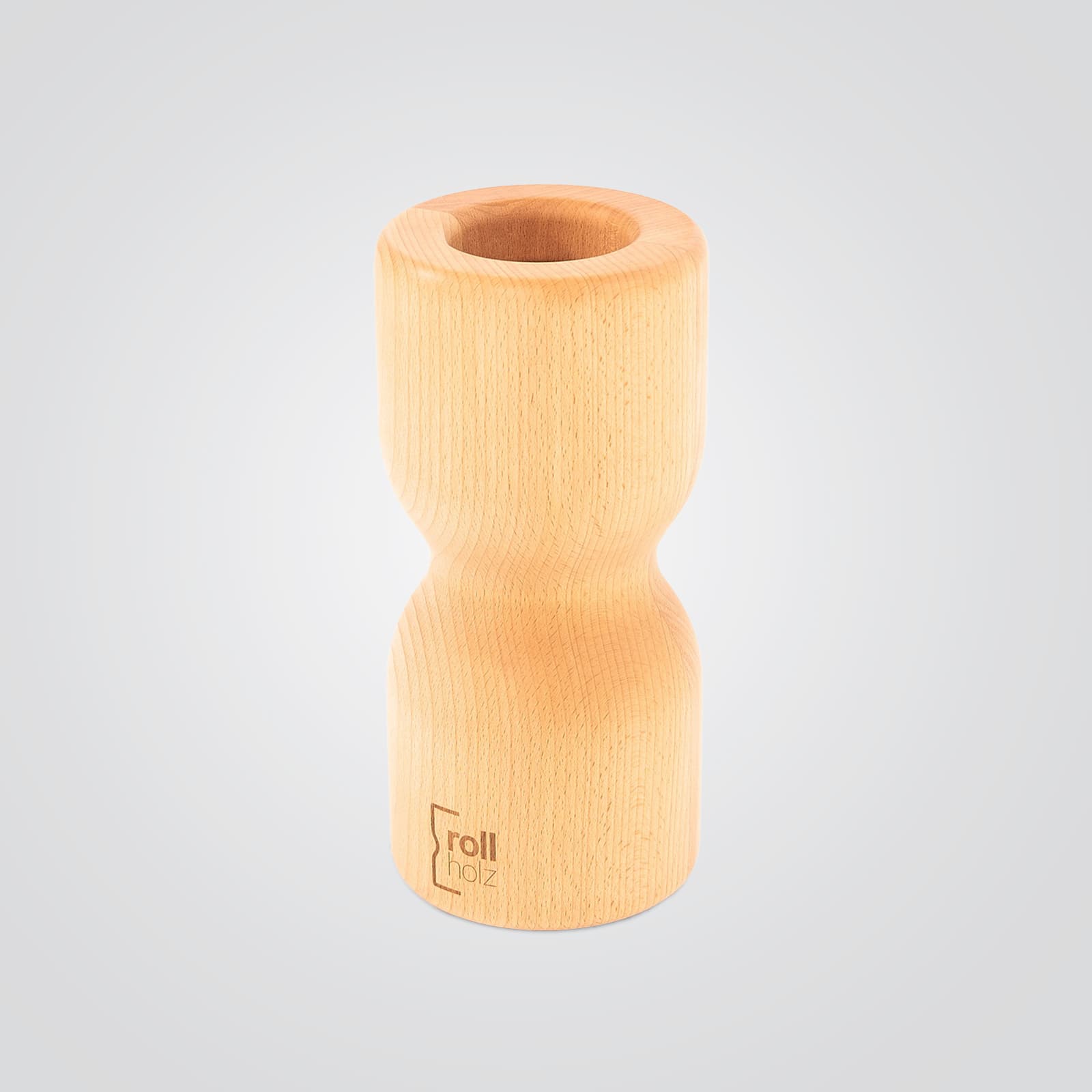
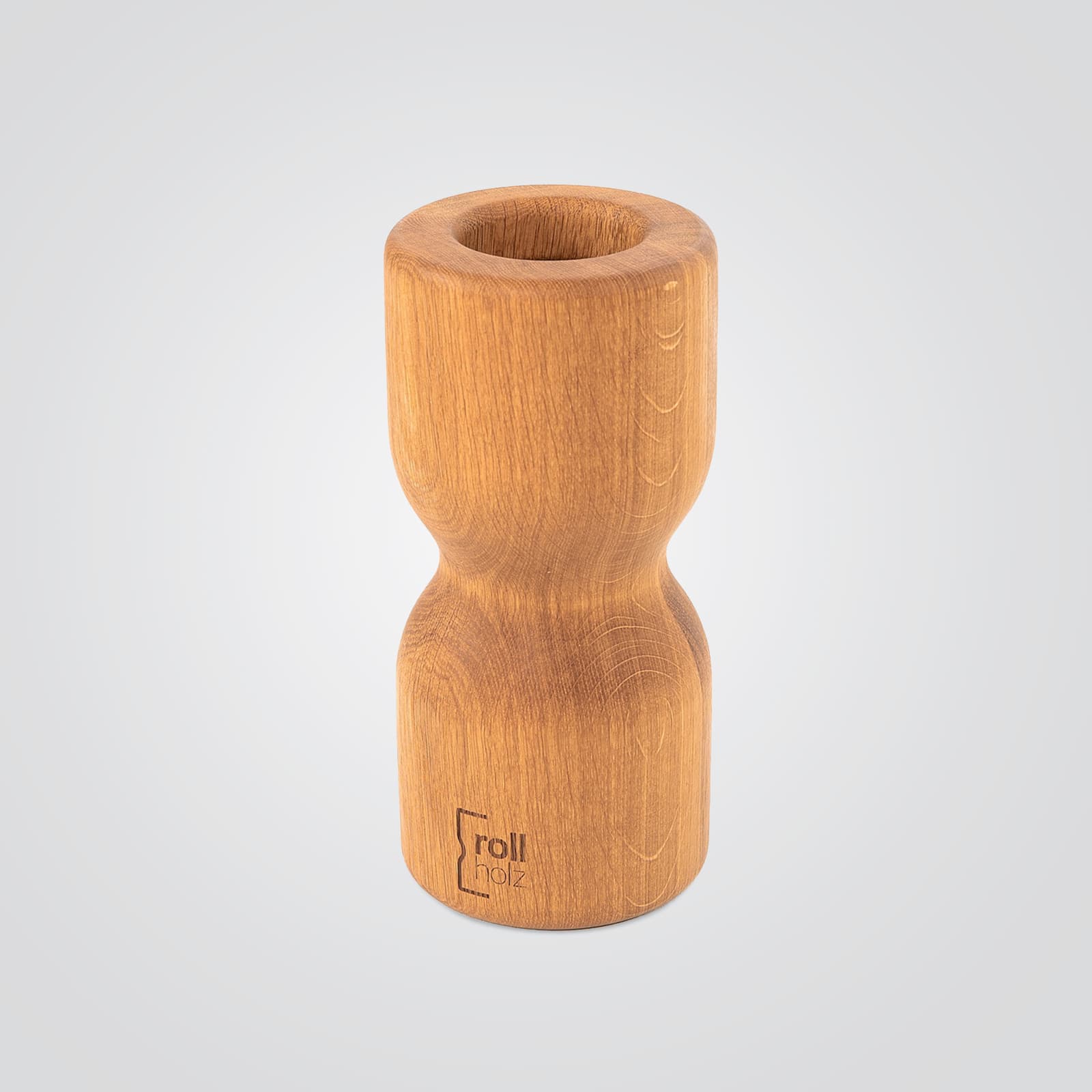
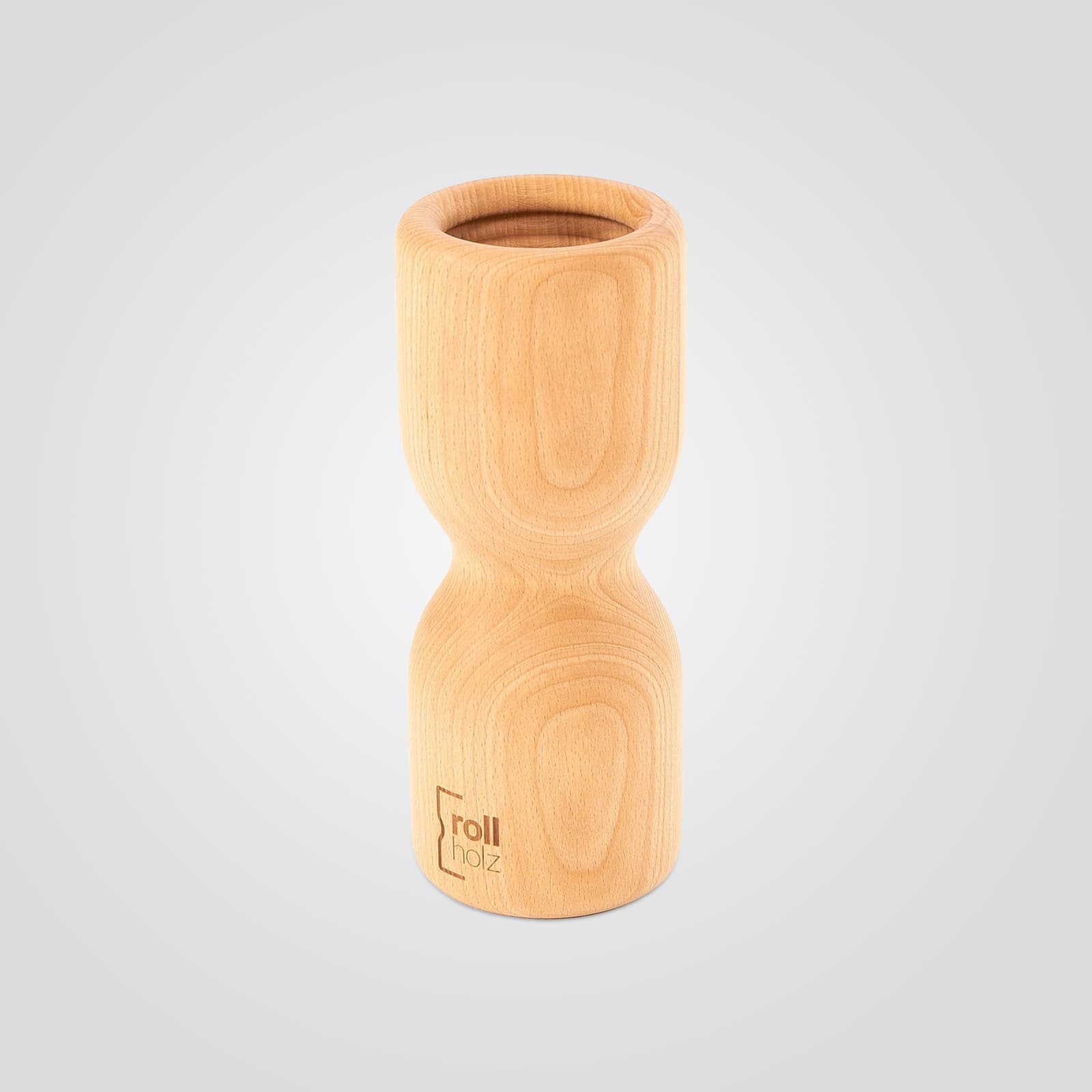
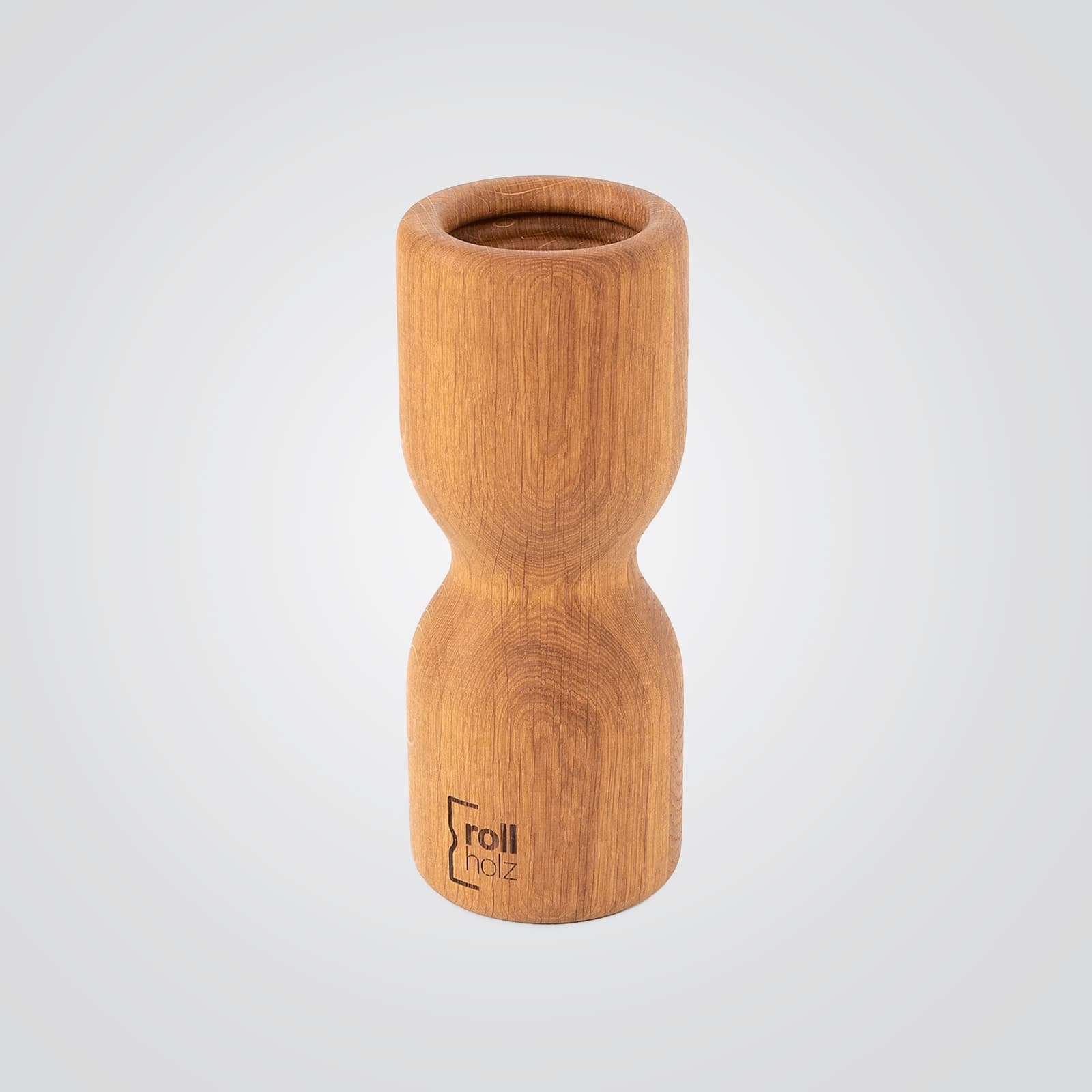
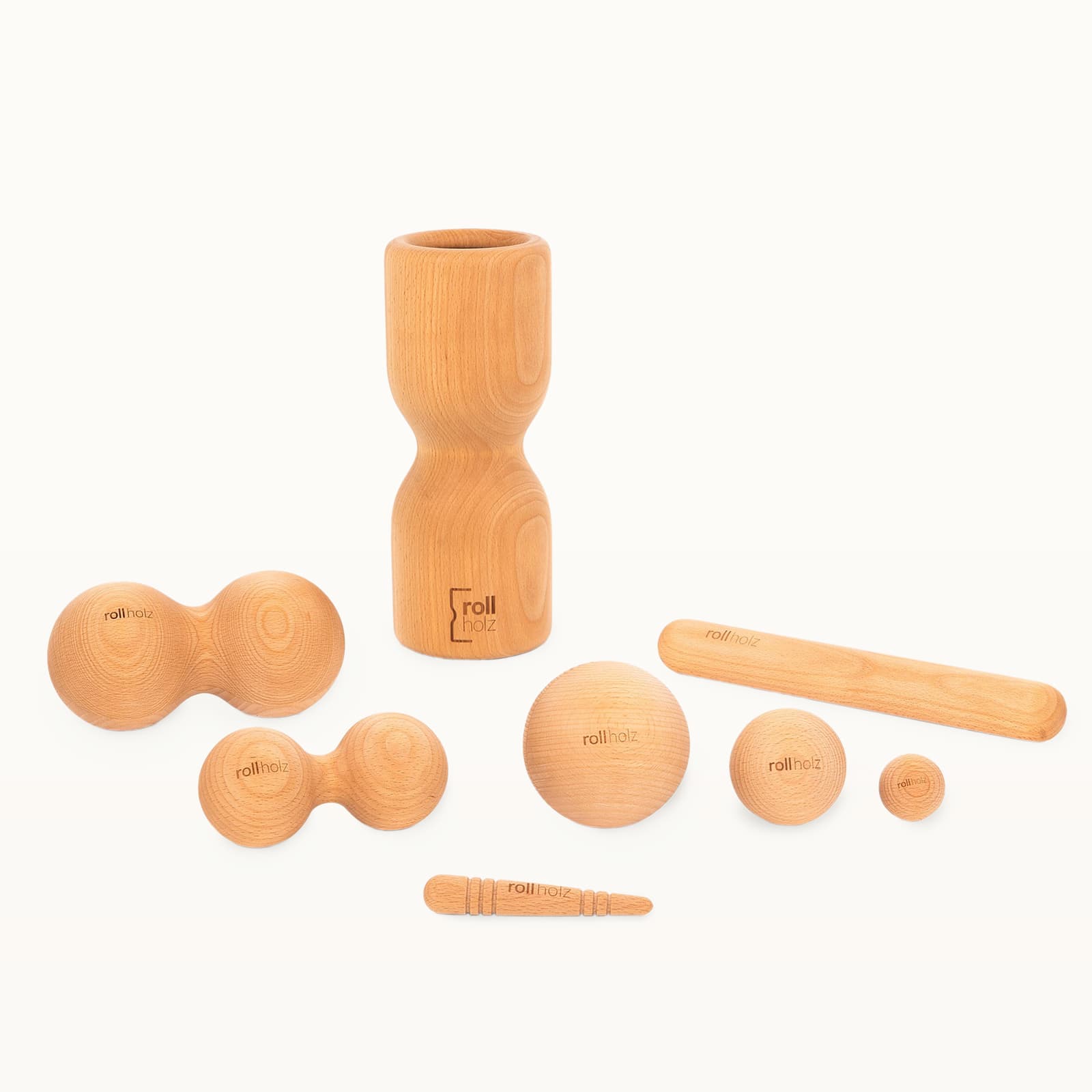
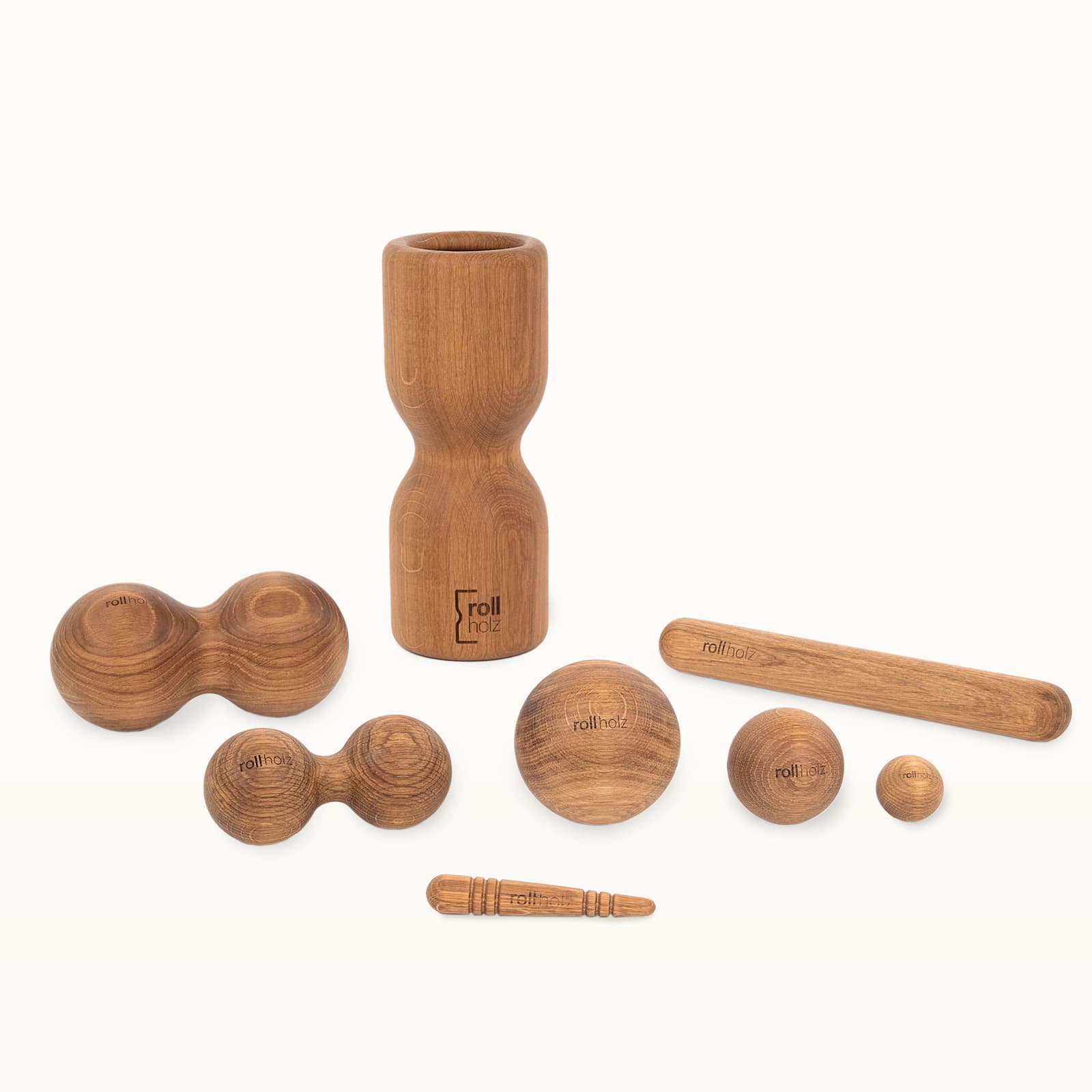
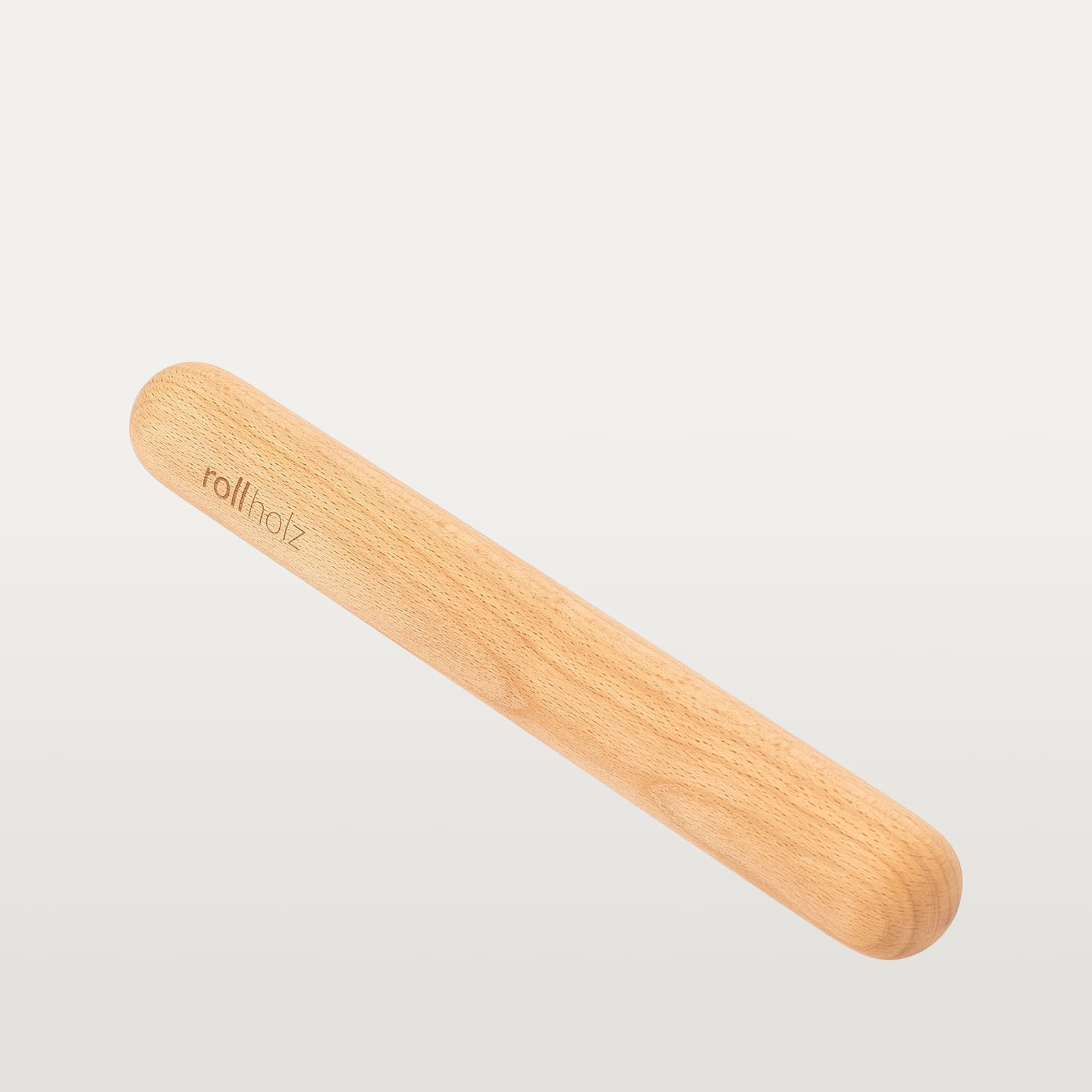
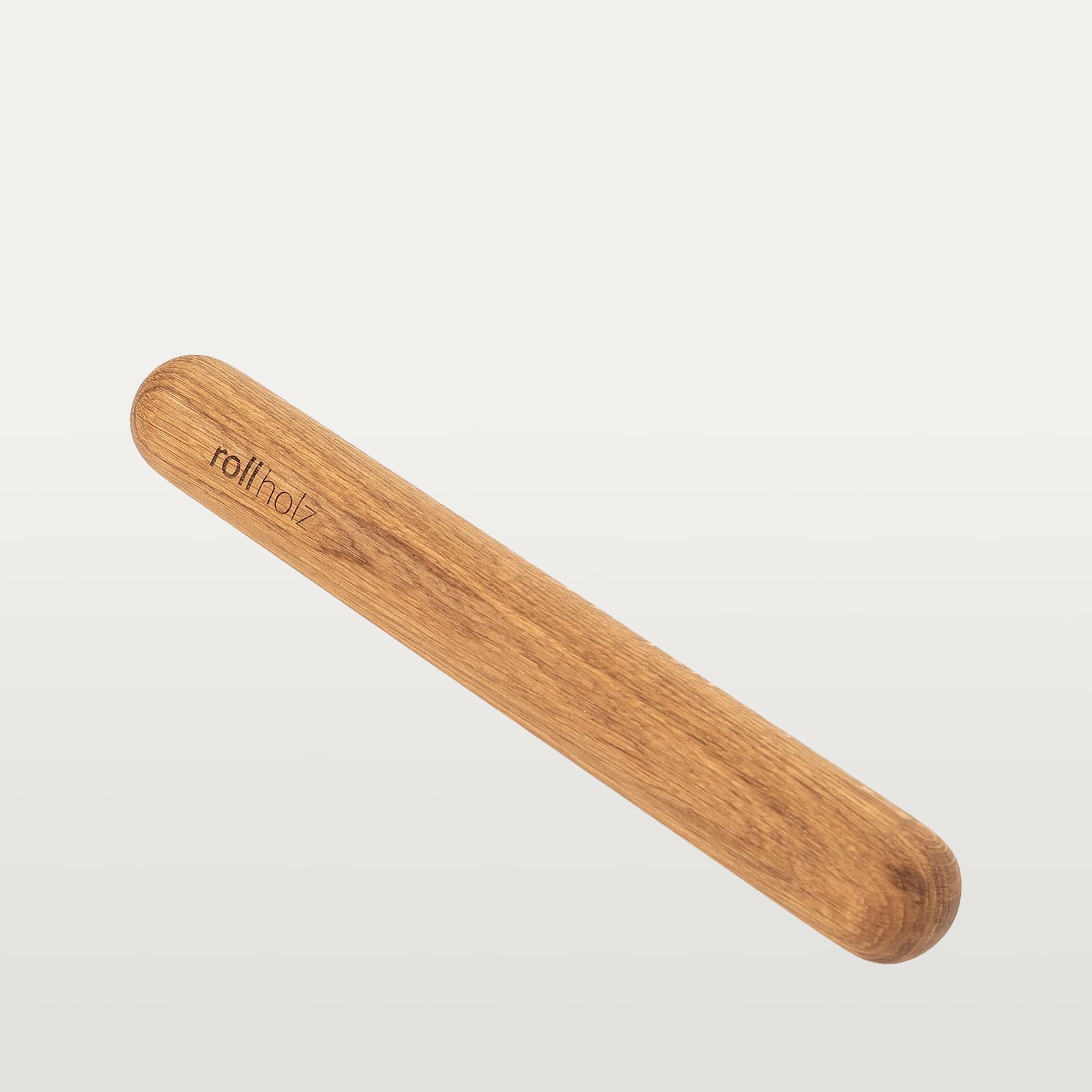
Get onto all fours and place both shins on your rollholz original or rollholz Pro fascia roller. By slowly bending and straightening your legs you move along the roller from the base of the foot to just below the knee joints. Work slowly and with little body weight – this area is more sensitive than the thigh, for example.
Tip: if the pressure with both legs is too strong, put only one shin on the roller – that reduces the pressure considerably. The other leg supports you with the knee or foot on the floor. In this position you can also rotate the resting leg slightly and roll the muscle specifically in the groove of the fascia roller – many people find that more pleasant than the smooth surface.
2. Mini roller for the outer edge of the shin
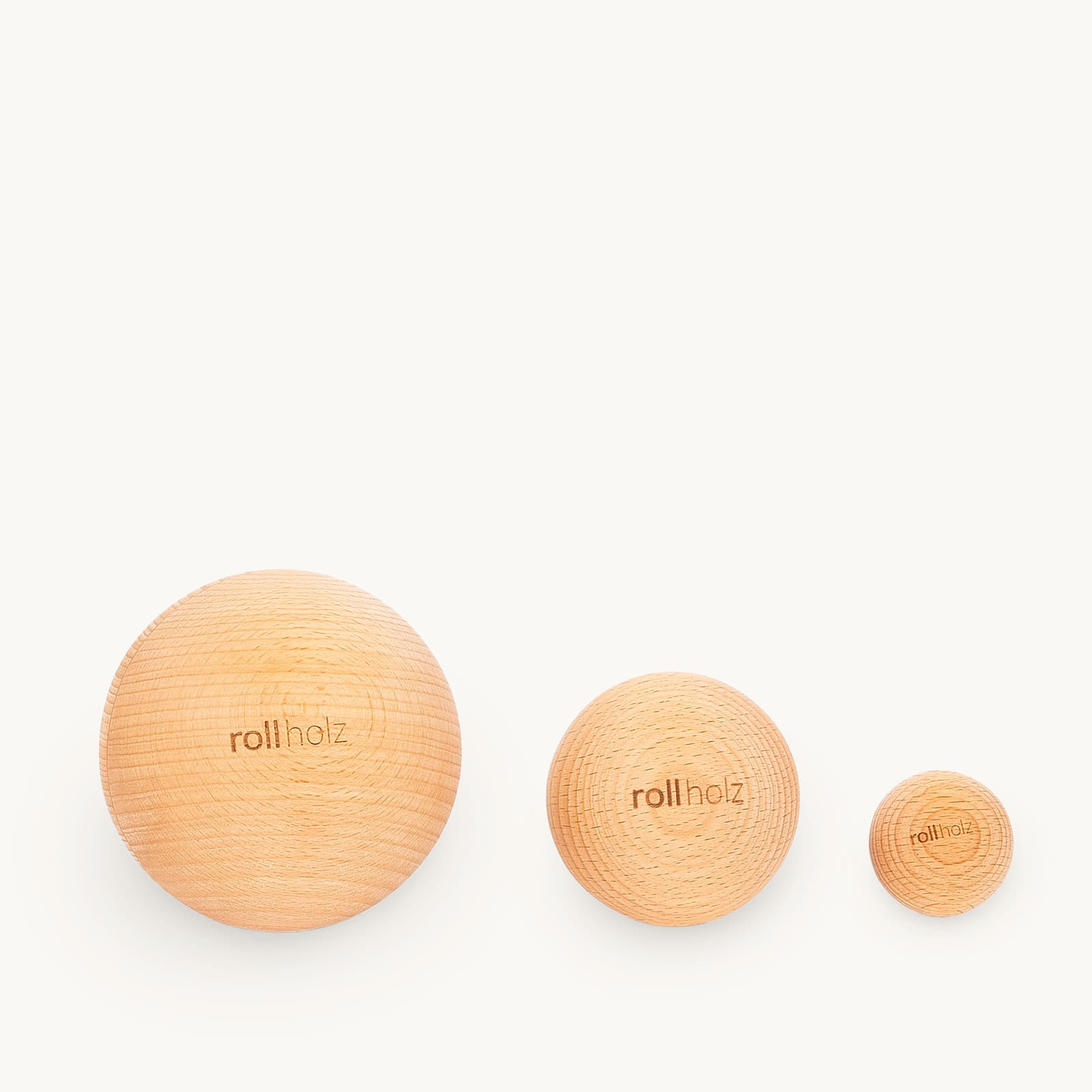
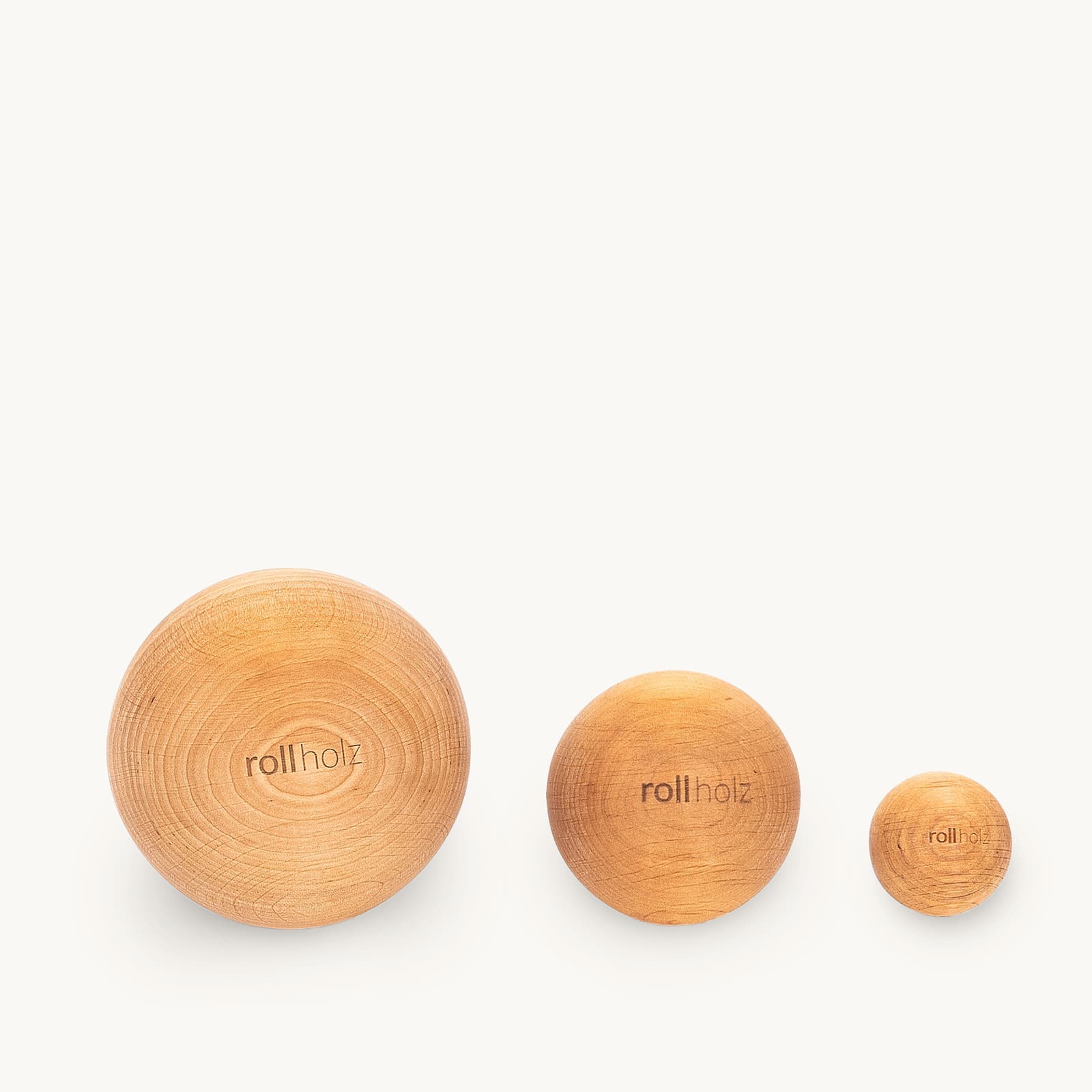
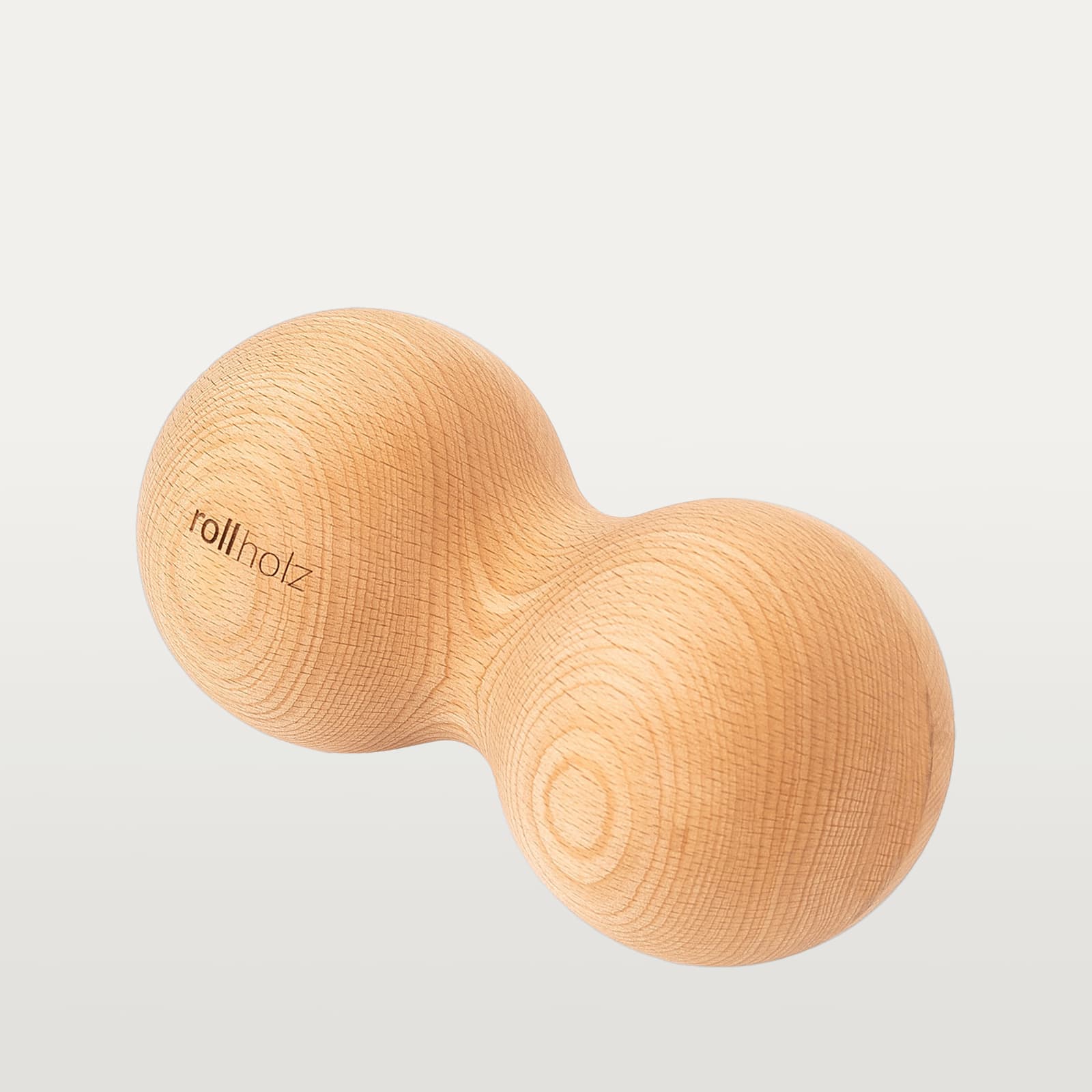
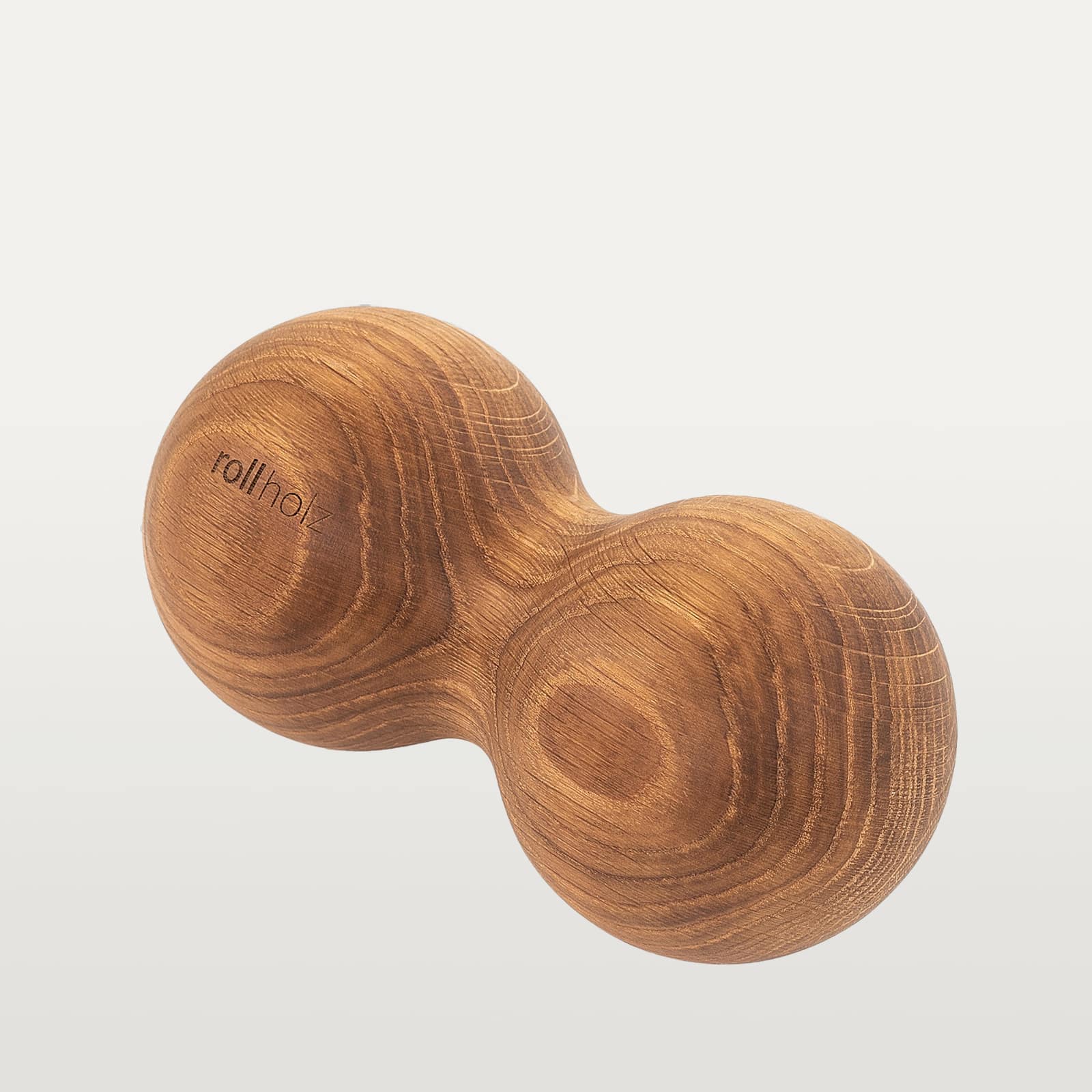
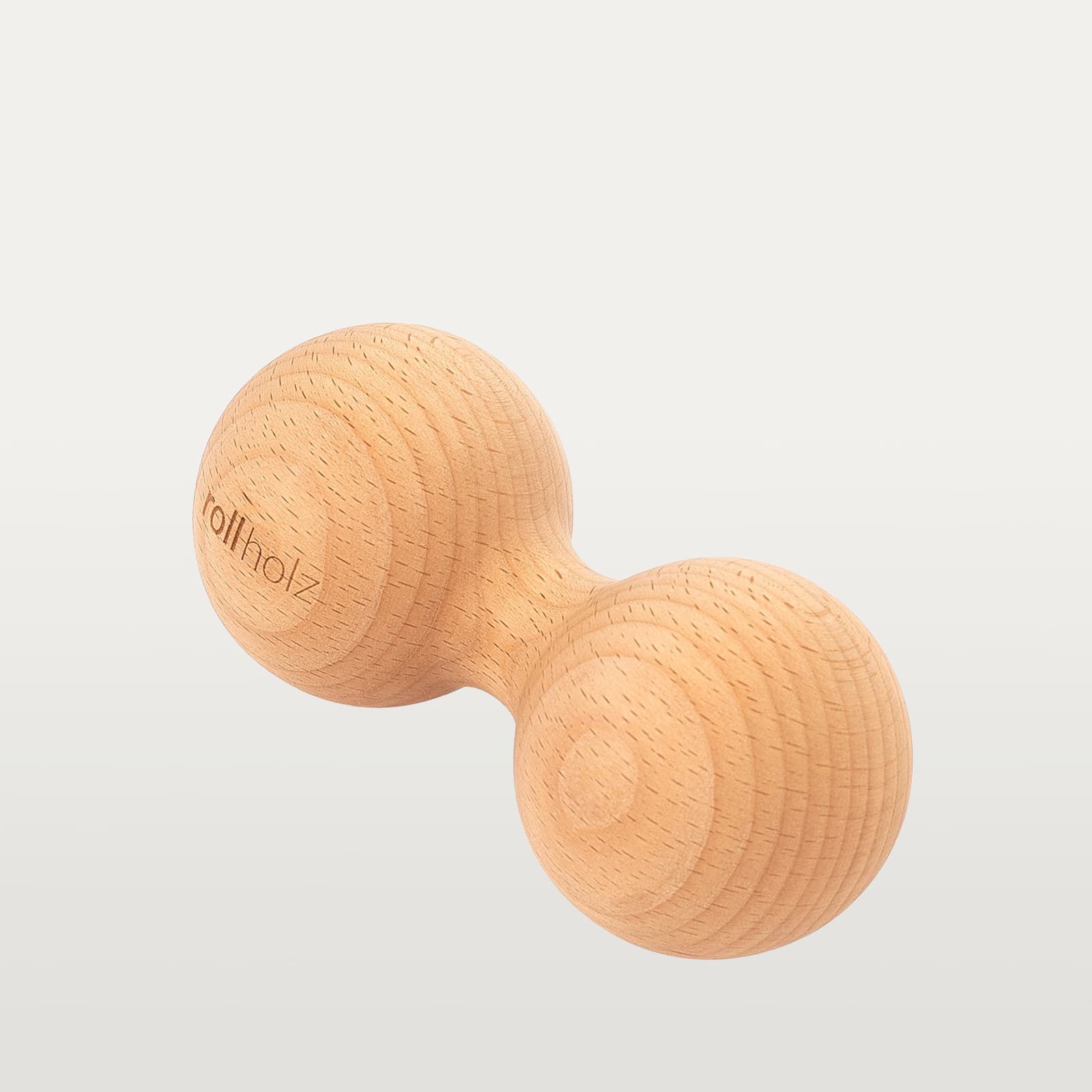
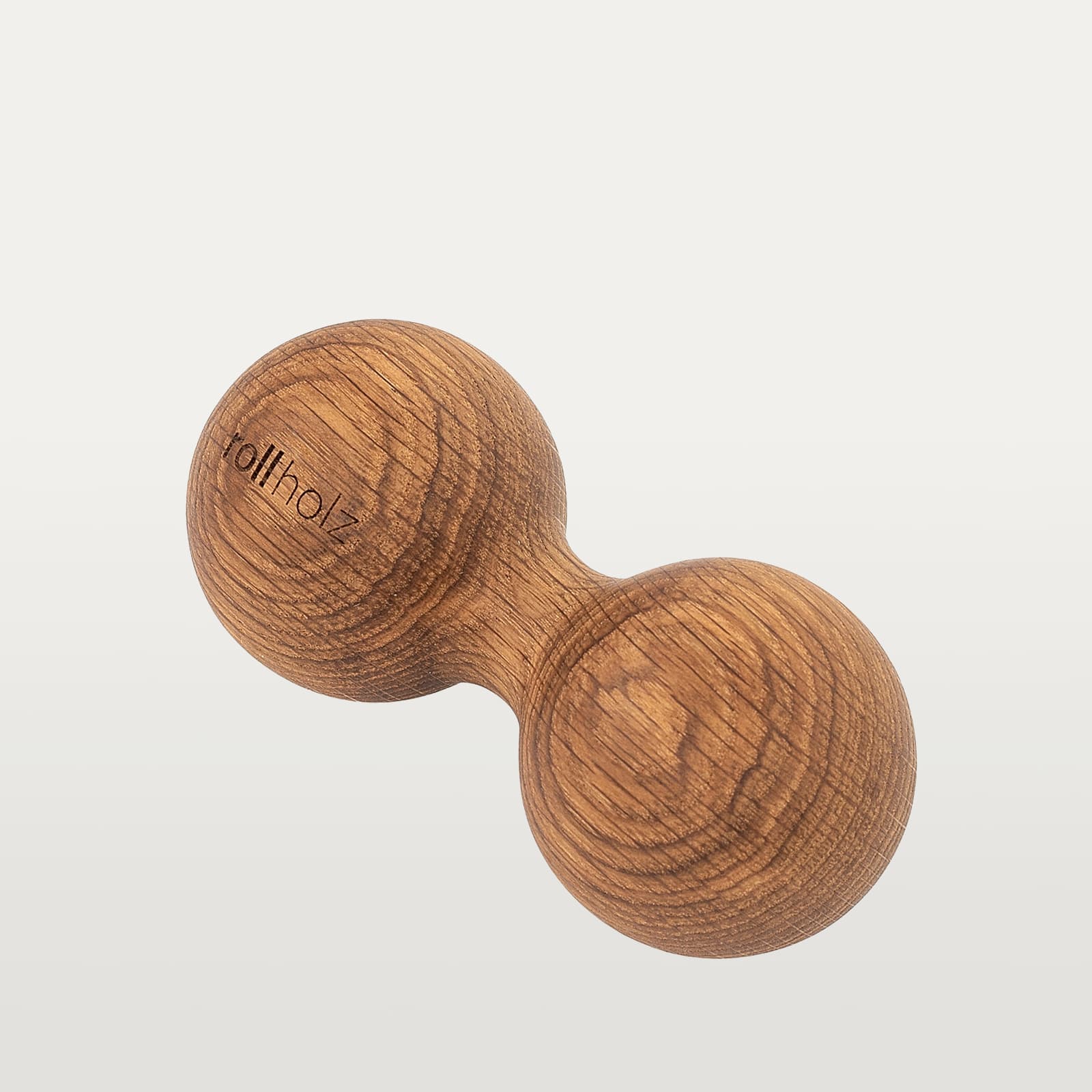
Sit down and take the rollholz mini roller in both hands, one on the left and one on the right. Slide it along the outer edge of the shin, where muscle meets bone, and apply the pressure directly through your hands onto the muscle. This lets you dose the intensity very precisely – for many people this zone is particularly sensitive, so start with light pressure.

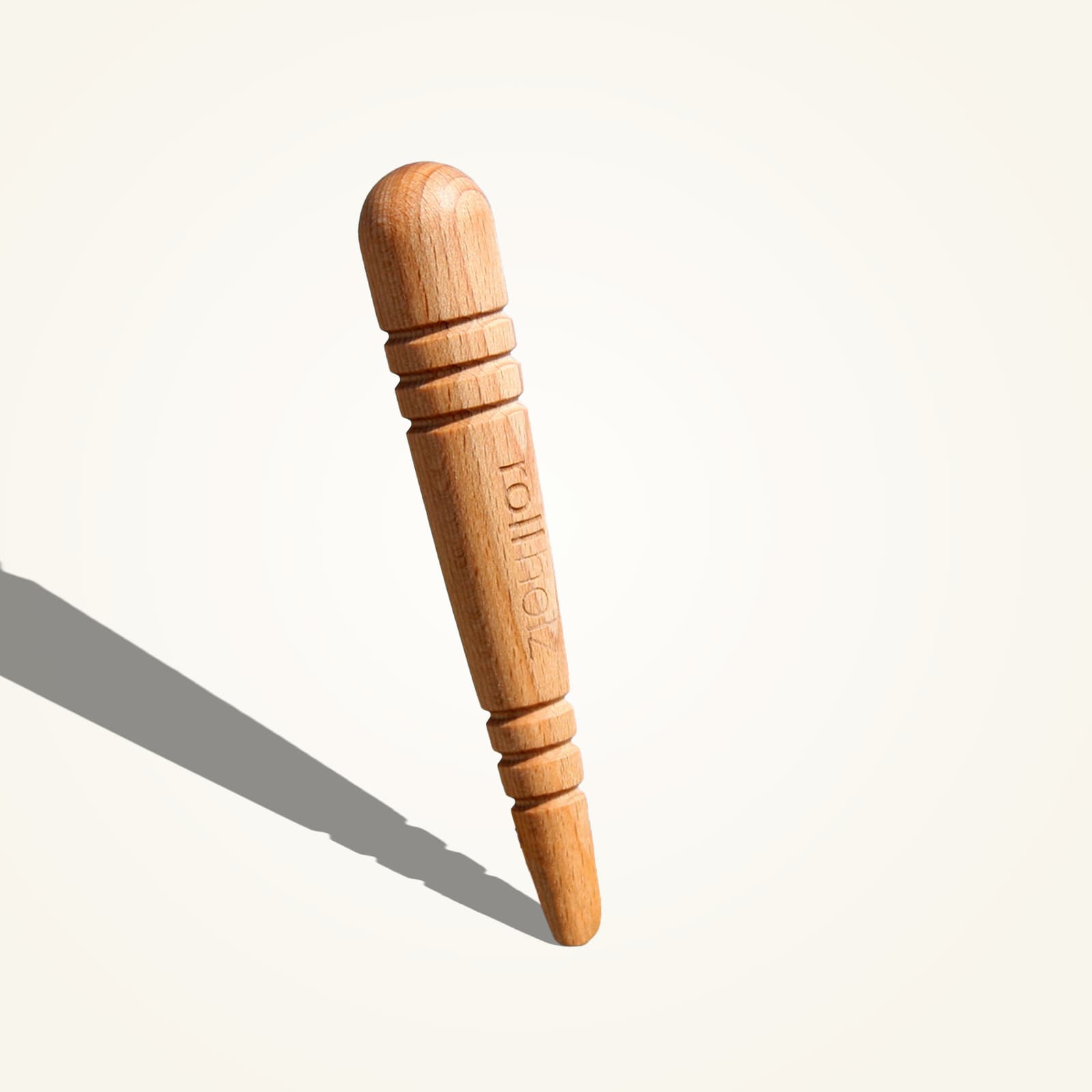
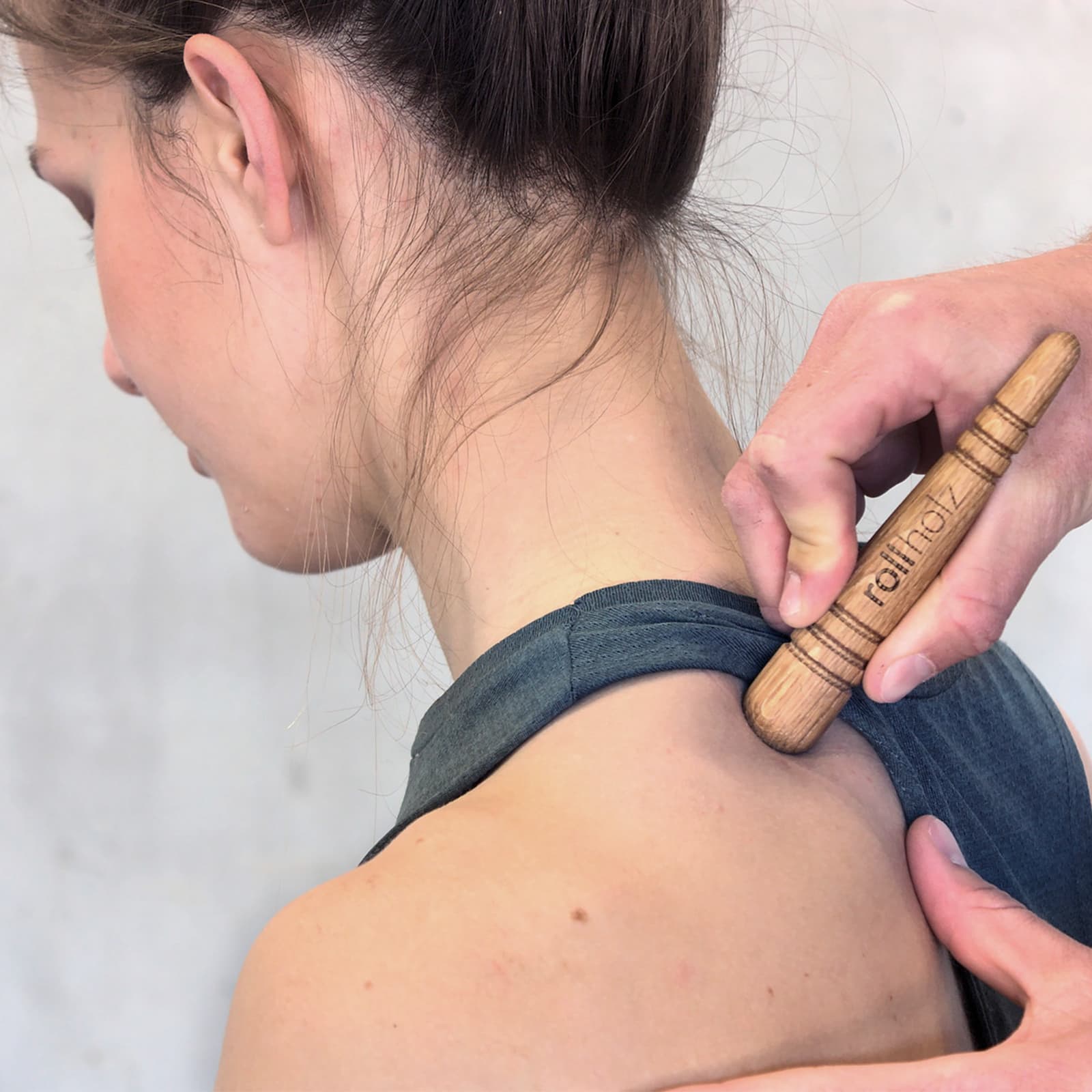
3. Trigger stick for individual tight spots
With the rollholz trigger stick you can work more precisely than with the roller. Move slowly along the shin edge and pause for a few breaths with gentle pressure wherever it feels especially tight or tender. Don't press directly on the bone – always stay in the muscle and soft tissue beside it.
4. Calf stretch against the wall
Stand in front of a wall with your leg straight, the sole of your foot flat on the floor and the heel down. Lean against the wall with your hands until you feel a stretch in the calf, and hold for 20–30 seconds. Since shortened calves often go hand in hand with shin complaints, this stretch is a worthwhile addition – for example with our calf stretcher & balance wedge for an even more targeted position.
5. Active foot lift for strength
Sit down, keep the heel on the floor and pull the ball of your foot slowly and under control towards you, then lower it again. 2–3 sets of 15–20 repetitions can strengthen the tibialis anterior and make it more resistant to overload – especially if you are just getting back into running or sport.
Shin pain – when a break makes more sense than training
With muscular tension, the exercises above usually help within a few days. Important: reduce impact activities such as running or jumping during this time instead of simply carrying on – otherwise the overload can get worse. Afterwards, build your running back up slowly, ideally by no more than 10 % of volume per week.
When to see a doctor or physiotherapist
Shin splints are usually harmless, but in rare cases similar symptoms can point to something more serious, such as a stress fracture. Some of the signs overlap. Please get checked by a doctor if:
- the pain is very localised at a single point on the bone rather than spread along the shin edge
- the pain persists at rest or at night instead of easing with a break
- the symptoms do not improve after 2–3 weeks despite a training break and exercises
- swelling, redness or heat develops on the shin
- the symptoms start after a fall or an acute injury
Conclusion
Tight shins can often be brought under control with targeted exercises and a little patience – fascia roller, mini roller and trigger stick help to loosen the muscles and connective tissue around the shin. Just as important is giving the affected area less impact for a while. If the symptoms persist or change anyway, it is better to have them checked by a doctor.



Leave a comment
This site is protected by hCaptcha and the hCaptcha Privacy Policy and Terms of Service apply.