
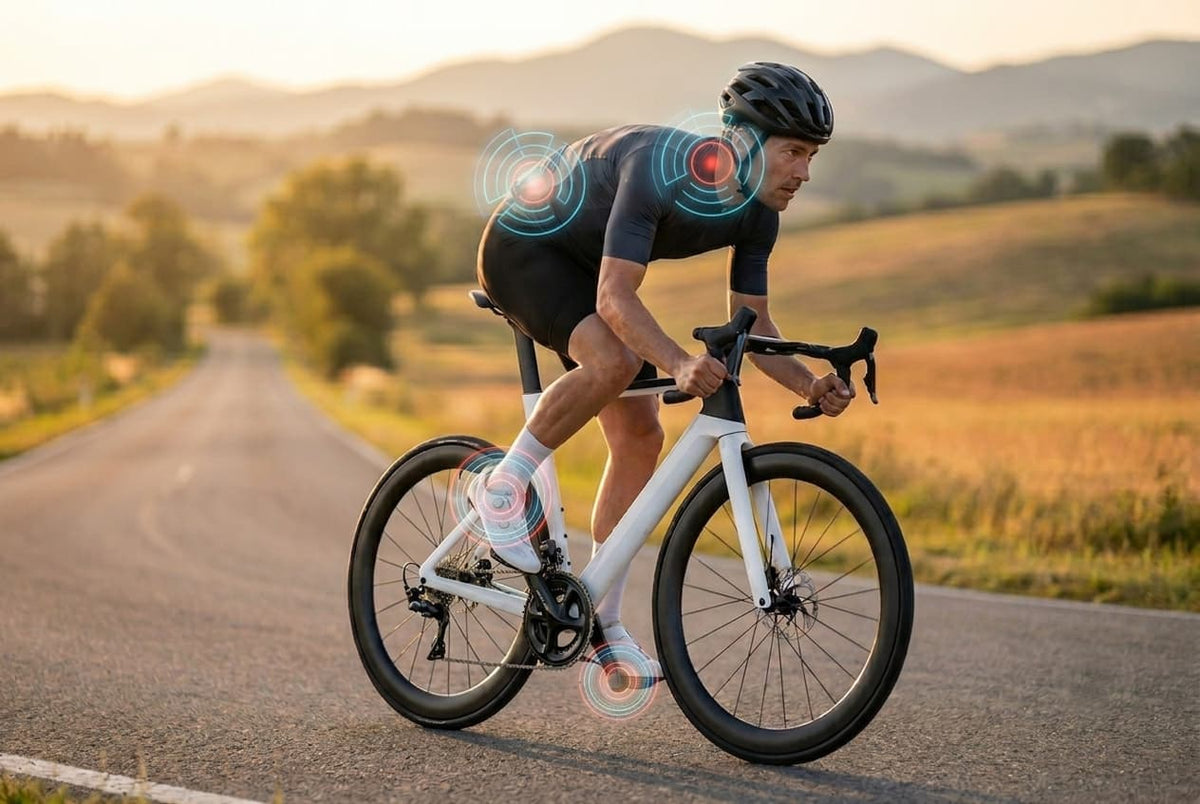
Anyone who spends hours in an aerodynamic position on a road bike or gravel bike knows the typical weaknesses: a stiff neck, a pulling lower back, and burning soles of the feet. These problems often arise not from a lack of fitness, but from rigid, one-sided stress on your connective tissue.
The biomechanical weaknesses of cycling
Your posture on the bike puts your body in a constant state of flexion. The front chain (hip flexors, chest muscles) shortens, while the back chain (back, calves) is under constant tension. In addition, the entire pressure of your pedaling force rests on a very small area under the forefoot.
When the body "freezes": Why rest days are risky
Many cyclists make the mistake of only passively recovering on training-free days. But it is precisely then that the bent cycling posture "solidifies" in your connective tissue. A 10-minute "fascia reset" on free days – with a focus on the front of the body – keeps you supple and prevents you from feeling "rusty" after the break.
The secret weaknesses: Sleeping hands & burning soles
Besides back and neck, many riders suffer from numb hands or burning soles of the feet. This is often not just a matter of equipment, but a sign of excessively high static basic tension in the fascial chains. If the tissue is too tight, it hinders blood flow and nerve pathways. Targeted mobilization creates the necessary space here.

Targeted help against tension
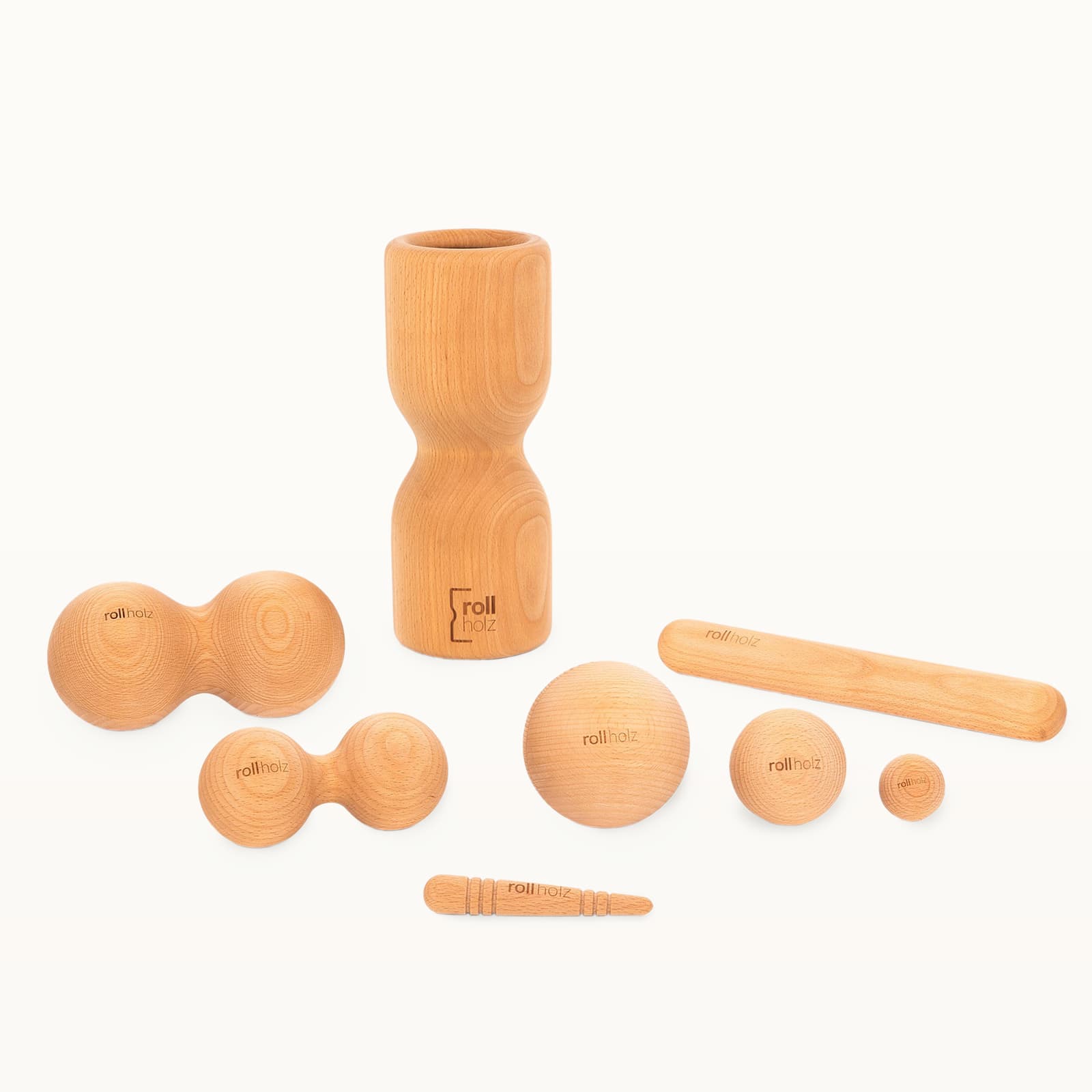
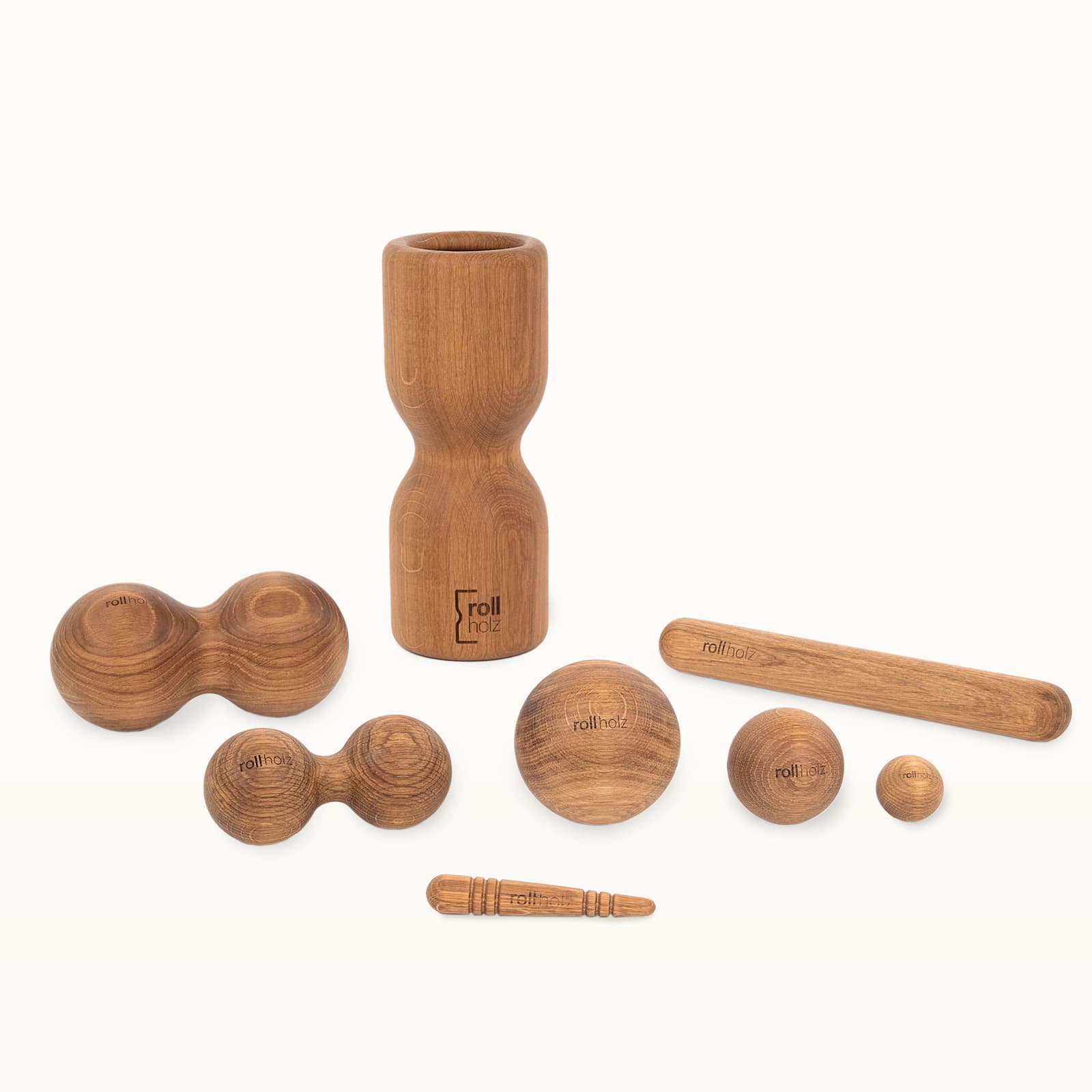
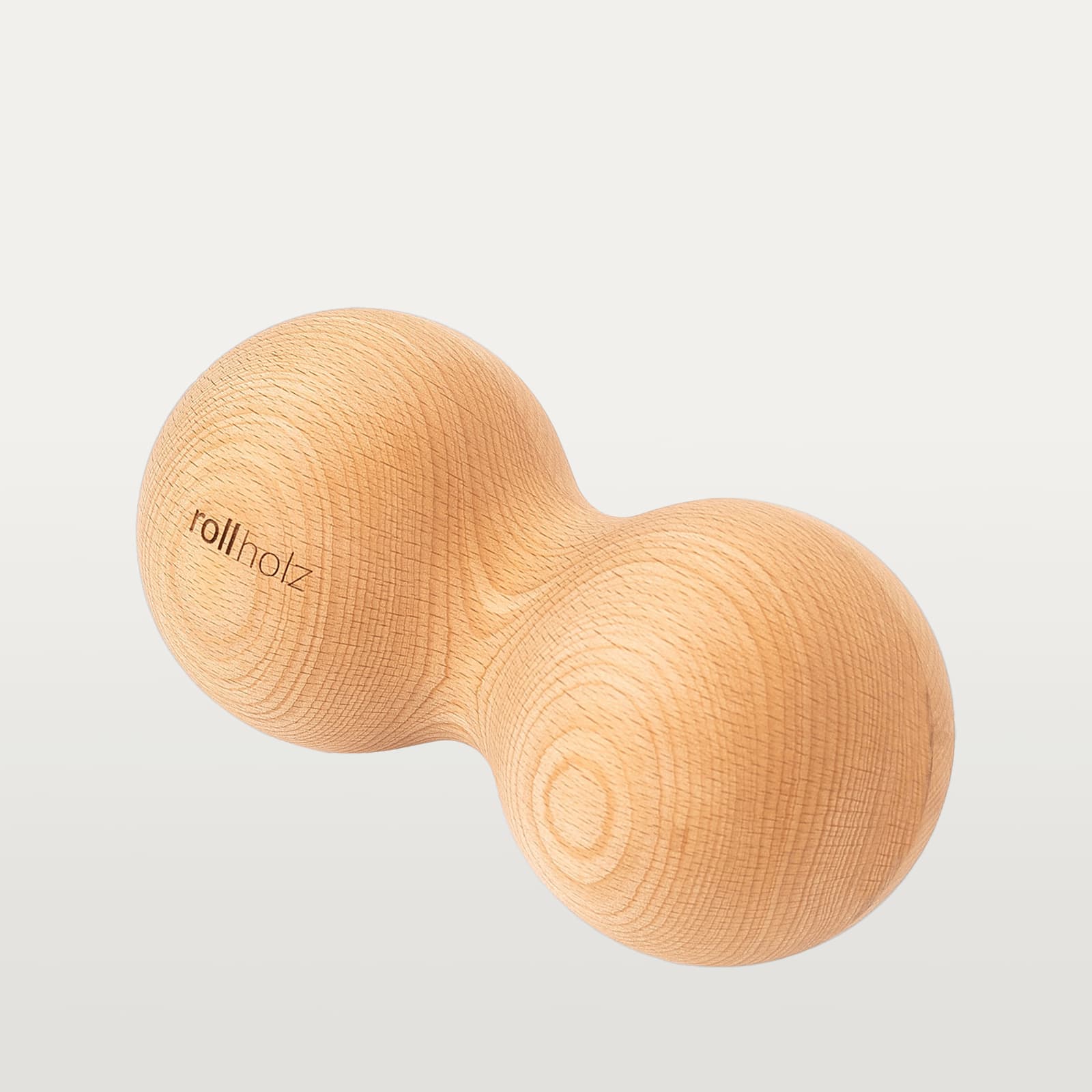
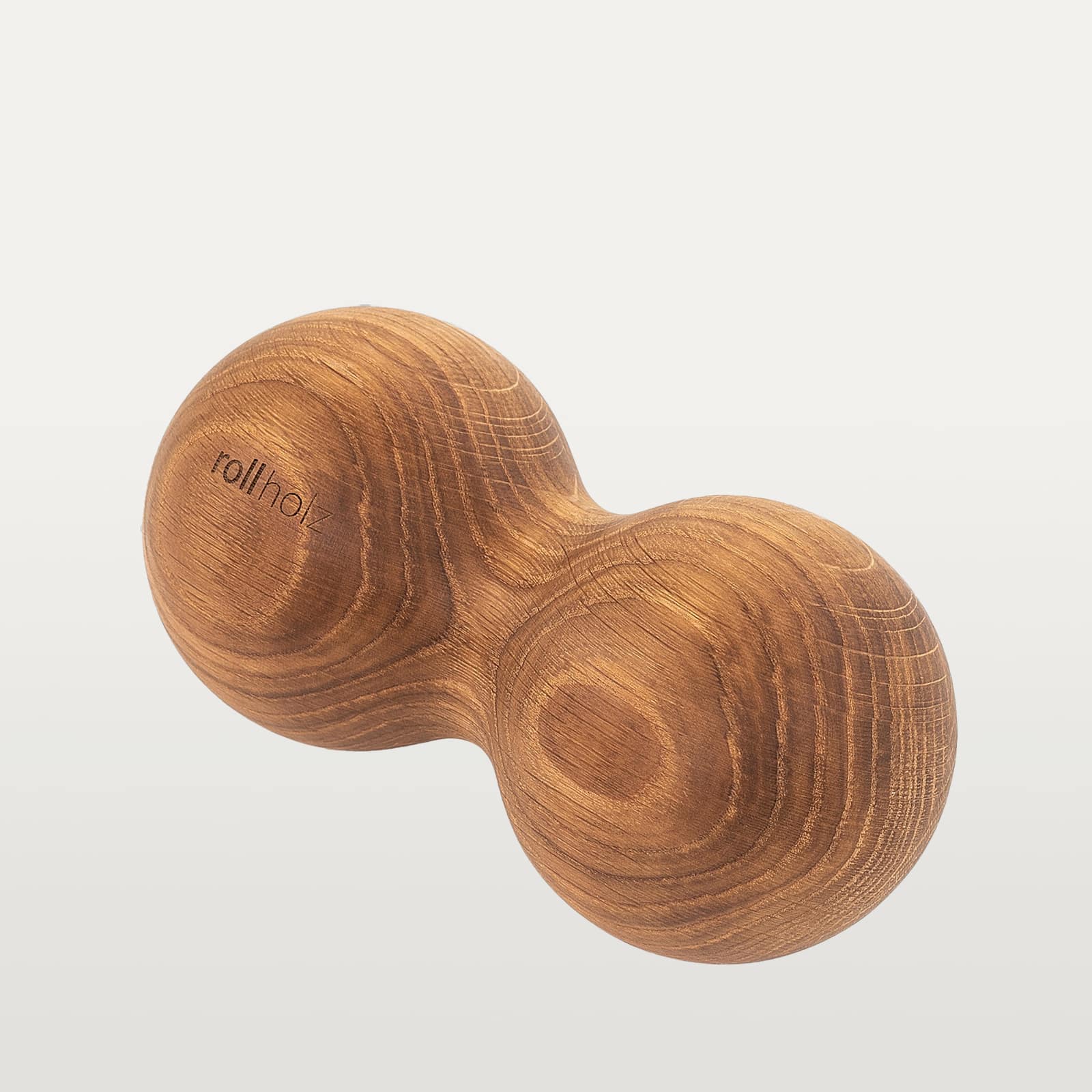
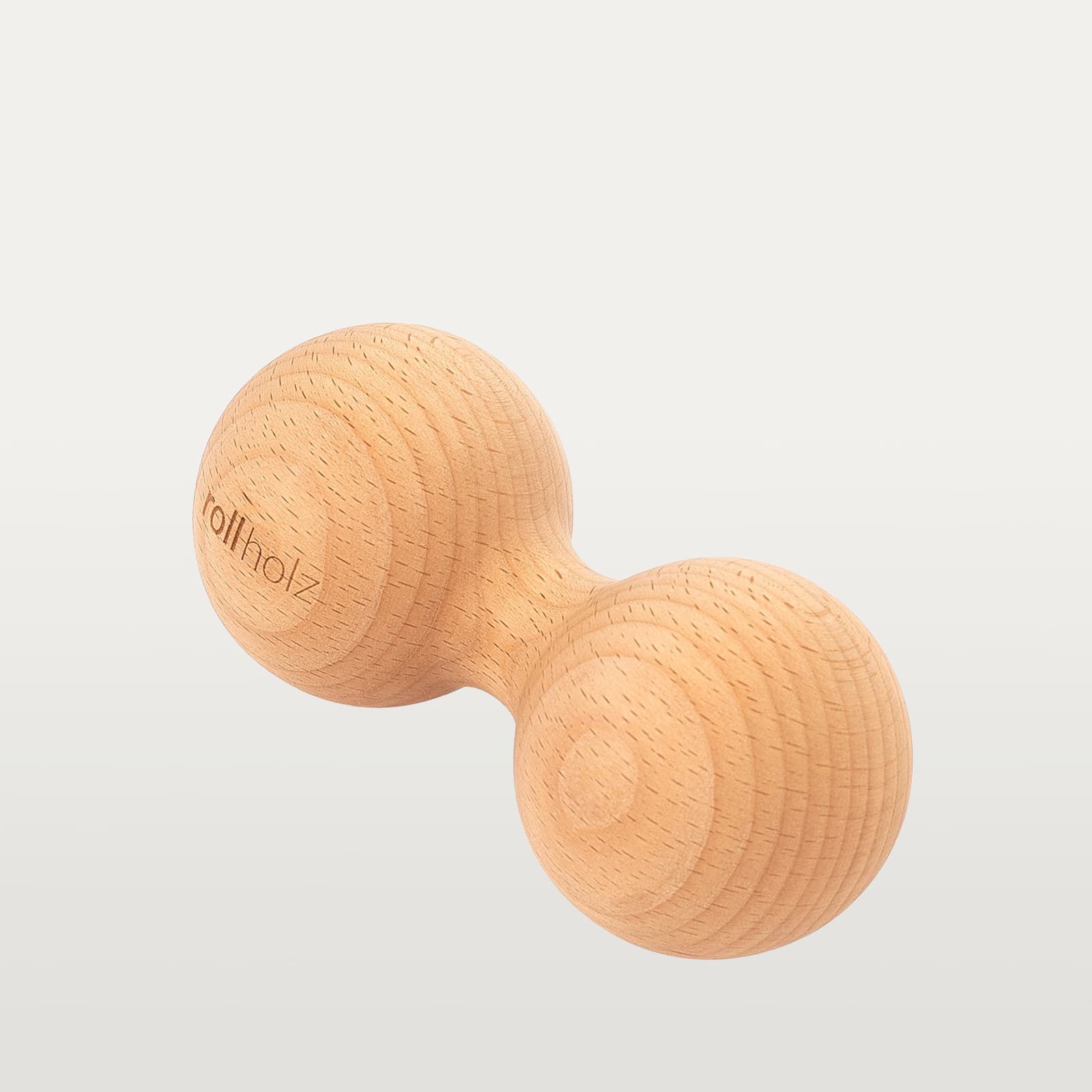
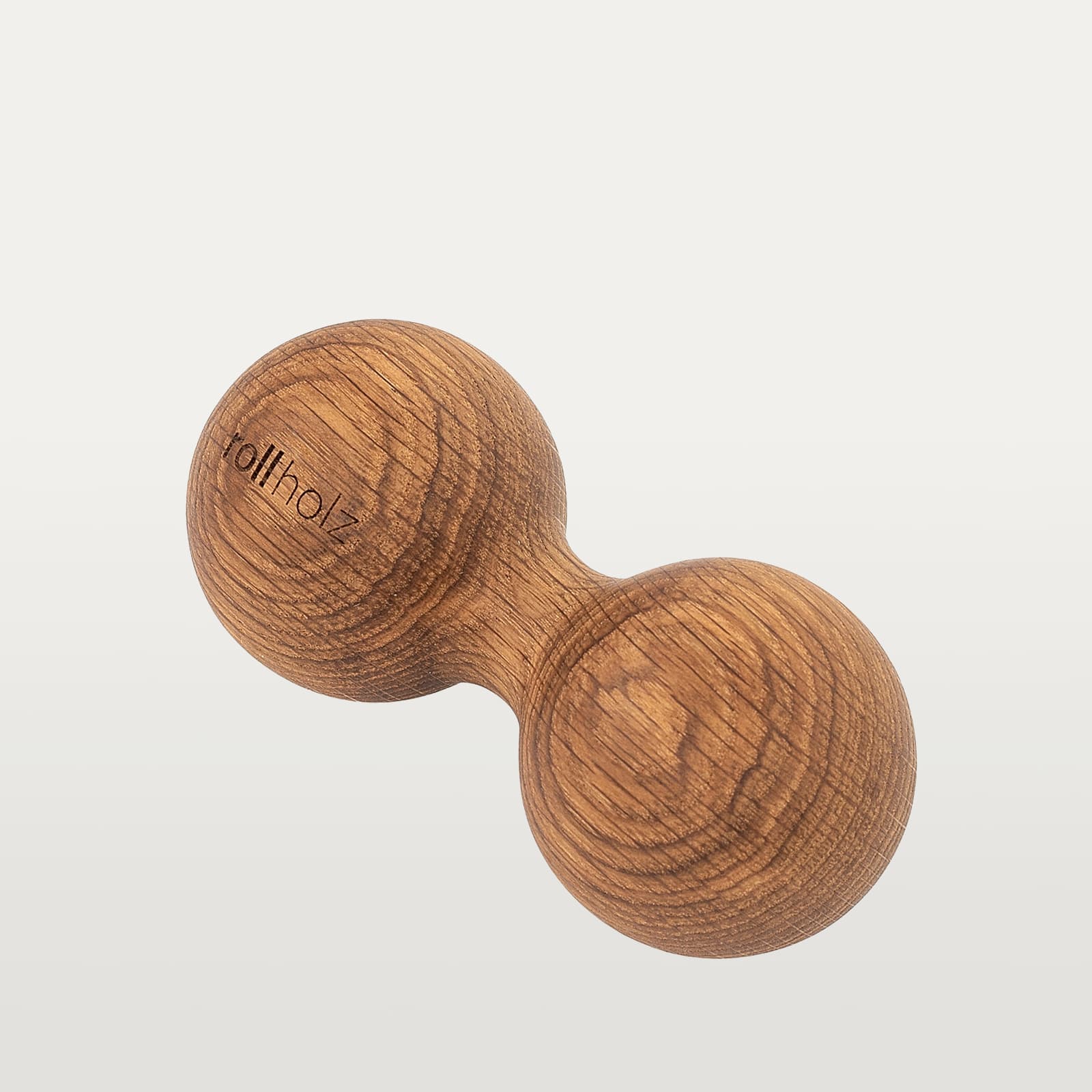
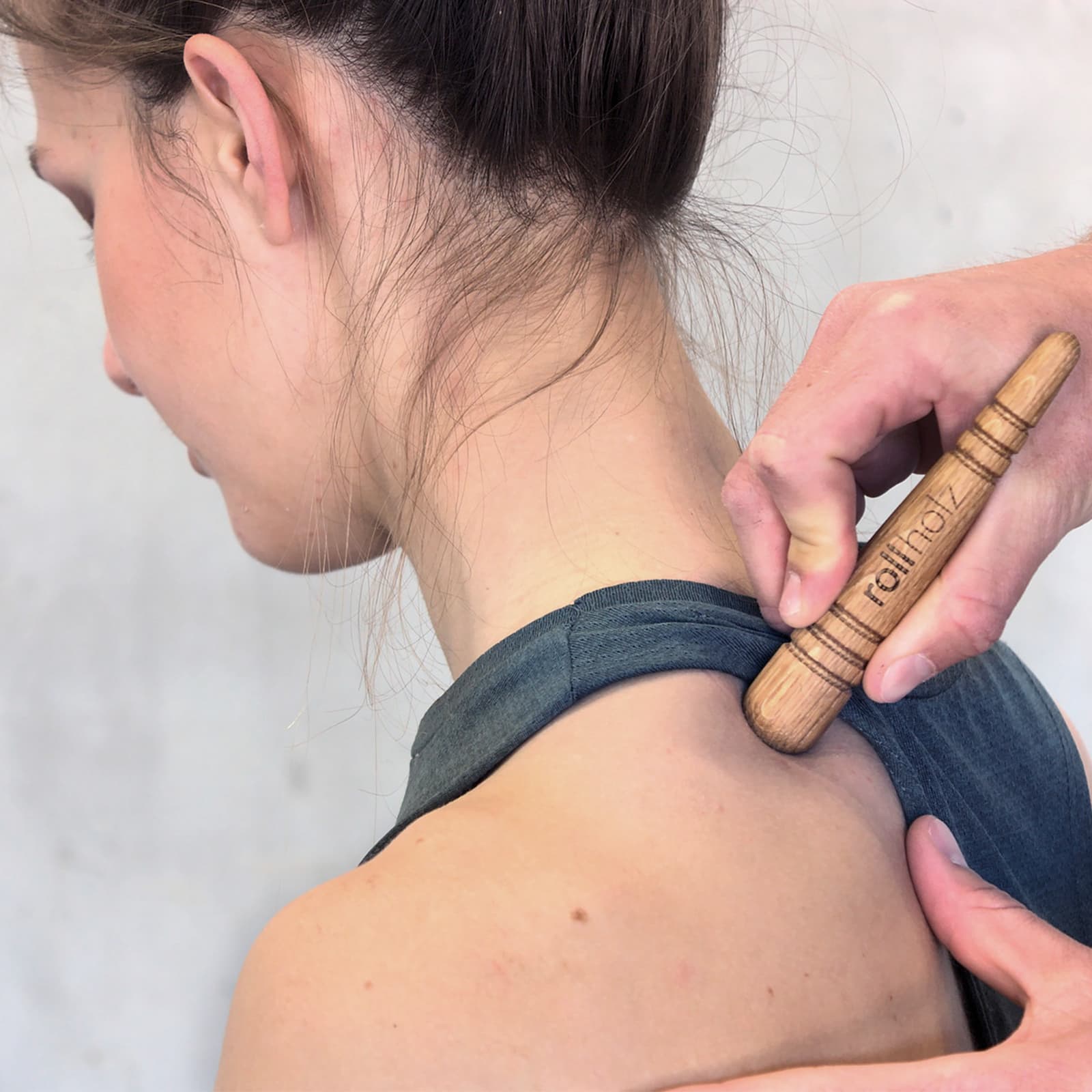
- Neck Pain from Road Cycling: Use the double ball to gently relieve the cervical spine and upper back muscles. This releases the typical "desk neck" of cycling.
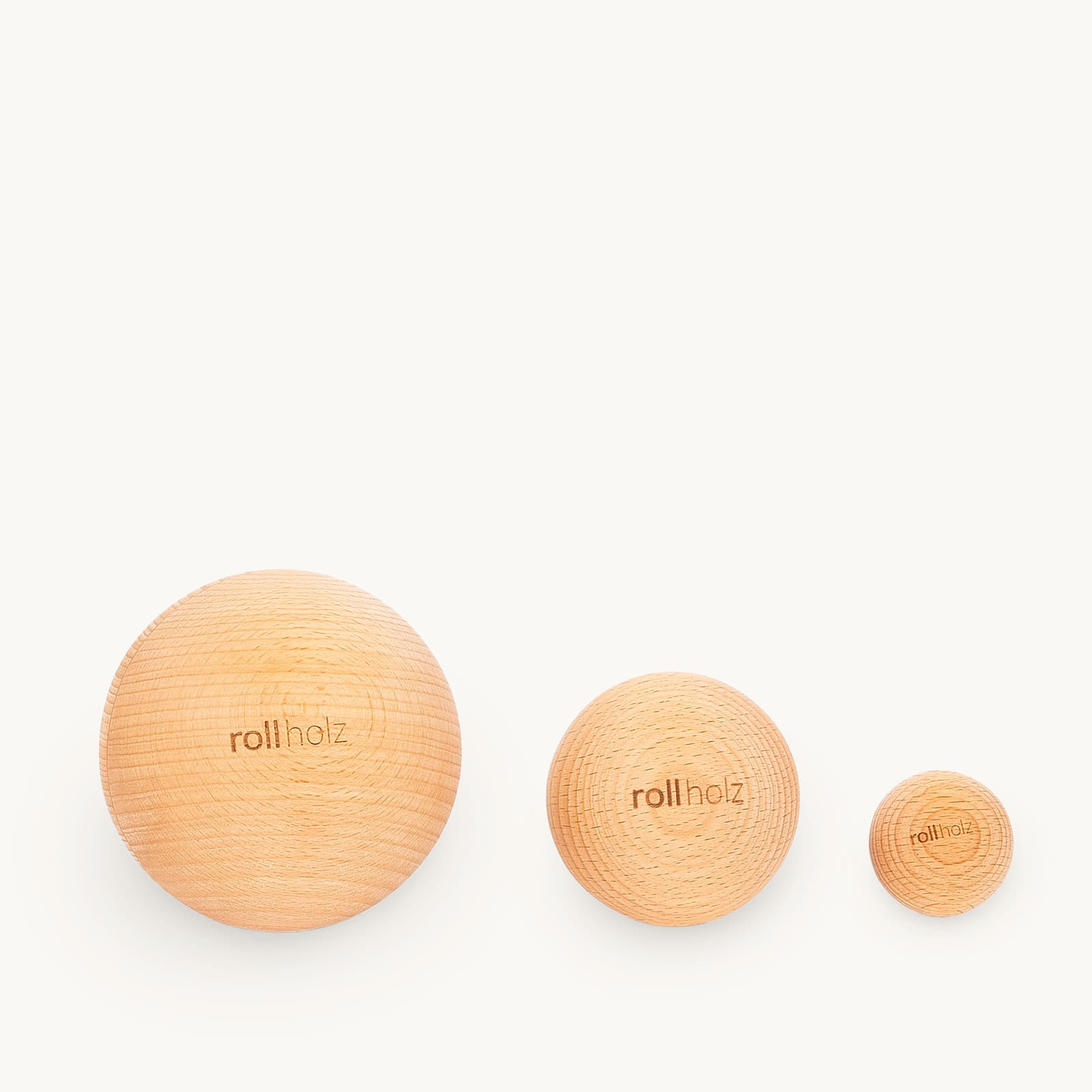
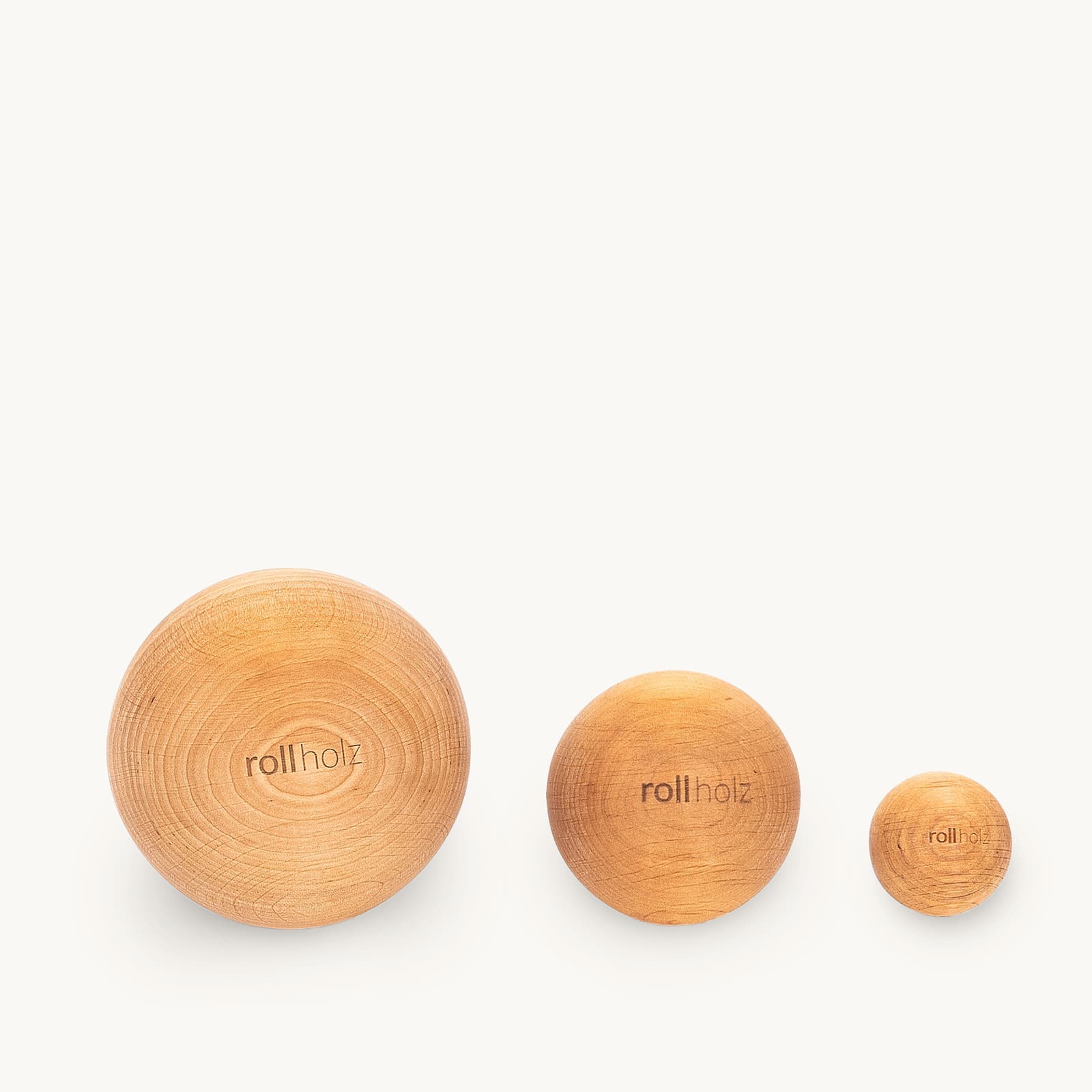
- The Sole of the Foot: To counteract the typical "burning" sensation, rehydrating the plantar fascia after the tour with the mini roller helps.
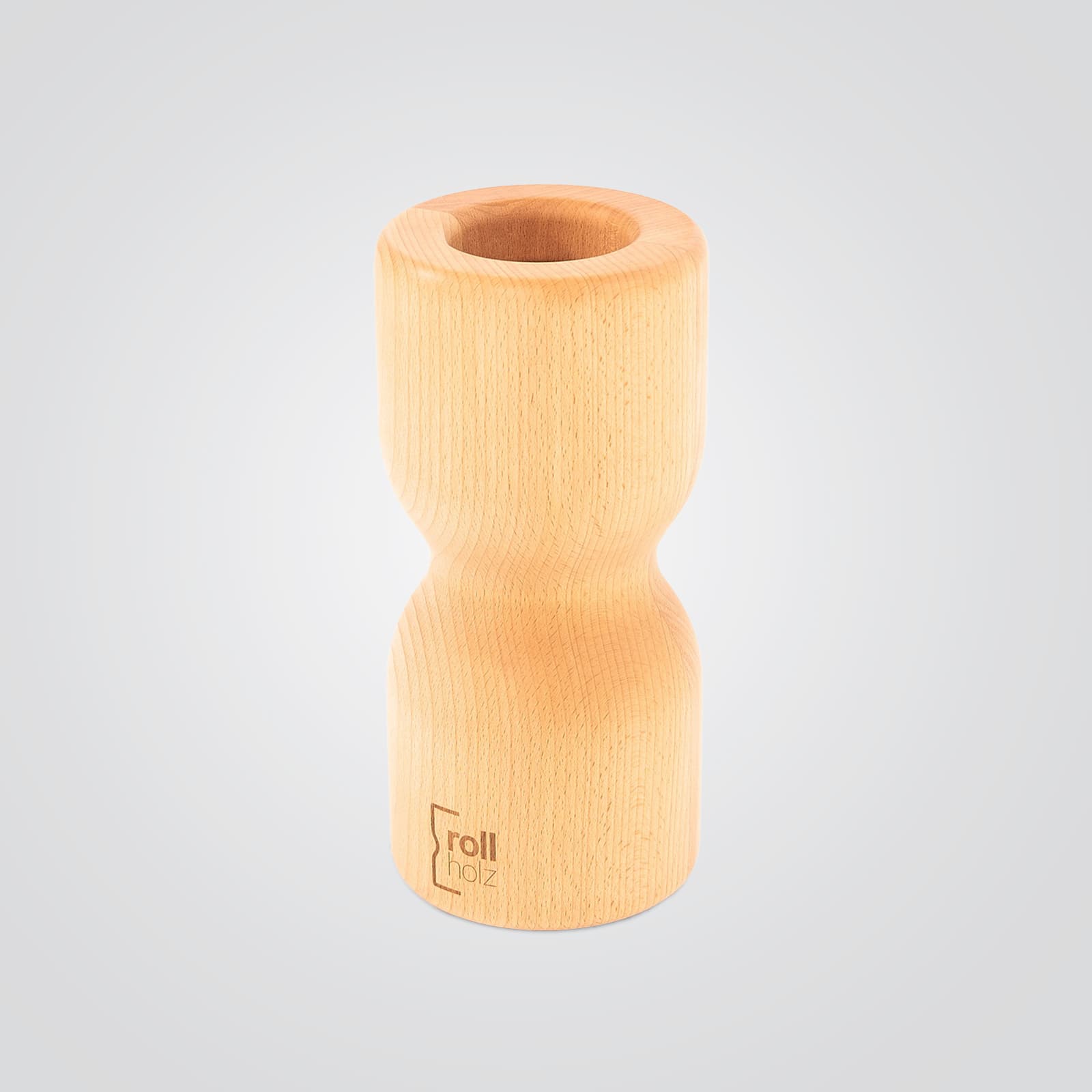
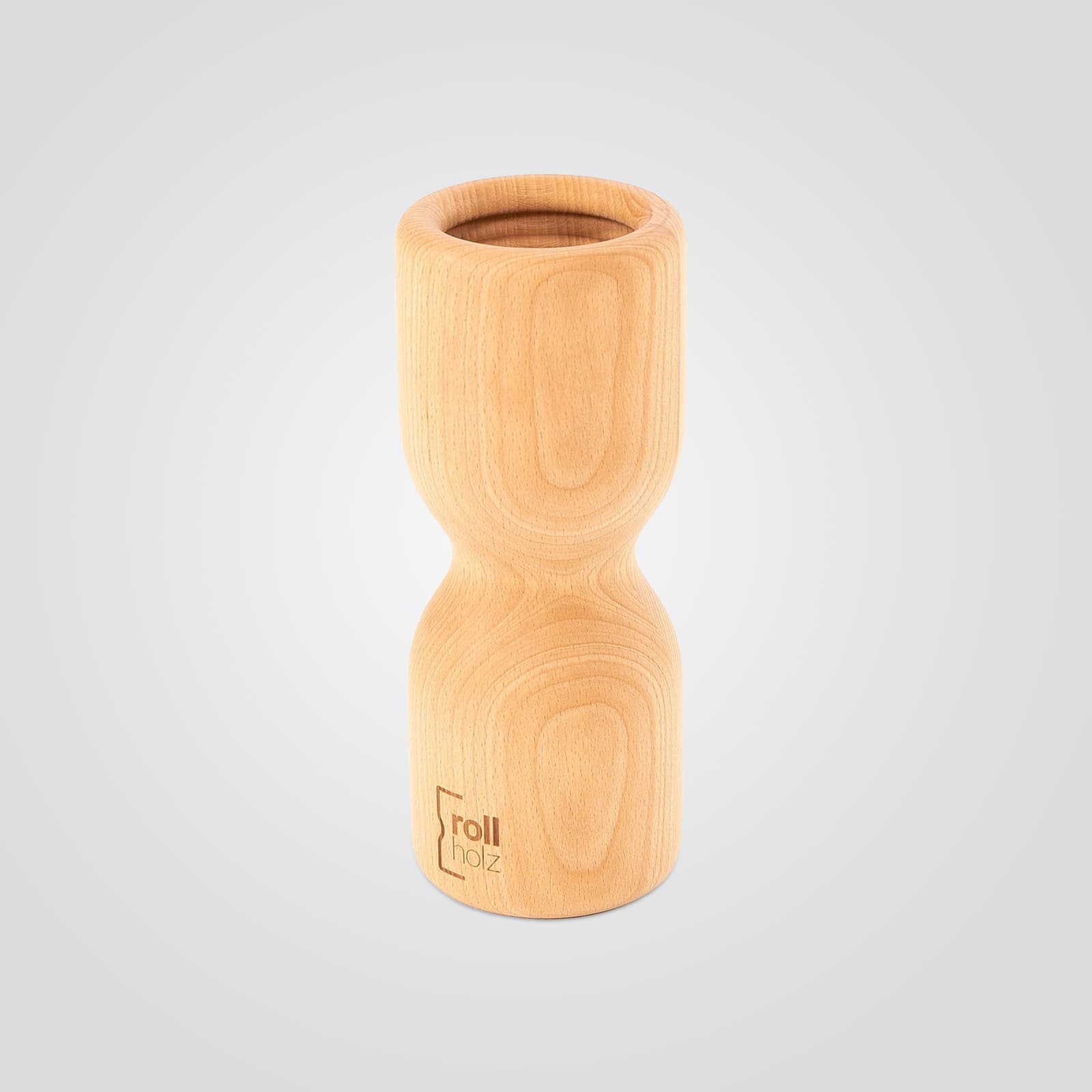
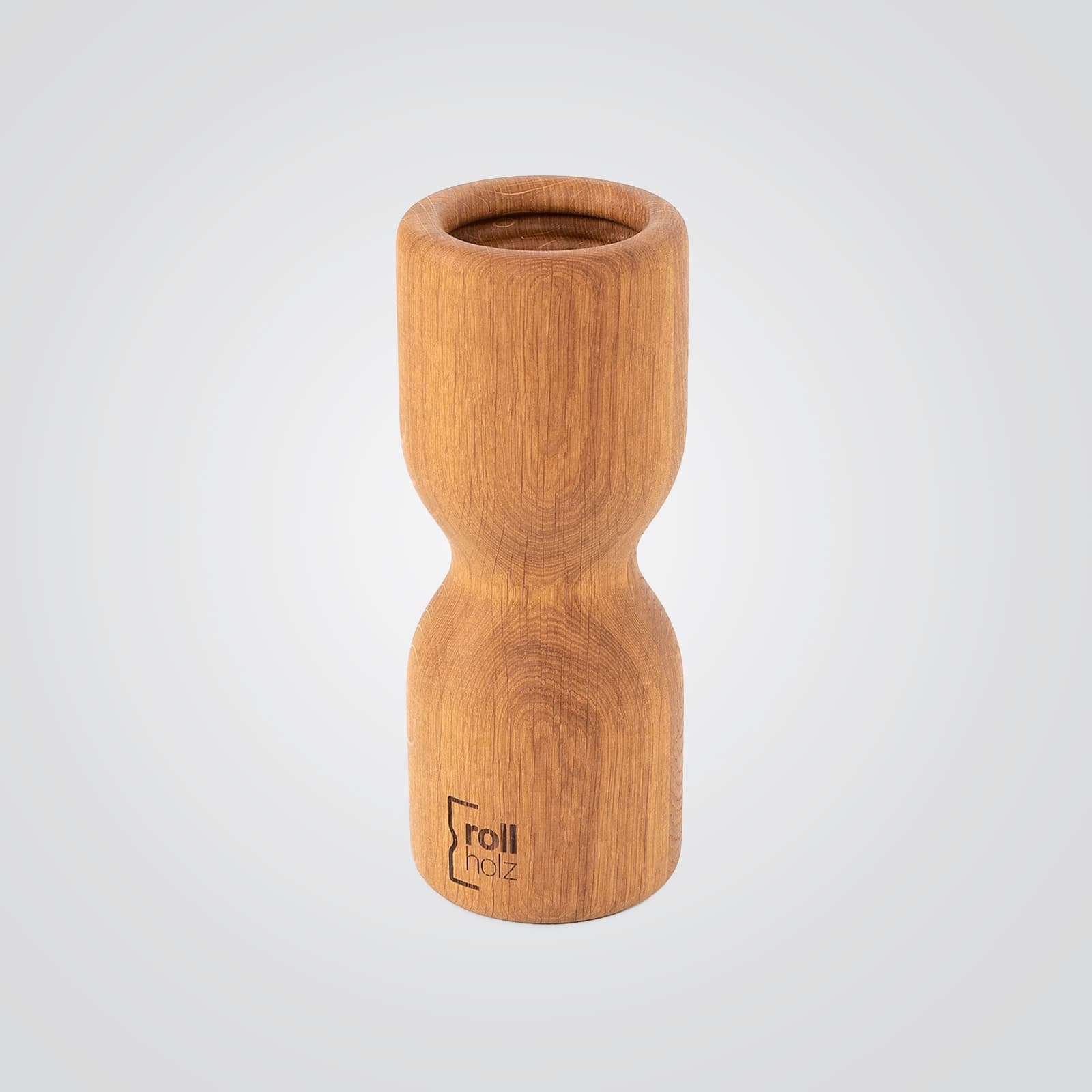
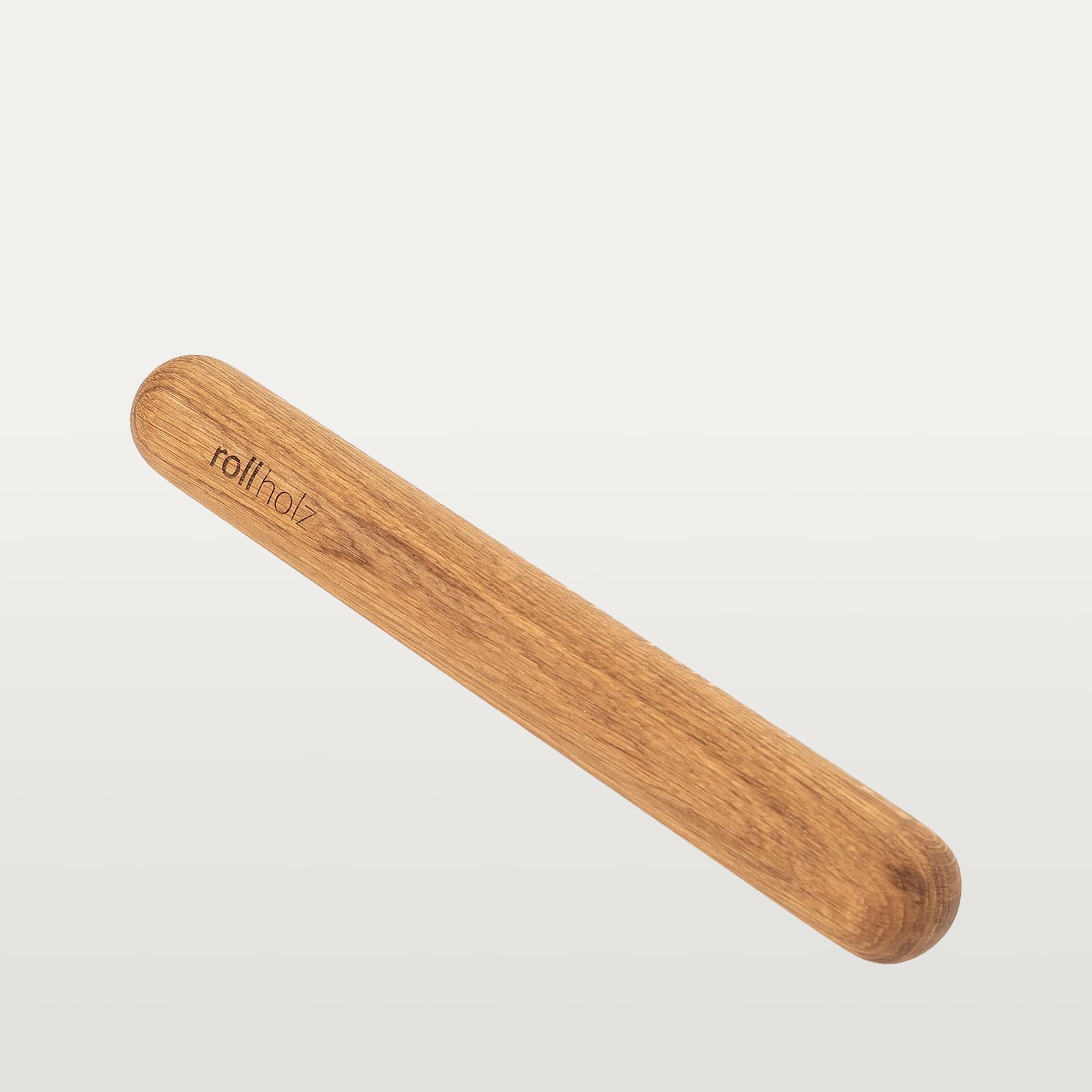
- Open Hips: To counteract hip flexor stress, extensive rolling of the front of the thighs with the rollholz Pro is ideal.
- The Quick Tip for On the Go: If you take a break during training (e.g., a coffee stop), get off the bike briefly and go into a slight backbend. Open your chest, circle your shoulders, and gently pull your heel towards your buttocks. These two minutes prevent tension from setting in your body.
Outlook: Part 2 of the Cycling Series
Mobility is half the battle, but power transfer is the rest. In the next post, we'll look at: "More Watts on the Pedal: Why Core Stability and Balance Make You Faster." We'll show you how to transfer power from your hips to the pedal without loss.
Ready for your next ride?
Whether road bike or gravel: Good recovery is key to more riding fun. Discover our tools for targeted relaxation.
Discover Fascia Tools now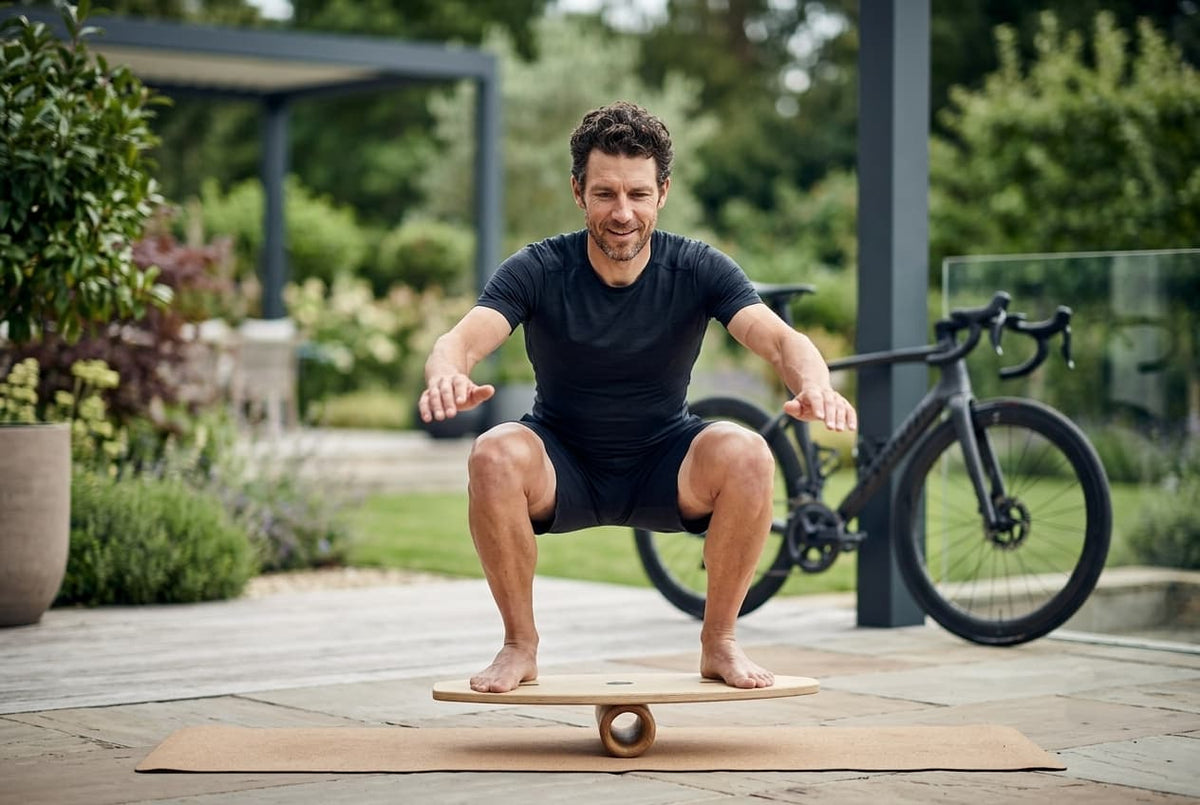





Leave a comment
This site is protected by hCaptcha and the hCaptcha Privacy Policy and Terms of Service apply.