
When thinking about effective muscle building and maximum strength development, heavy machines in the gym usually come to mind. But sports science shows: You don't need fully loaded equipment parks for perfect stimuli, but rather a clear understanding of fundamental movement patterns. If you want to take your training to the next level, you should stop thinking in terms of isolated muscles. Instead, train in movements. The absolute top tier for this are the so-called compound exercises – above all, the “big three.”
What are Compound Movements?
Unlike isolation exercises, compound exercises challenge multiple joints and muscle groups simultaneously. This offers unbeatable advantages for your training success:
- Maximum mechanical tension: Since large muscle chains work together, you can train with significantly more load. According to current studies, mechanical tension is the most important driver for muscle growth (hypertrophy).
- High CNS activation: Your central nervous system is intensively challenged, which massively improves intermuscular coordination – i.e., the interplay of your muscles.
- More efficiency: You stimulate significantly more muscle mass in a shorter time and burn more energy at the same time.
The Foundation: The 5 Basic Movement Patterns
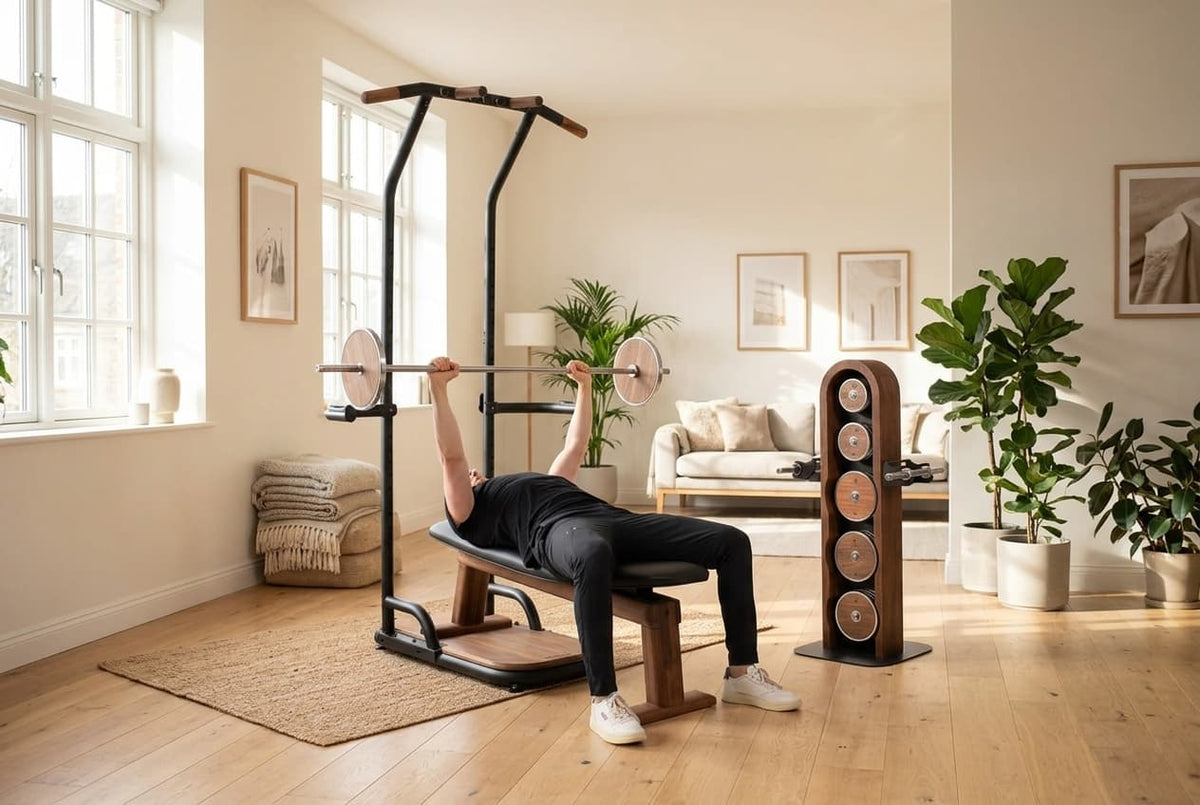
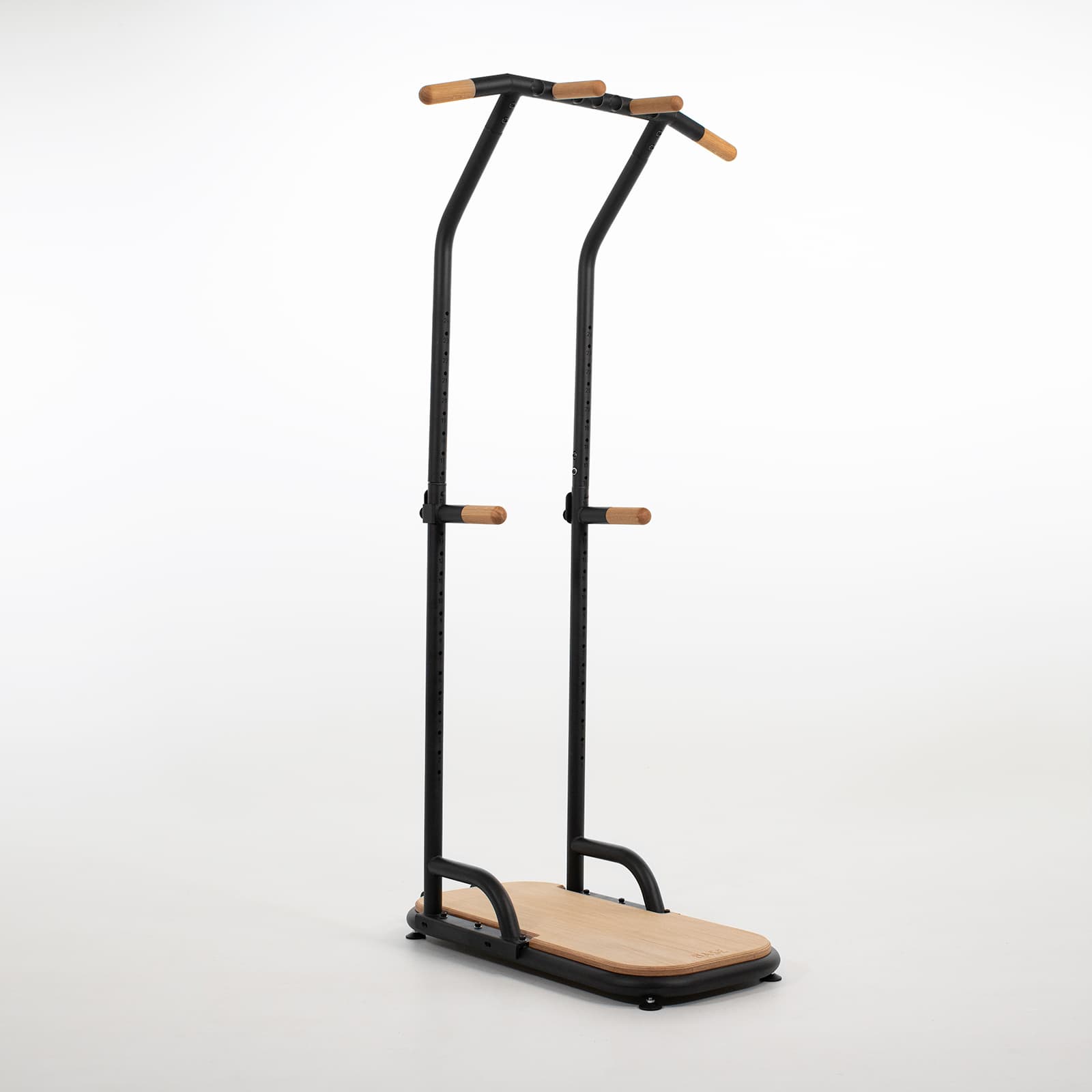
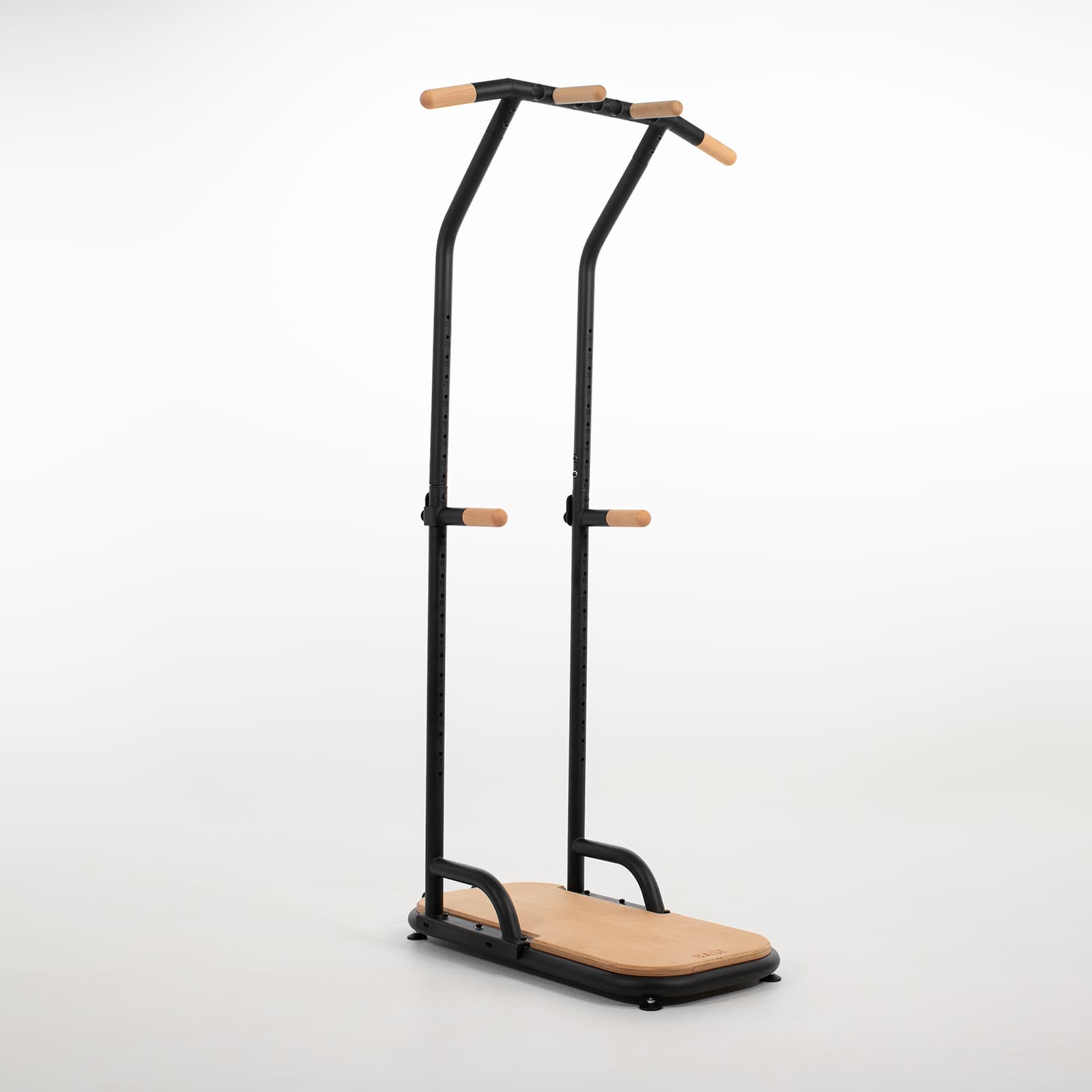
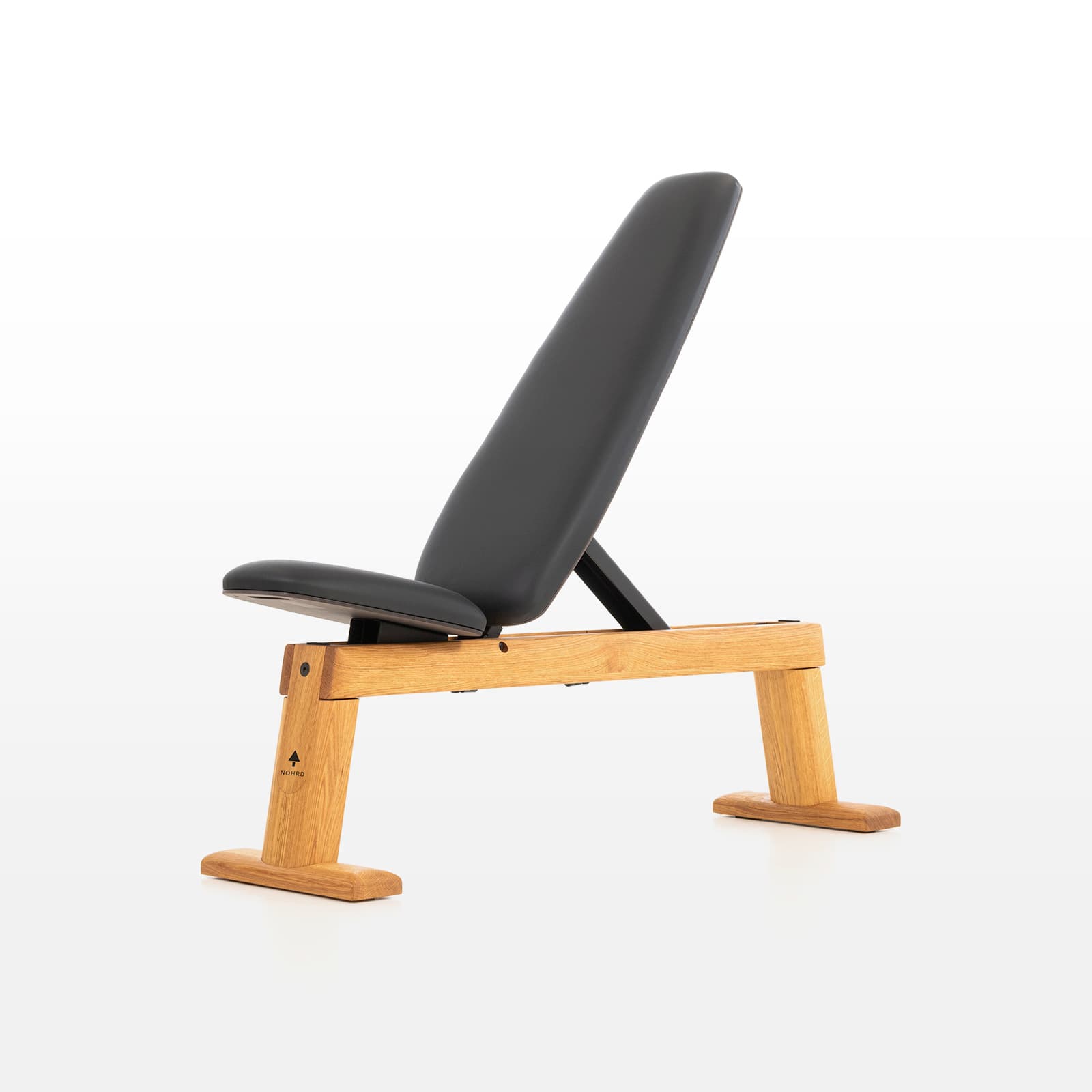
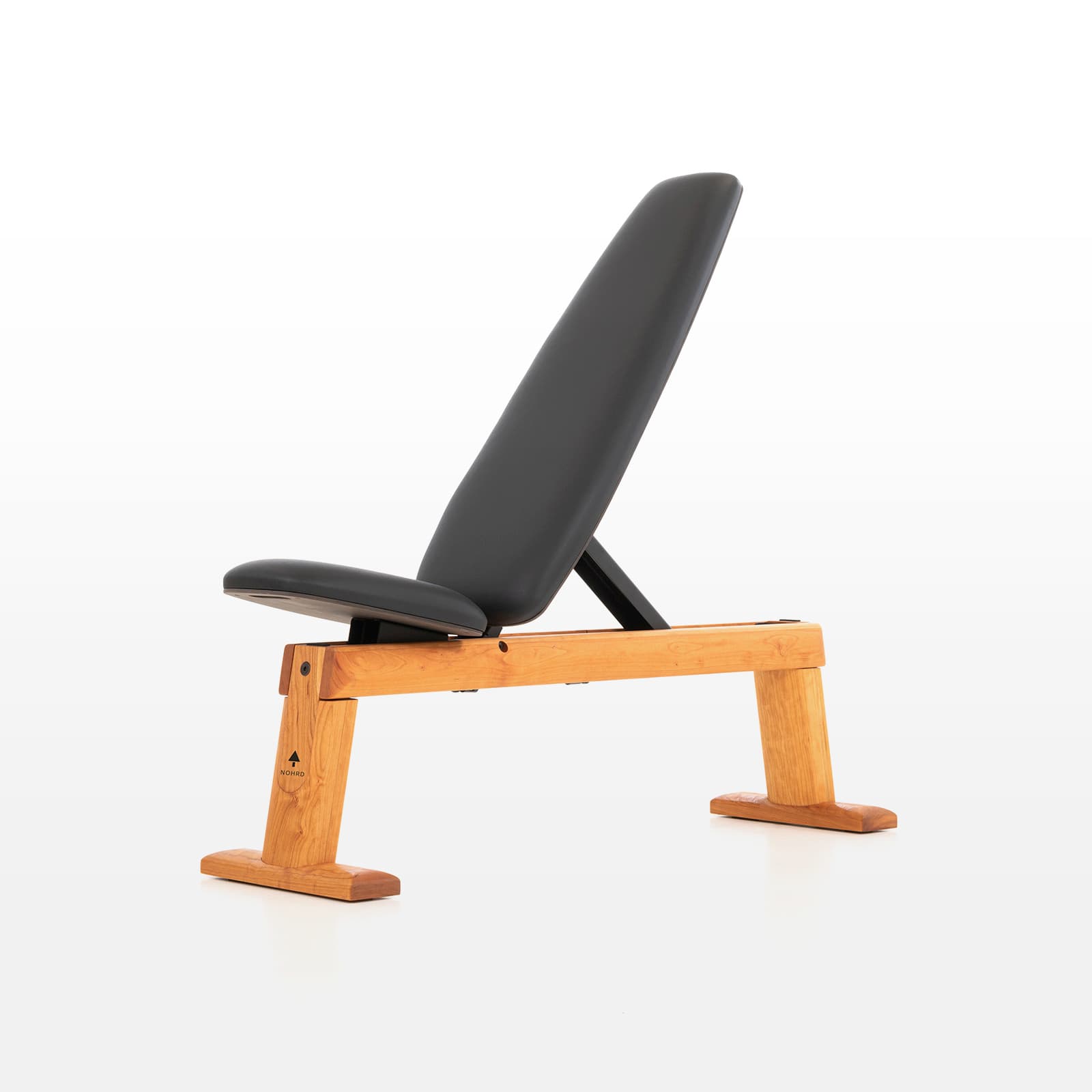
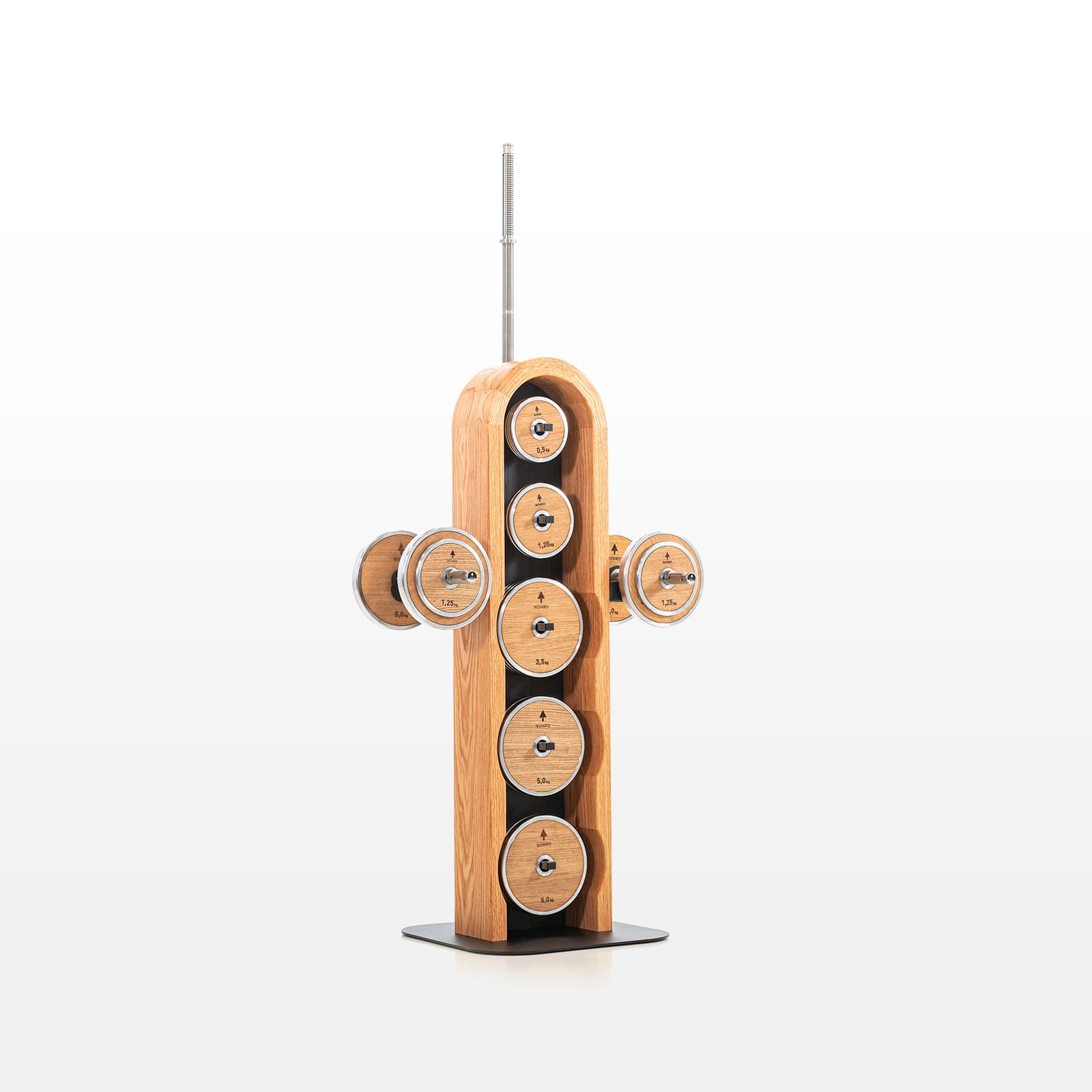
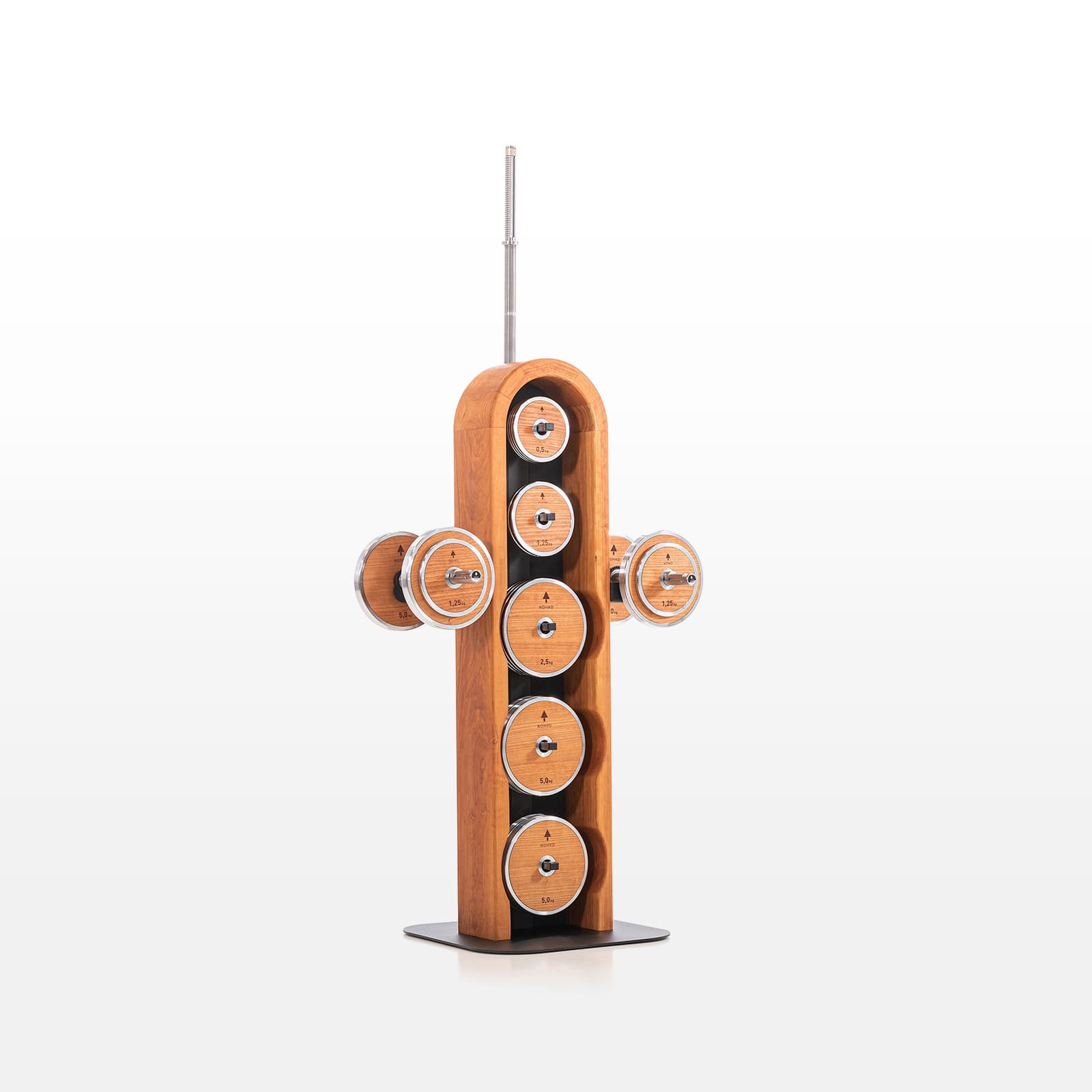
Every athletic and pain-free body is based on five movement patterns defined by training science, which you should cover in your plan: squats, hip extension, pressing, pulling, and core stabilization. With the professional setup of the rollholz Base – your minimalist premium rack for home – combined with the Nohrd WeightBench and the Nohrd WeightPlate Tower, you bring the biomechanics of free weight training directly into your living room.
Let's take a closer look at the three most important lifts and their anatomy:

The Squat – The Pattern: Knee- & Hip-Dominant Flexion/Extension
The squat is rightly considered the queen of leg exercises. It primarily challenges the M. quadriceps femoris (knee extension) and the M. gluteus maximus (hip extension). Secondarily, the entire core musculature (M. erector spinae and M. transversus abdominis) provides the necessary spinal stability.
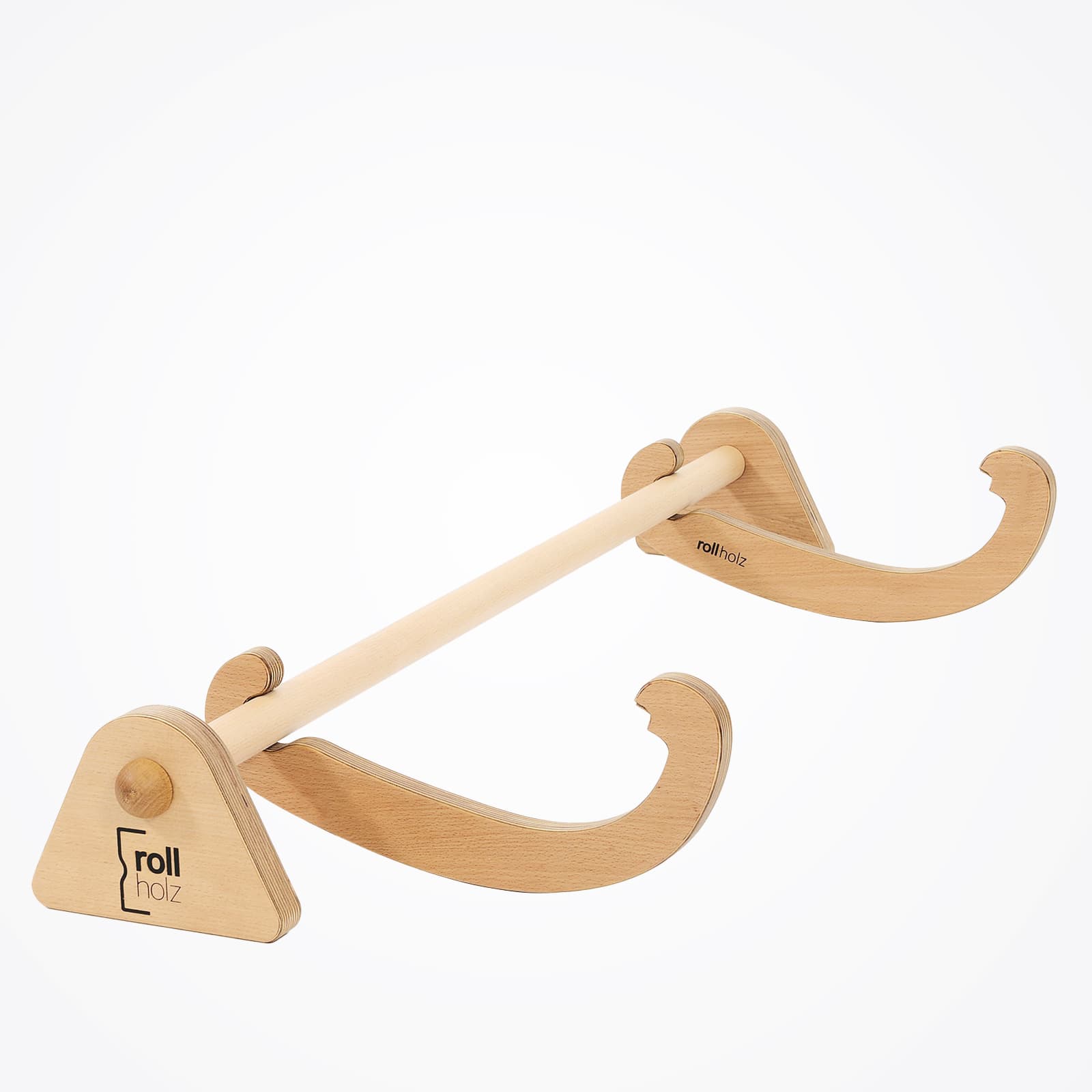
The rollholz tip: Use the J-Cups of your Base to safely place the barbell on your shoulders. When descending, make sure to distribute the pressure evenly on the midfoot. If your heels lift, it often indicates a lack of ankle mobility – a topic we will intensively cover later in this series.

The Deadlift – The Pattern: Hip-Dominant Extension (Hinge)
Deadlifting is the most fundamental exercise when it comes to safely lifting heavy loads off the floor. It strengthens your entire posterior chain: the gluteus maximus, the hamstrings, and the erector spinae. The upper back (M. latissimus dorsi) keeps the barbell close to the body.
The rollholz tip: When deadlifting with weight plates from the WeightPlate Tower, the movement always starts with a neutral spine. Imagine building maximum core tension (bracing) before the pull to stabilize your lumbar spine like a shield.

The Bench Press – The Pattern: Horizontal Pressing
The benchmark for upper body strength. You perform this exercise with absolute stability on the ergonomic Nohrd WeightBench. It trains the pectoralis major, the anterior deltoids, and the triceps.
Biomechanics Key Fact: For optimal force transfer and protection of your shoulder joints, your forearms should always be vertical under the bar at the lowest position. Actively pull your shoulder blades back and down and fix them on the bench before lifting the bar from the Base rack.
Upper Body Supplement: Vertical Pressing & Pulling
To develop your upper body athletically all around, vertical patterns are still missing. The Base also provides the perfect solution for this:
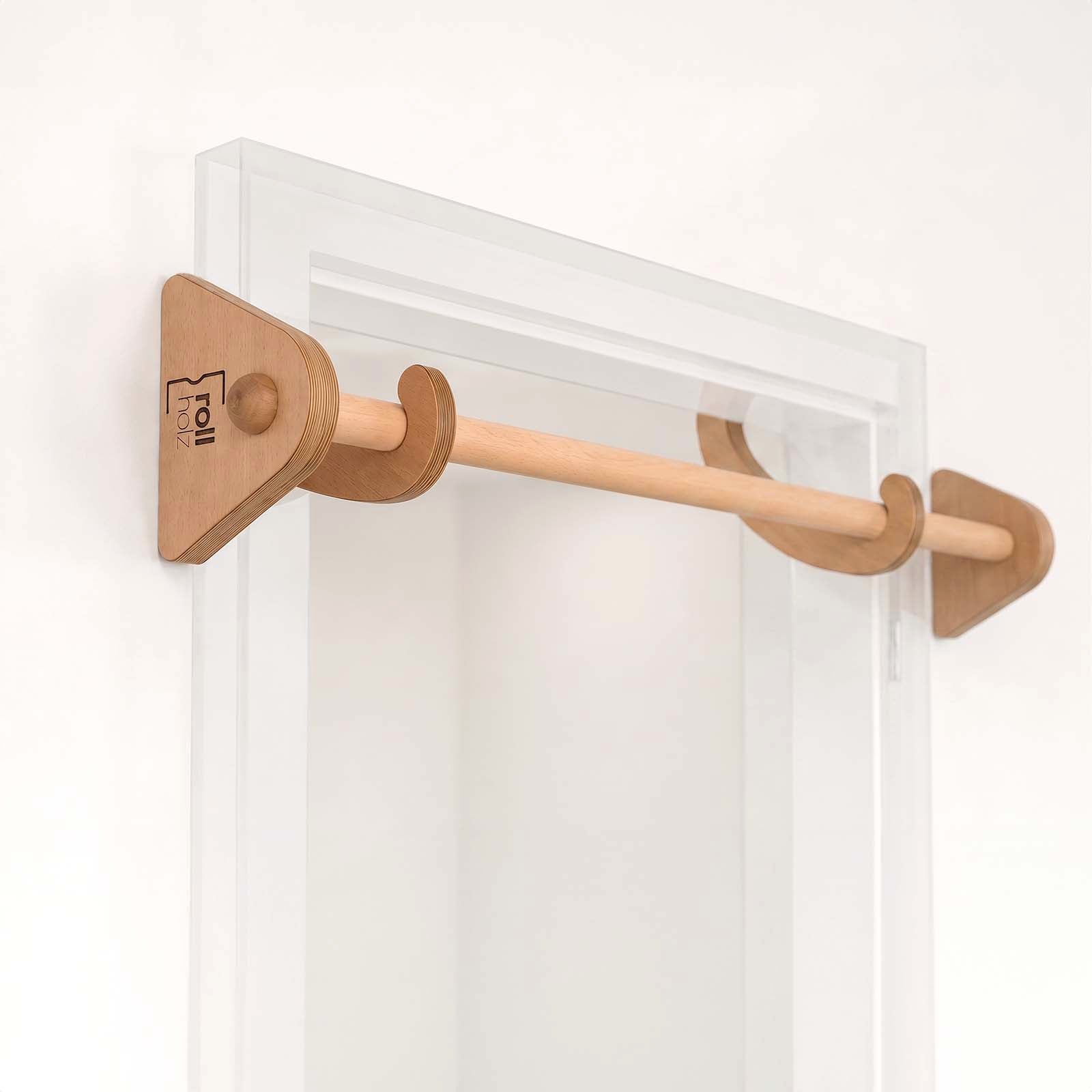
- Vertical Pulling (Pull-ups): Use the integrated pull-up bar of the Base. For maximum variety and different grip options at home, it's also worth taking a look at our high-quality, ergonomic pull-up bars. Pull-ups are the most effective exercise for a wide back (M. latissimus dorsi) and healthy shoulder function.
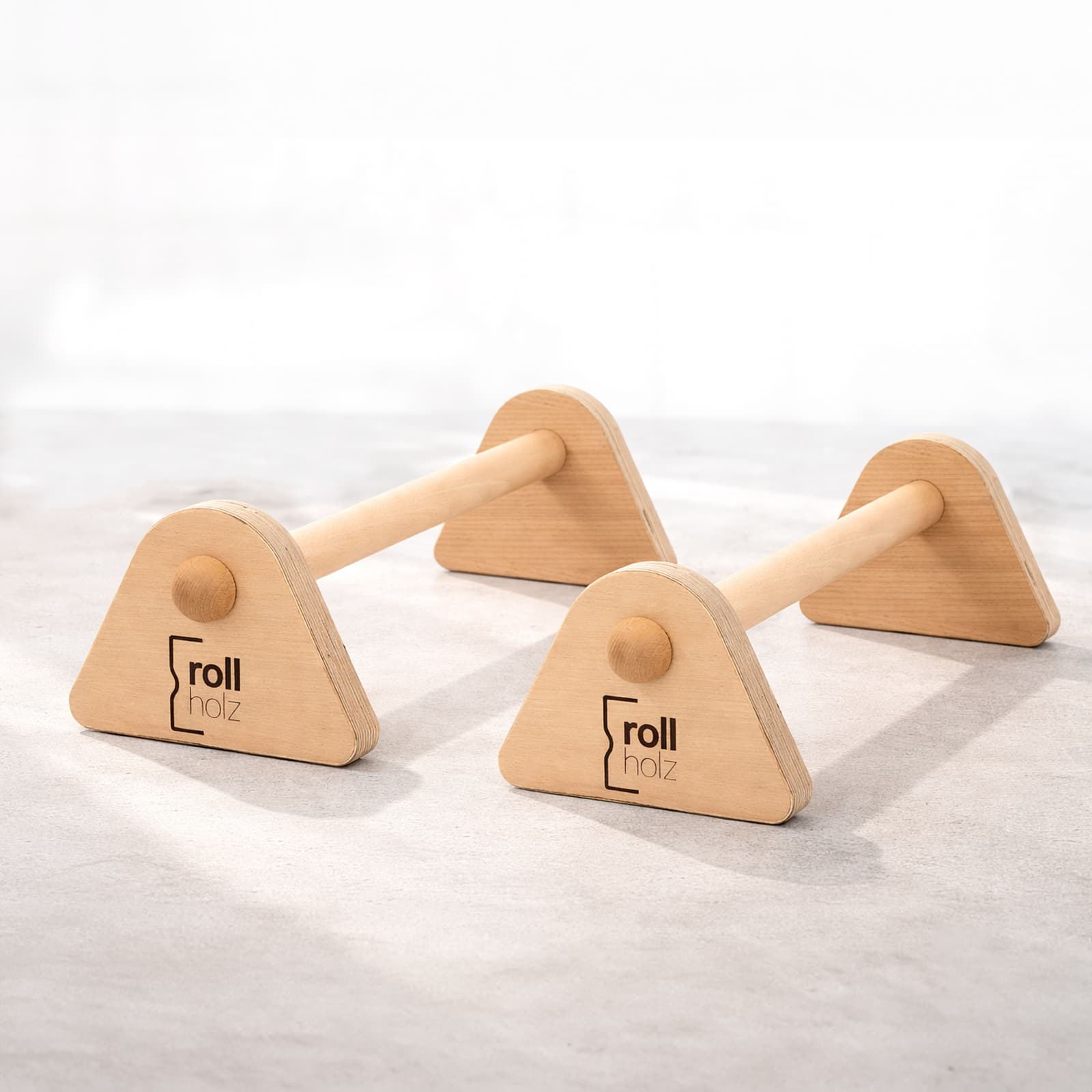
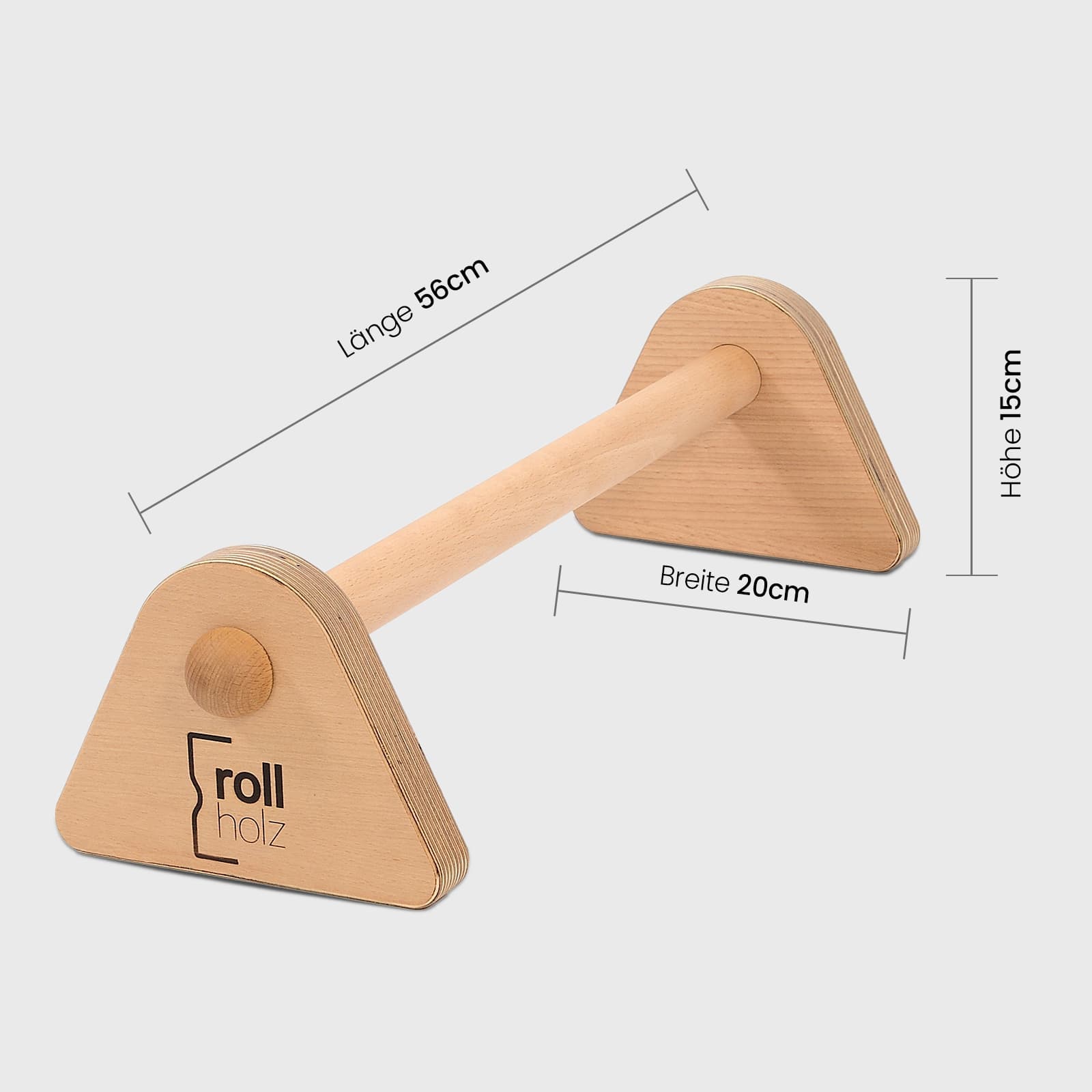
- Vertical Pressing (Dips): With the suitable dip bars on the Base, you intensively activate the lower part of the chest and your triceps. In addition, the deep stretch in the eccentric phase creates an extremely strong hypertrophic stimulus.
Conclusion: Quality over Quantity
True strength is not achieved through thirty different isolation exercises, but by mastering the big compound movements. If you progressively increase your strength in squats, deadlifts, bench presses, and pull-ups, your body will inevitably change.
Preview of Part 2:
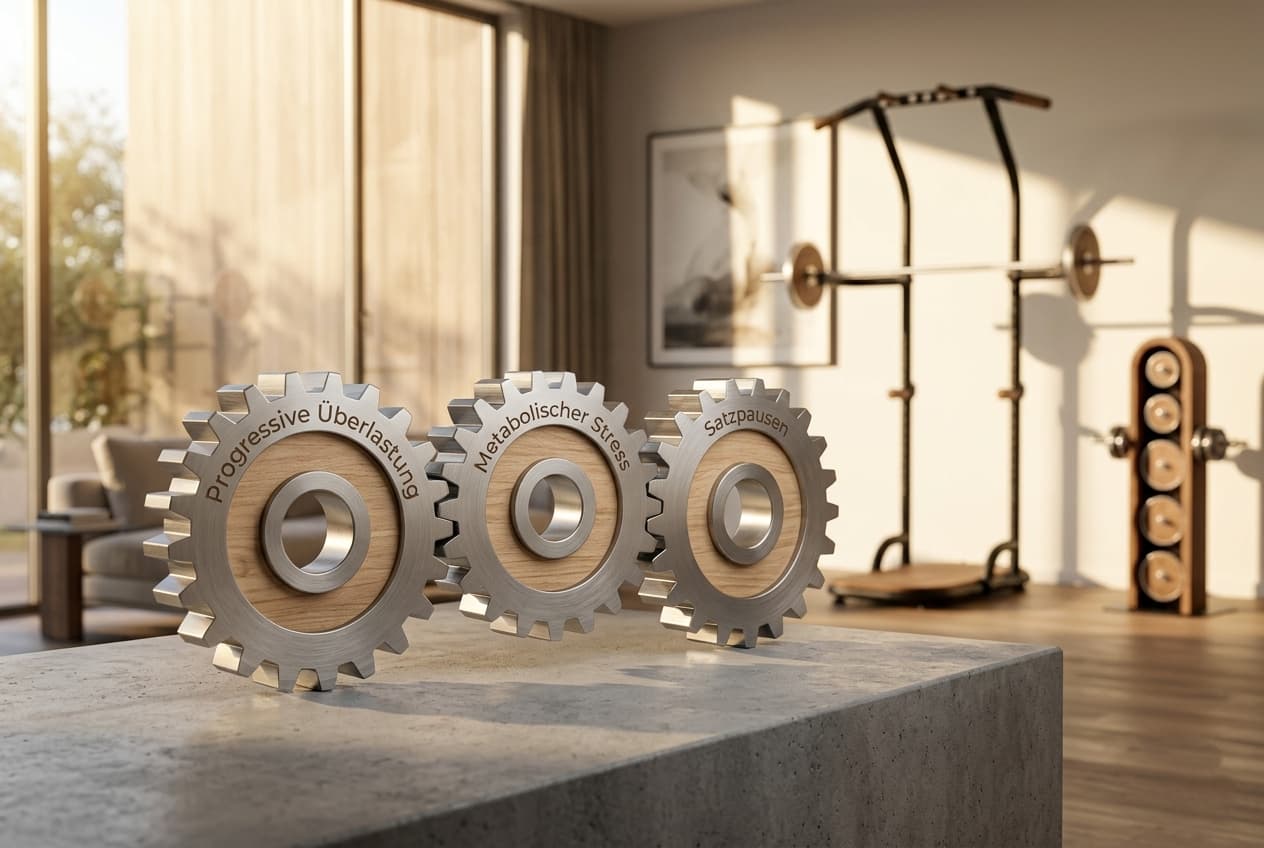
In the next part of our series, we'll look at how to optimally program these exercises: Which rest periods are scientifically sensible? How many repetitions do you need for maximum muscle growth? And how do you use the suspension trainer to create even more metabolic stress? Stay tuned!





Leave a comment
This site is protected by hCaptcha and the hCaptcha Privacy Policy and Terms of Service apply.