

Almost all of us have experienced neck or back pain. And almost all of us know that it has something to do with muscle tension. However, that's only half the truth.
Because fascia can also become tense – and they contain many more receptors for pain and your posture than just the muscles themselves.
The vicious circle of prolonged sitting and standing
If you sit at your desk for hours or stand rigidly, the receptors in your connective tissue register this. Your fascia then sends pain signals to your brain. The brain reacts promptly, increases muscle tension, and thus tries to stabilize your posture frantically.
If you don't change your position for an extended period, a real vicious circle develops: the sustained incorrect strain leads to painful, deep-seated tension – both in the fascia and in the underlying muscles.
Fascial pain vs. muscle pain: What's the difference?
How do you find out what's currently hurting you? There's a clear distinguishing feature during movement:
- Muscle pain primarily occurs when you actively tense the muscle. If a muscle is overloaded, inflamed, or injured, this uncomfortable feeling usually cannot be improved by gentle movement.
- Fascial pain often feels stiff and uncomfortable during an initial movement as well. But the exciting thing is: after the movement, you are noticeably more flexible, and the pain significantly subsides.

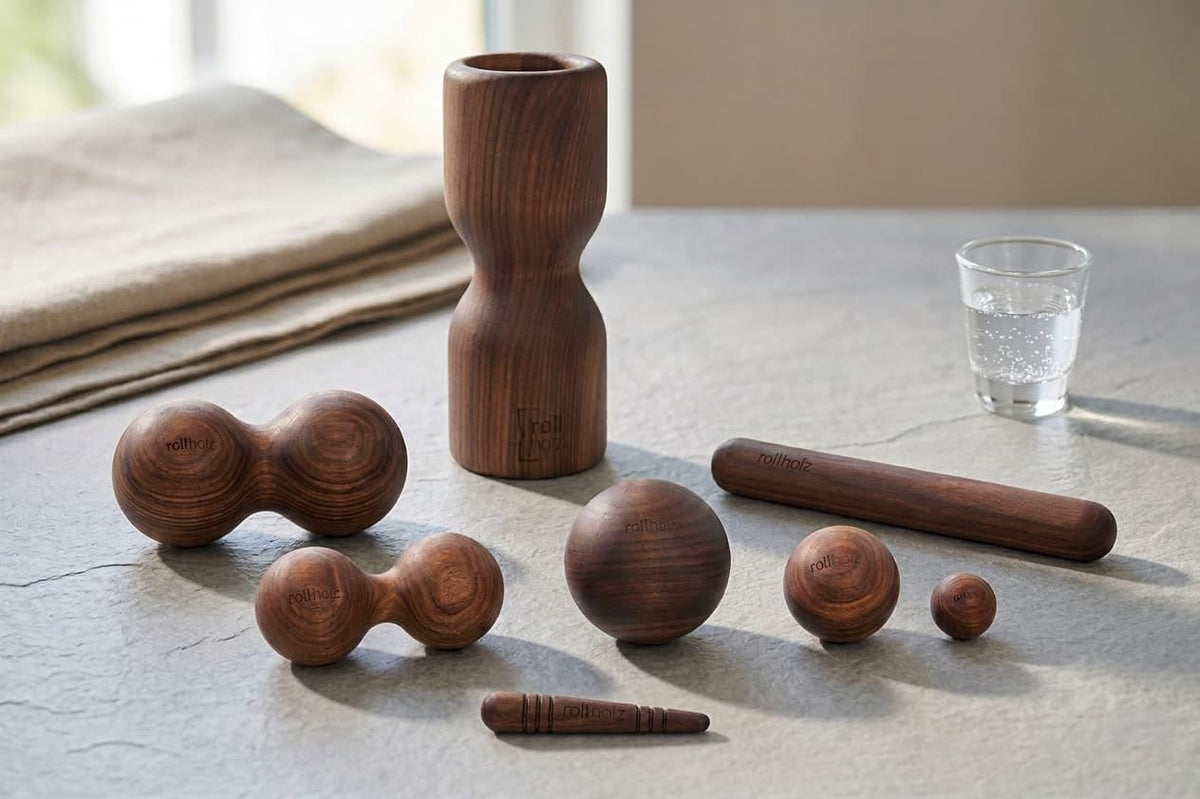
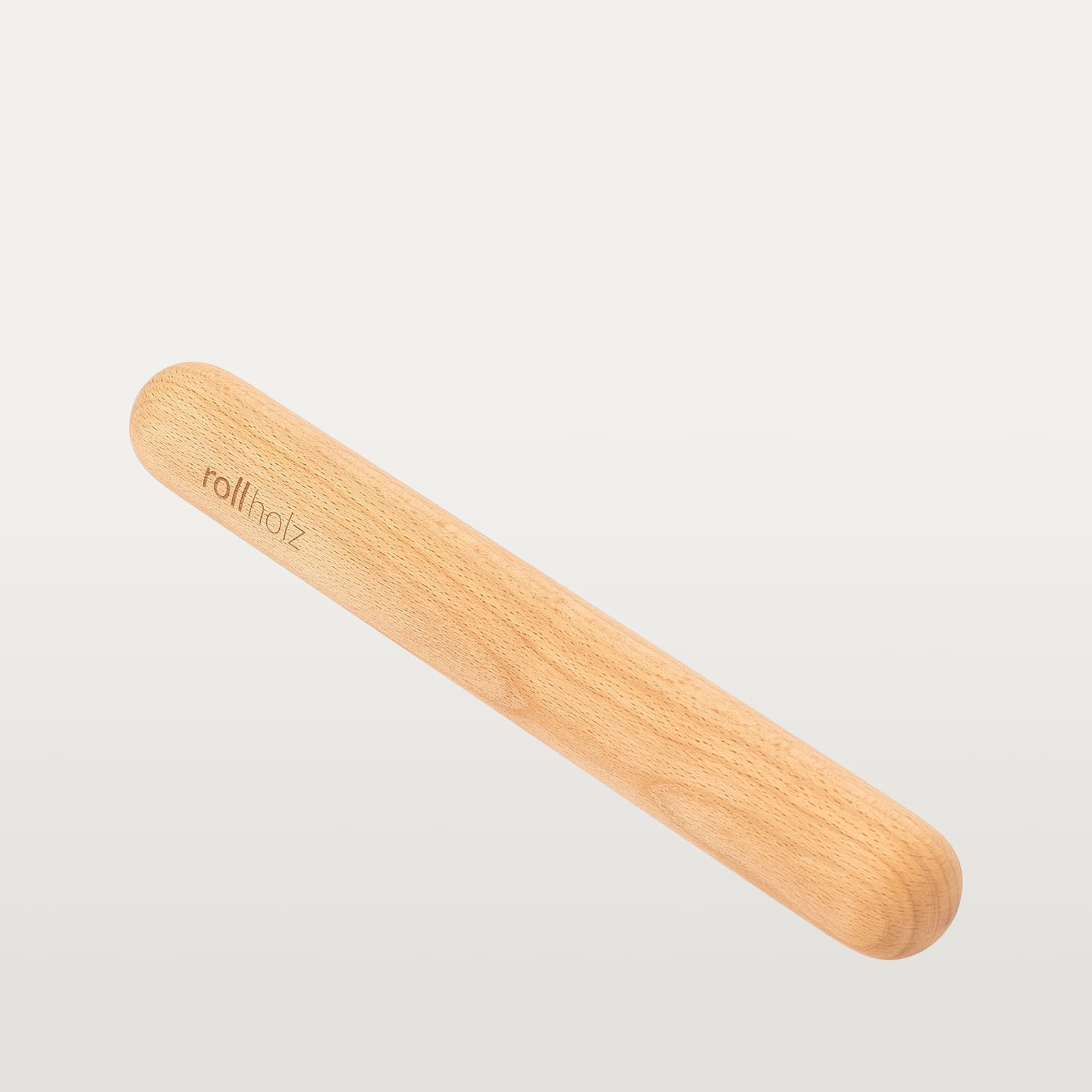
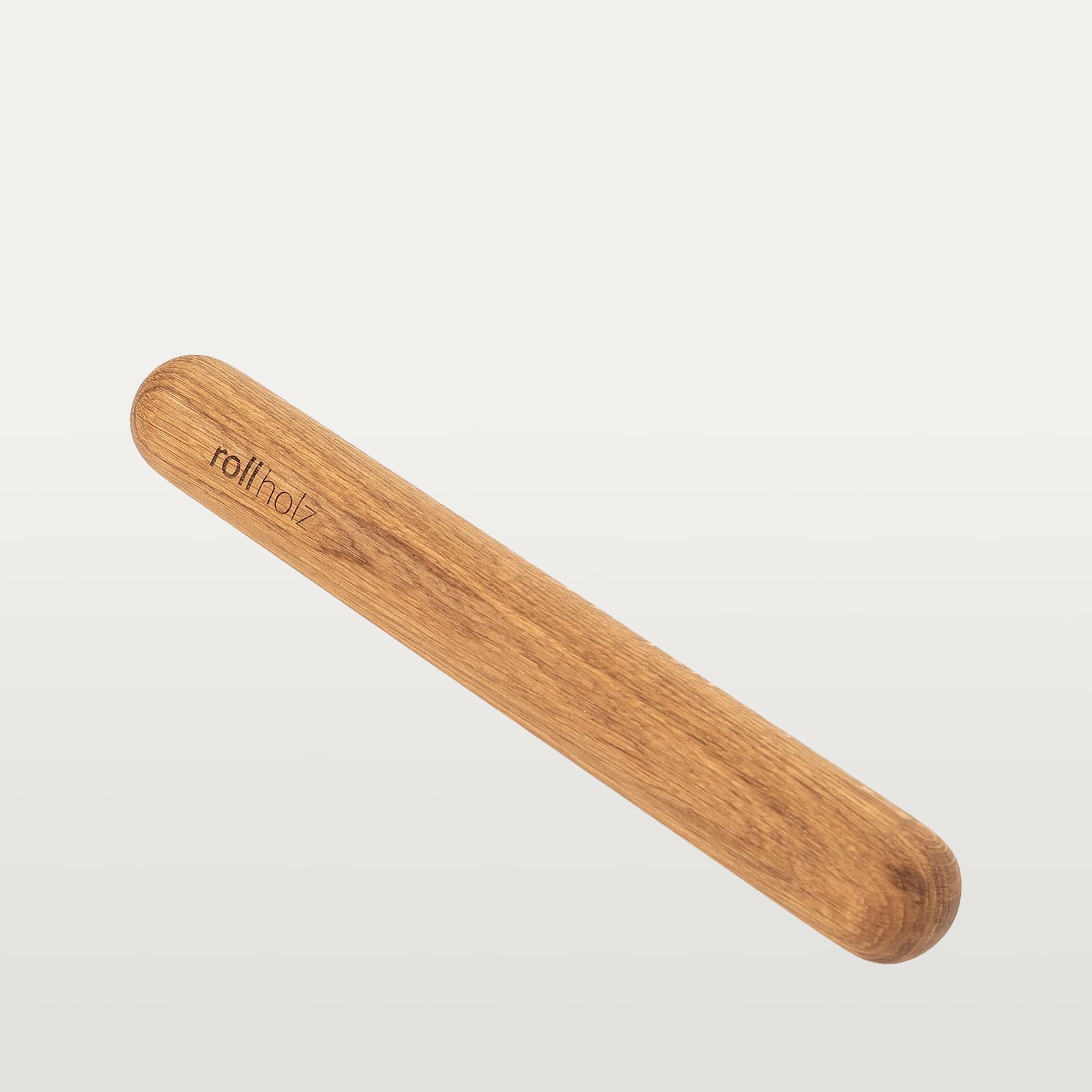
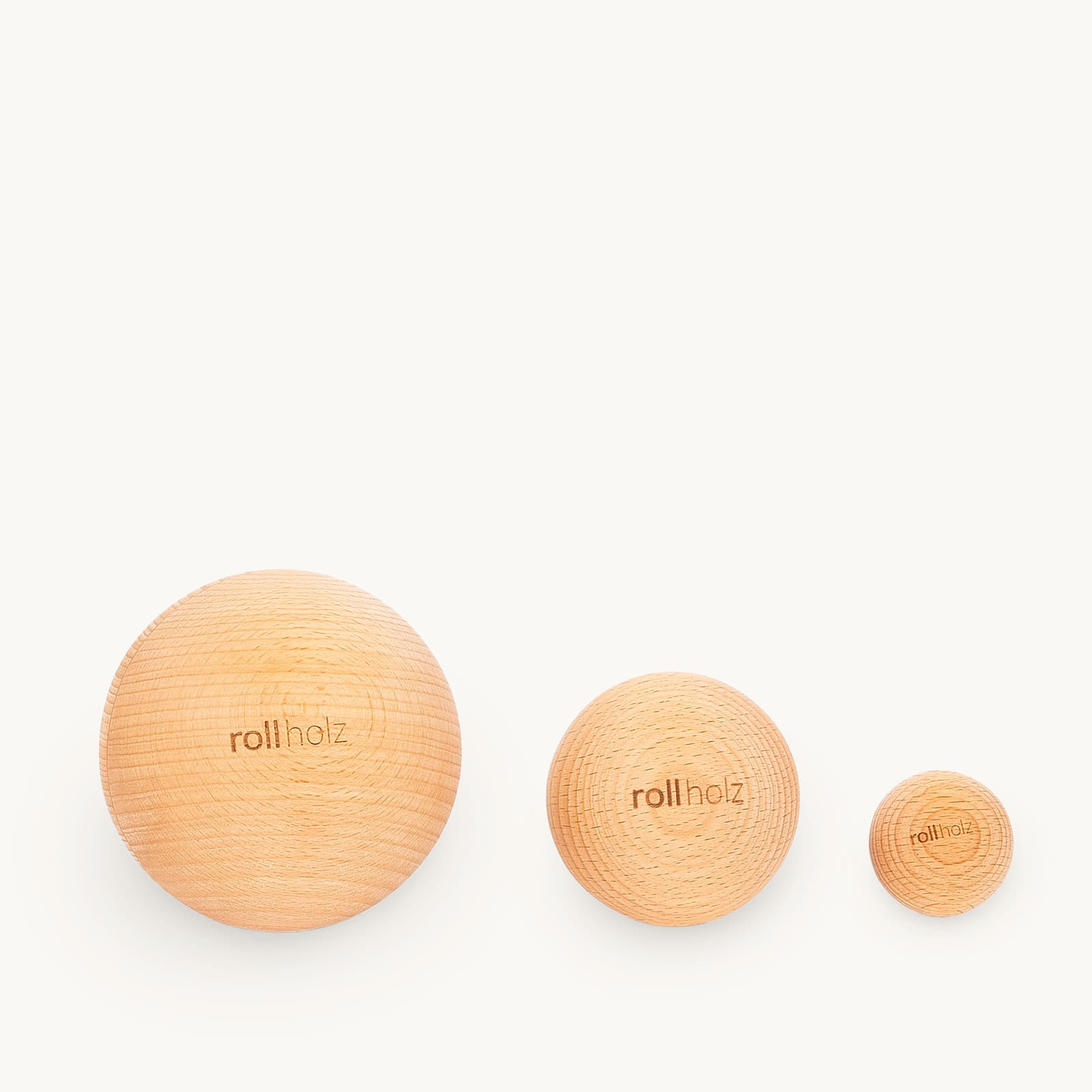
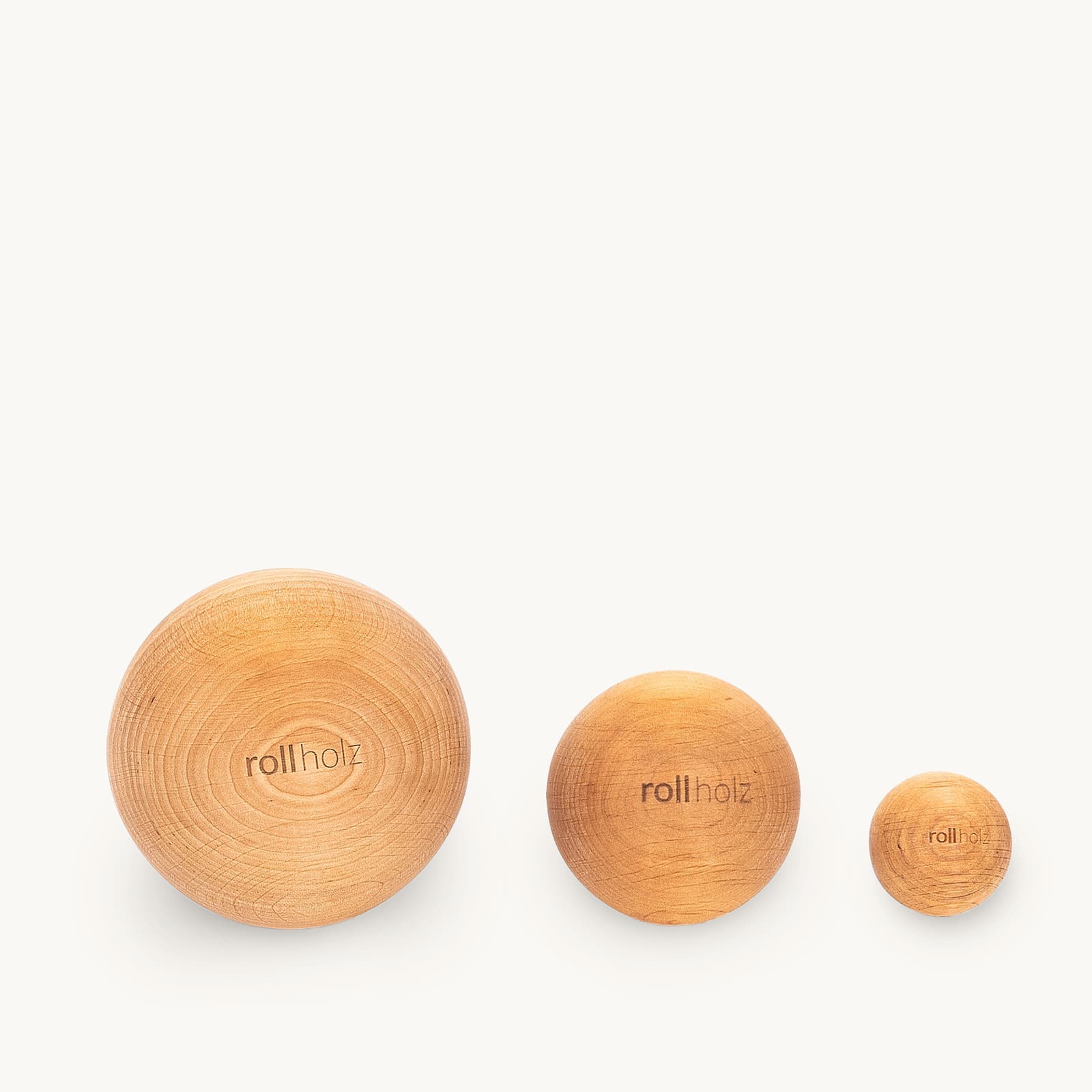
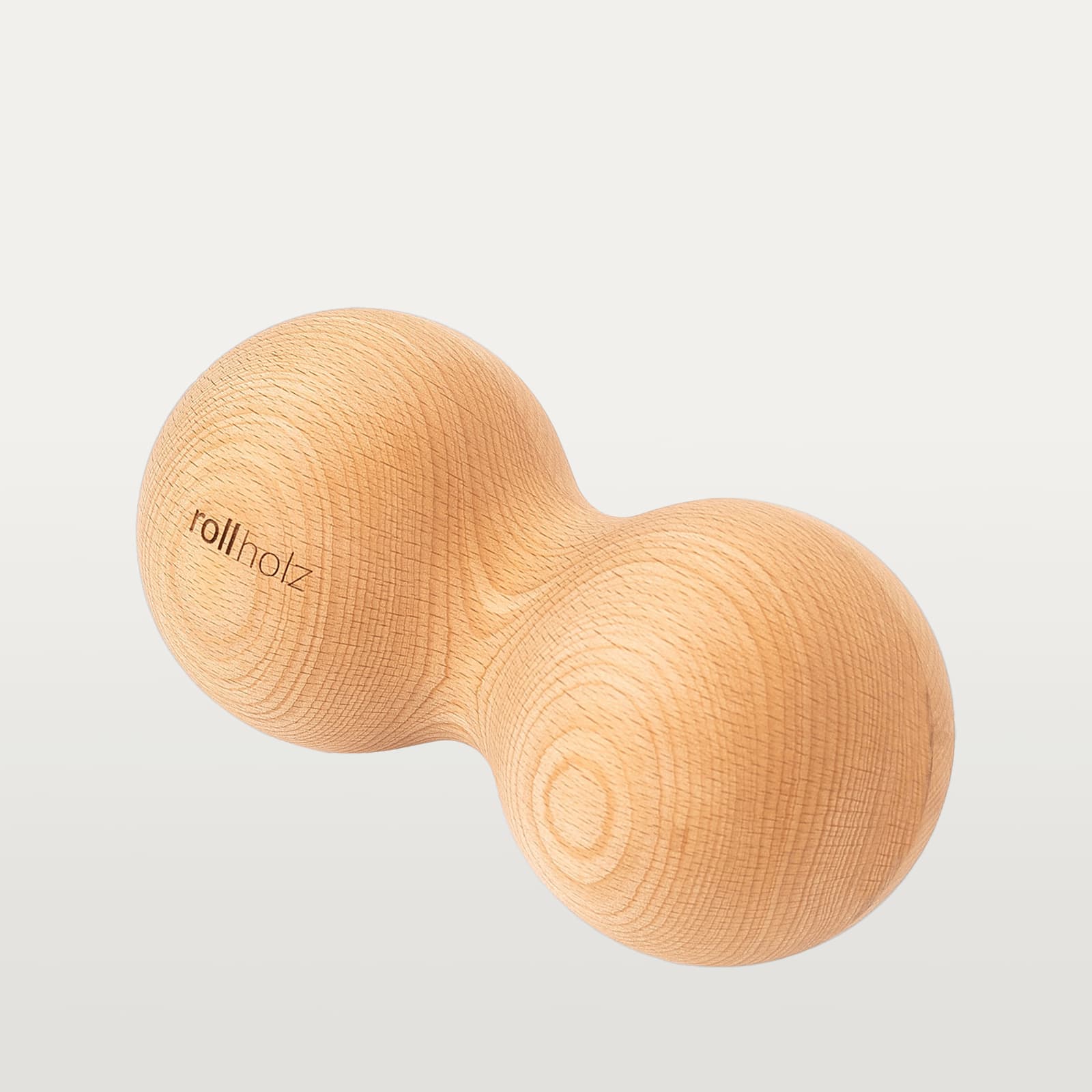
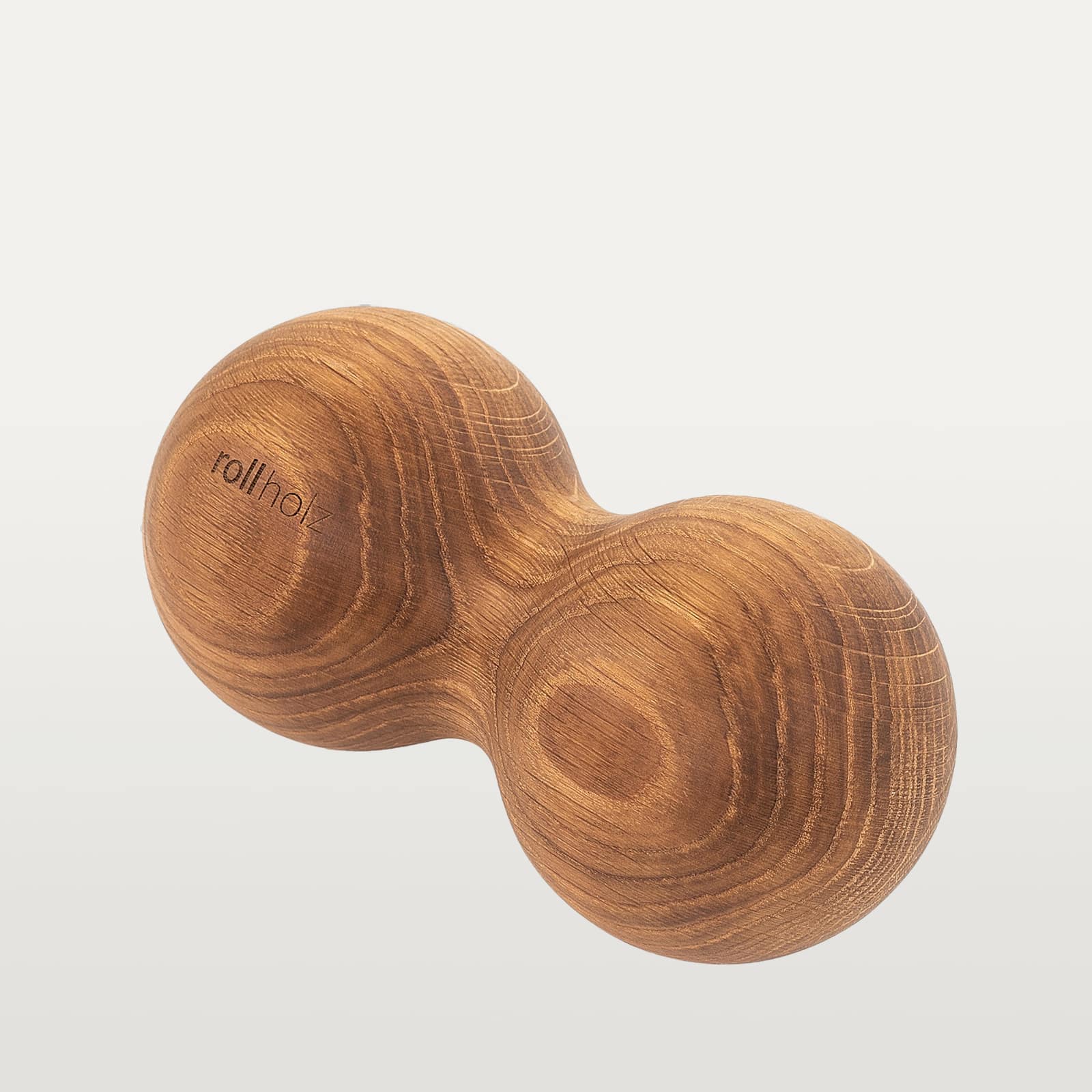
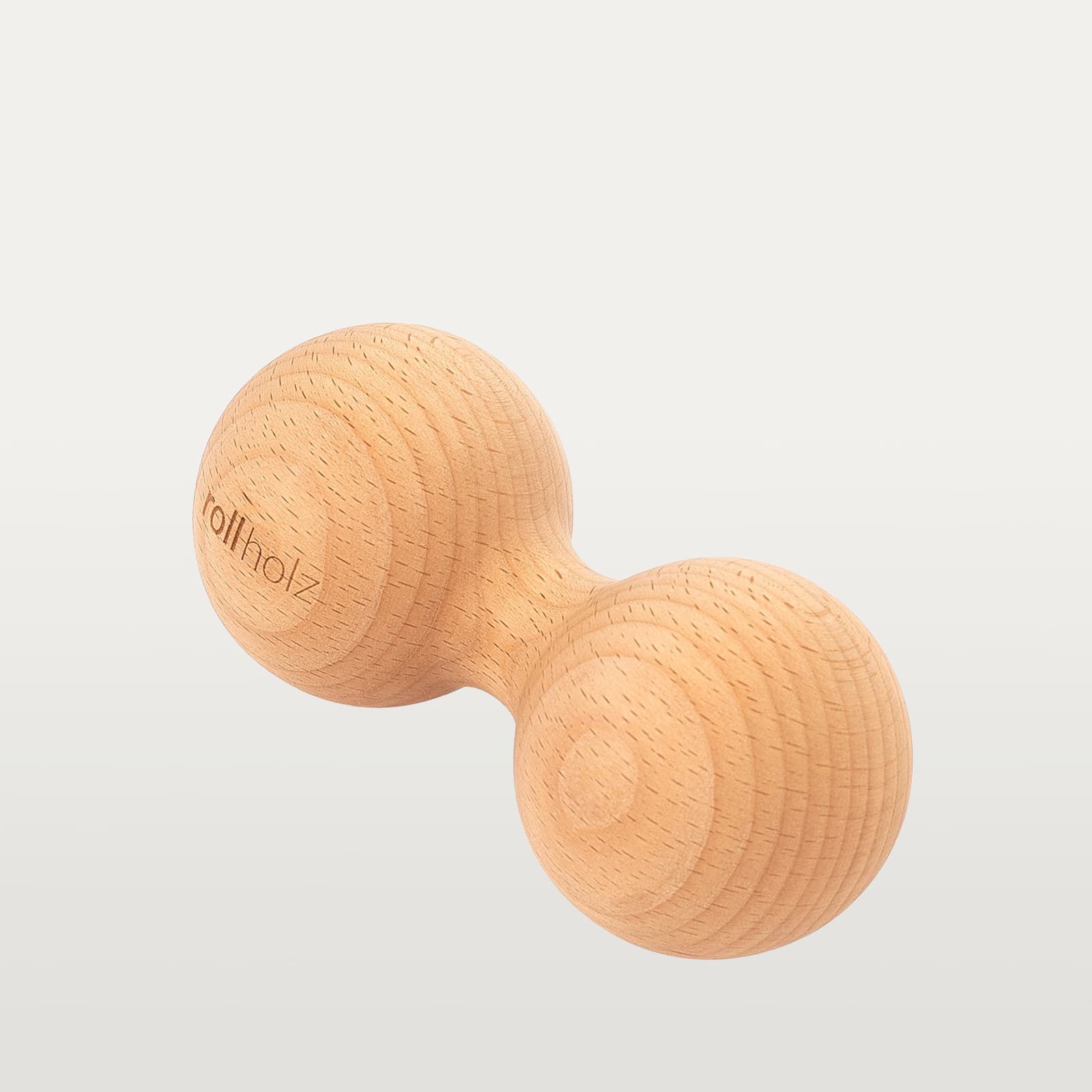
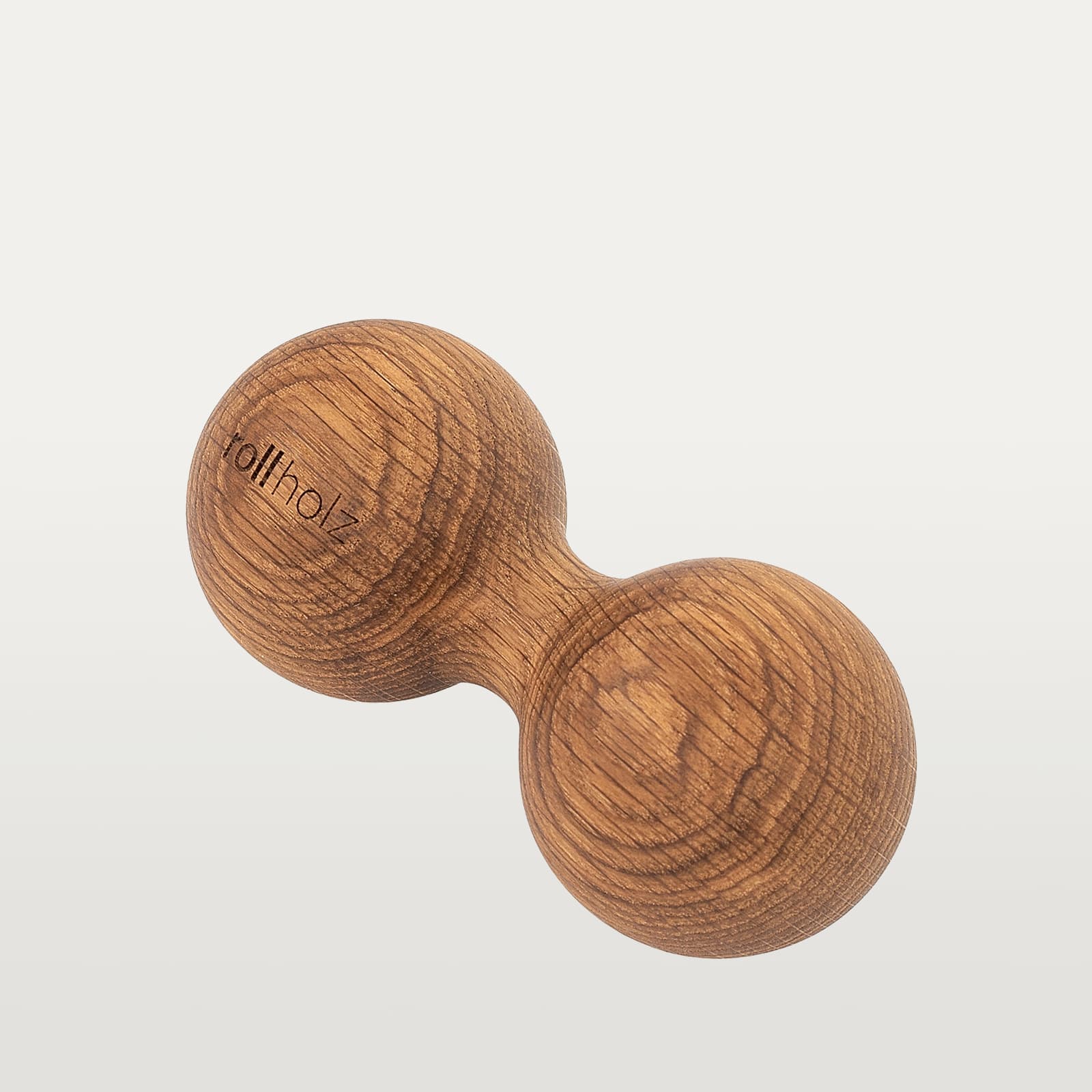
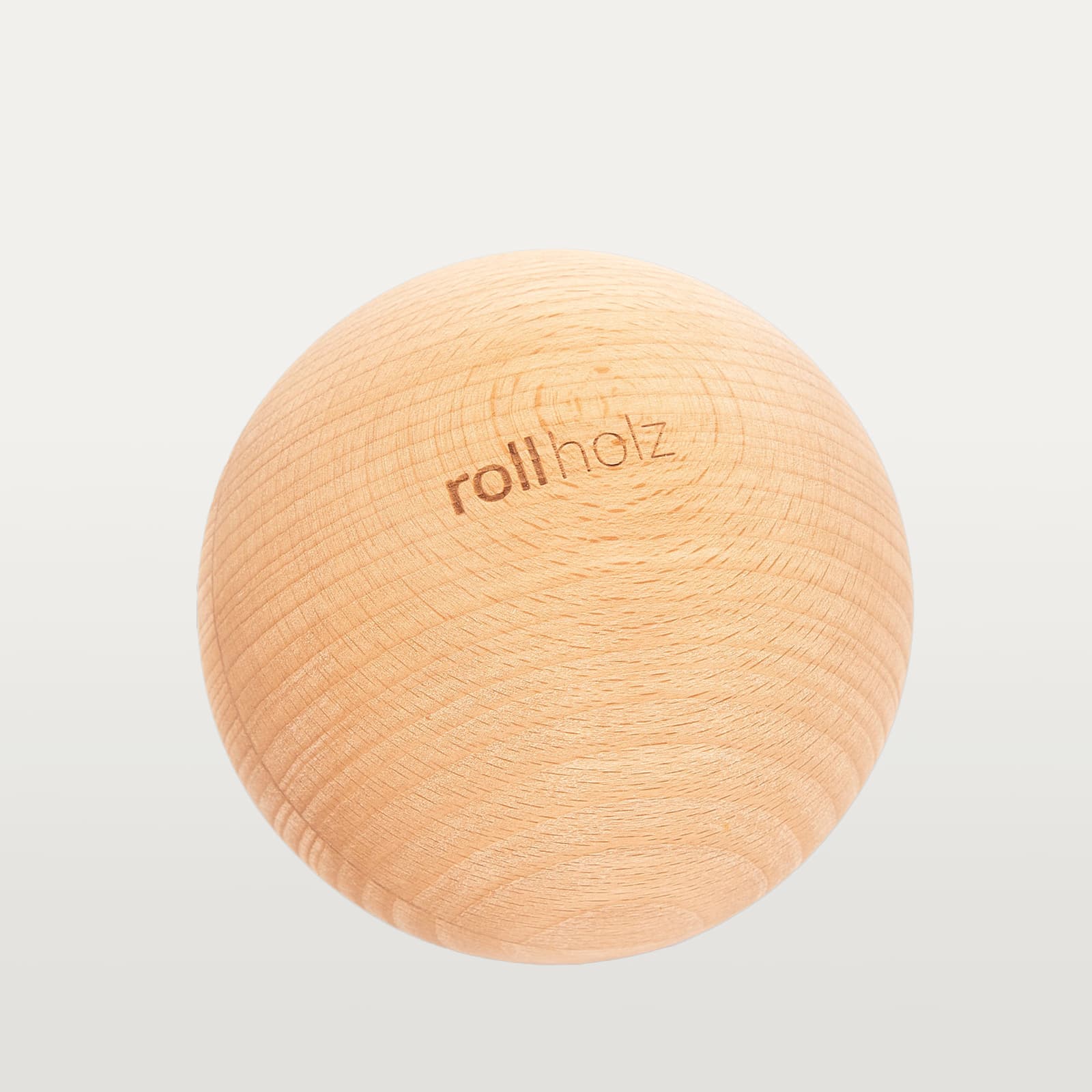
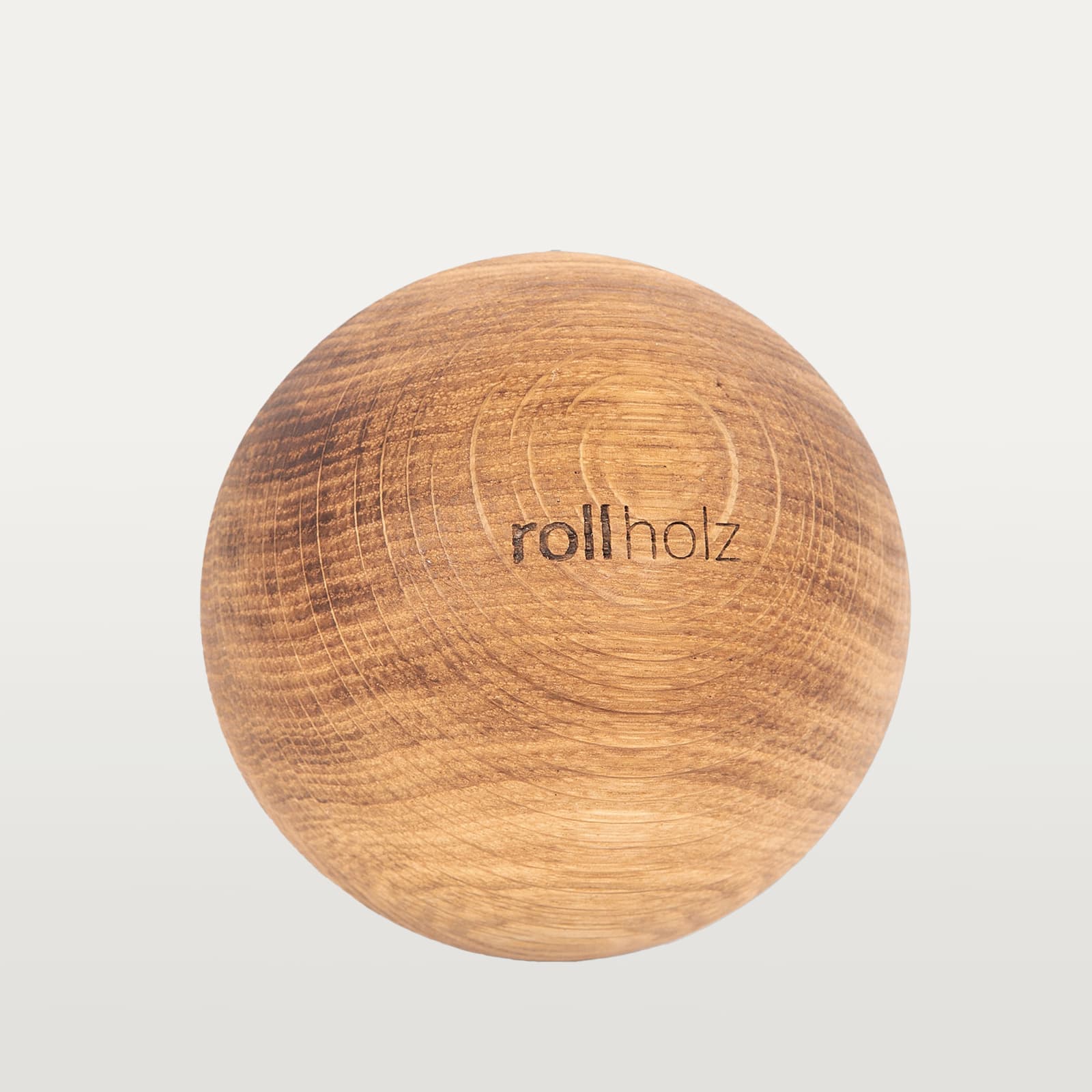
Targeted pressure on the receptors: Relieve neck tension with the rollholz fascia ball.
How fascia training flips the relaxation switch
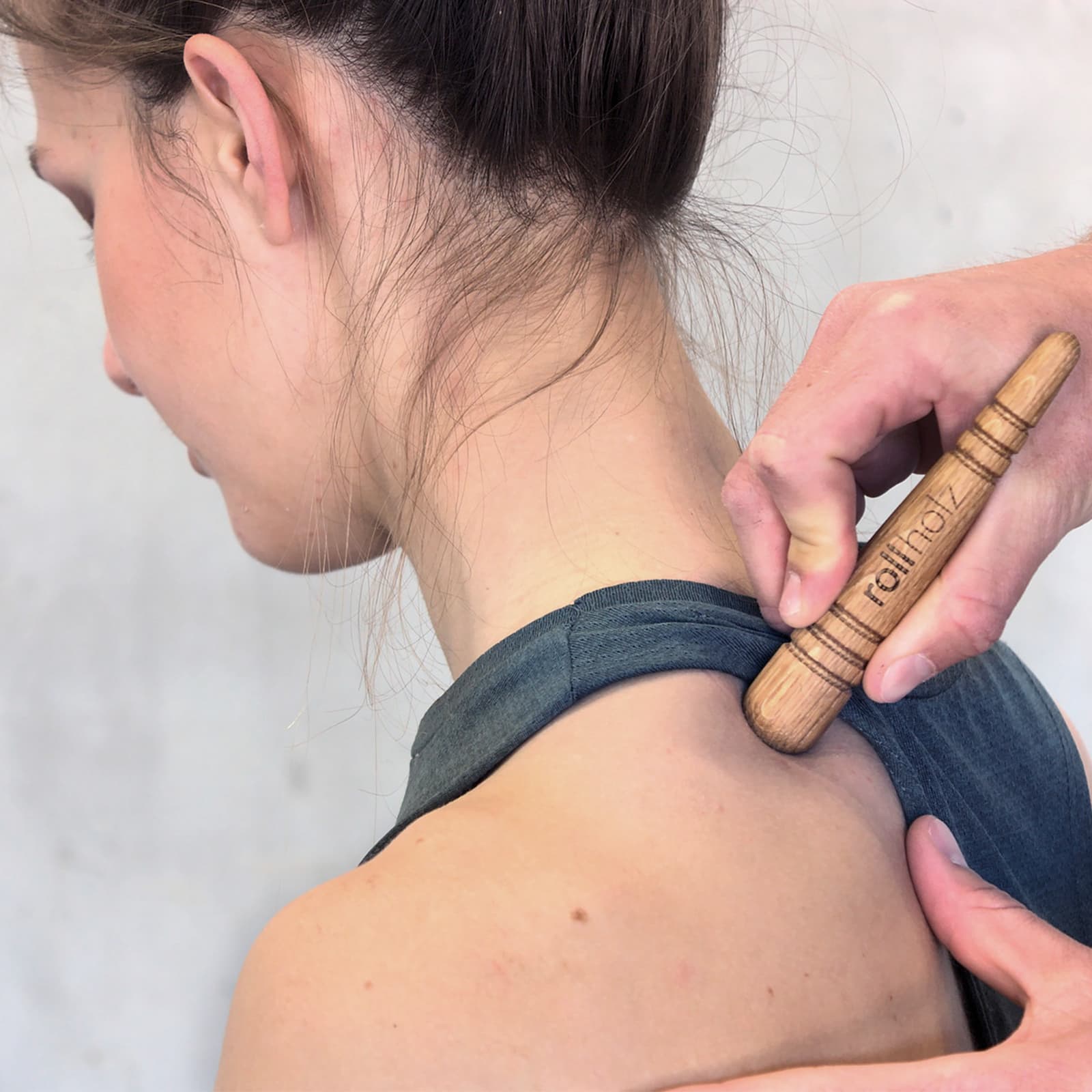
Here's the good news: targeted fascia training can immediately change the mechanical tension in the tissue. When you apply pressure to the tissue – for example, with a targeted massage using a fascia ball in the neck area – the connective tissue sends relaxation signals back to your brain. From there, the command to relax is directly passed on to your muscles.
In addition, the rolling movement massively stimulates blood circulation, gently stretches shortened muscles, and boosts overall cell metabolism. The tissue is essentially squeezed like a sponge and can then soak up fresh fluid and nutrients.
Our tip for after work:
Don't wait until the pain becomes chronic. Regular, short breaks and targeted self-massage are the fastest, most effective way to balance long days at the office – precisely where you need it most.
A brief outlook on Part 3
A relaxed back is priceless. But did you know that supple fascia also brings tangible benefits in everyday life and sports? In the next part of our series, you'll learn why improved flexibility even helps you achieve noticeably more strength: "Everyday Power – How flexibility protects you and makes you stronger."


Leave a comment
All comments are moderated before being published.
This site is protected by hCaptcha and the hCaptcha Privacy Policy and Terms of Service apply.