
Have you ever wondered what actually holds your body together on the inside? The answer is fascia. Although they were long overlooked in the fitness and health world, they play a major role in your well-being, posture, and freedom of movement.
But what exactly is behind this term?
The body's three-dimensional network
Fascia essentially consists of connective tissue fibers and water. You can imagine it like a huge, three-dimensional network that runs crisscross and literally envelops your entire body from head to toe.
In doing so, they fulfill a crucial connecting function: they enclose and stabilize your organs, muscles, bones, and ligaments.
The perfect balance of stability and flexibility
The fascinating thing about fascia is its specific composition of elastic and strong fibers. This allows them to achieve a remarkable balancing act: they give your body the necessary stability and shape, while also providing you with full elasticity for every movement.
In addition, fascia is extremely plastic. This means that they are not rigid, but dynamically adapt to your daily physical activity. They support your posture, absorb mechanical stresses (such as impacts when walking or running), and ensure that muscles and organs can glide smoothly past each other with every movement.
What happens with too little movement?
Fascia needs activity to stay healthy. If we move too little in everyday life – for example, by sitting for hours – this has direct consequences for the tissue:
- The tissue dries out: Without movement, the fascia loses moisture and the fibers lose their elasticity.
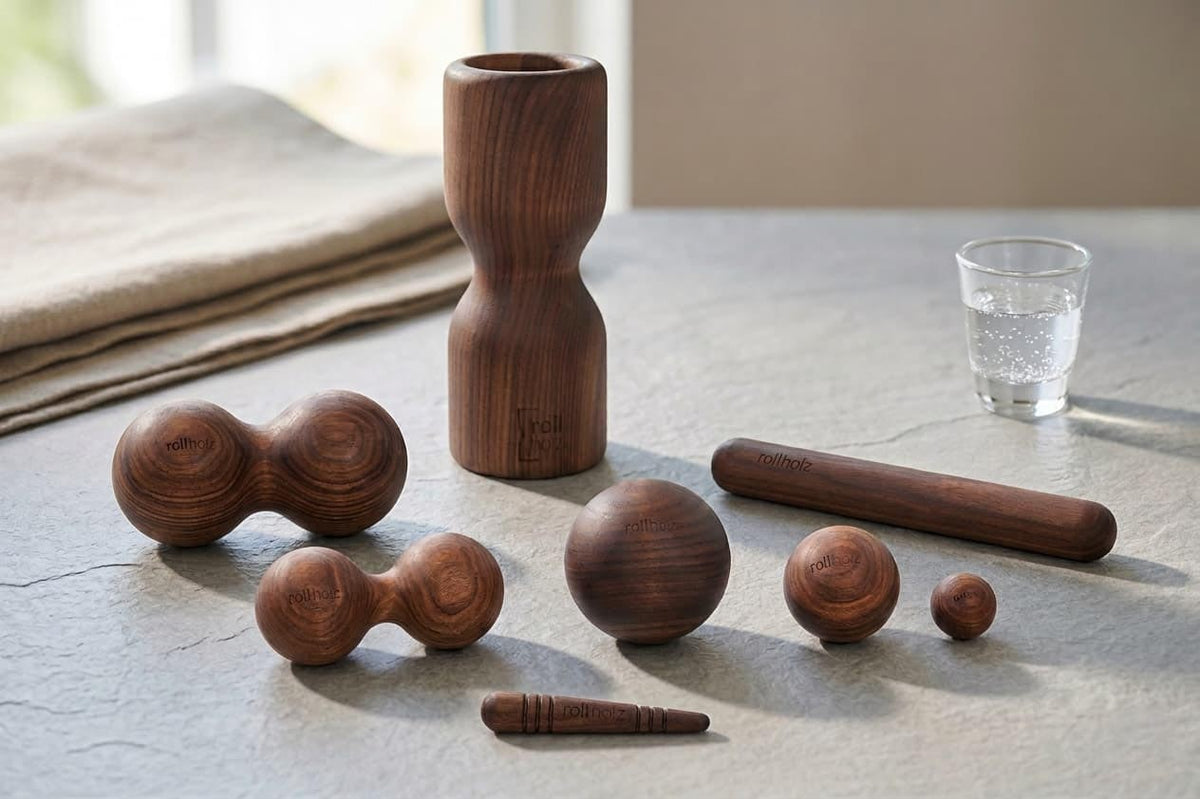
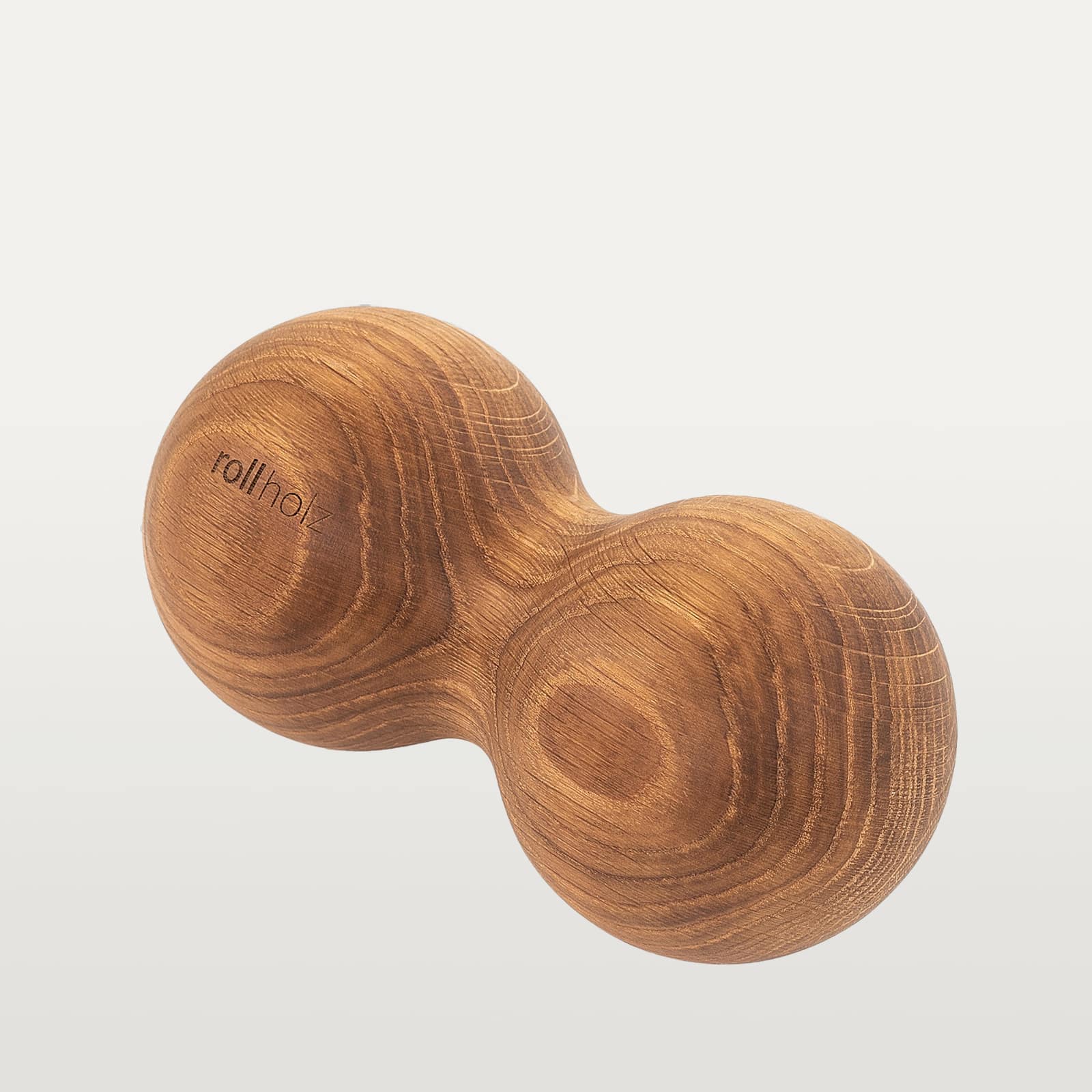
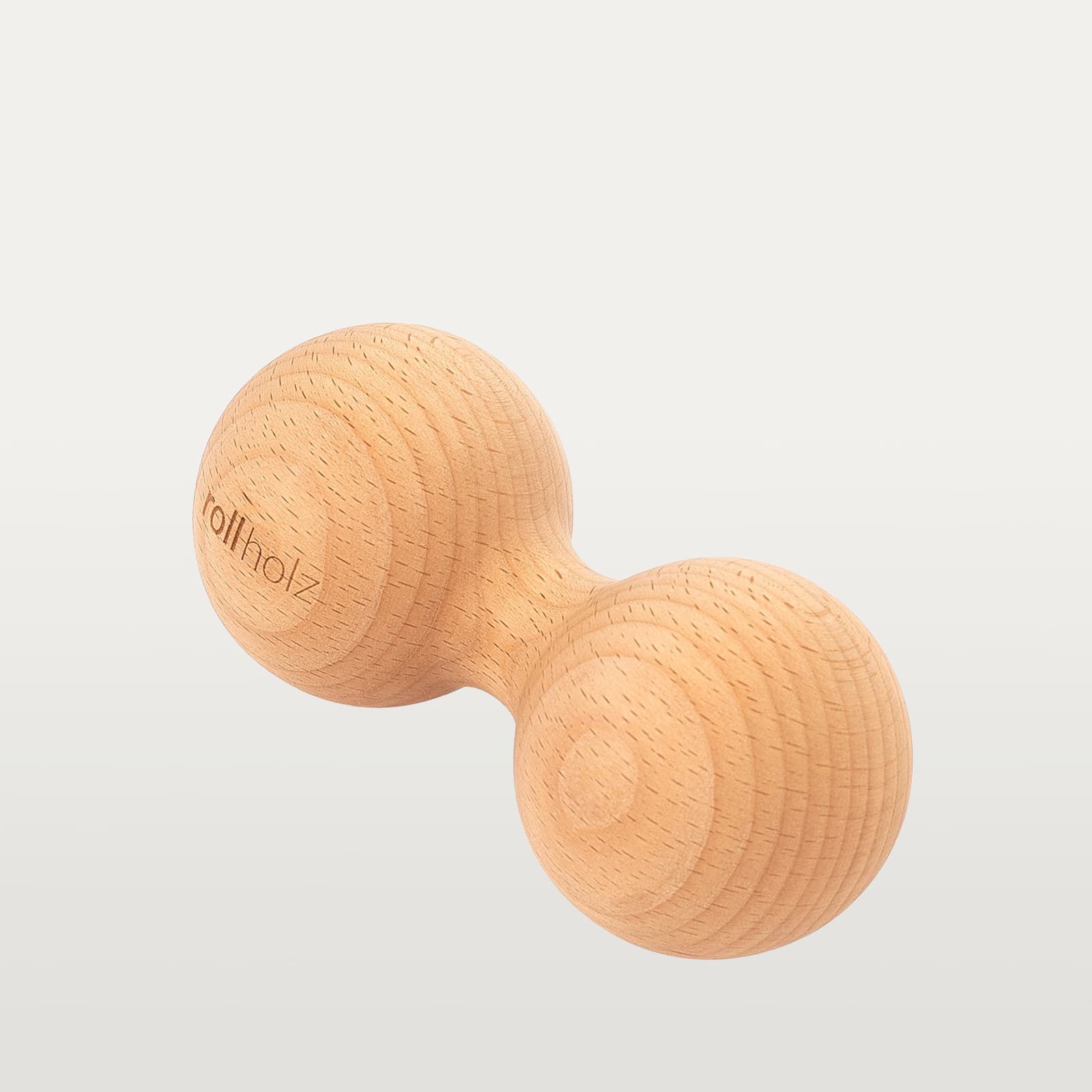
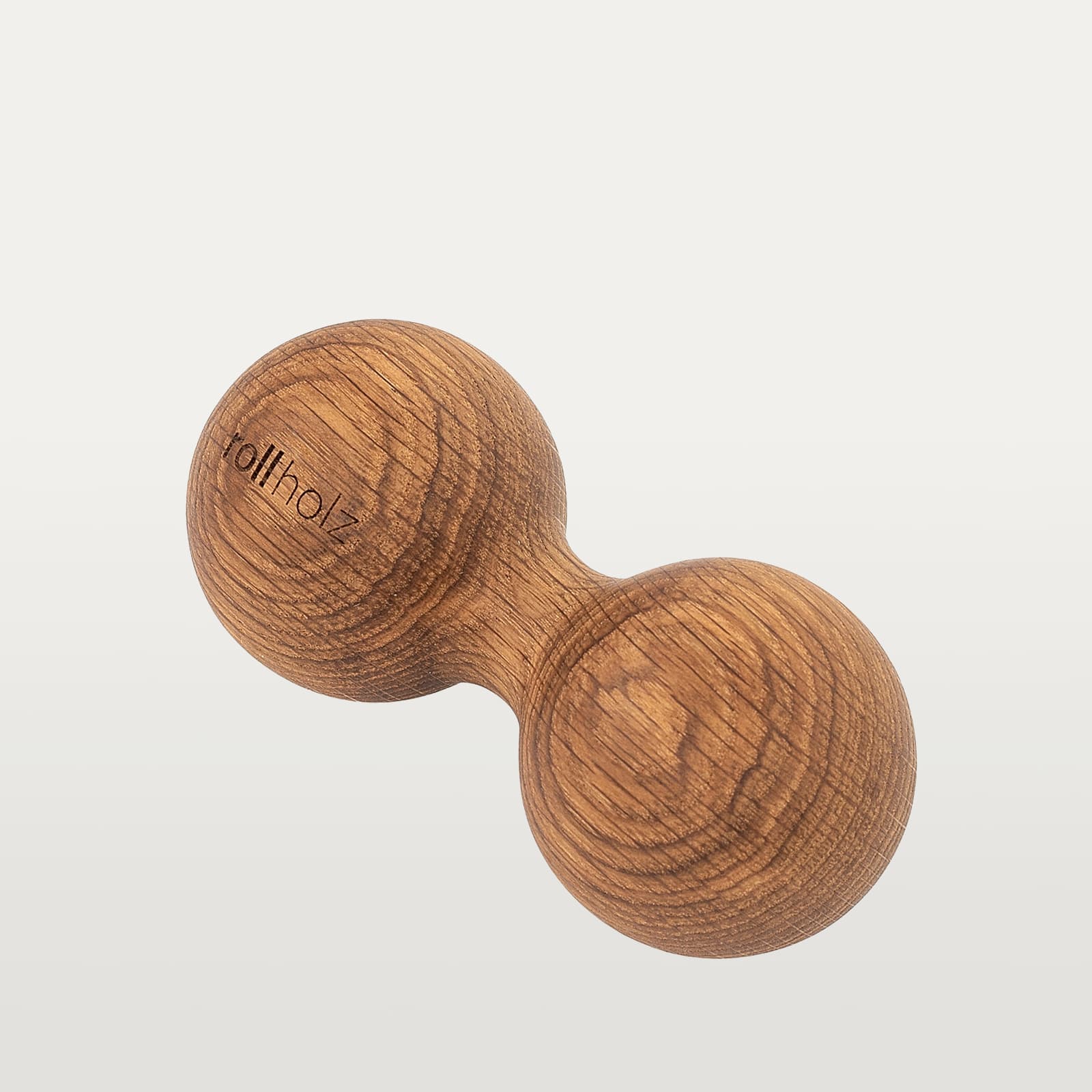
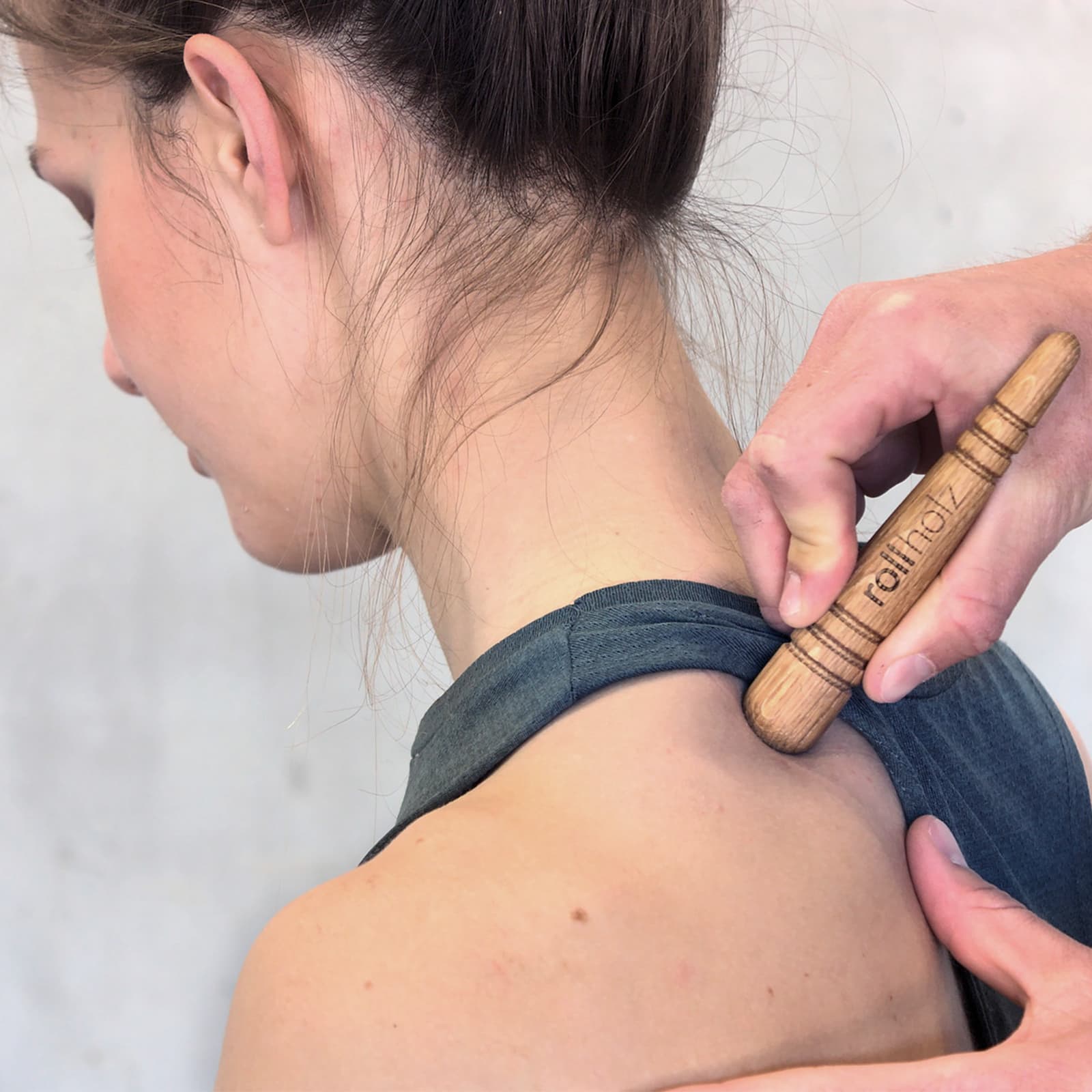
- The layers stick together: There is an undirected proliferation of connective tissue fibers. The individual fascial layers stick together and contract. Targeted training with a fascia roller or a fascia ball can effectively counteract this.
- Pain arises: These adhesions often lead to inflammatory processes, noticeably restrict your mobility and can ultimately become painful.

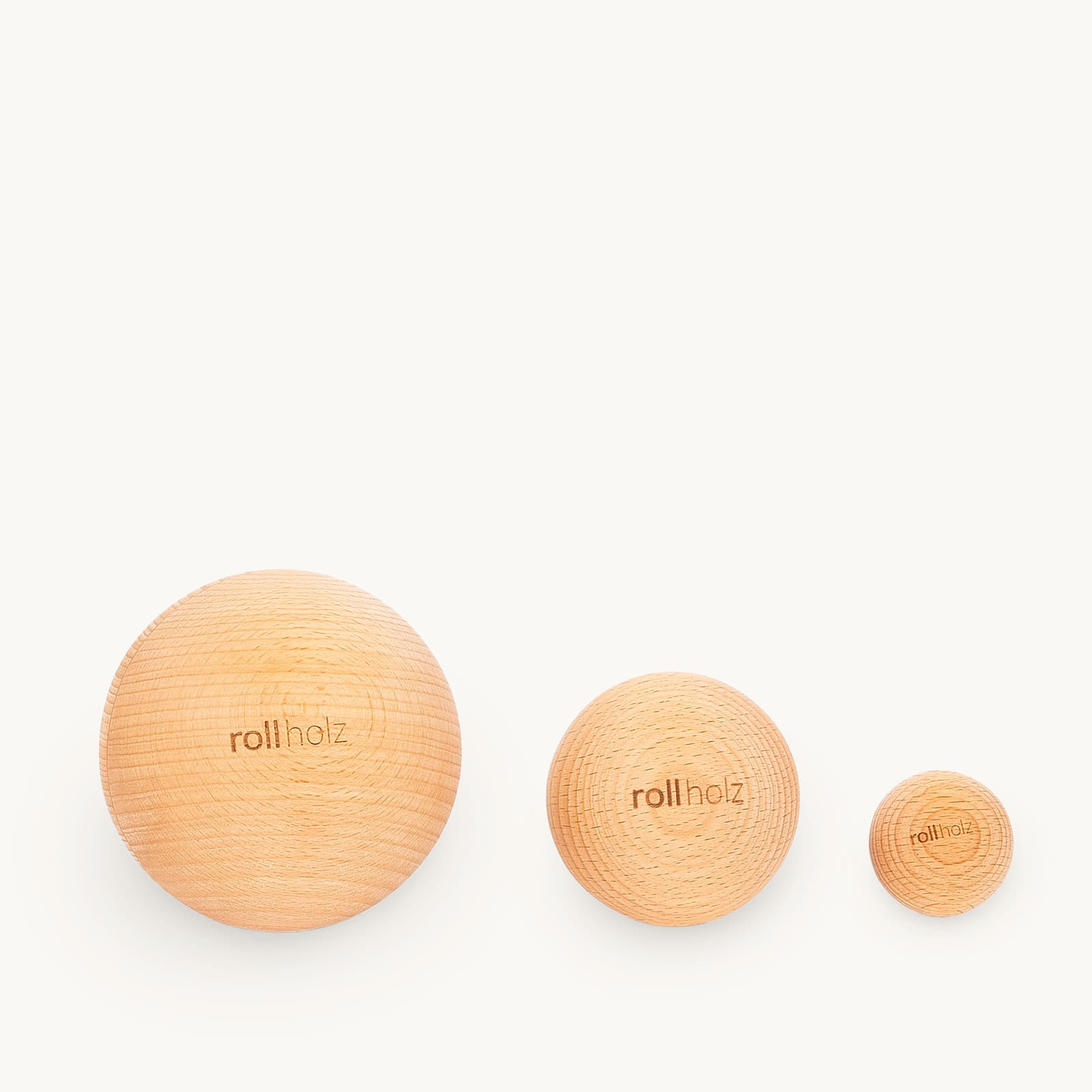
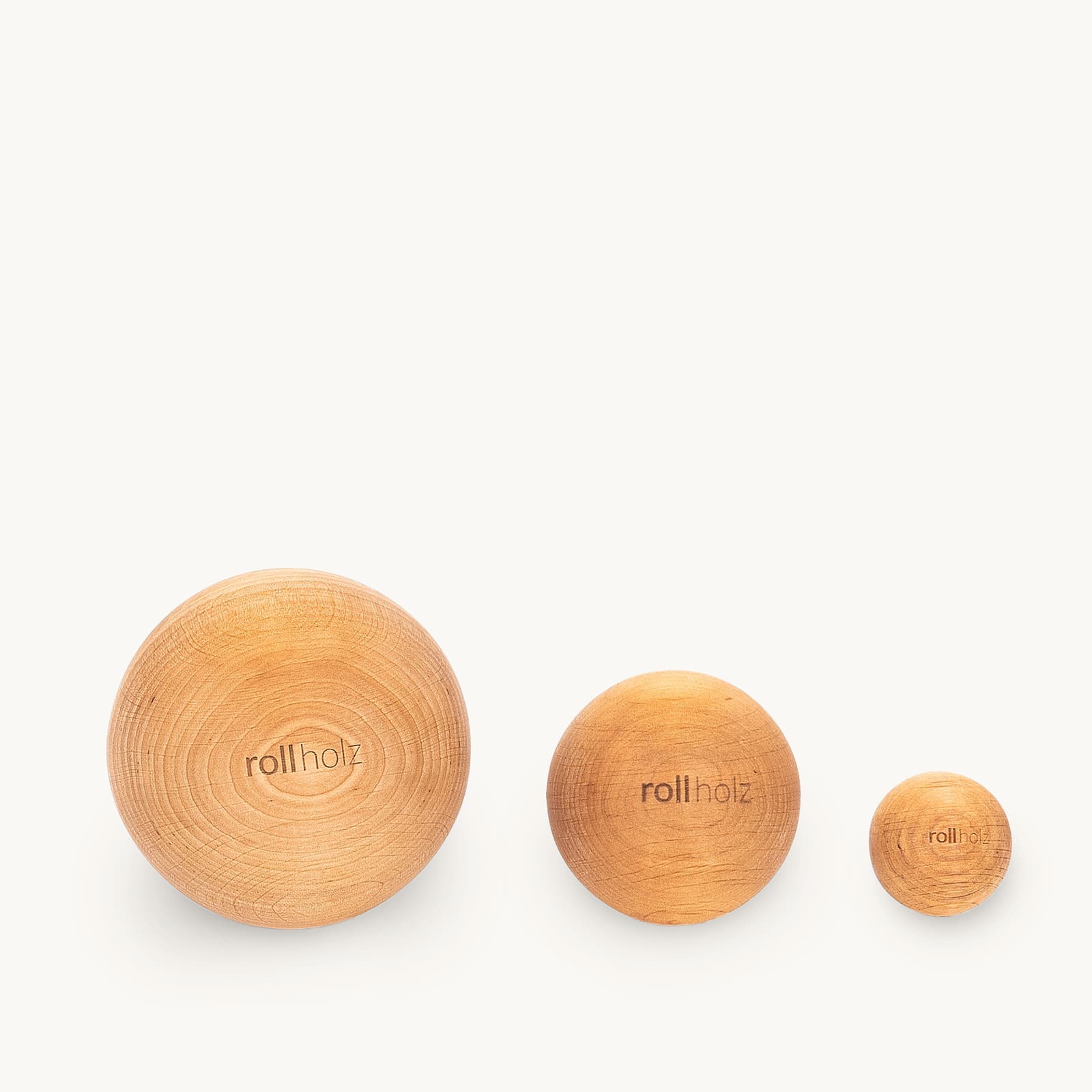
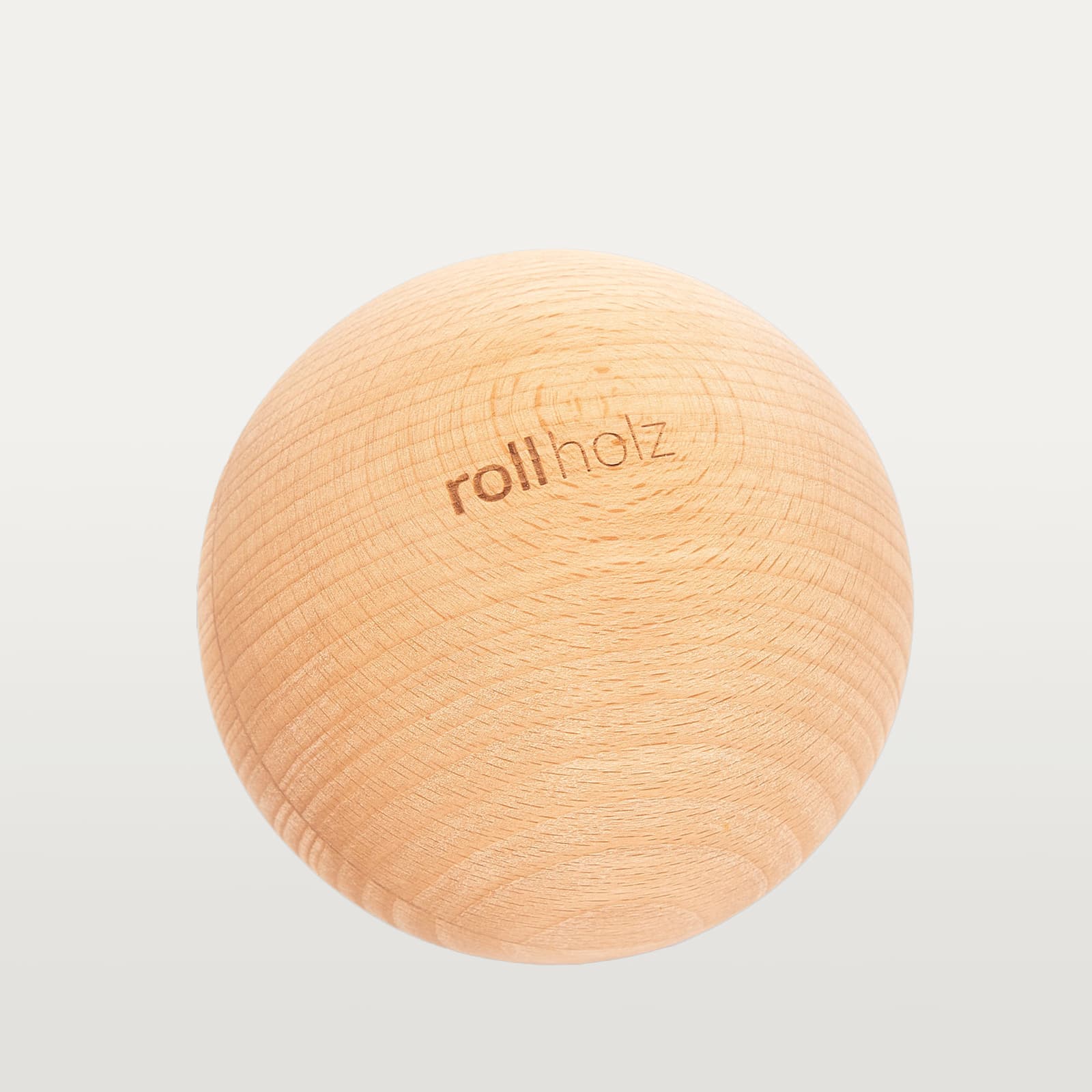
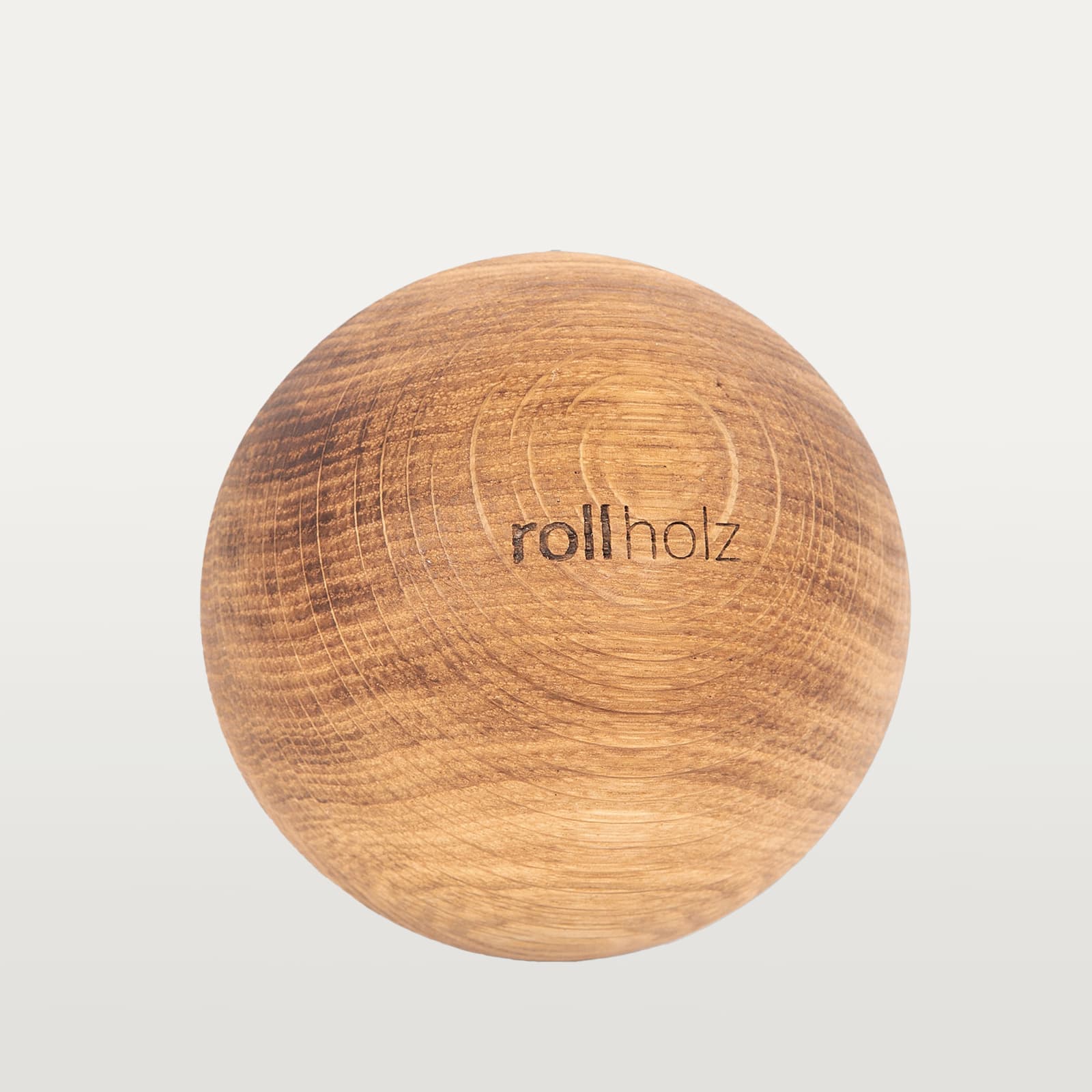
Left: Adhered fascial layers due to too little movement. Right: Targeted release of the tissue with our rollholz fascia balls.
Small everyday tip for supple fascia:
Since fascia consists largely of water, fluid is its elixir of life. So, if you feel stiff or inflexible, don't just roll out the mat, but first grab a large glass of water. Your connective tissue will thank you!
A brief outlook on Part 2
Now you know how the network in your body works. But how exactly are these adhesions related to the typical neck and back pain after a long day at work? You'll find out in the next part of our series: "The Pain Killer – Why Fascia Is the True Cause of Tension".



Leave a comment
All comments are moderated before being published.
This site is protected by hCaptcha and the hCaptcha Privacy Policy and Terms of Service apply.