

When people think of strength and fitness, they usually immediately picture heavy dumbbells, sweat-inducing workouts, and burning muscles. Mobility training, on the other hand, is often dismissed as an optional "nice-to-have" after the main workout. A fatal mistake.
Because your muscles can only unleash their full strength if the surrounding fascial network is supple and flexible. True everyday power doesn't come from pure muscle mass, but from the perfect interplay of strength and mobility.
The Catapult Principle: Why Fascia Store Strength
Fascia are much more than just a sheath for our muscles. They possess the fascinating property of storing kinetic energy like a spring and releasing it explosively at the right moment – biologists call this the "catapult effect."
Whether you lift a heavy box, climb stairs, or run: a well-trained, elastic fascial network absorbs the energy of movement and releases it again like a stretched rubber band. This massively relieves your muscles, protects your joints from overuse, and ensures that your everyday movements feel noticeably lighter and more dynamic.
Matted Fascia as a Performance Brake
However, if the connective tissue becomes sticky and matted due to lack of movement, one-sided strain, or chronic stress, it loses this elasticity. Imagine trying to exercise in a diving suit that is far too tight and stiff – every step costs you an enormous amount of energy because you constantly have to fight against the resistance of the suit.
This is exactly what happens with inflexible fascia: they block the muscle in its full range of motion. You lose valuable strength potential, tire much faster in everyday life, and the risk of strains, improper loading, osteoarthritis, or herniated discs increases drastically.

More Range of Motion: Improved flexibility protects against injuries and increases performance.
The Perfect Routine for Maximum Resilience
The good news is: fascia respond extremely well to stimuli – they just need the right mix. To fully unleash your everyday power, you should integrate two elements into your routine:
- Dynamic stretching: Bouncing, flowing movements recharge the elastic stores of your connective tissue and optimally prepare the body for stress.
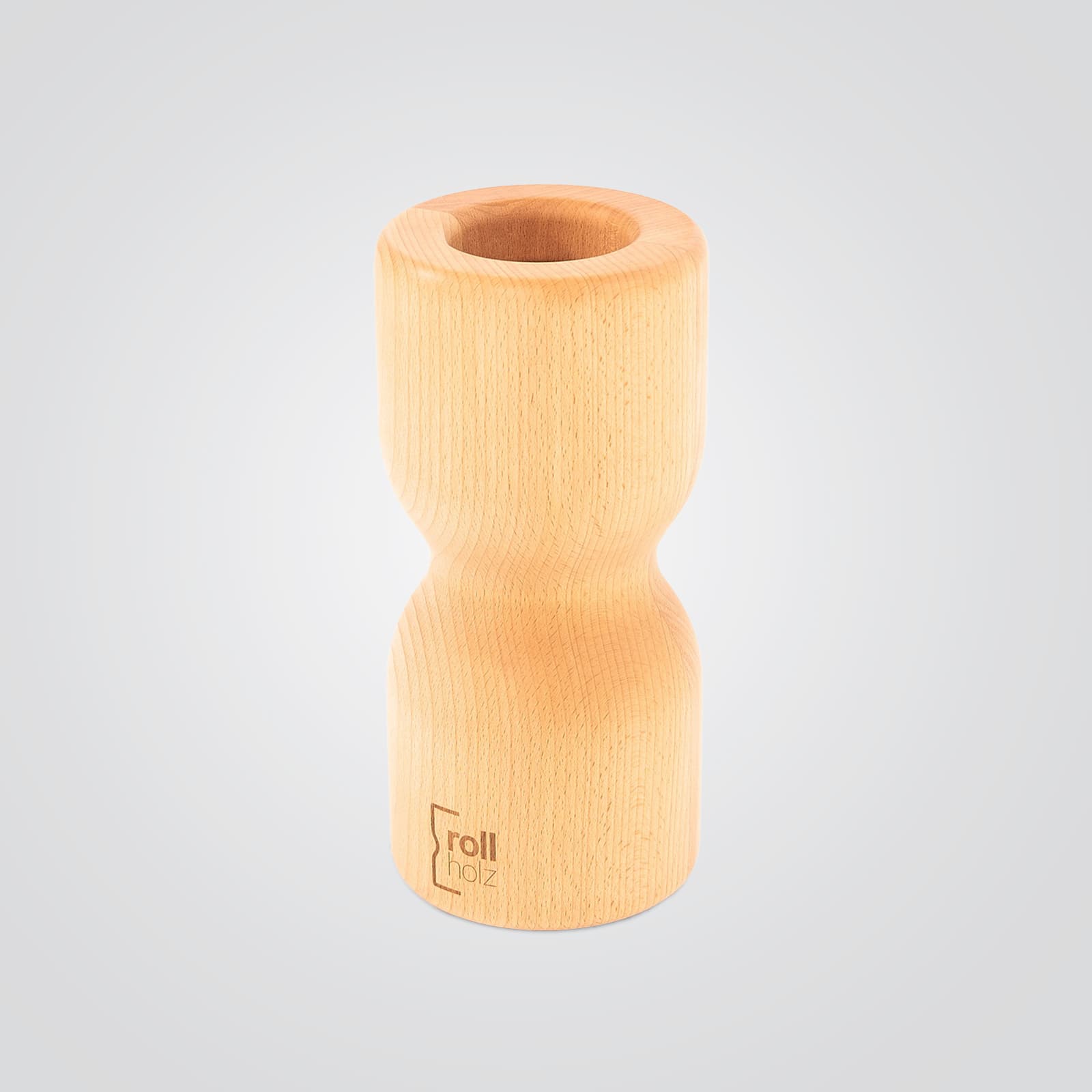
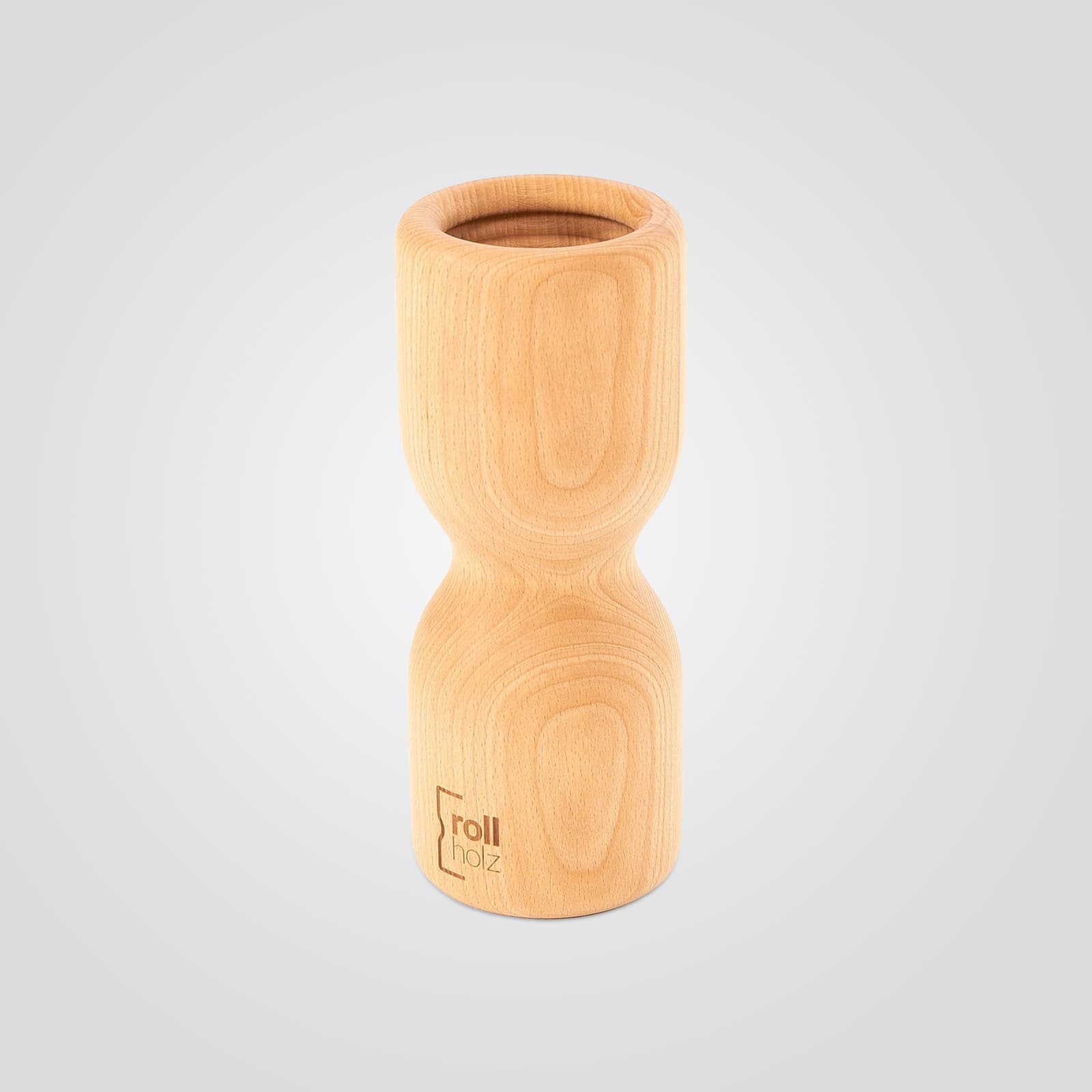
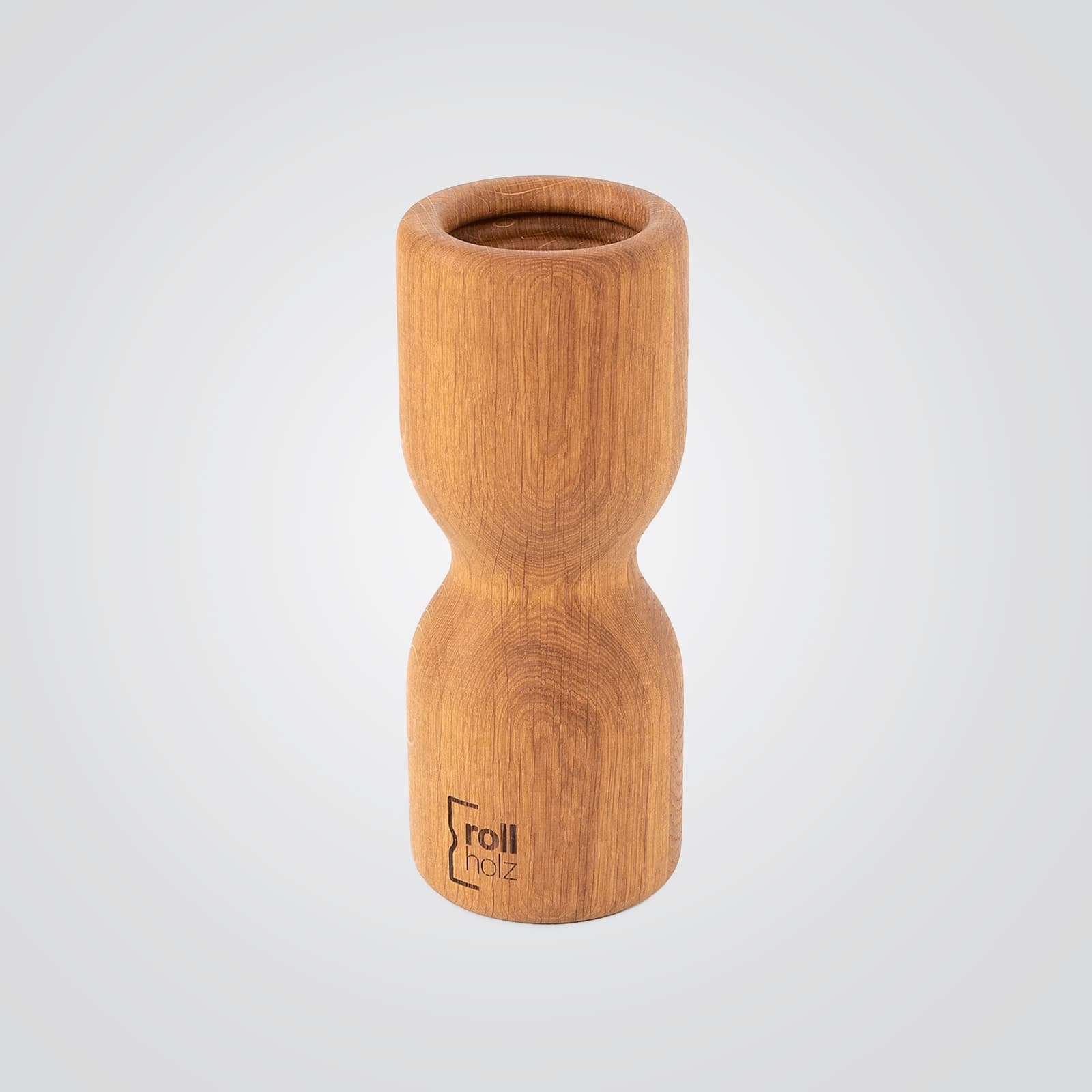
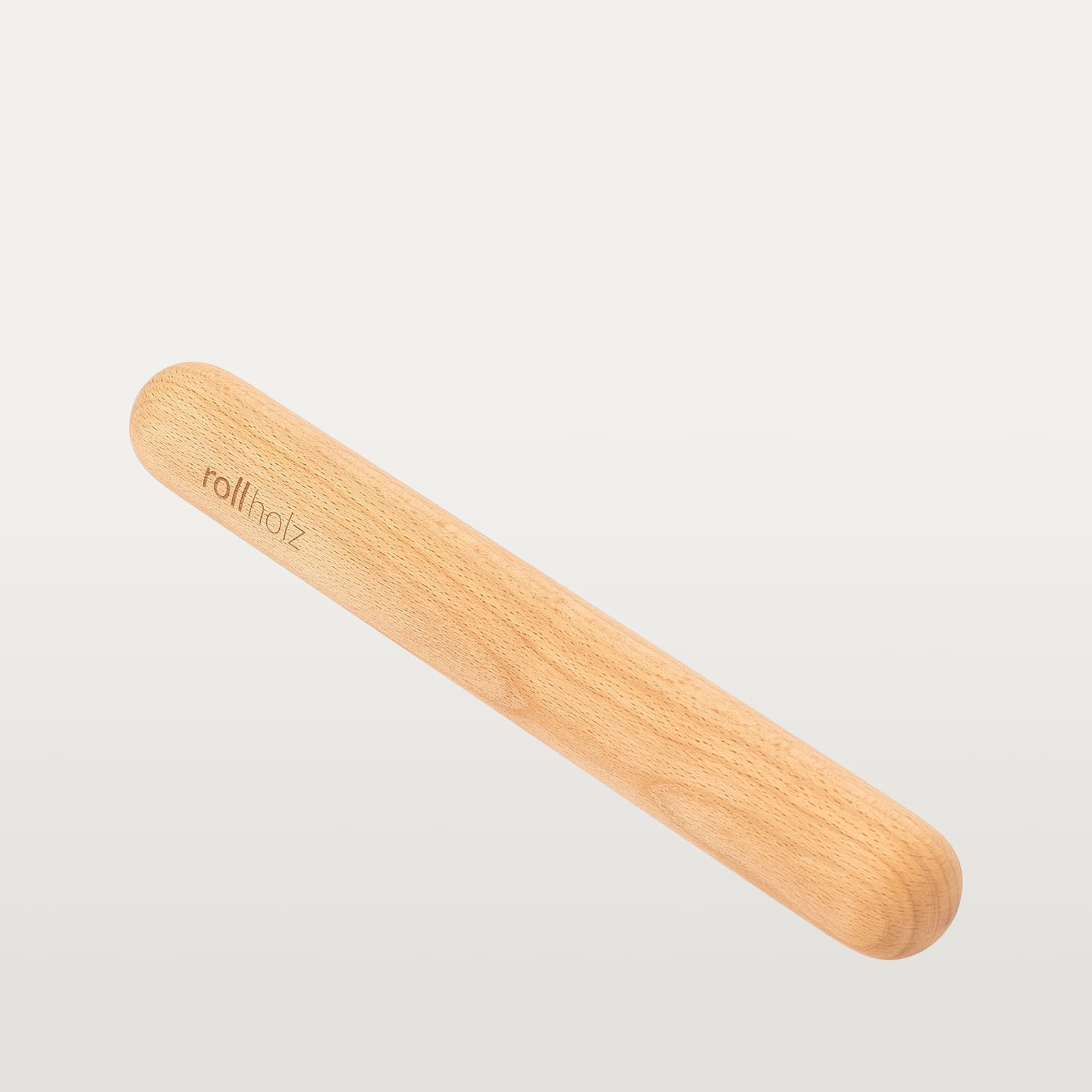
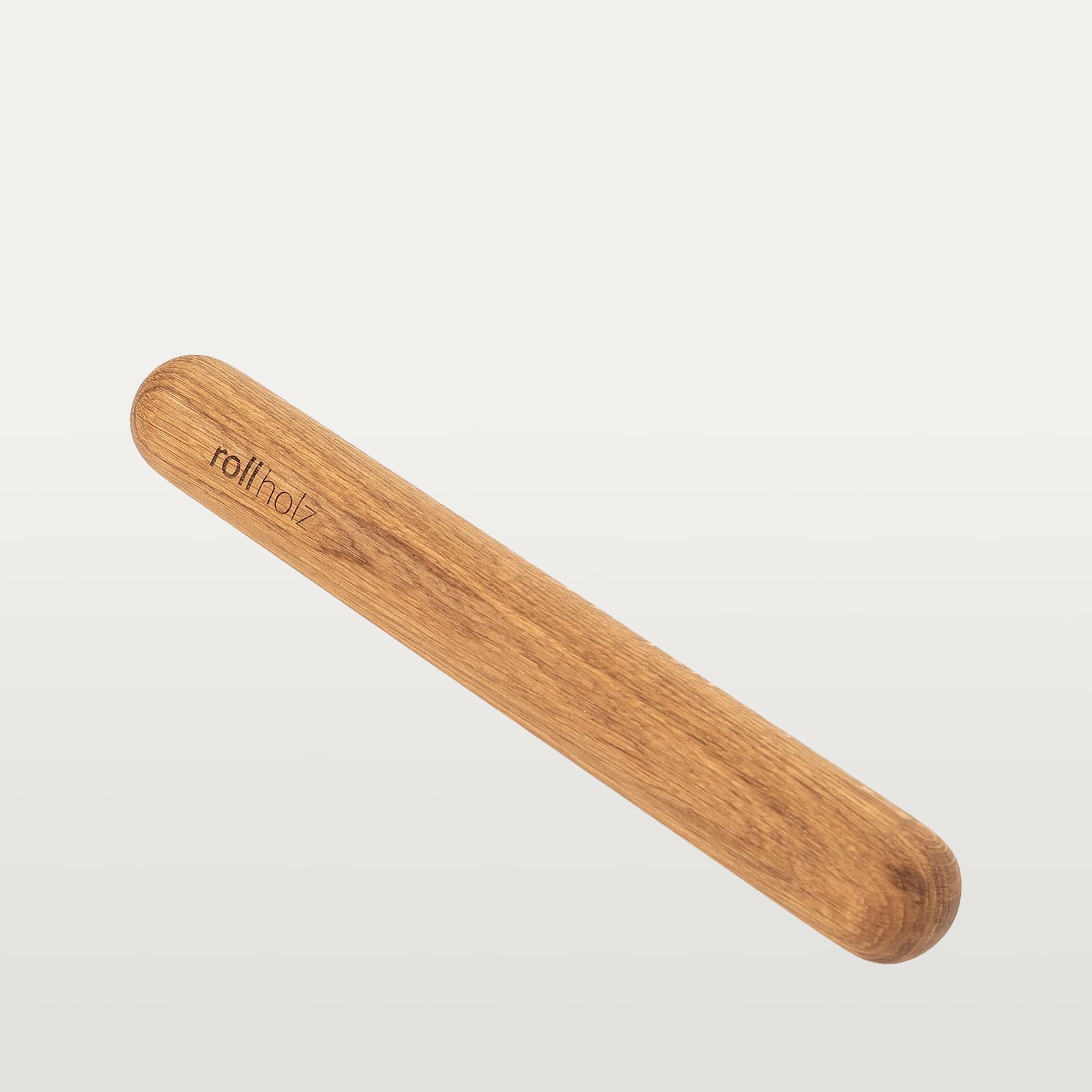
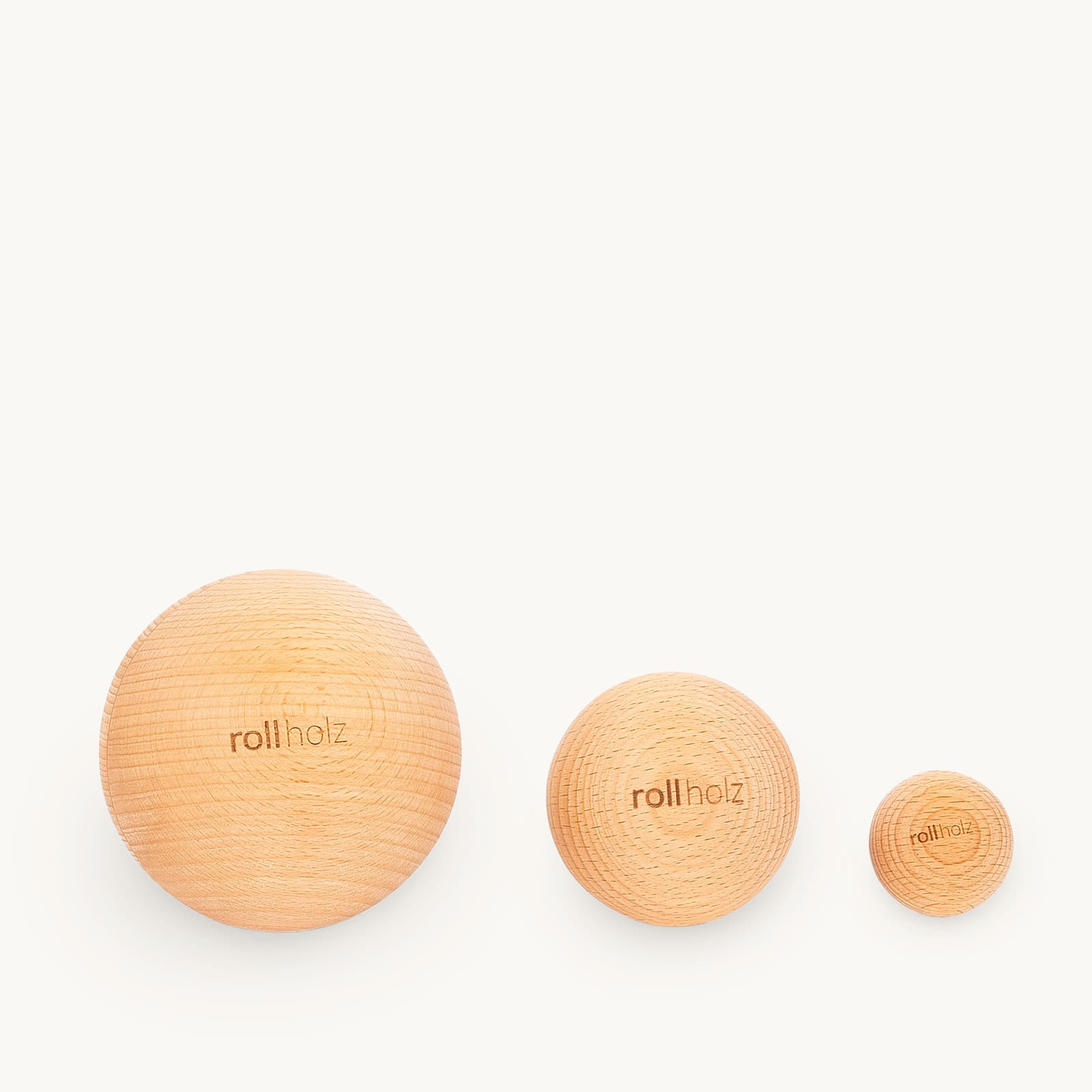
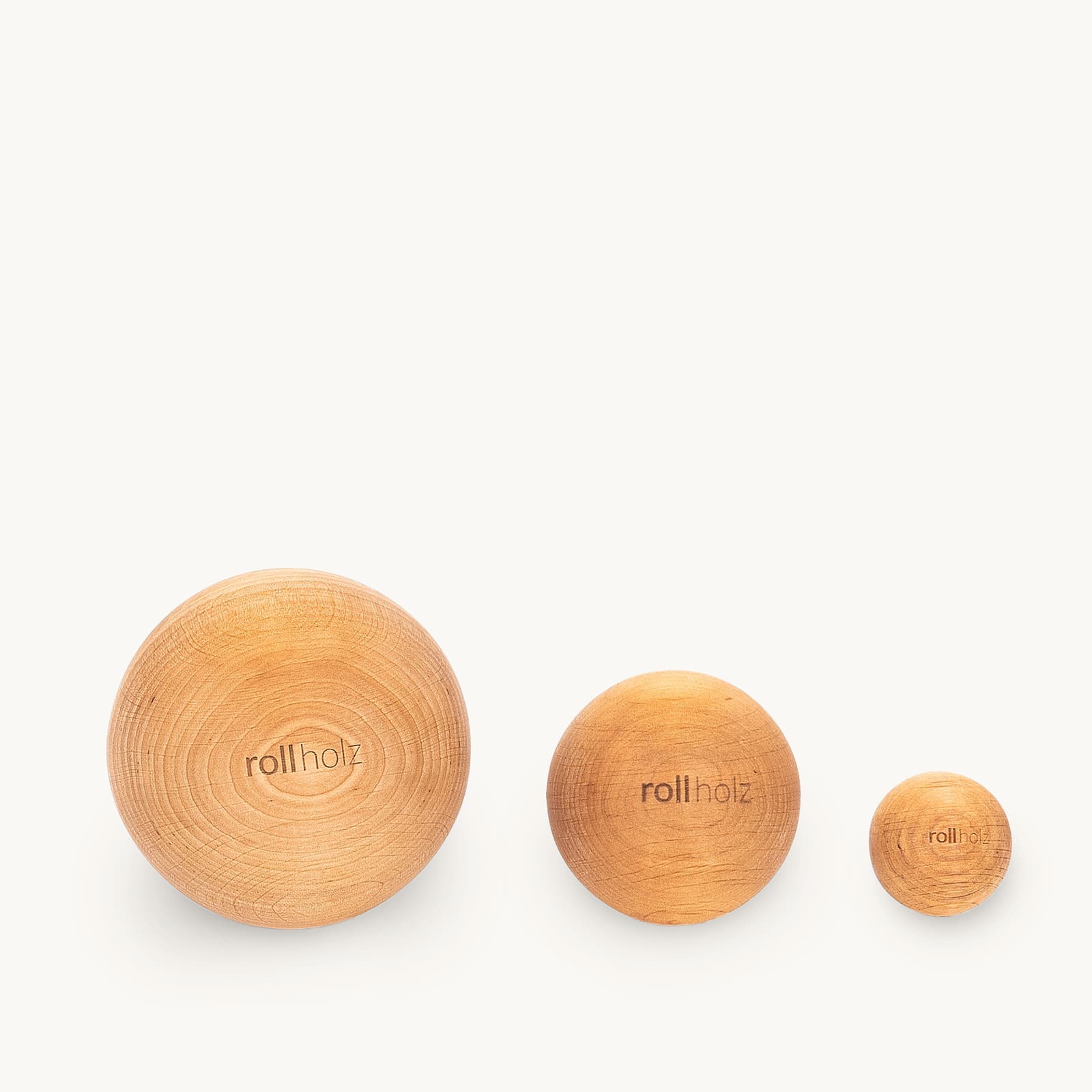
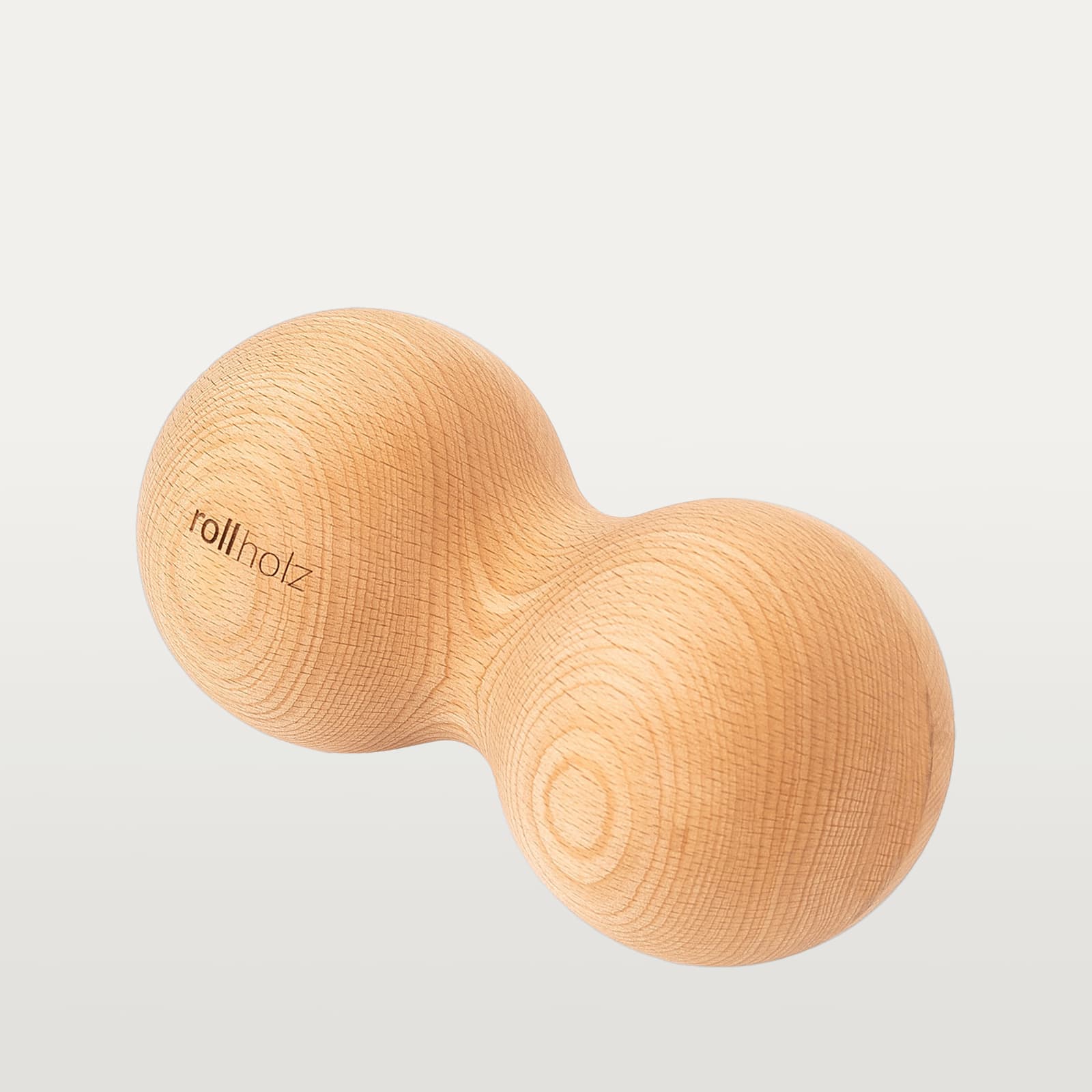
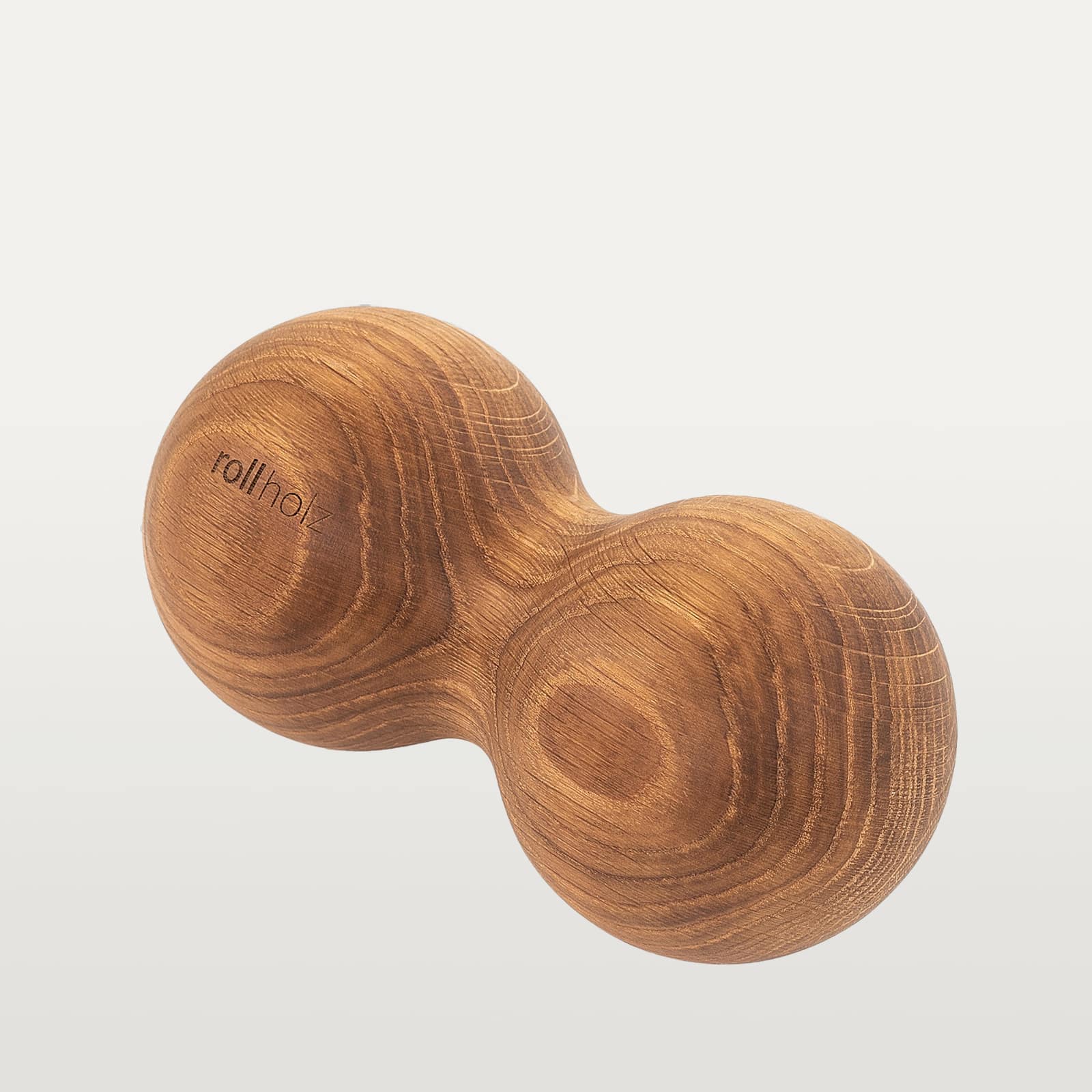
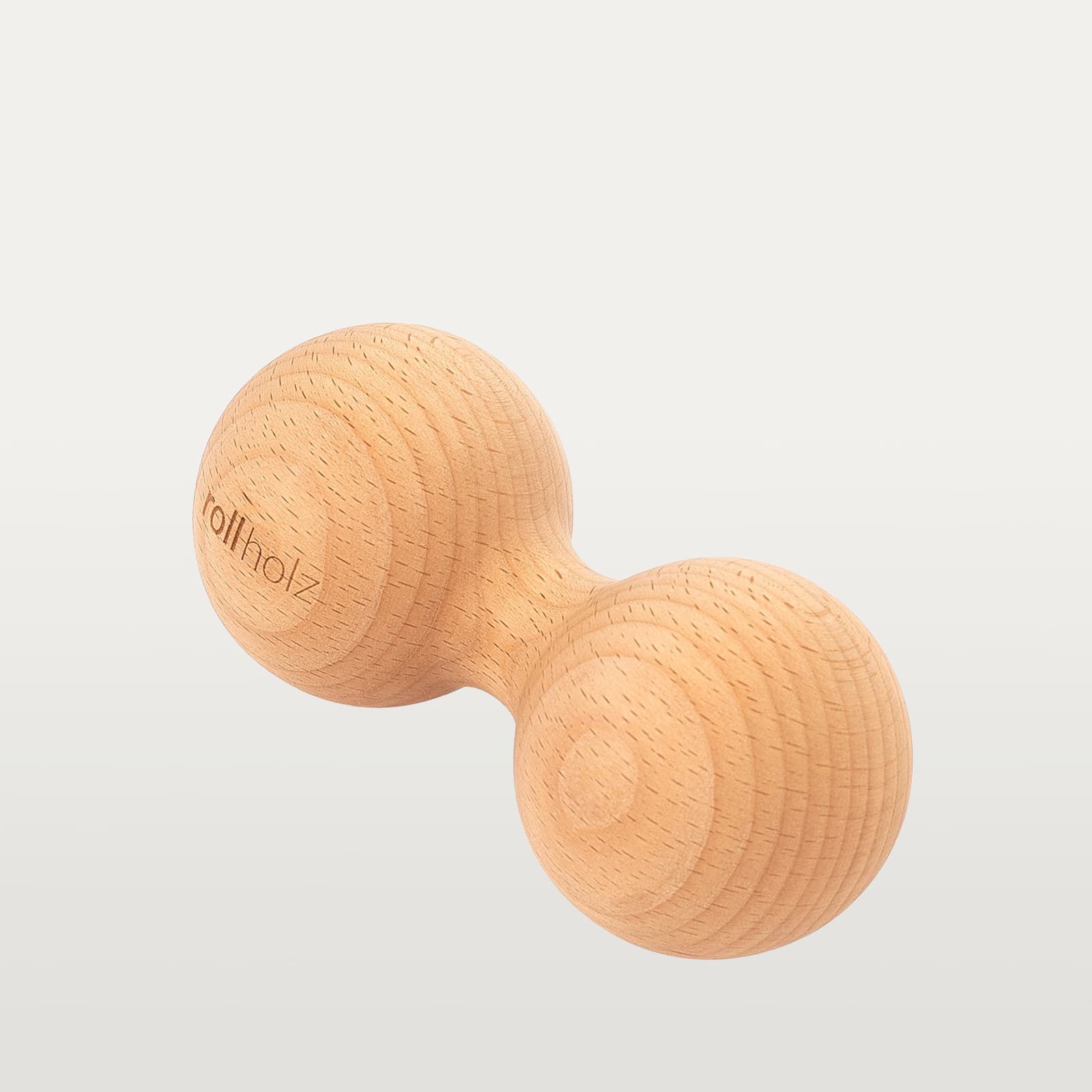
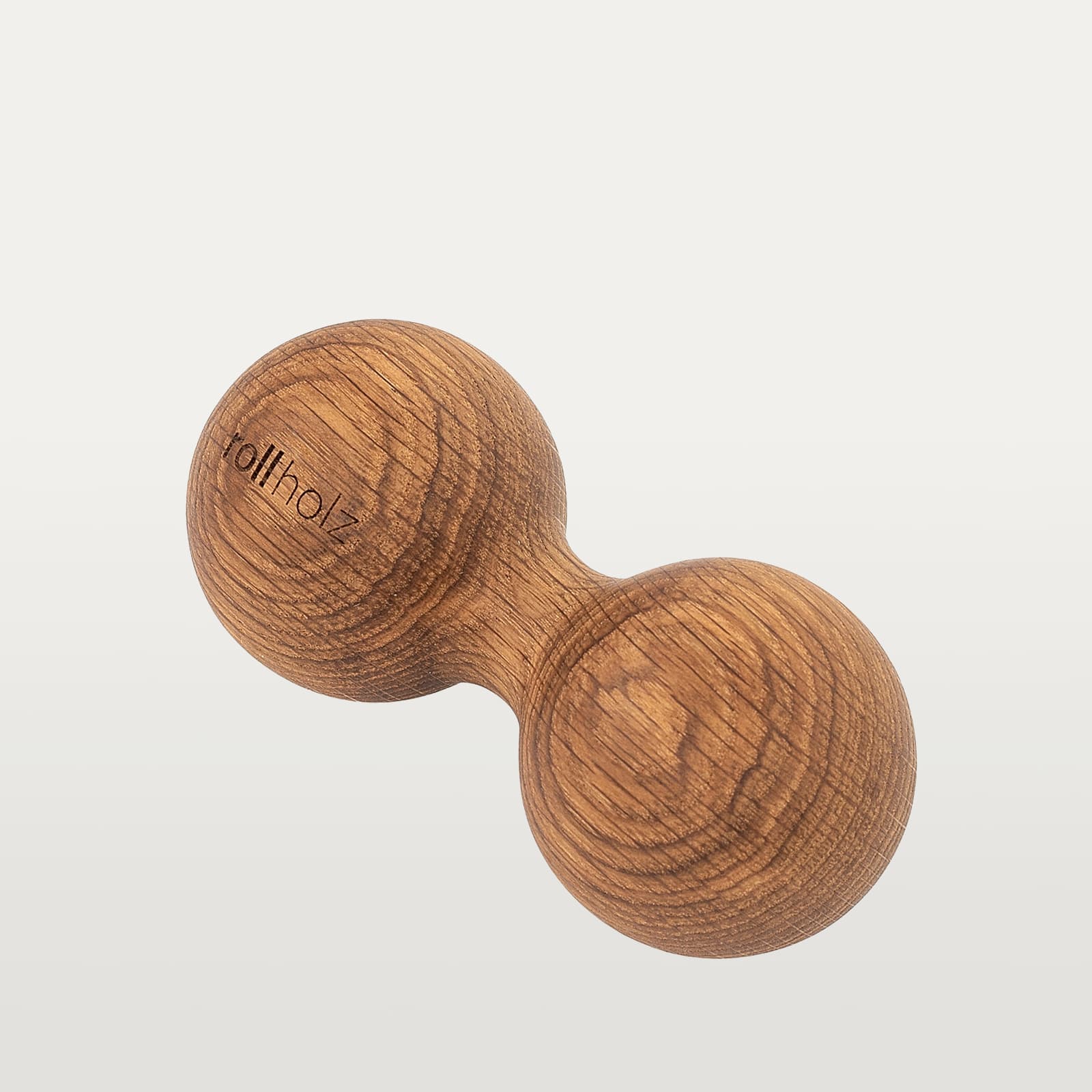
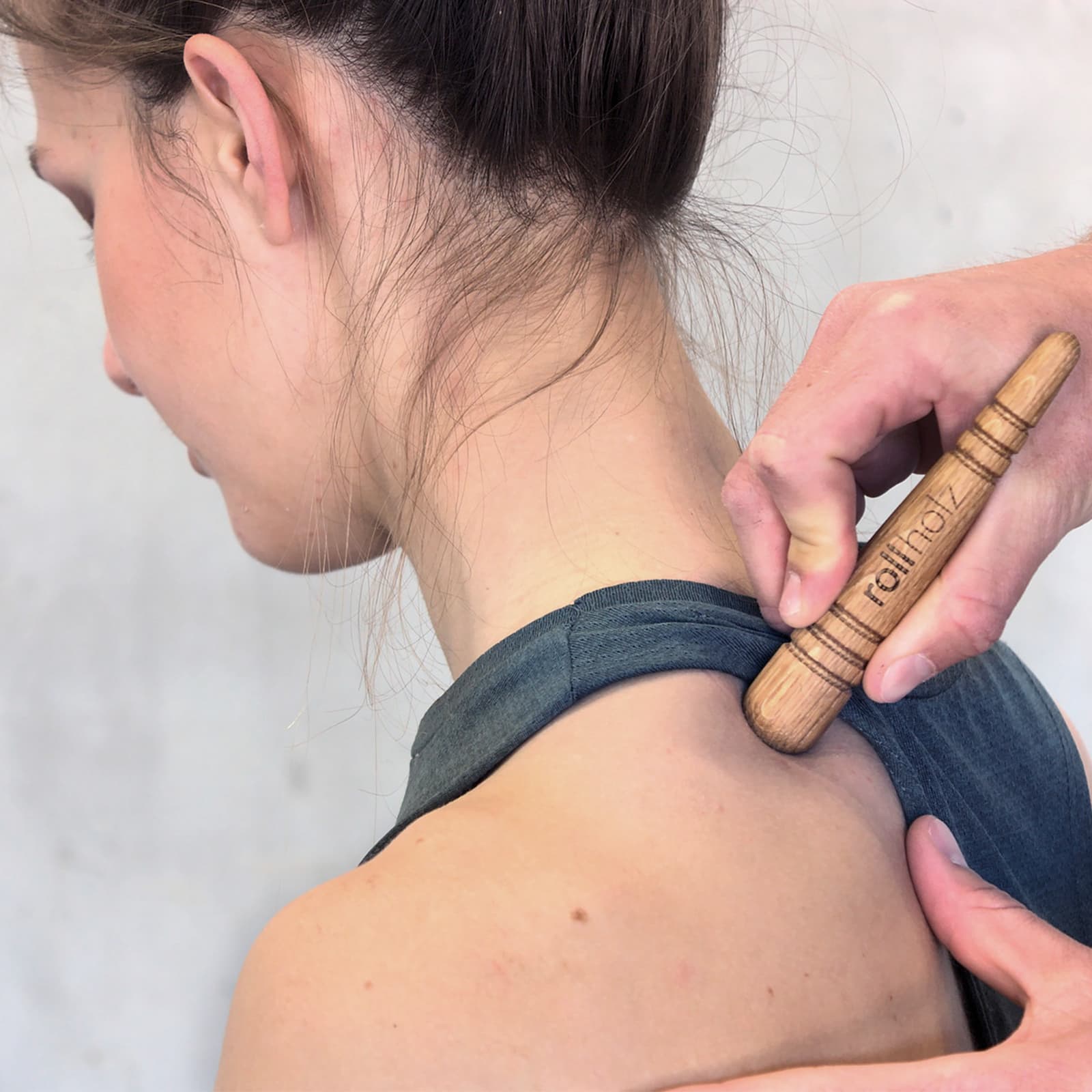
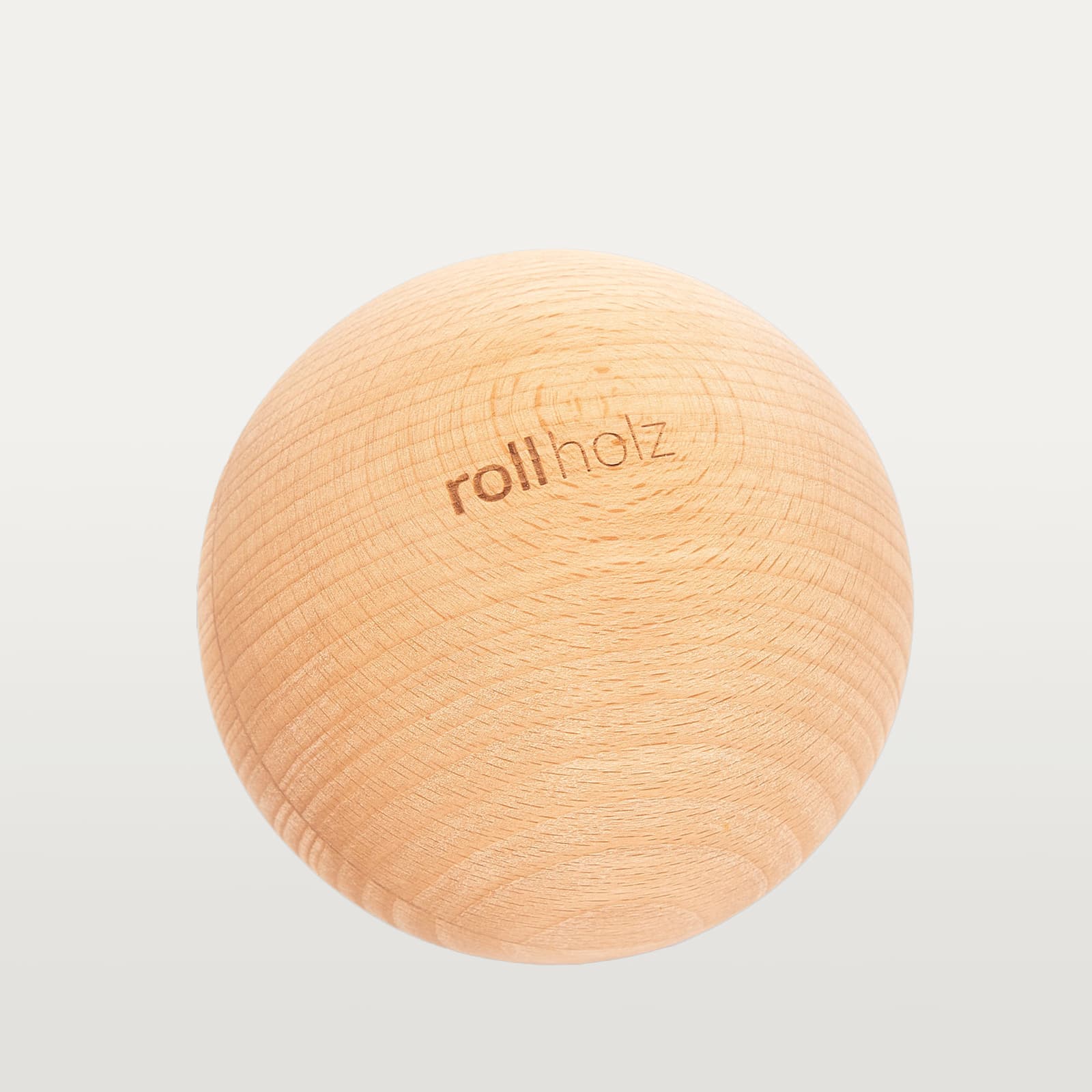
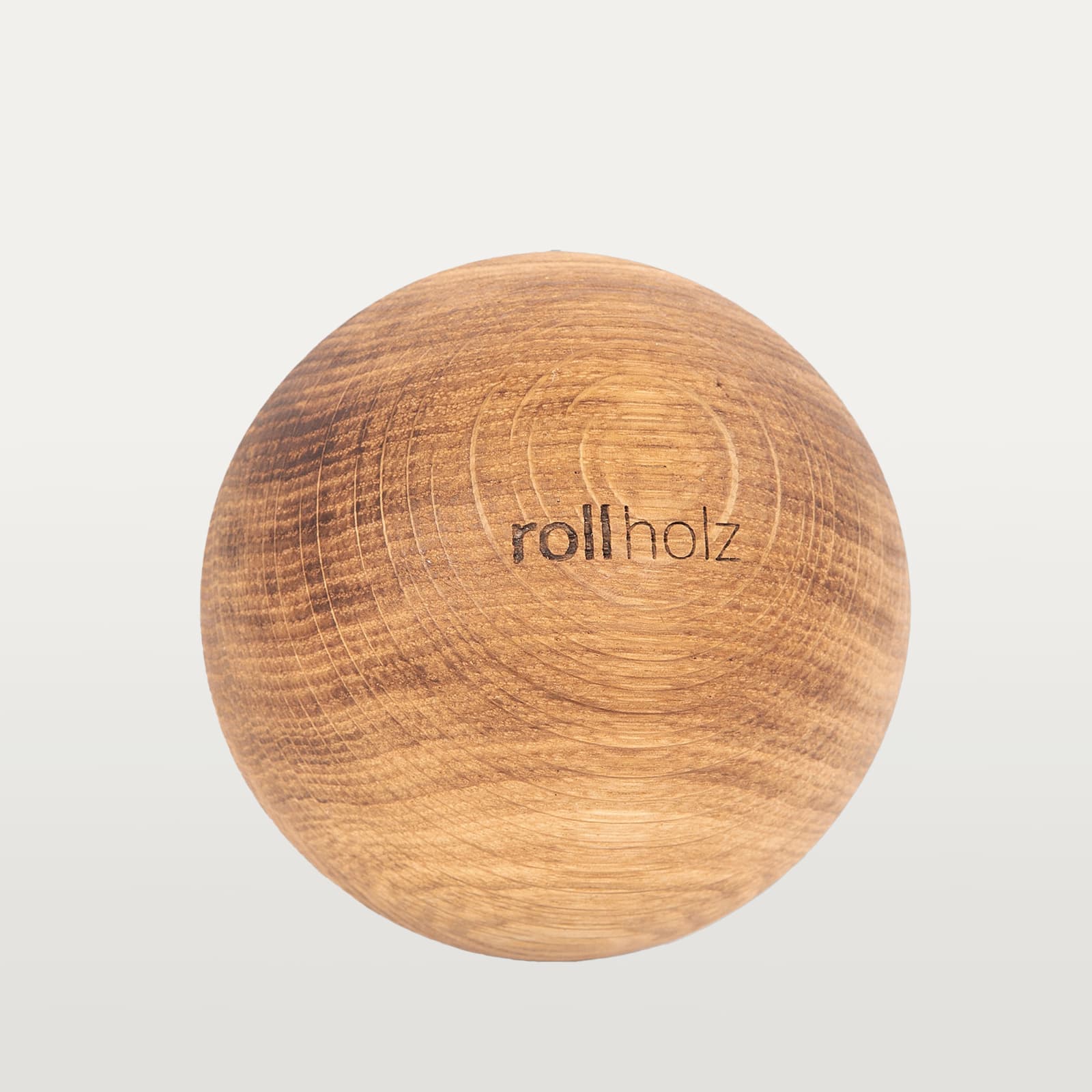
- Targeted rolling: Self-massage with a fascia roller or fascia ball releases deep adhesions, rehydrates the tissue, and ensures that the muscle fibers can glide smoothly again.
Our tip for more ease:
Health and performance begin in the connective tissue. By regularly dedicating a few minutes of attention to your fascia, you break the vicious circle of inactivity, sustainably protect your joints, and lay the foundation for an agile, powerful life.
A brief outlook on Part 4
Mobility is the basis for your strength. But what about recovery after exercise or a strenuous day? In the next and final part of our series, you will learn how to specifically program your nervous system for recovery, lower stress hormones, and boost your metabolism: "The Recovery Guide – Fascia Training for Maximum Regeneration."








Leave a comment
All comments are moderated before being published.
This site is protected by hCaptcha and the hCaptcha Privacy Policy and Terms of Service apply.