

In a world that never stands still, true recovery has become one of the most valuable resources. But regeneration means much more than just lying on the couch. If you really want to "reset" your body and mind after a stressful day or a tough workout, you need to look deep beneath the skin – directly into the network of our fascia.
Switching Off at the Touch of a Button: Fascia and the Nervous System
Have you ever wondered why you can breathe so deeply after a slow roll with a fascia roller? The answer lies in your autonomic nervous system. Our fascia contain countless receptors that communicate directly with the vagus nerve – our "rest nerve."
Through very slow, gentle pressure, you signal to your brain: Danger over, relaxation allowed. This activates the parasympathetic nervous system, lowers cortisol levels (stress hormone), and causes your muscle tension to drop abruptly. It's like a mechanical off switch for everyday stress.
The Metabolism Turbo: The "Sponge Effect"
Regeneration is, chemically speaking, a cleansing process. During exertion, metabolic waste products are generated that make the tissue sluggish. Fascia training uses a simple but ingenious principle of nature: the sponge effect.
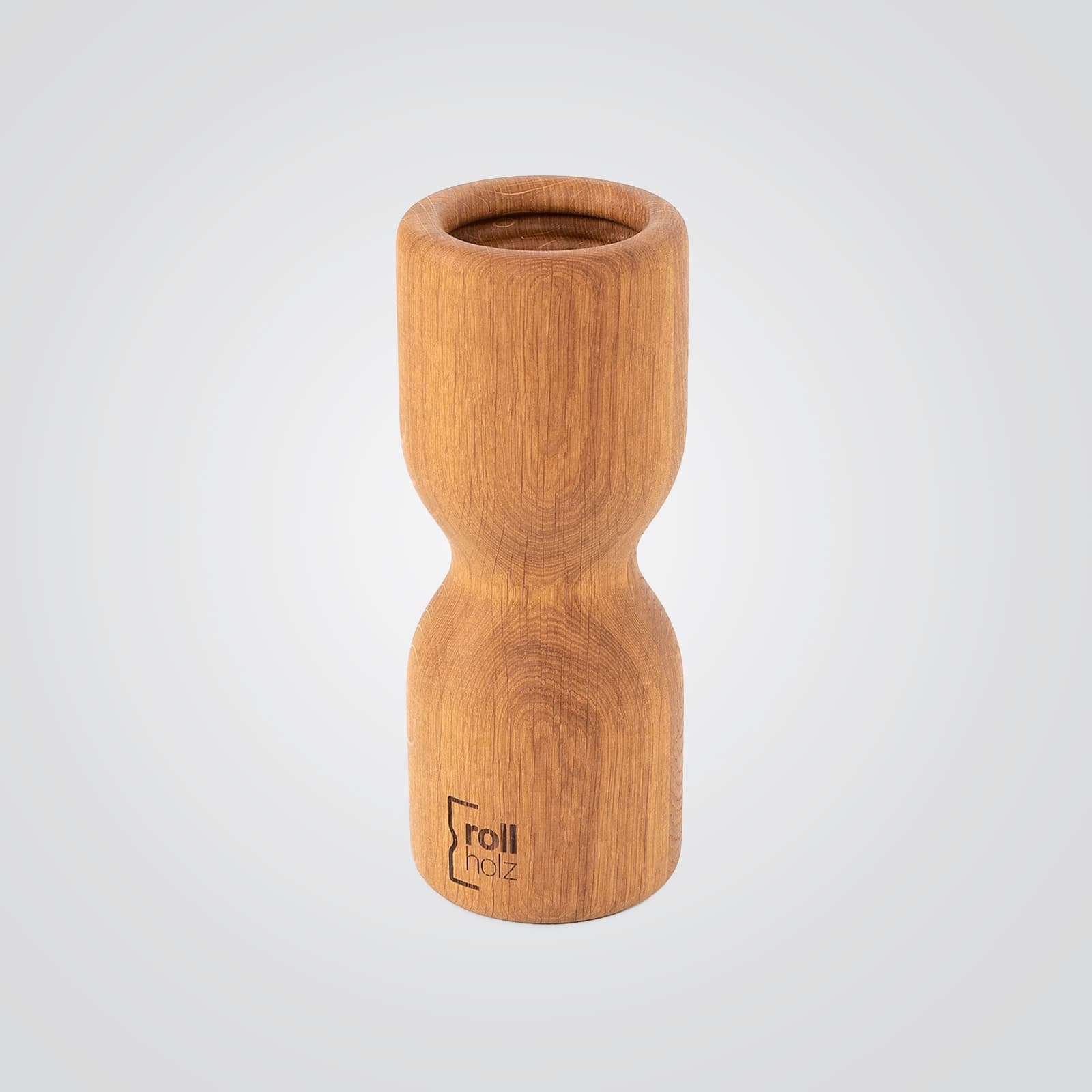
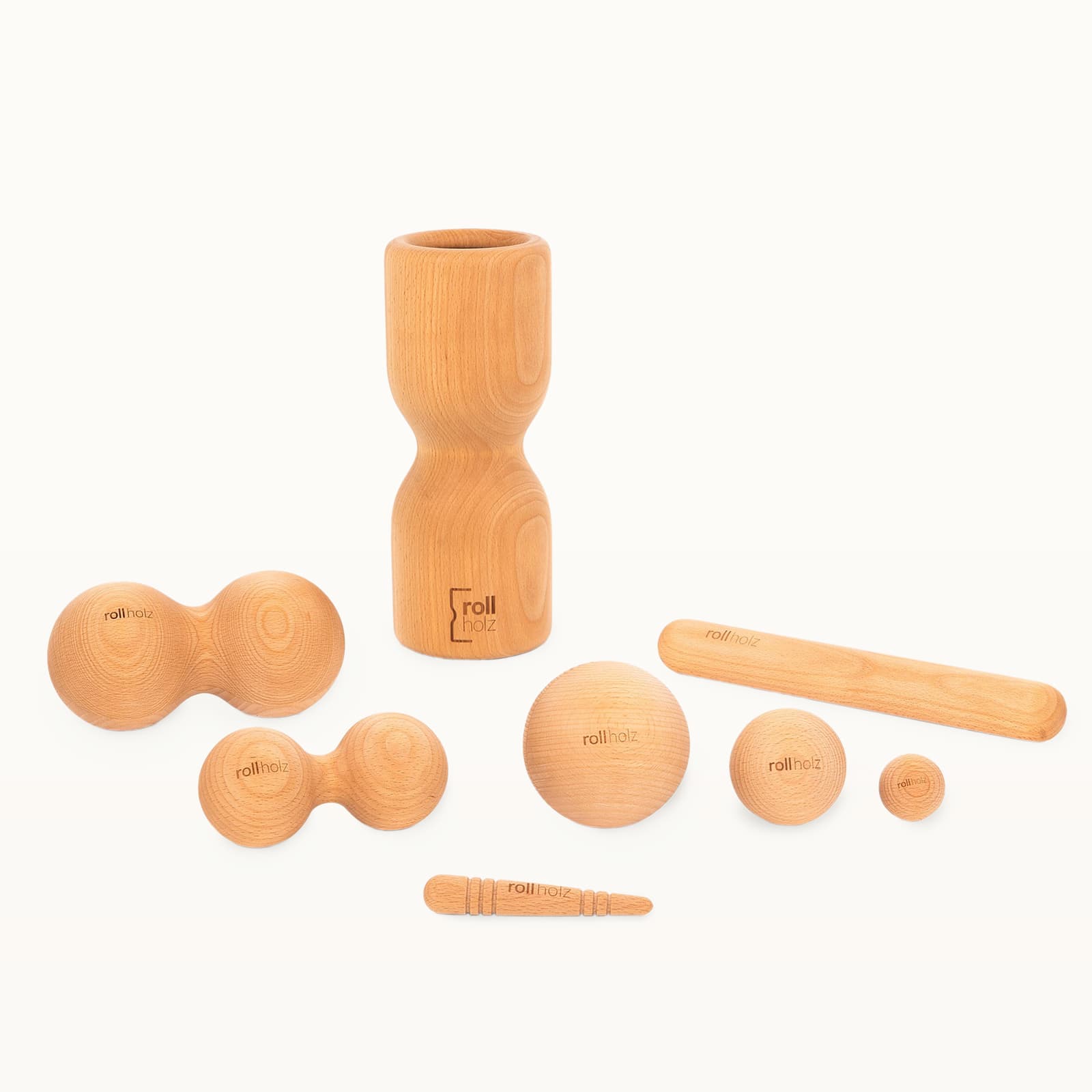
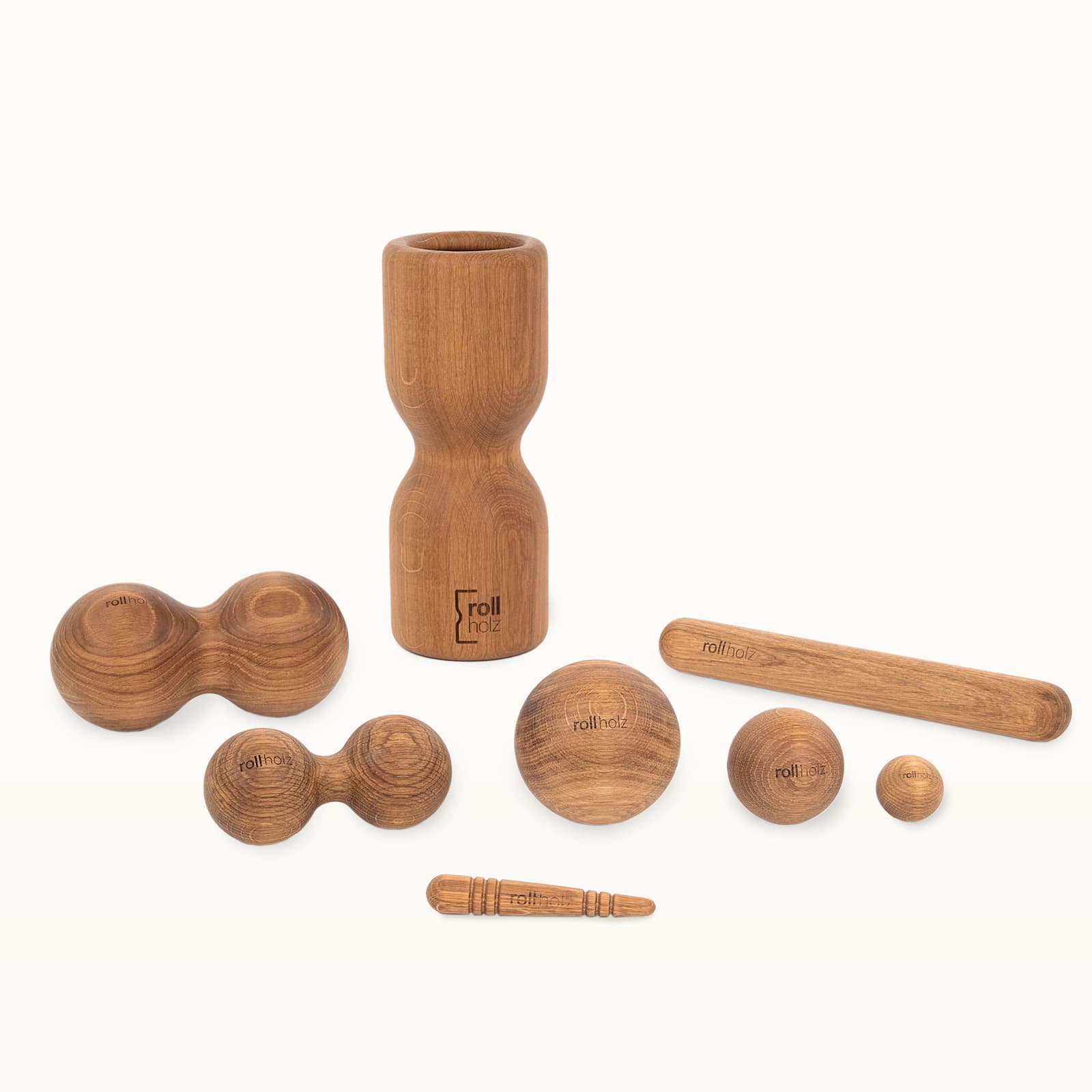
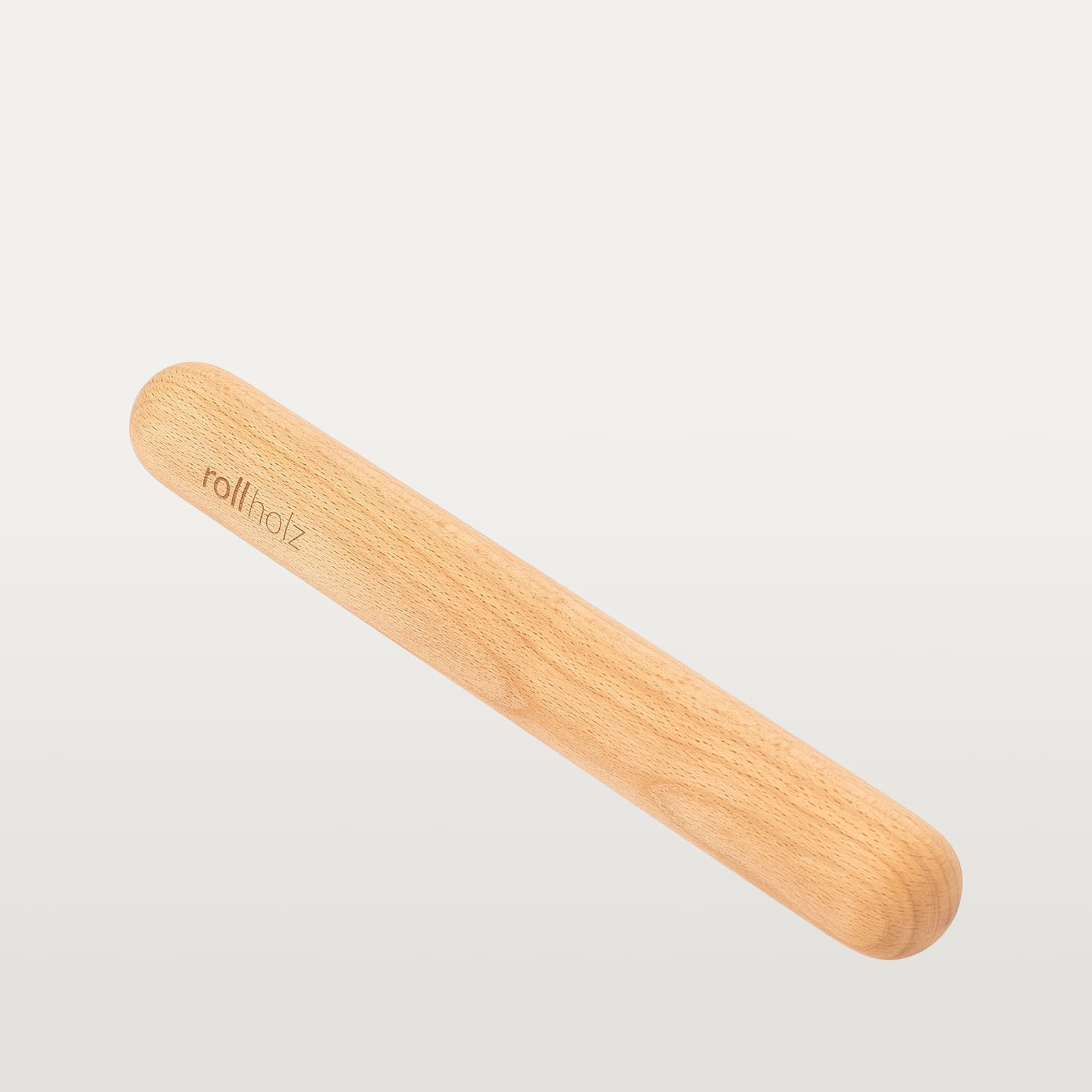
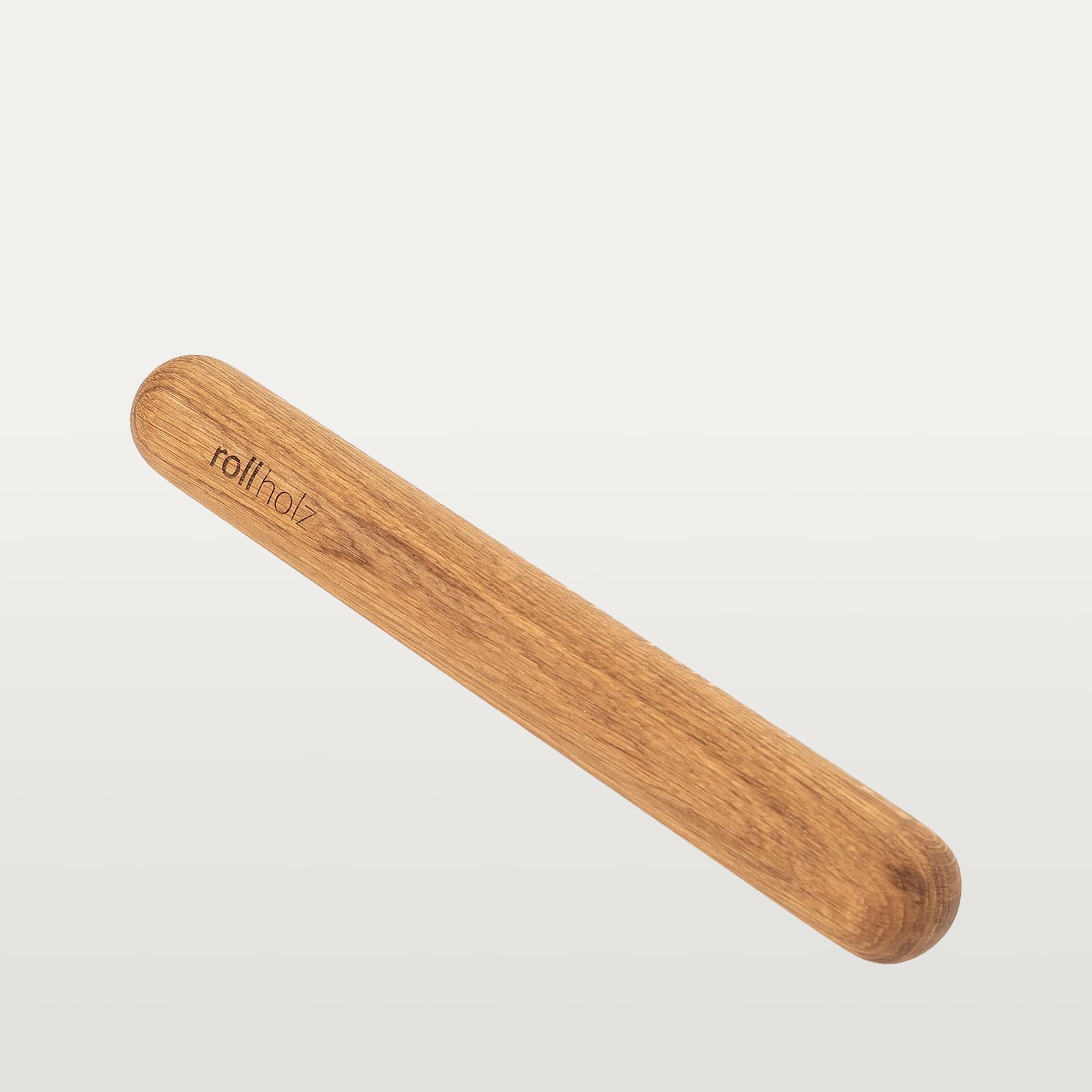
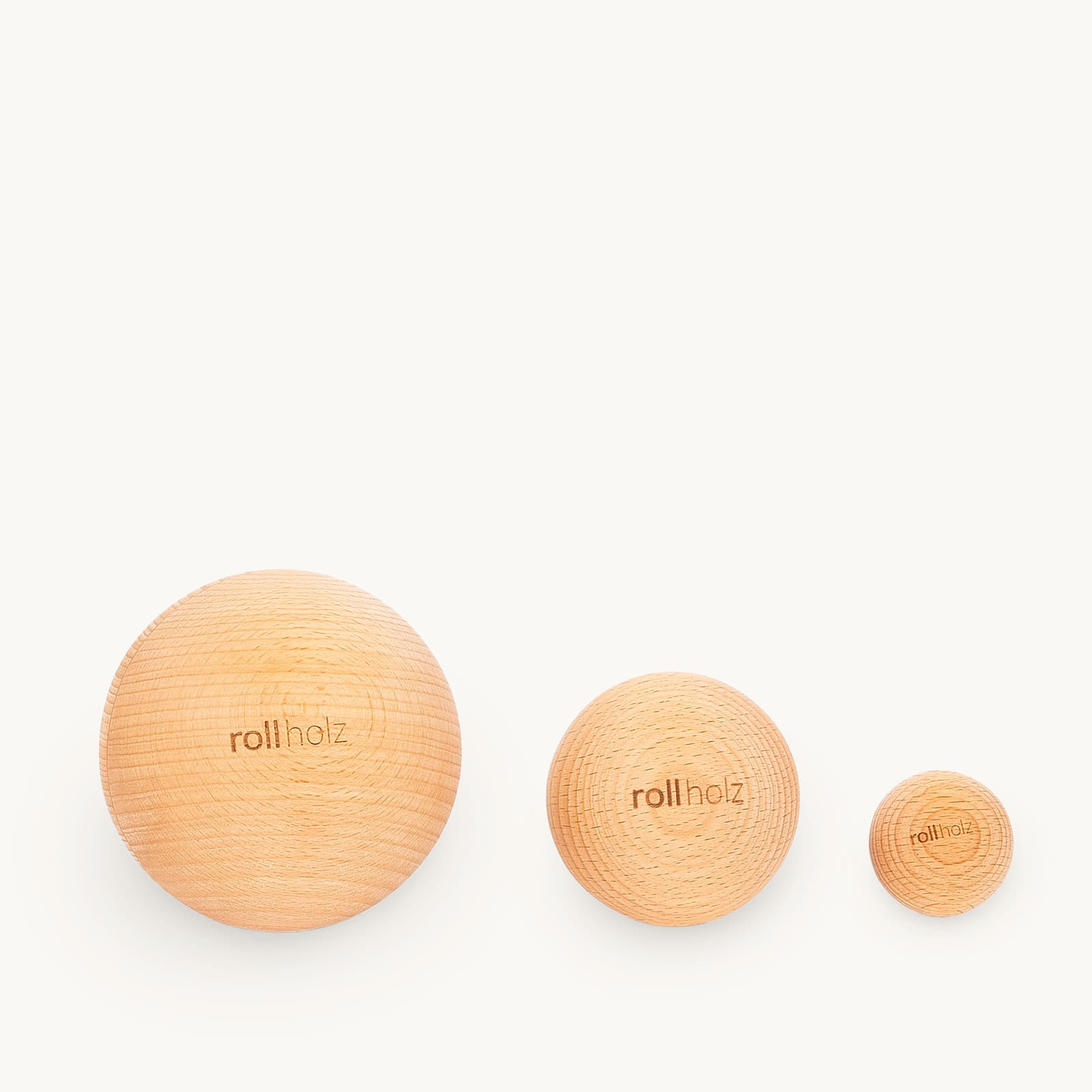
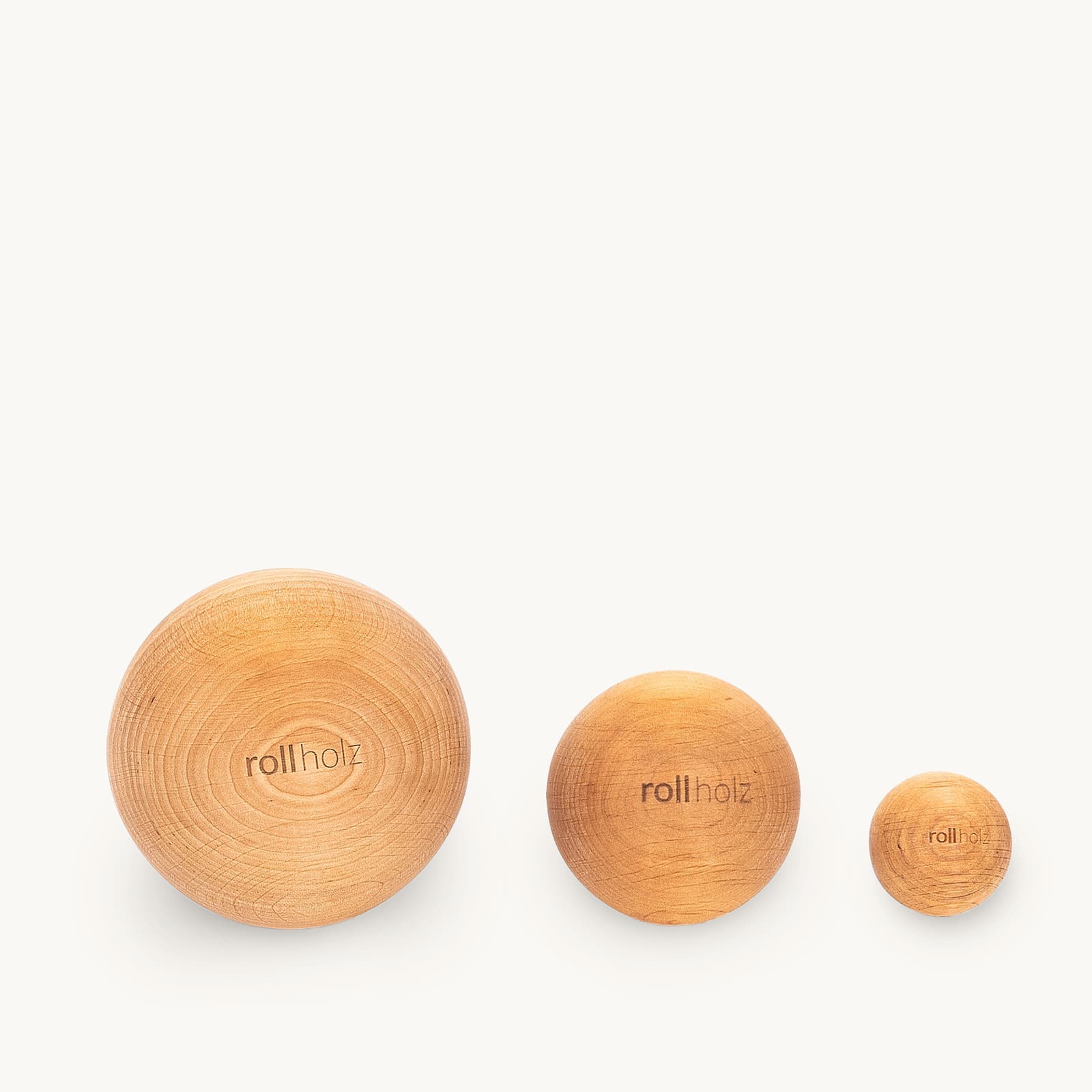
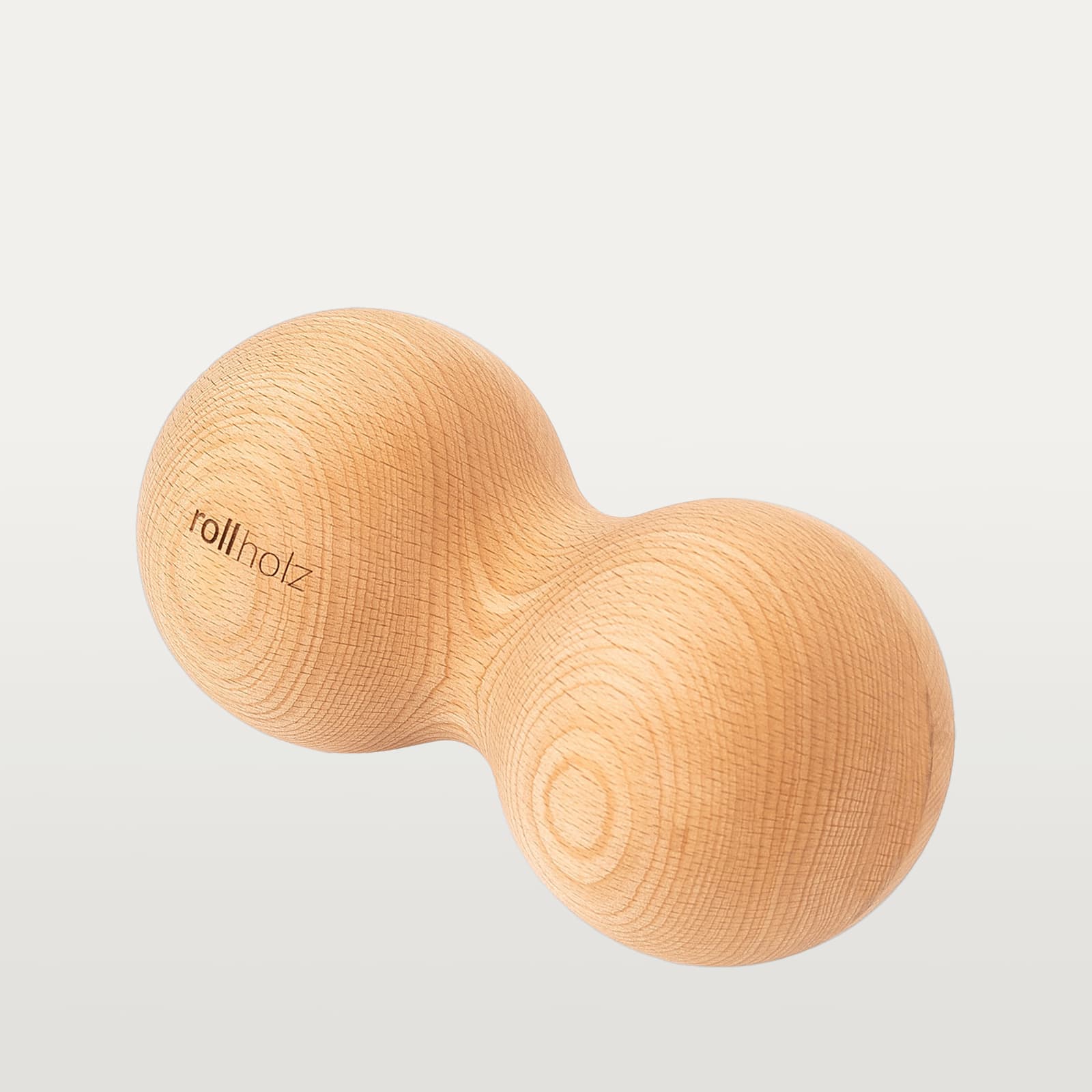
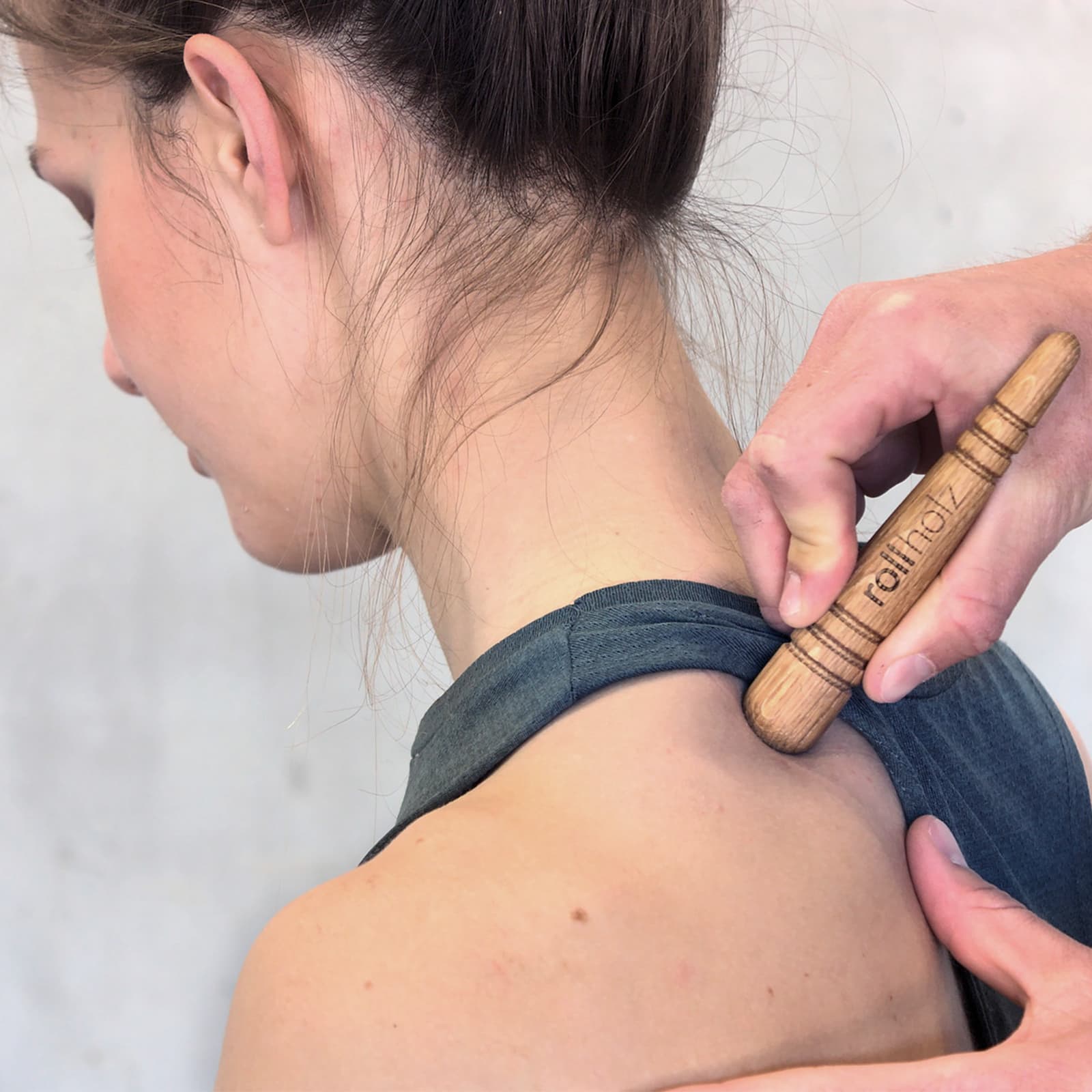
Imagine your connective tissue as a fine-pored, saturated natural sponge. When you glide over the tissue with the rollholz and targeted pressure, you literally squeeze out the used, stagnant fluid along with the metabolic waste products. As soon as the pressure subsides, a suction is created: The tissue, just like the relieved sponge, immediately fills up again with fresh, nutrient- and oxygen-rich fluid. This rapid fluid exchange massively accelerates the regeneration of your muscles.

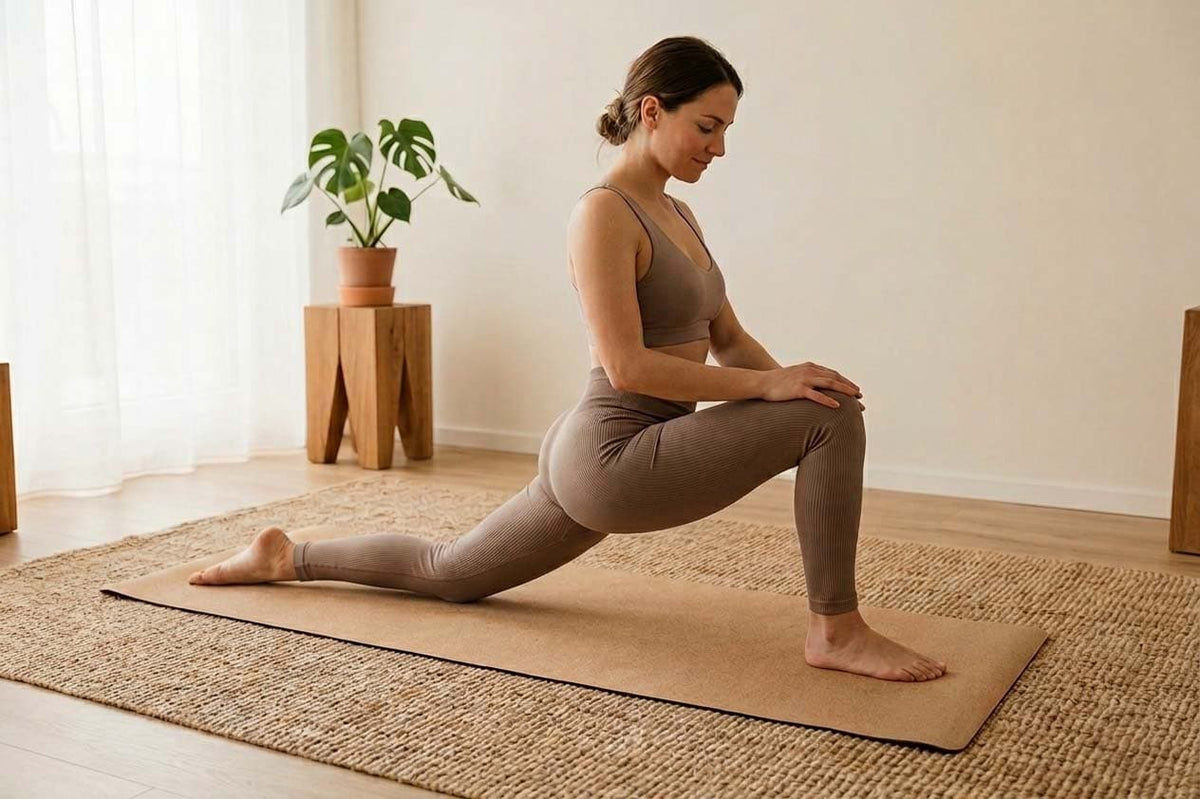
The principle of regeneration: How the rollholz squeezes spent tissue fluid from the fascia.
Your 15-Minute Recovery Quick Fix
You don't need a multi-hour program to feel the benefits. After a long day at the office or training, 15 minutes are often enough:
- Calm Breathing: During exercises, consciously inhale for 4 seconds and exhale for 6 seconds. This enhances the relaxing effect on the nervous system.
- Extremely Slow Pace: The slower you roll, the deeper the stimulus reaches your nervous system and the more effectively the sponge effect is activated.
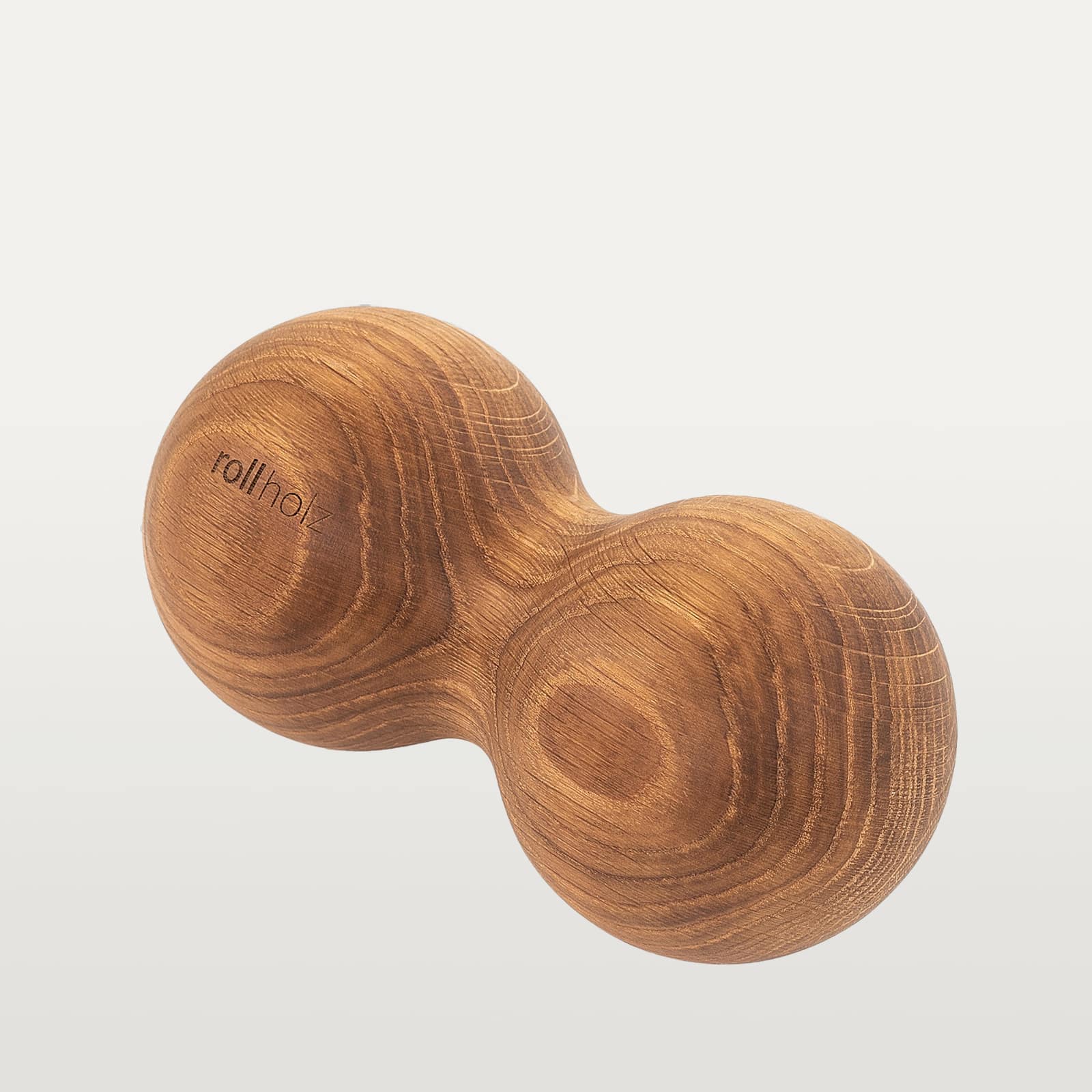
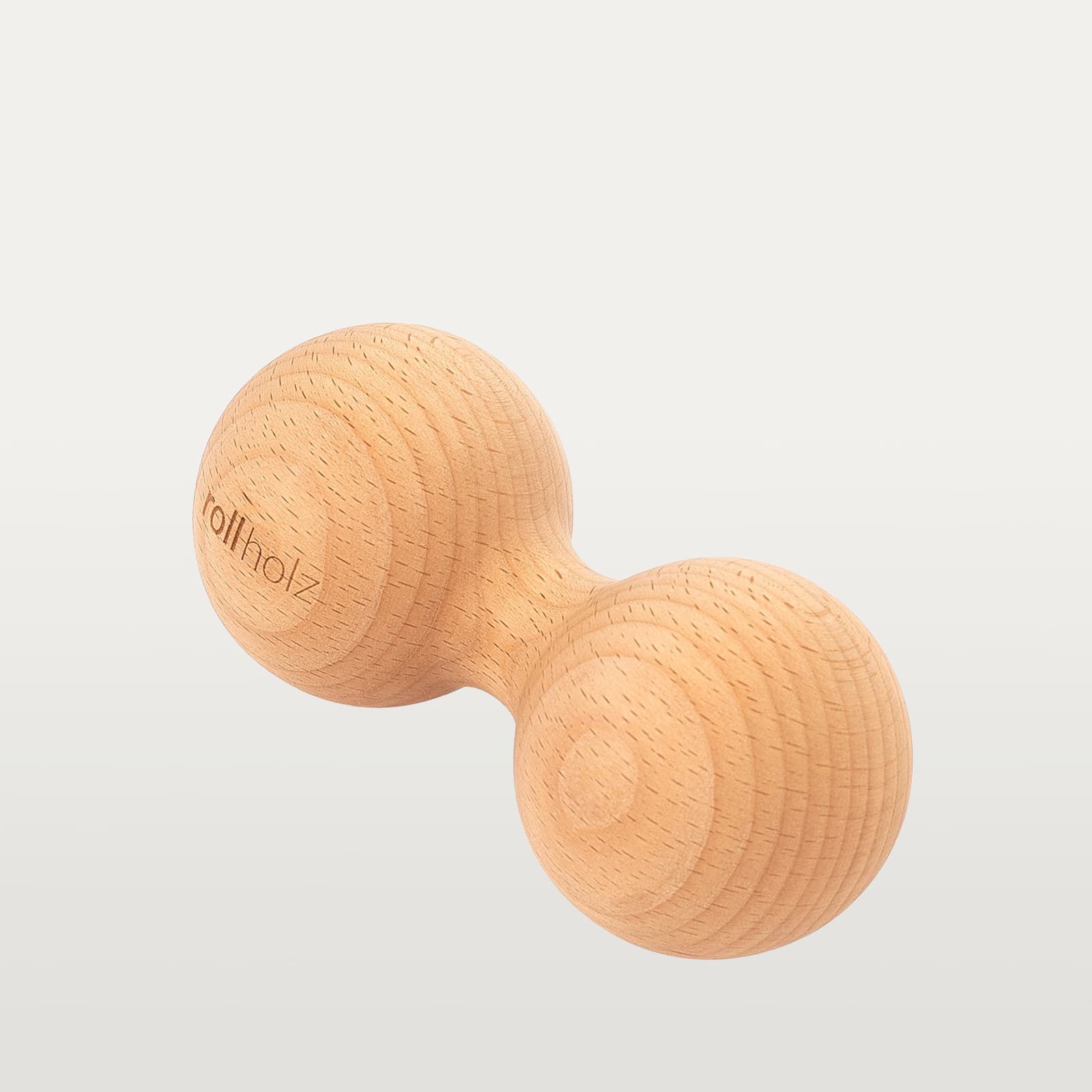
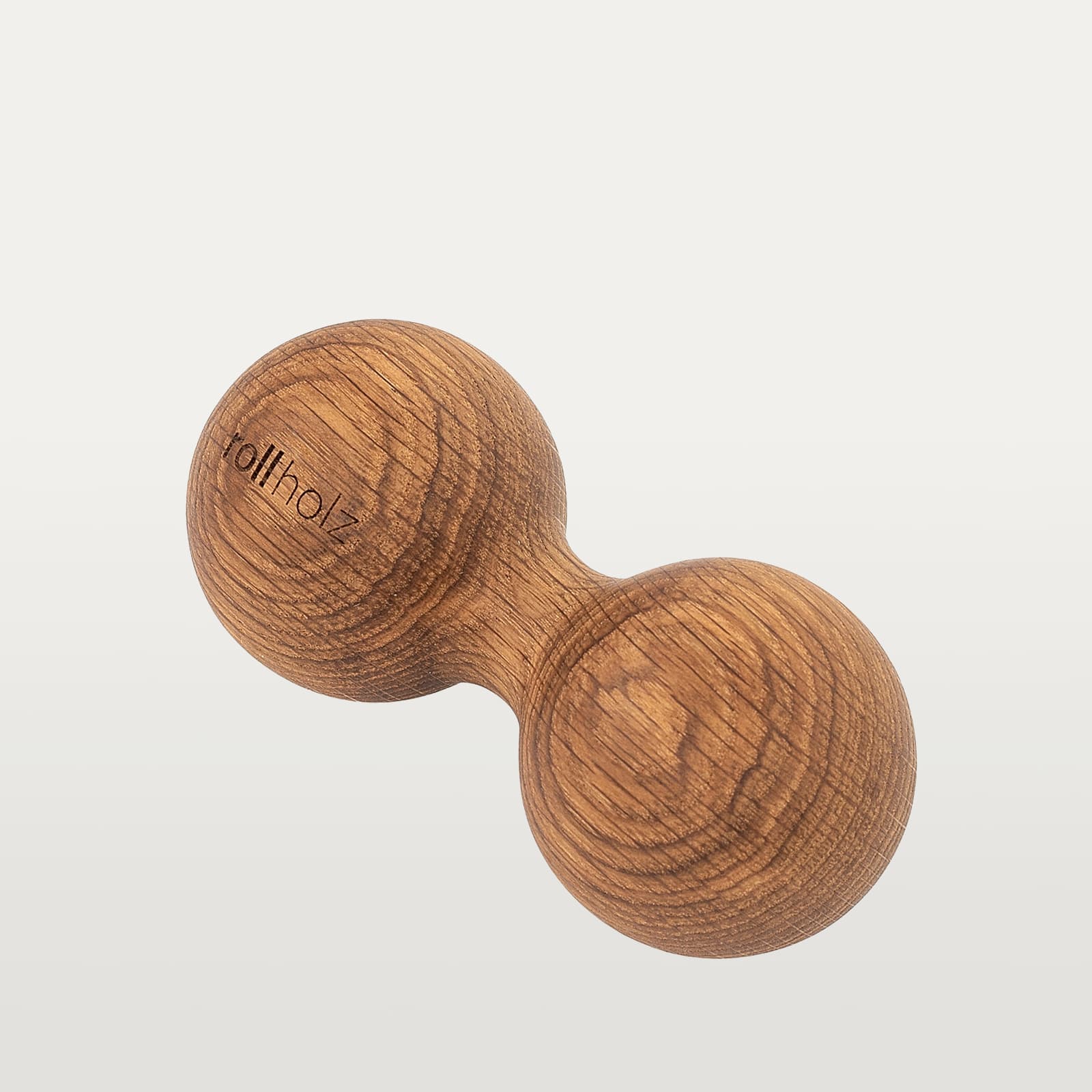
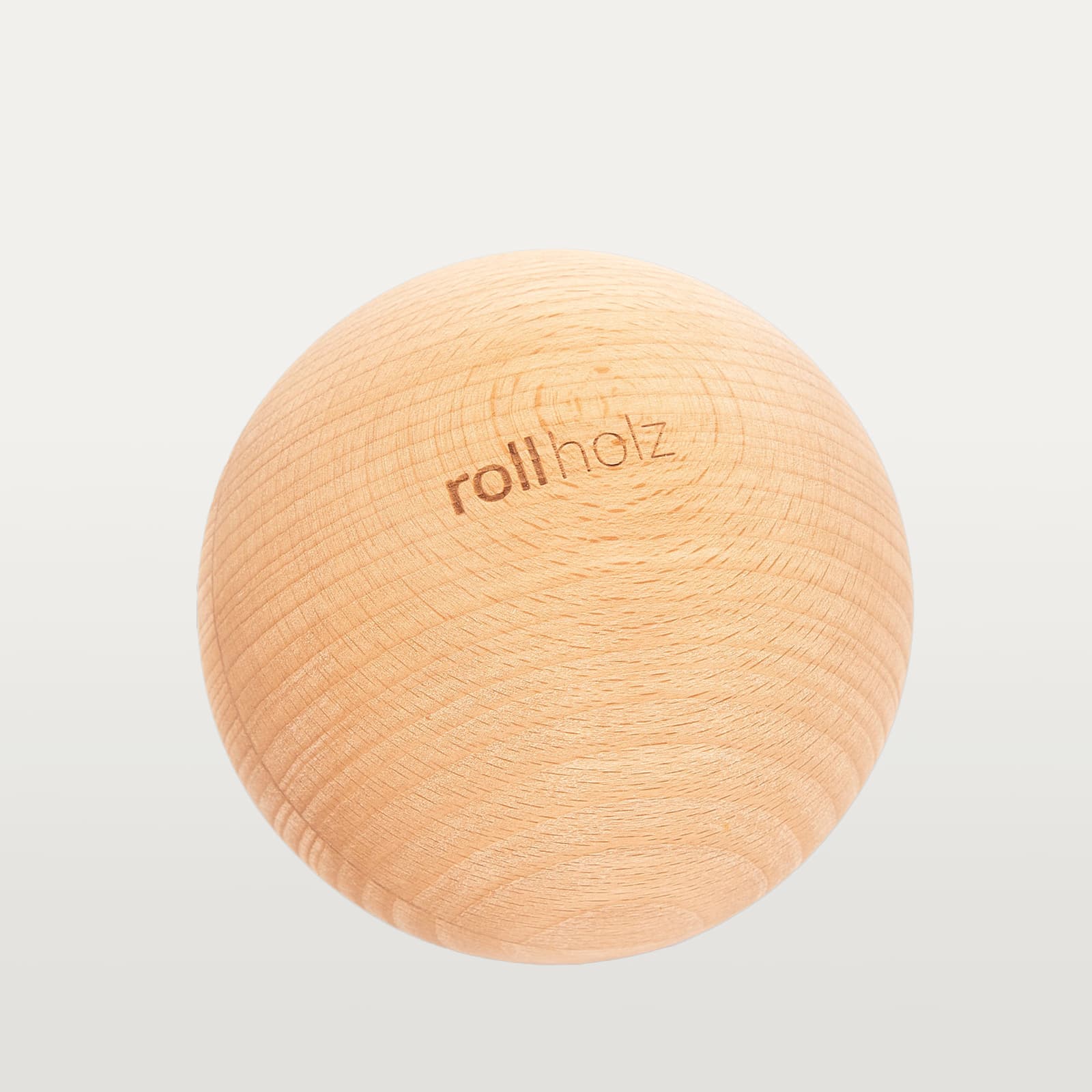
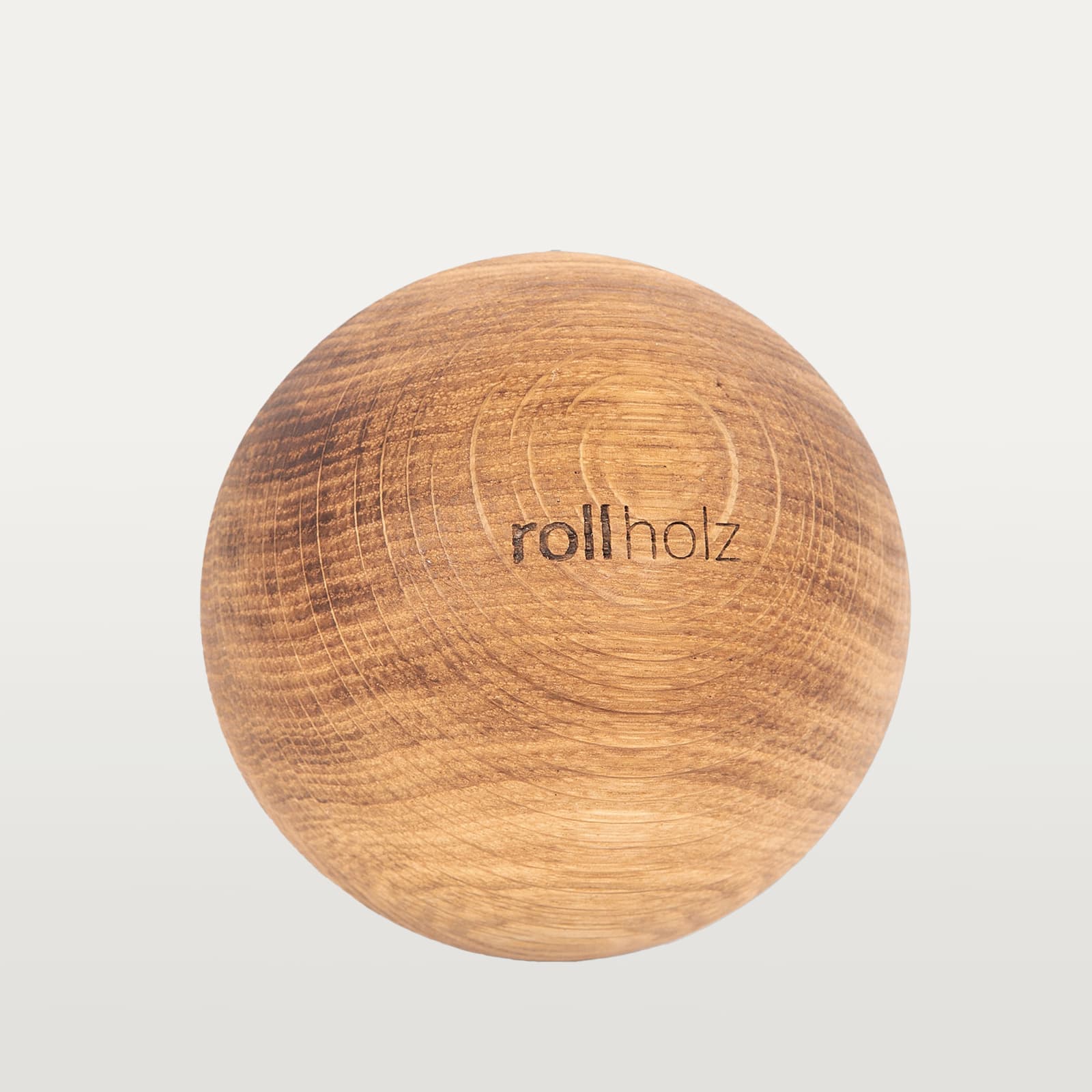
- Focus on Neck & Back: These areas contain many receptors that "shut down" under stress. A quick reset with the fascia ball or the fascia roller works wonders here.
The conclusion of our series:
We have learned how fascia cause pain (Part 1 & 2), how they make us stronger (Part 3), and how they help us to relax (Part 4). Fascia training is not a trend – it is the art of giving your own body the care it needs in a modern world. Pain-free, mobile, and calm – with rollholz, you have the tool for it in your hand.
Missed a part? Go back here:
Part 1: What are fascia? | Part 2: Why fascia cause pain | Part 3: Everyday power through mobility


Leave a comment
All comments are moderated before being published.
This site is protected by hCaptcha and the hCaptcha Privacy Policy and Terms of Service apply.