
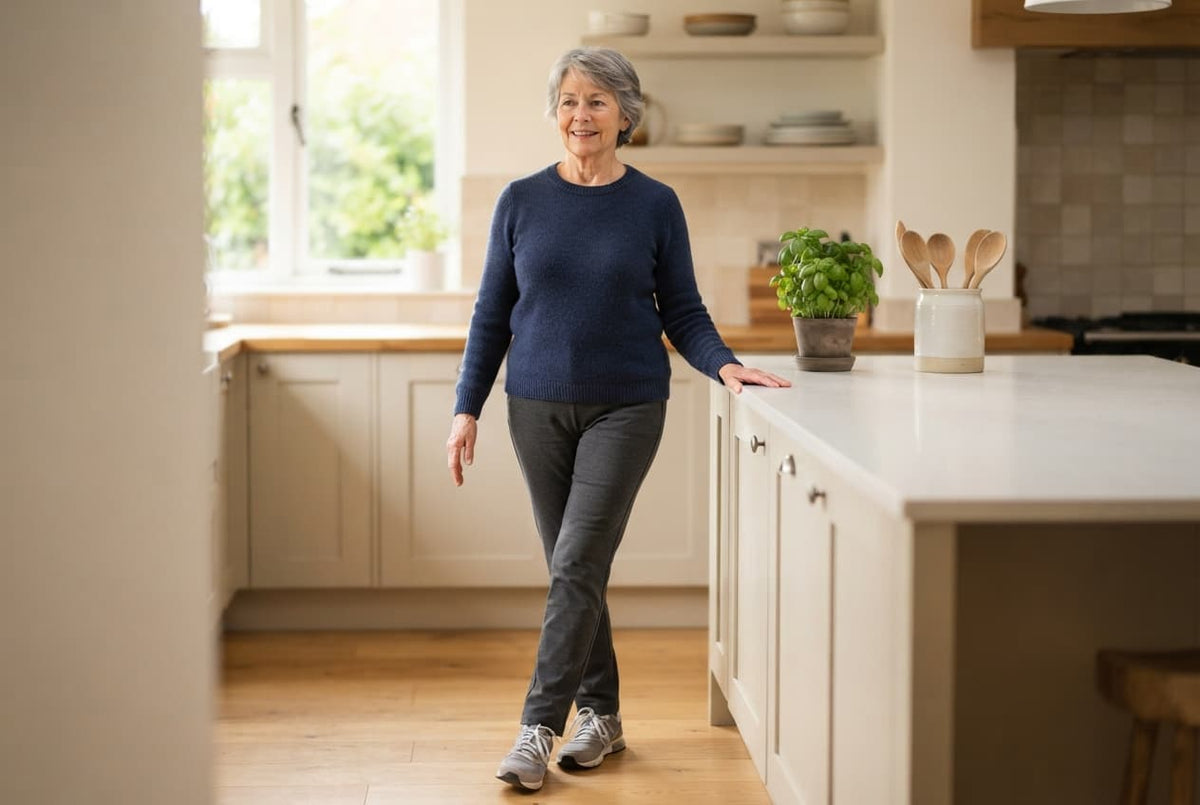
A stumble on the stairs, a slippery floor, grabbing at thin air: over the years strength, reaction ability and balance decline, and falls become more frequent. The good news: both can be trained, even in old age and even at home. Here you will find simple exercises and advice on when a Balance Board can help.
Why balance and strength belong together
When walking and standing, the inner ear, eyes, muscles and joints work together. If leg strength decreases or reactions become slower, balance becomes harder. Fall prevention therefore starts at several points: strength, balance, mobility and a safe environment.
Well-known exercise programmes such as the Otago programme or the Ulm model combine strength and balance exercises and increase them slowly. What matters is that the exercises suit the person, become harder step by step and take place regularly. This article does not replace such a programme or medical advice.
Before you start
- Always practise near something solid: a countertop, table, door frame or a chair with a stable backrest.
- Wear non-slip shoes or socks with grips. The floor should be dry and free of tripping hazards.
- If you feel unsure, try not to practise alone.
- Talk to your doctor first, especially if you have osteoporosis, thrombosis, circulatory problems, high blood pressure, soft-tissue rheumatism, an increased risk of bleeding or acute pain.
Seated exercises
Standing up and sitting down
Sit on the front half of a stable chair, feet hip-width apart on the floor. Stand up without momentum, then sit down slowly. Five repetitions. This strengthens the legs, which do most of the work when standing up.
Lifting heels and toes
While seated, alternately lift your heels and your toes. This activates the calves and shin muscles that guide the ankle.
Standing exercises
Tandem stance at the table
Hold on to the countertop, place one foot directly in front of the other and hold for 10 to 20 seconds. Once it works safely, hold on with just one fingertip.
Single-leg stance
Here too always with support. Shift your weight onto one leg and lift the other slightly, 10 to 20 seconds, then switch.
Weight shifting
Slowly shift your weight from one leg to the other, with slightly bent knees. Make it harder by doing the movement forwards and backwards.
Walking on a line
Place heel to toe, as on a tightrope. For safety, hold on to a wall or a railing.
And the Balance Board?
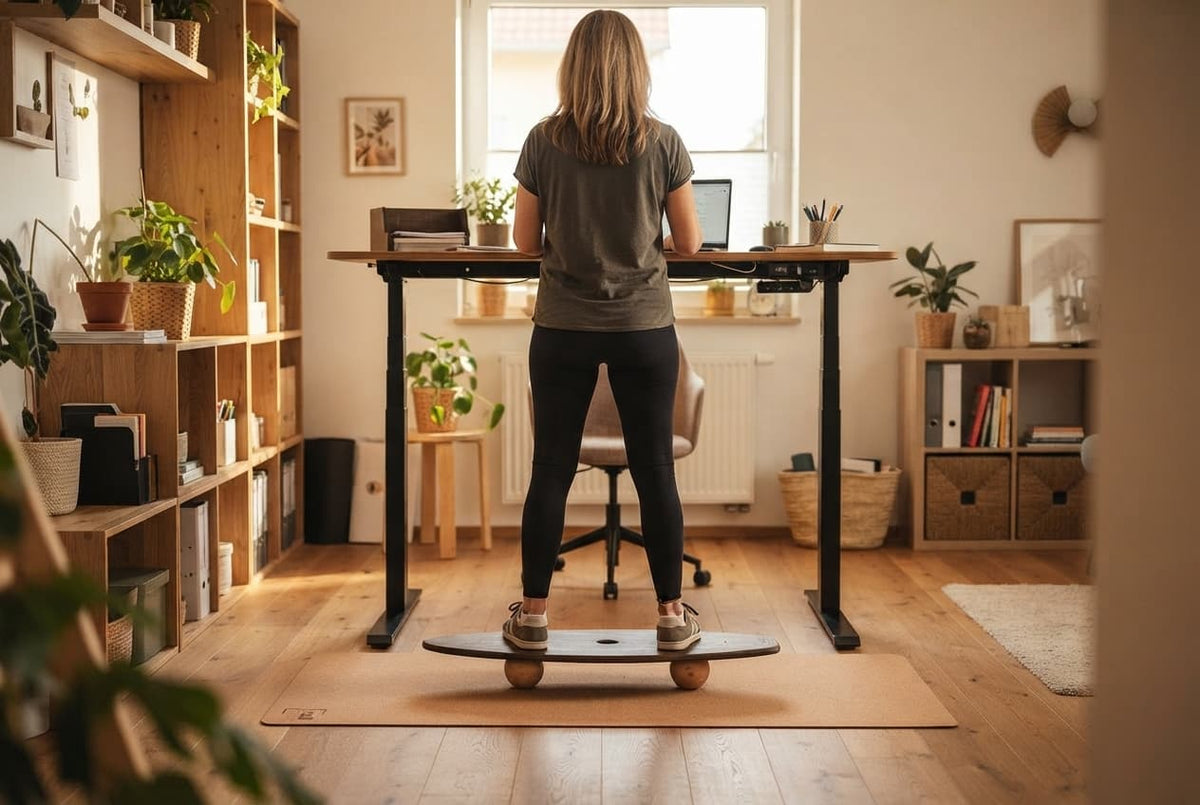
A Balance Board challenges balance more than firm ground. For older people it is only suitable with caution, because the tilting movement requires confidence and reaction ability. If you would like to try it:
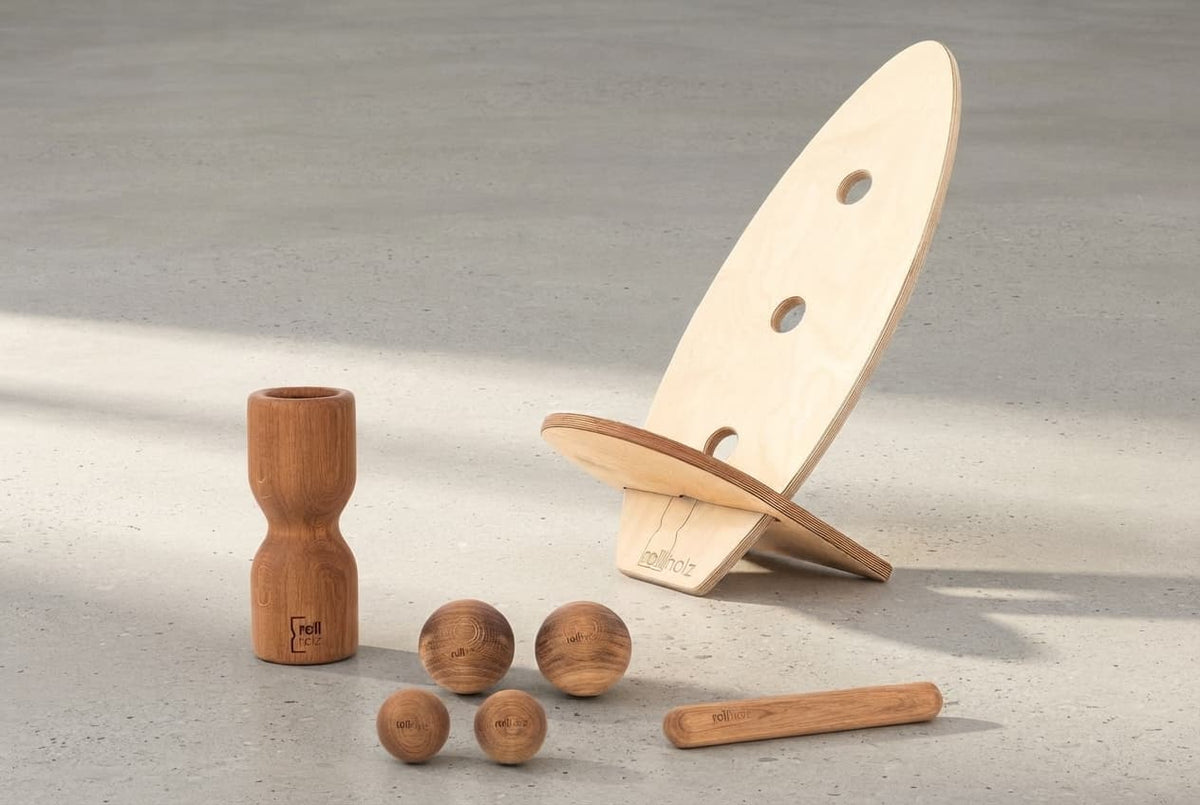
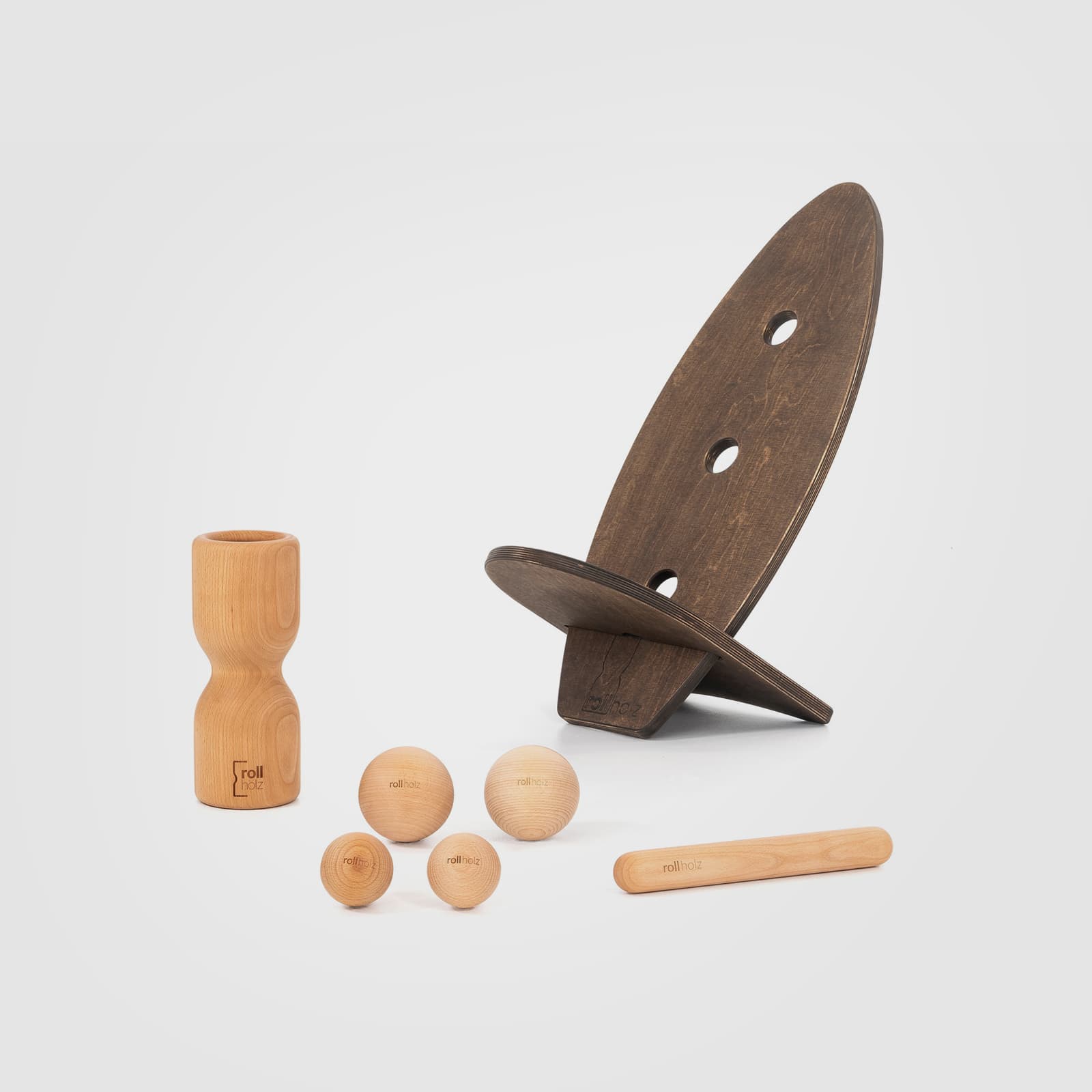
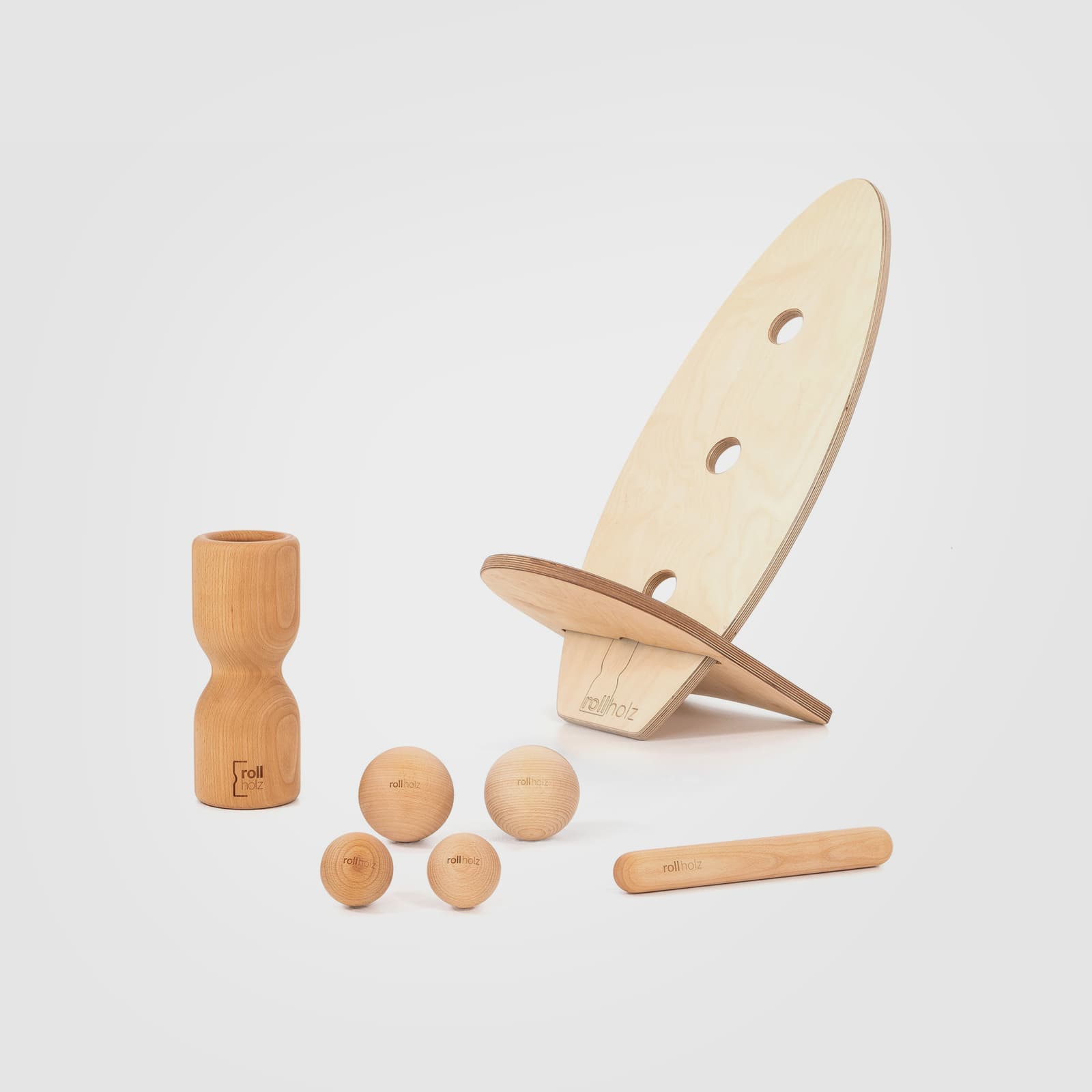
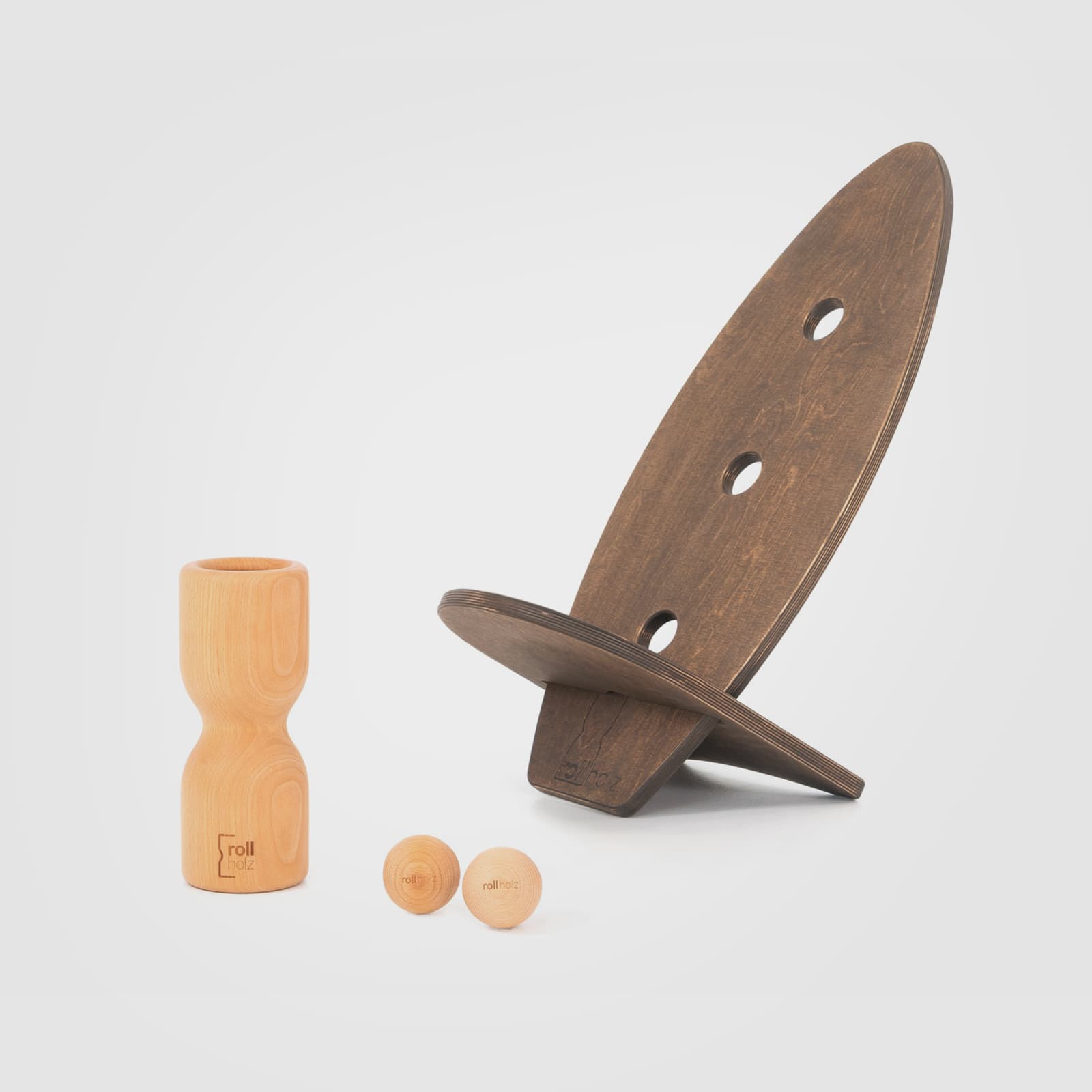
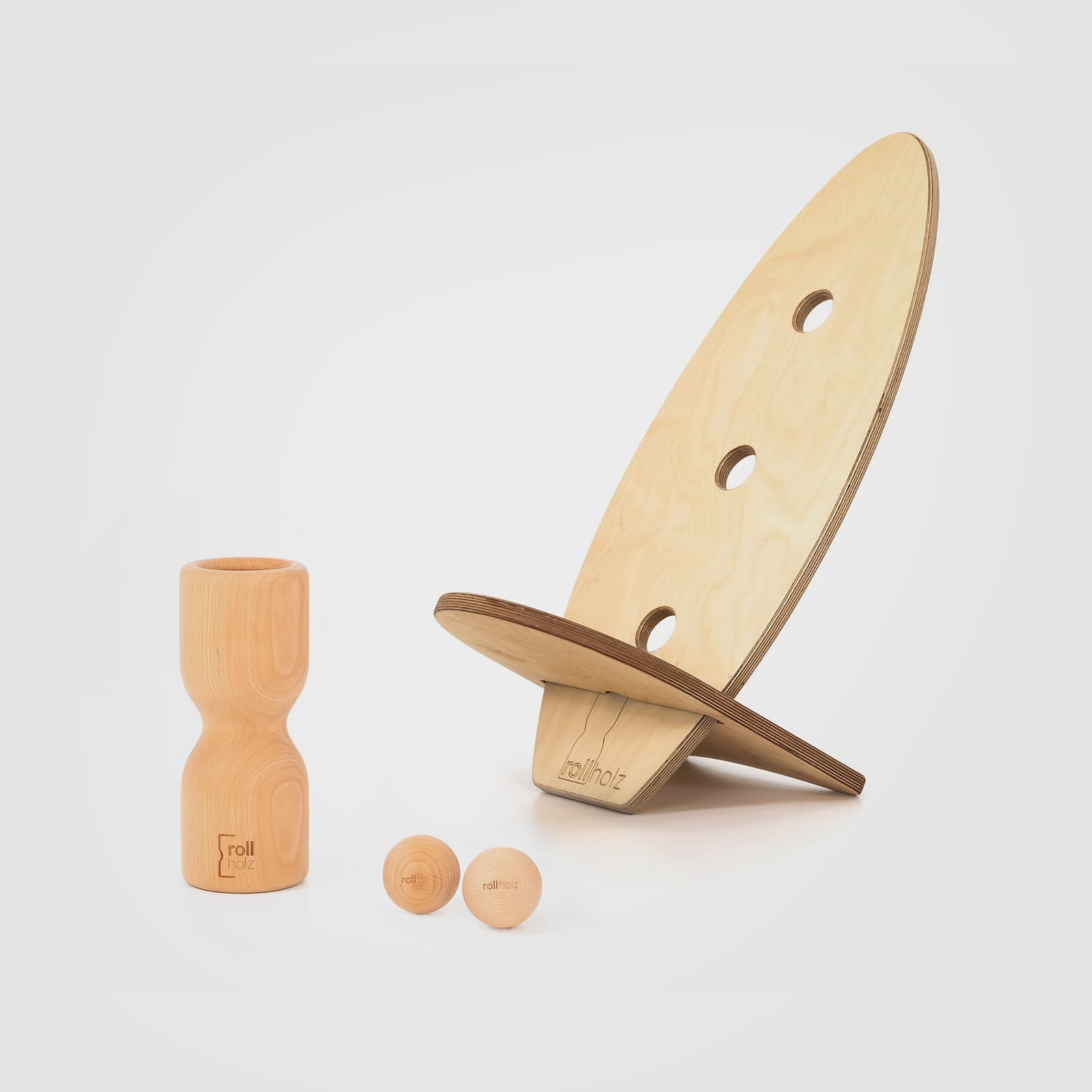
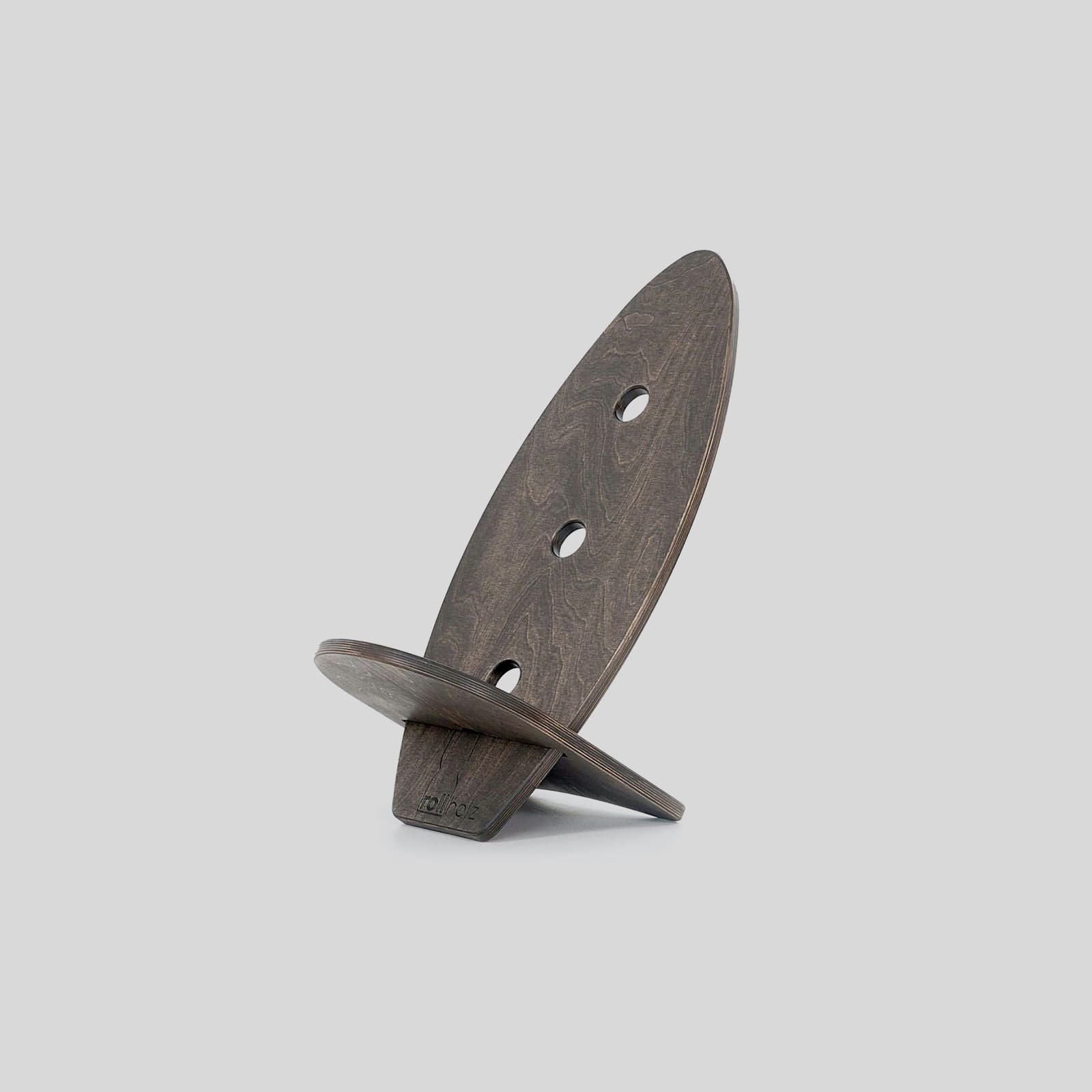
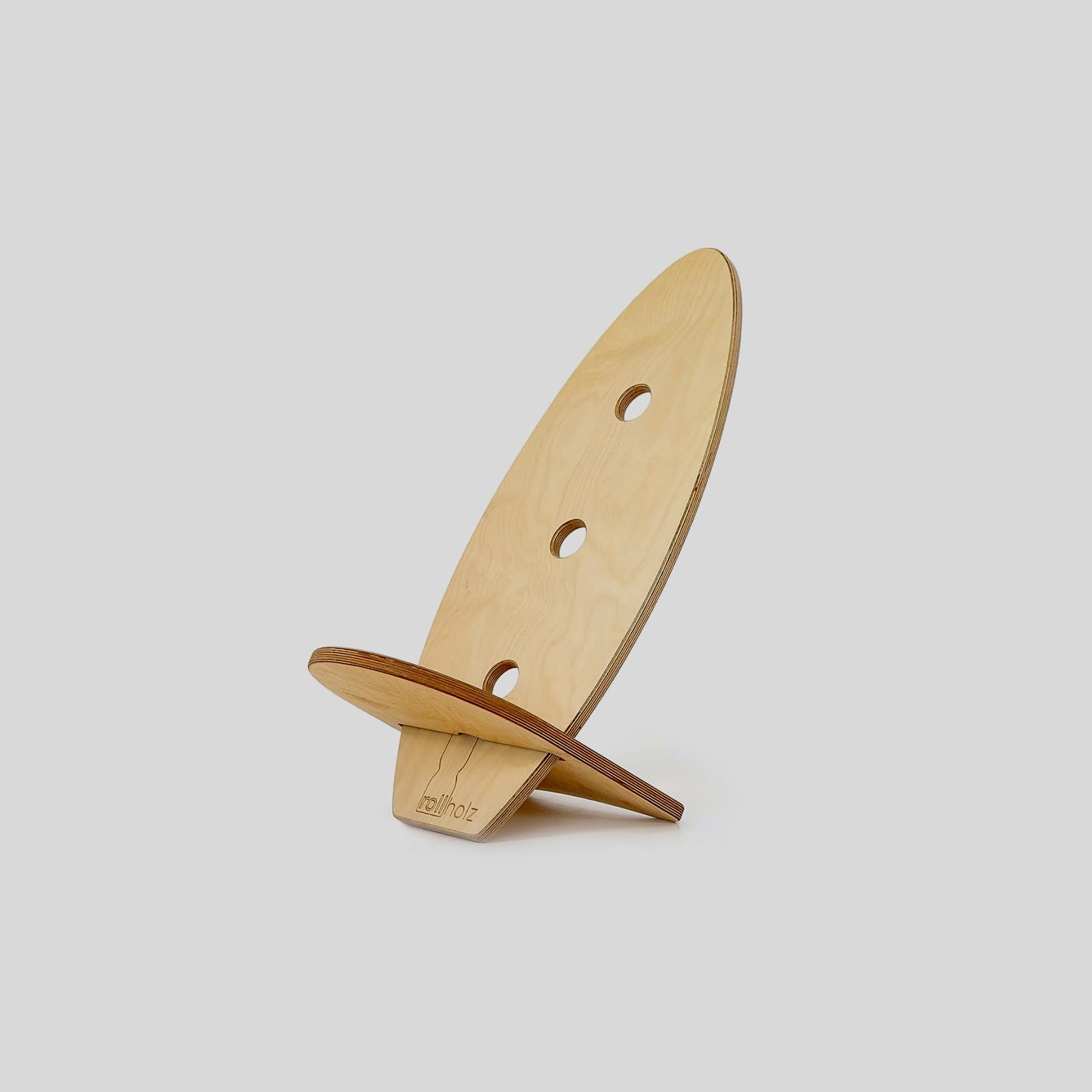
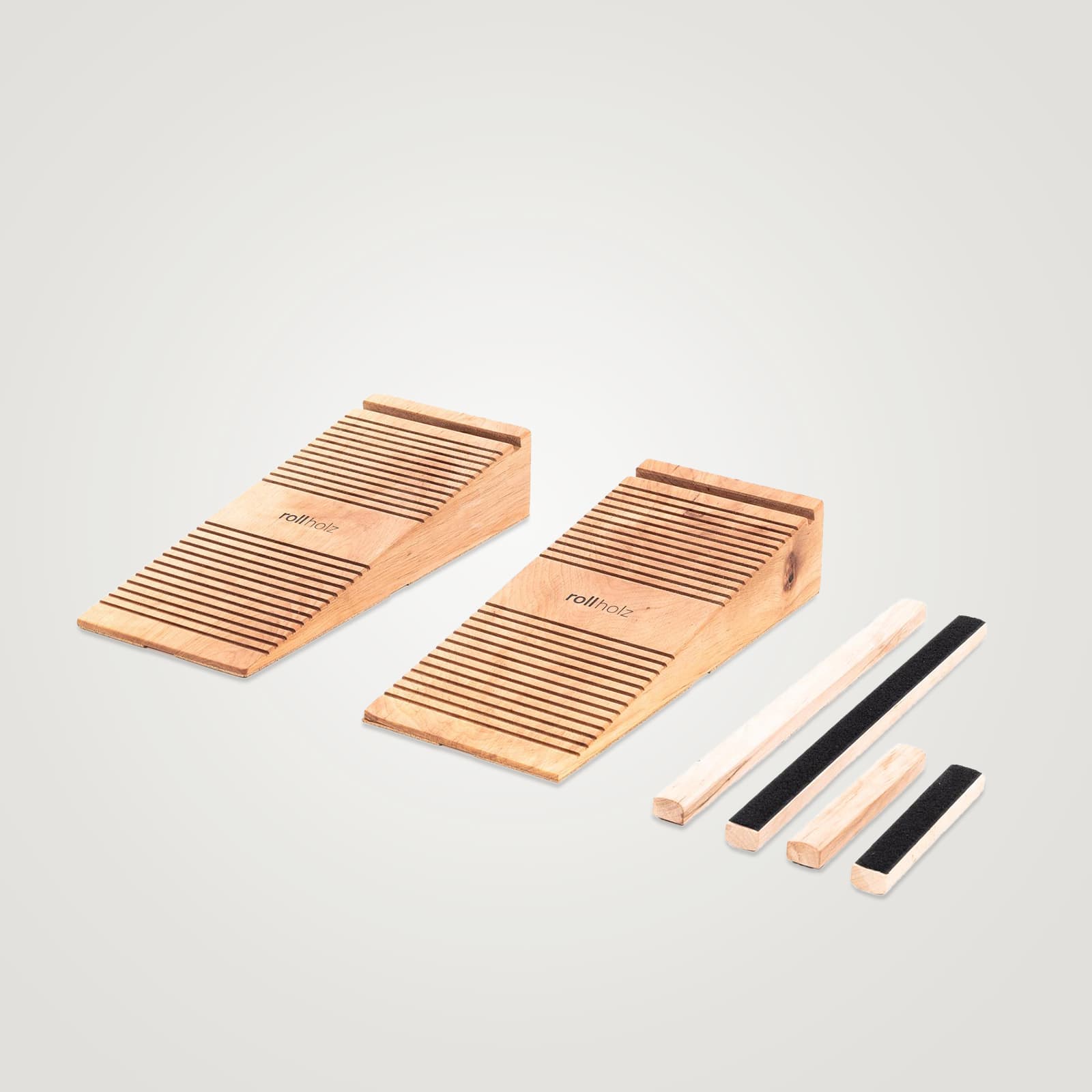
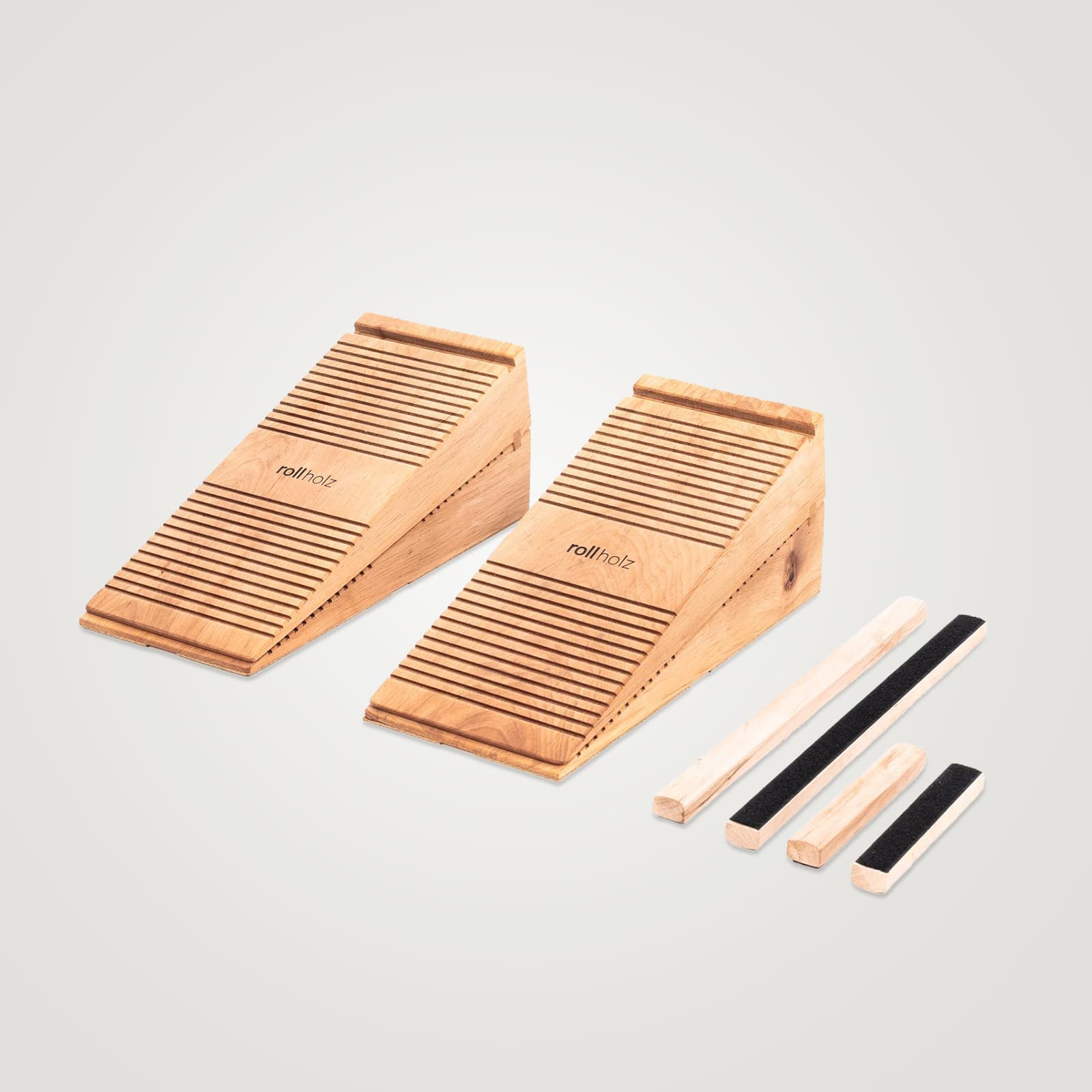
- Use the simplest variant: the small board with the mini roller, which sits firmly in the slot. The board only rocks back and forth and stays close to the floor. The mini roller is included in the Balance Board Set Large and is also available separately.
- Practise right next to a handrail or a solid wall, with a second person nearby.
- Place the board on a non-slip mat, such as a cork mat.
- Avoid the levels with a ball or free roller until you feel confident.
You can find the exercises in detail, step by step with safety notes, in Balance Board Exercises: 15 Exercises from Easy to Hard. You can find all variants in our range of Balance Boards. The board is sports equipment and not a medical device.
How to build the exercises into everyday life
- Stand on one leg alternately while brushing your teeth, with one hand on the sink.
- Do a tandem stance while waiting at the checkout.
- Stand up from a chair five times once a day.
You can find more balance exercises without equipment in Training Balance: 10 Exercises for Home.
Frequently asked questions
How often should I do fall prevention exercises?
Ideally regularly, several times a week, in short sessions. Discuss the frequency with your doctor or a physiotherapist.
Can I reliably prevent falls with exercises?
No, nobody can promise that. Balance, strength and a safe home environment can, however, reduce the risk of falling.
What else can I do?
Pay attention to good footwear and enough light, remove tripping hazards such as loose rugs, and have your eyesight and medication checked regularly.


Leave a comment
This site is protected by hCaptcha and the hCaptcha Privacy Policy and Terms of Service apply.