

33 muscles control the movements of the hand and fingers – and most of them are not even located in the hand itself, but in the forearm. From there, long tendons extend all the way to the fingertips. This explains why complaints that manifest in the wrist or fingers often have their actual origin further up.
In this article, we'll show you how these tensions arise and what stretching and massage exercises you can use to counteract them.
Why your forearm and hand get tense so easily
Repetitive, one-sided movements are the most common trigger: typing on a keyboard, prolonged mouse work, but also sports requiring a lot of grip strength such as climbing, tennis, or golf repeatedly strain the same muscle groups in the forearm. It's also interesting that tension chains from the shoulder and chest can extend into the forearm – another reason to view the musculature as a whole, instead of only treating the spot where it hurts. Typical symptoms of tense forearm muscles are a pulling sensation in the forearm, noticeable muscle hardening, or the feeling that the forearm is cramping.
Persistent tension in this area is often associated with specific diagnoses – such as tennis elbow (irritation of the tendon attachments on the outer elbow), golfer's elbow (also called golf arm; the corresponding irritation on the inside), or carpal tunnel syndrome (a constriction for the median nerve (Nervus medianus) in the wrist). These diagnoses should always be medically clarified. The exercises shown below can provide supportive relief to the muscles, but they do not replace a diagnosis or medical treatment.
Stretch your forearm: stretching exercises for the forearm

Stretching the wrist extensors
Extend one arm straight forward, palm facing down. With your other hand, reach over the back of the hand and gently pull your fingers down towards your body until you feel a stretch on the top of your forearm. Hold for 20-30 seconds. This stretch is often recommended for complaints associated with tennis elbow.

Stretching the wrist flexors
Extend your arm straight forward again, this time with your palm facing up. Gently pull your fingers down with your other hand until the inside of your forearm stretches. Hold for 20-30 seconds. This variation is often recommended for complaints associated with golfer's elbow.
Massage your forearm: massage of forearm and hand

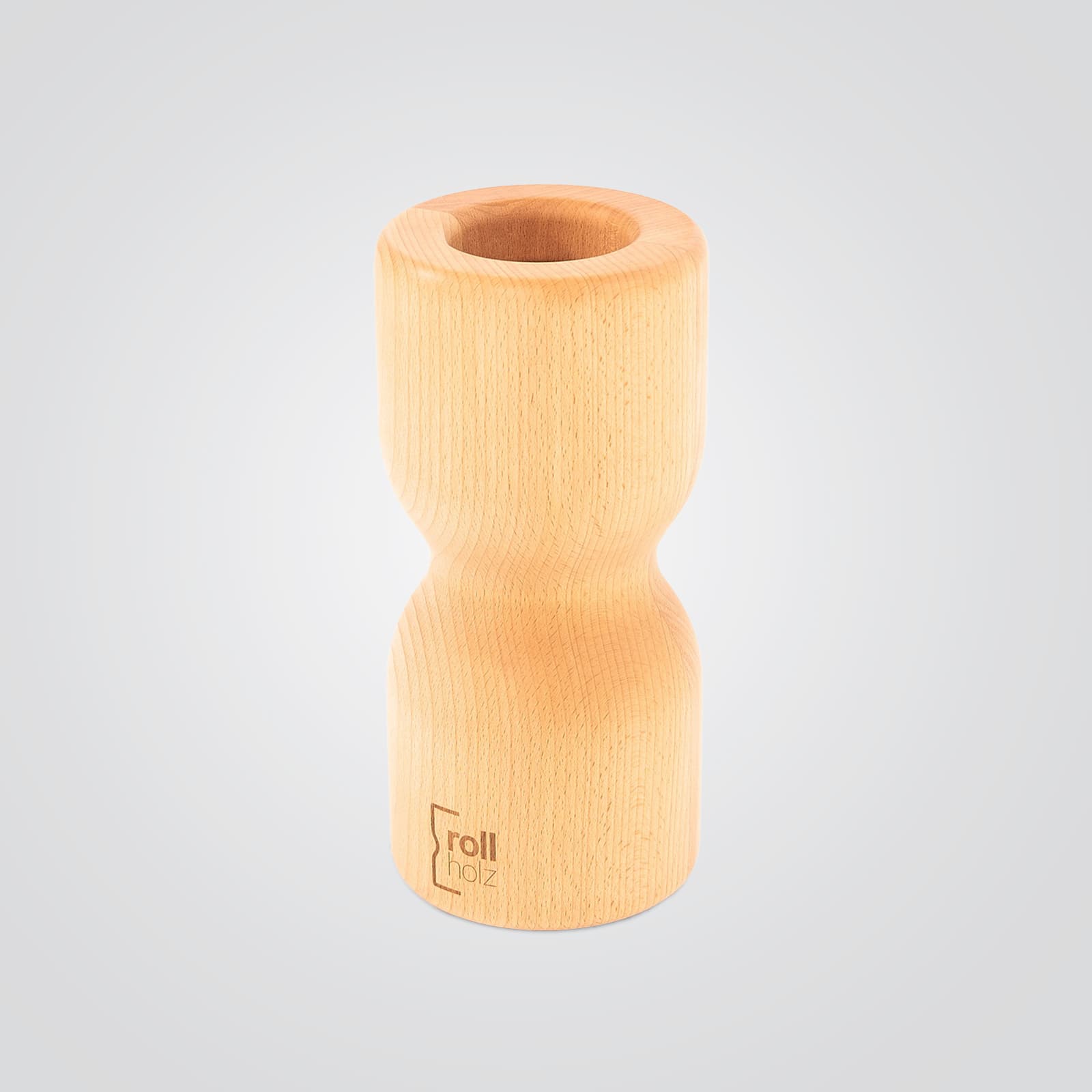
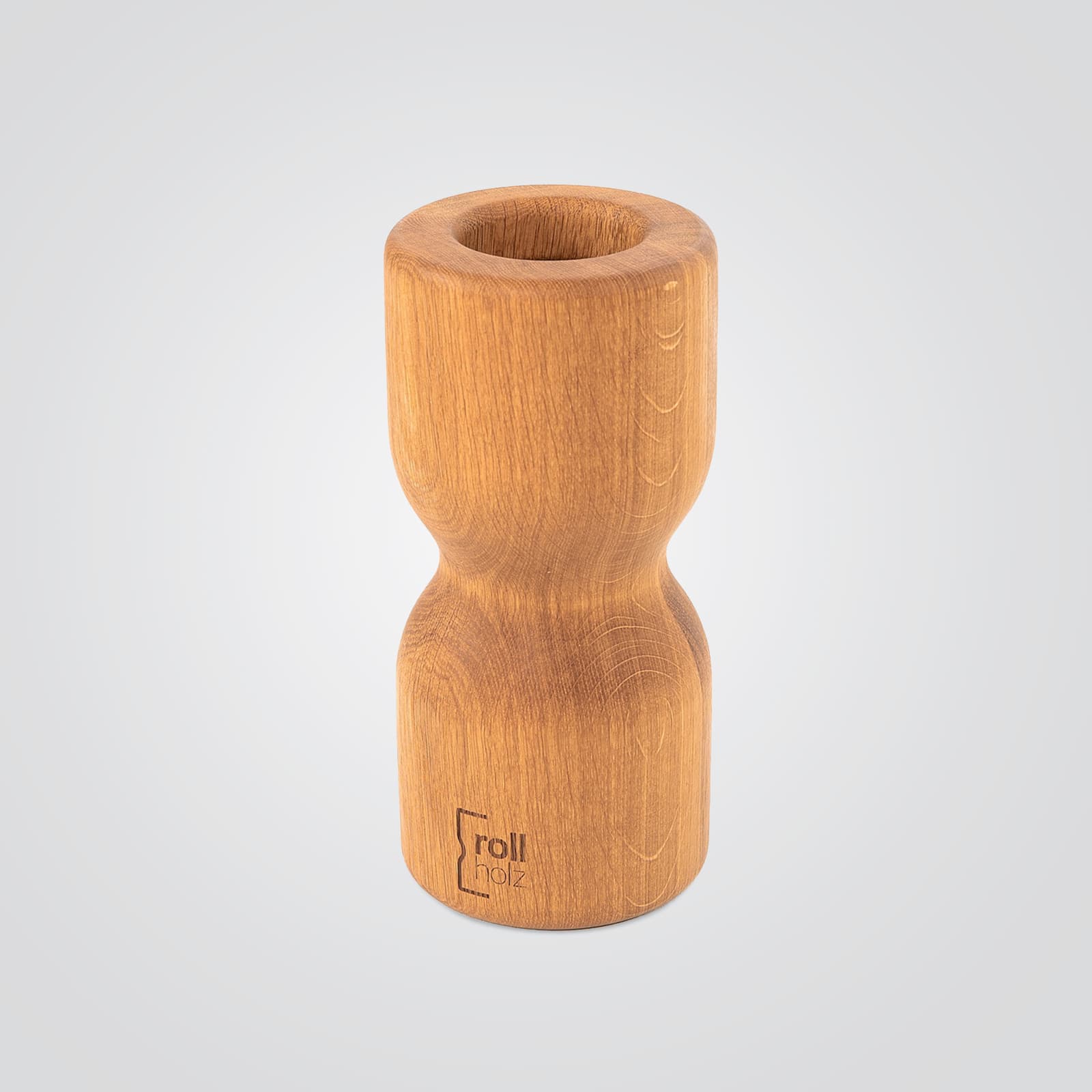
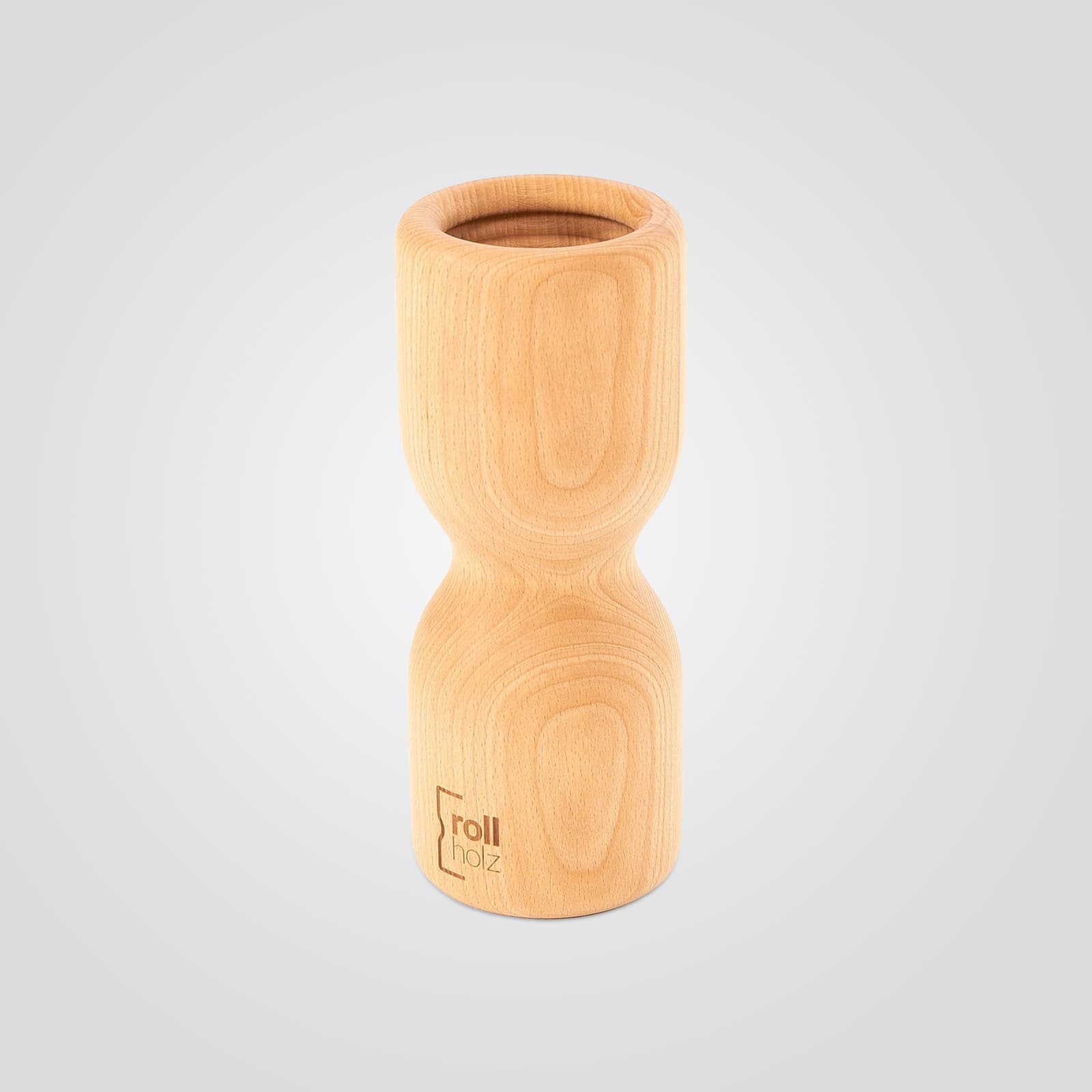
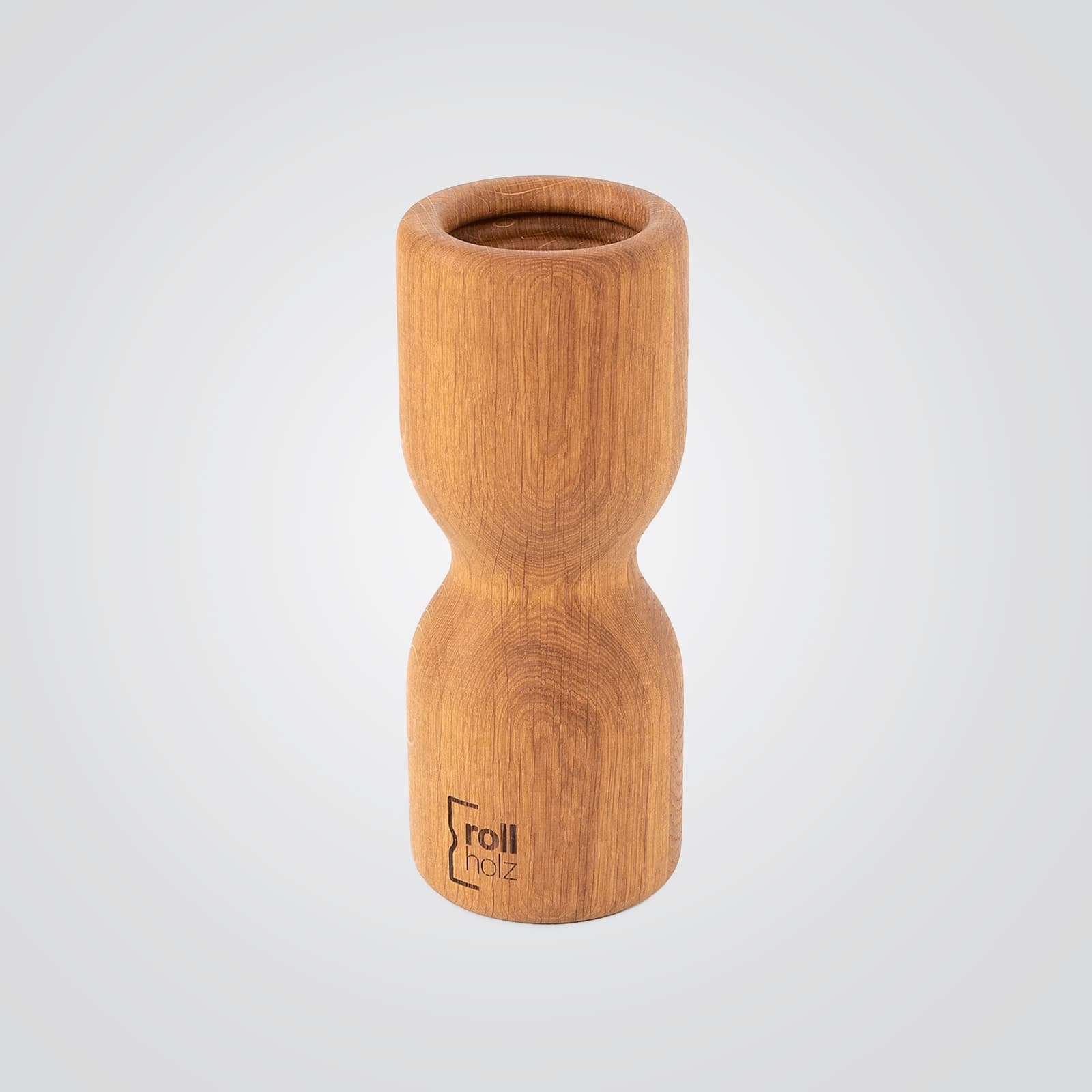
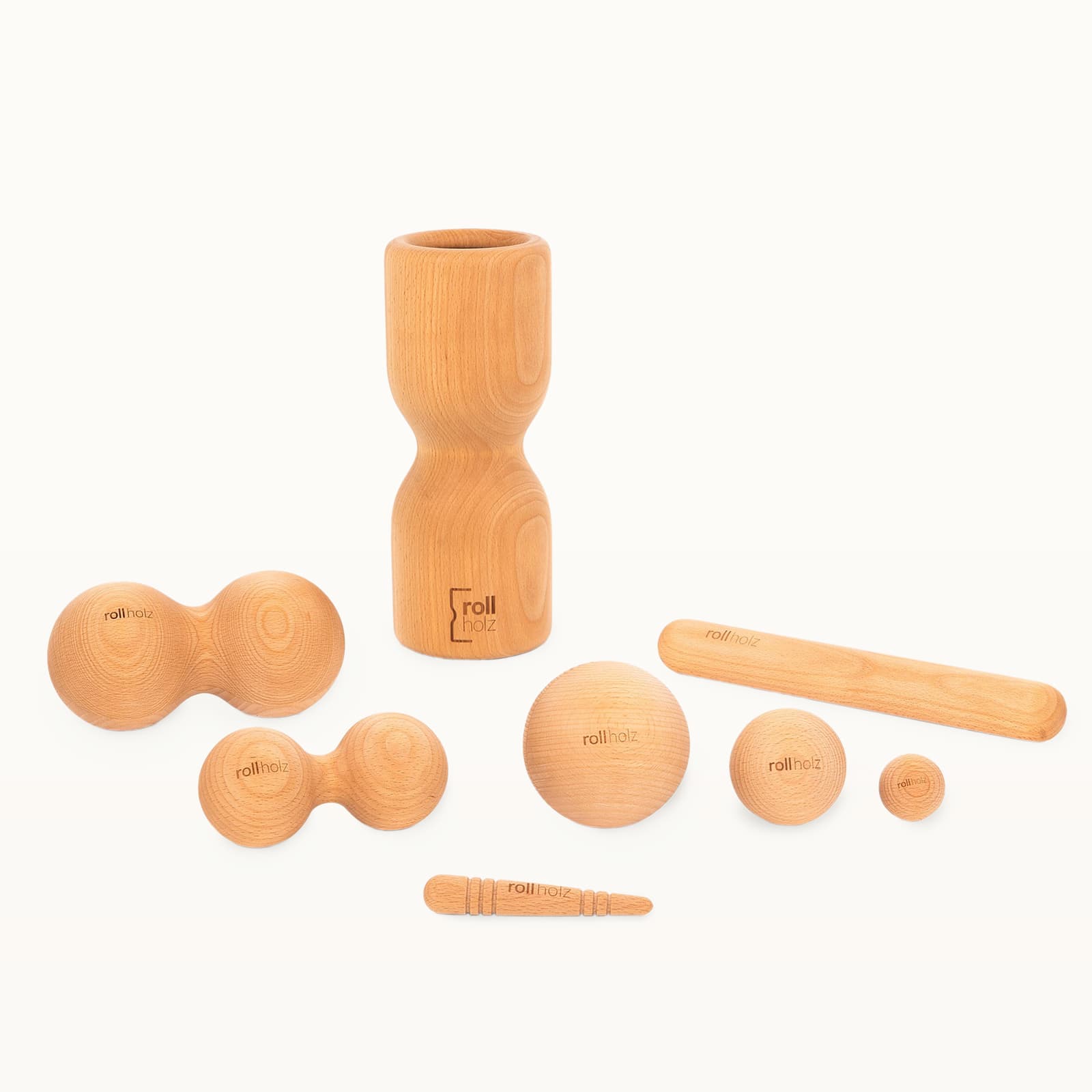
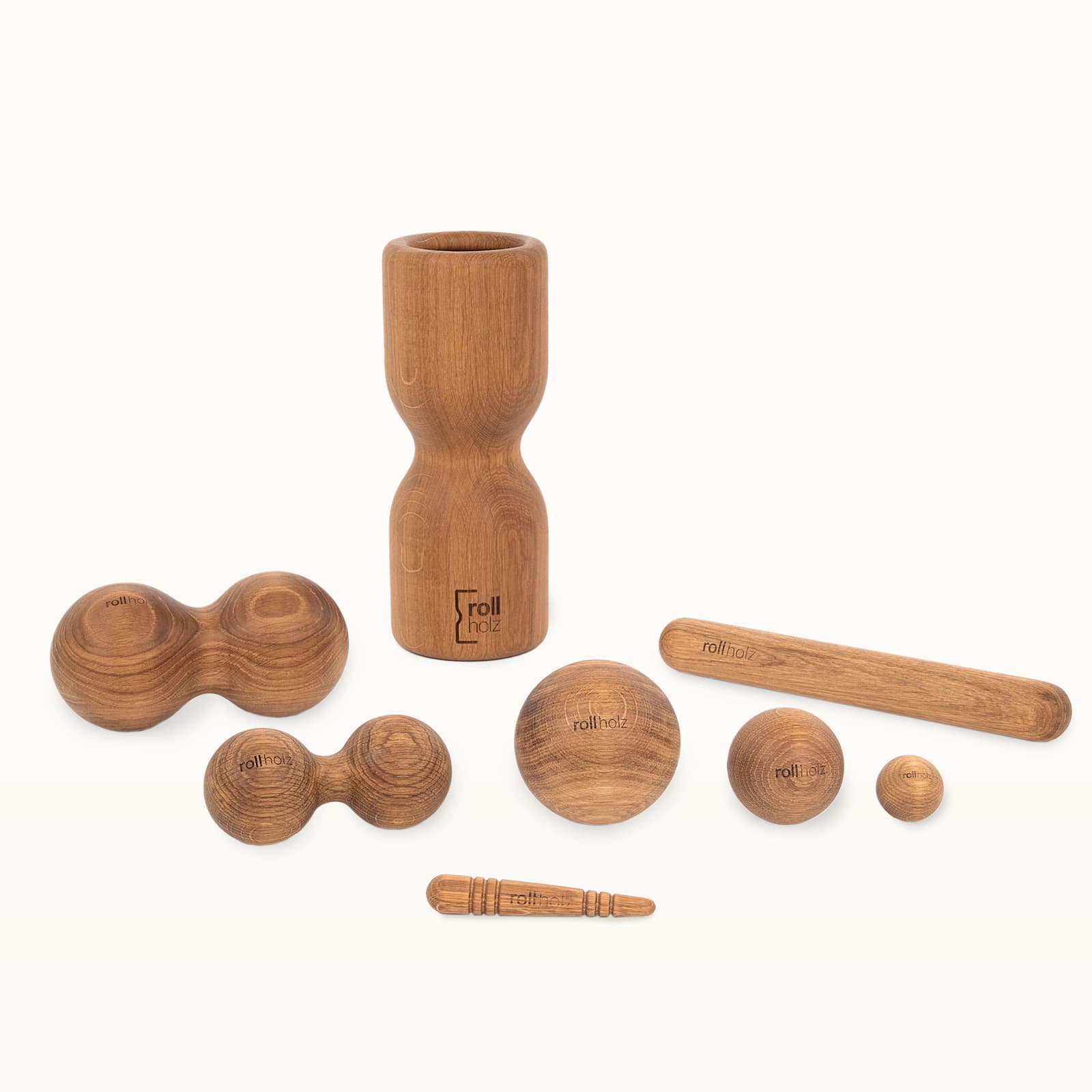
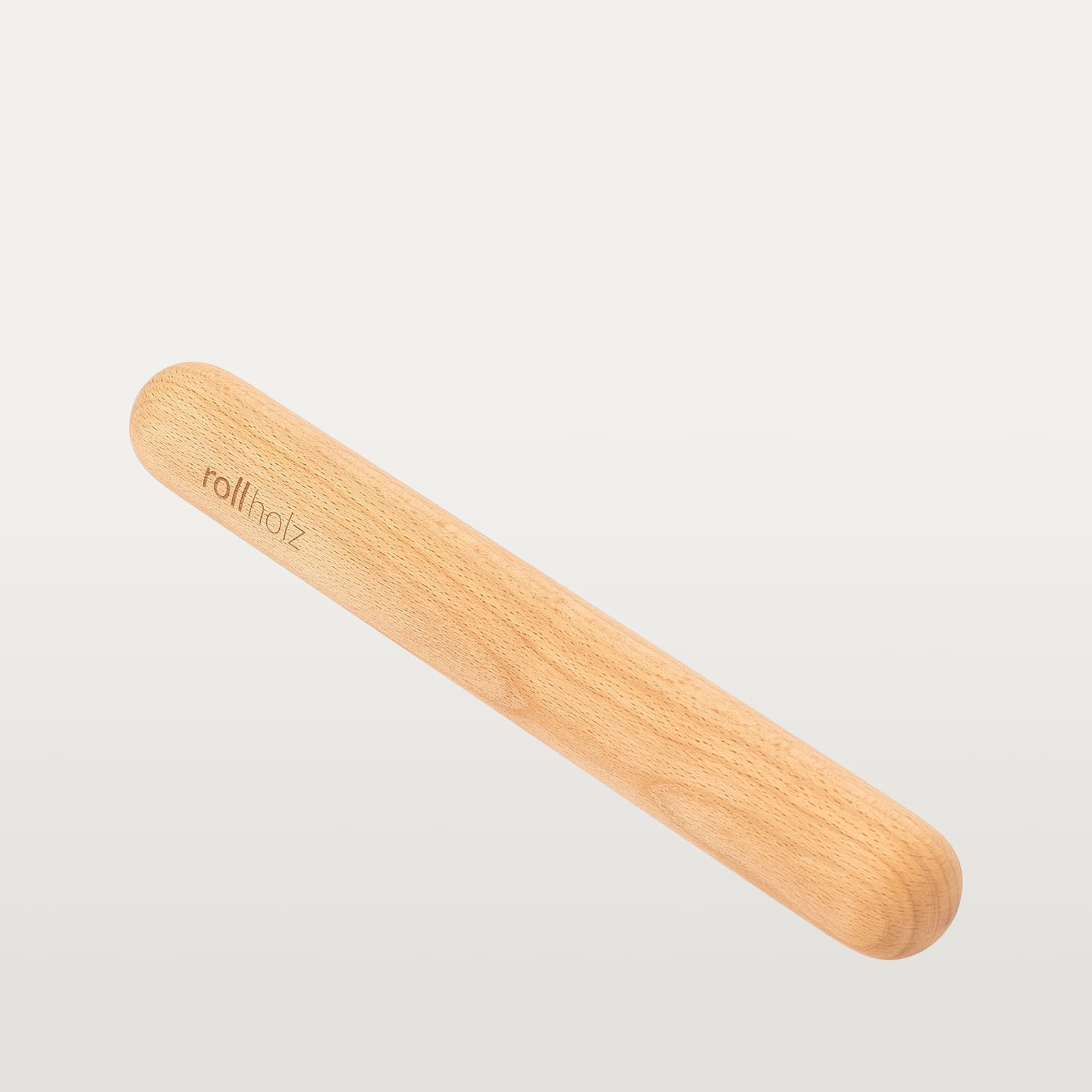
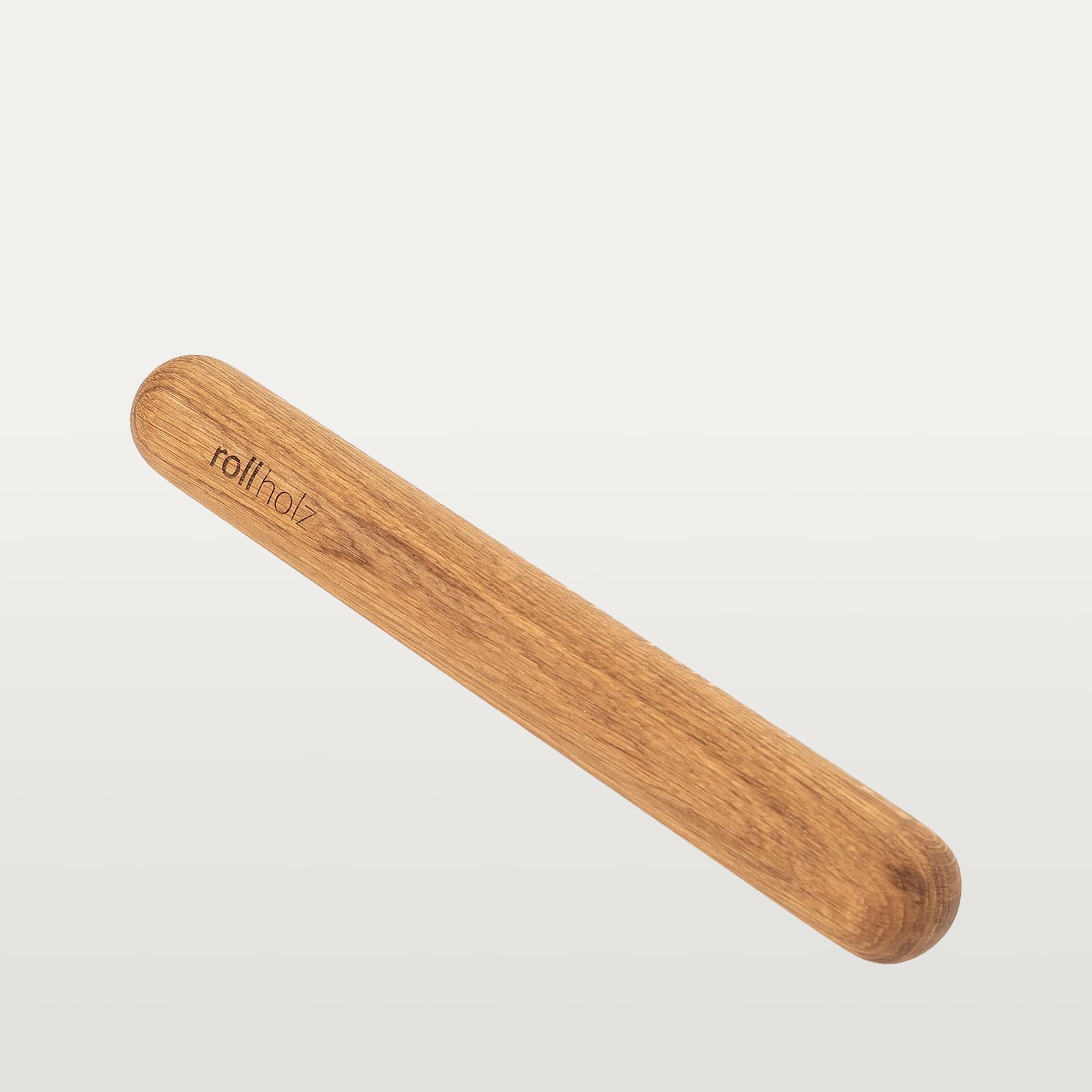
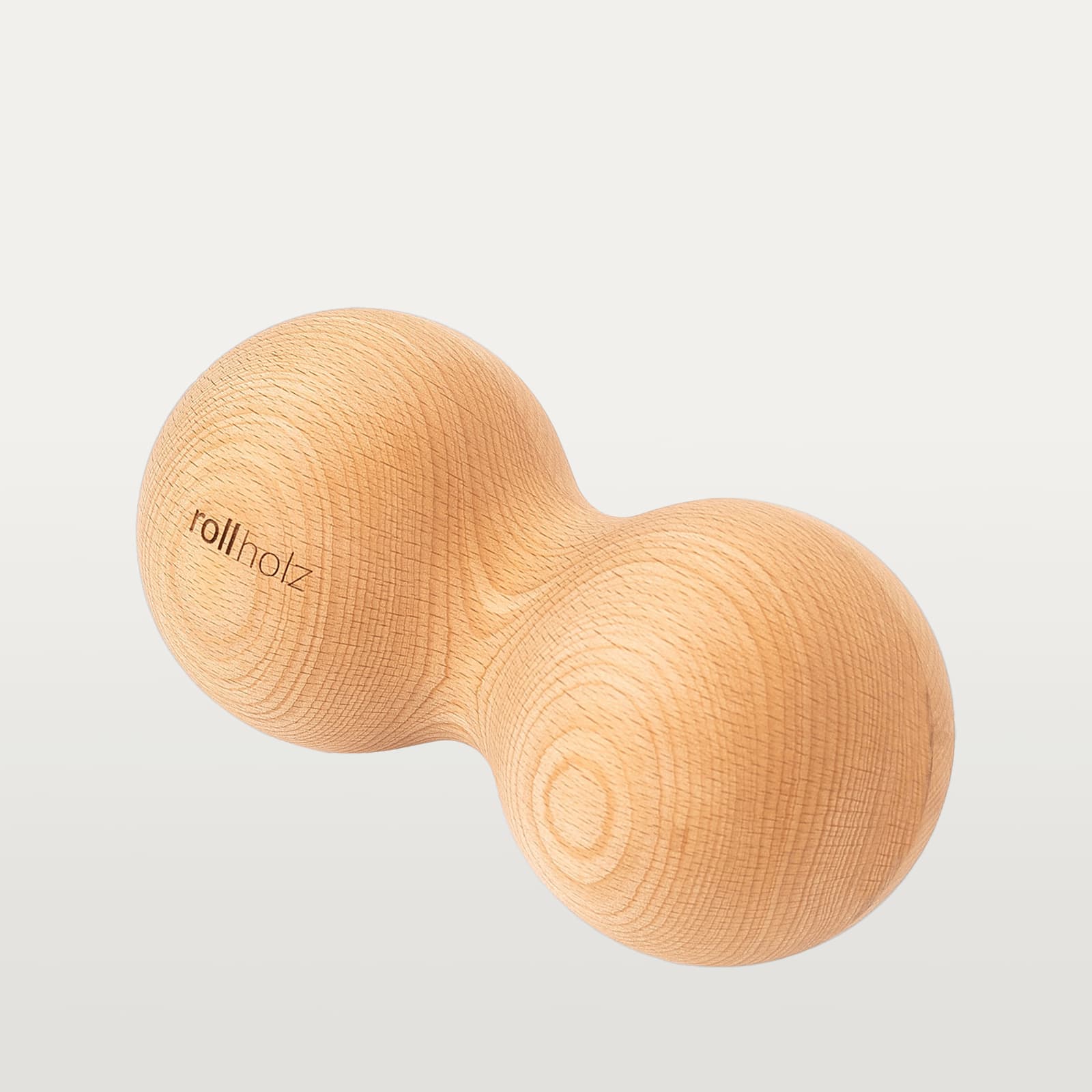
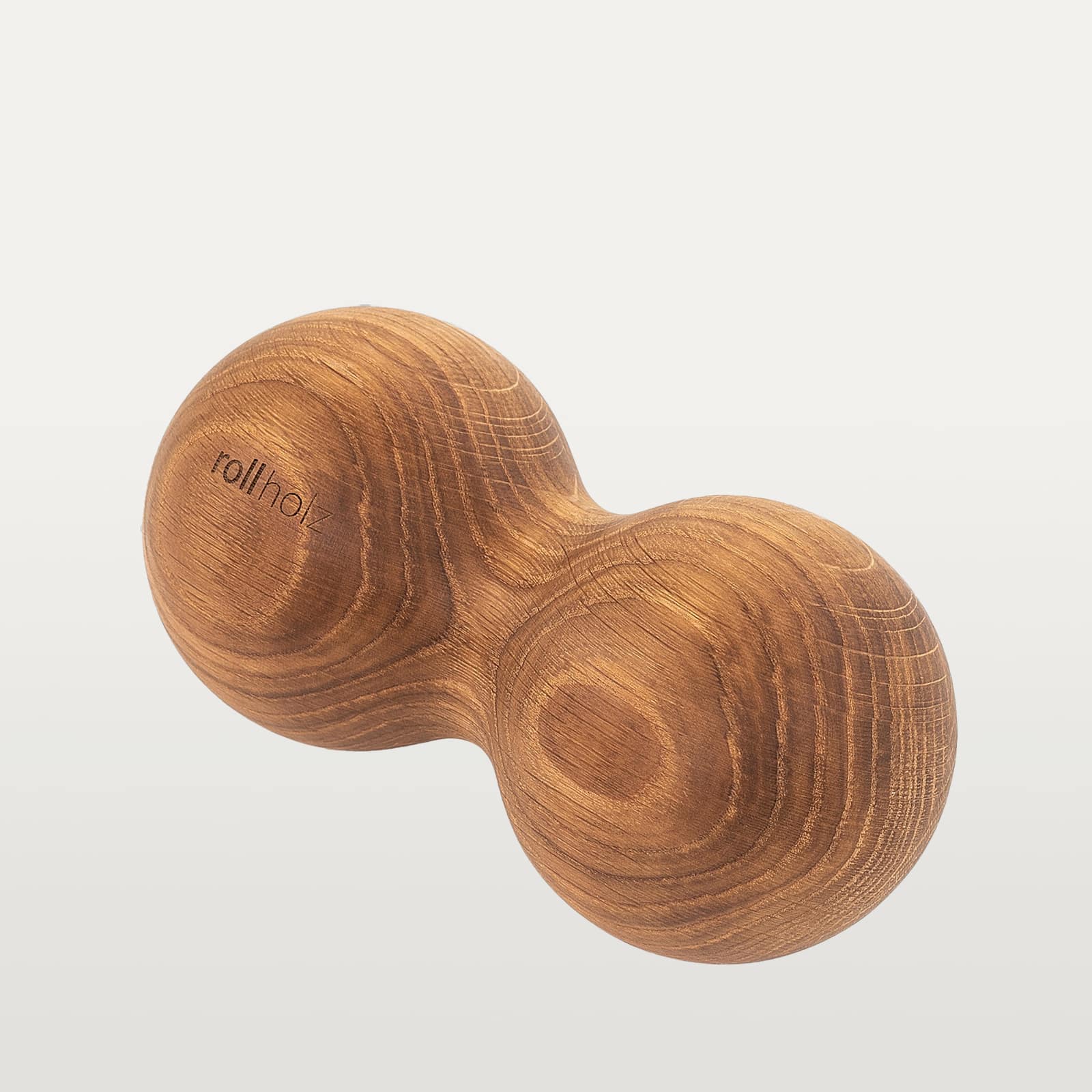
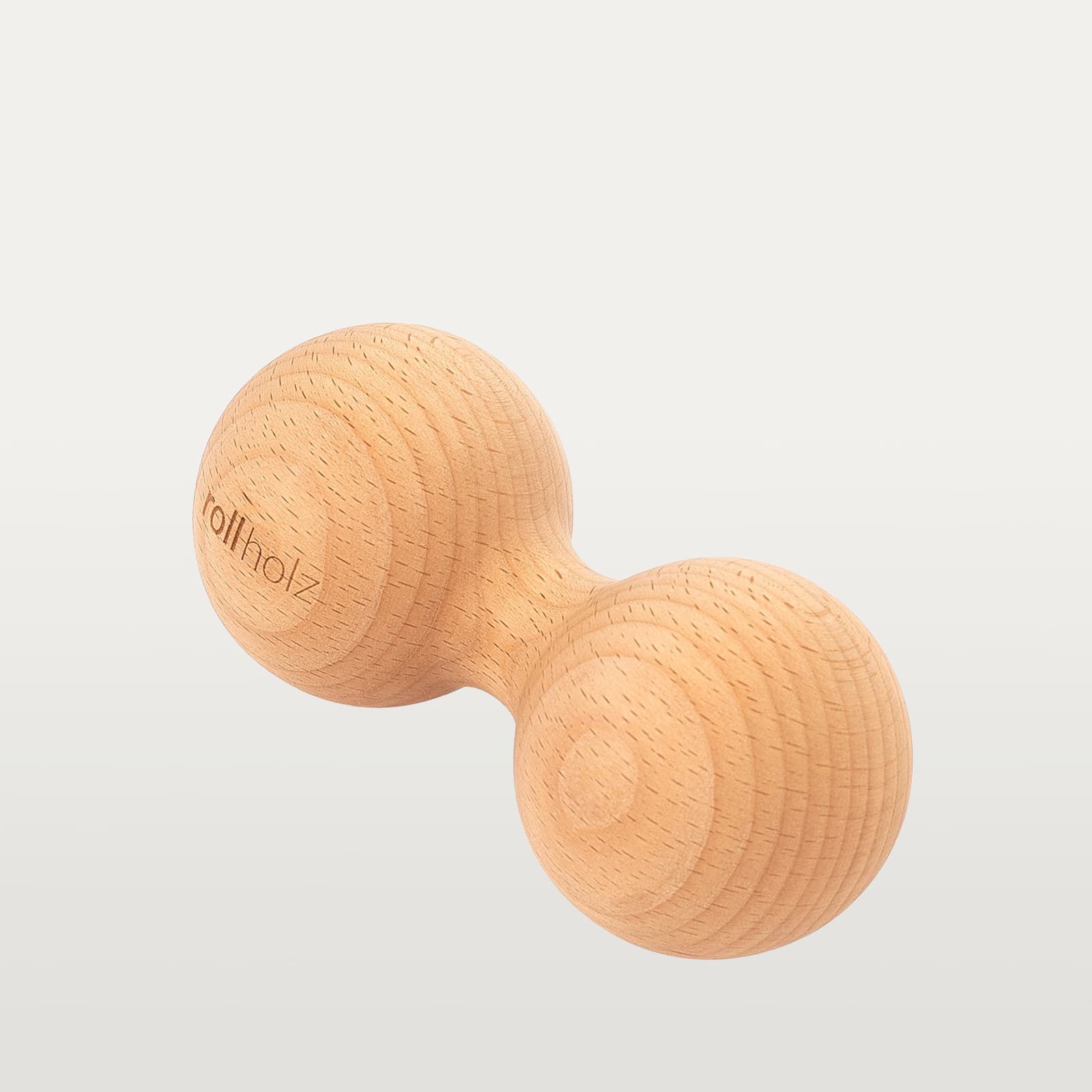
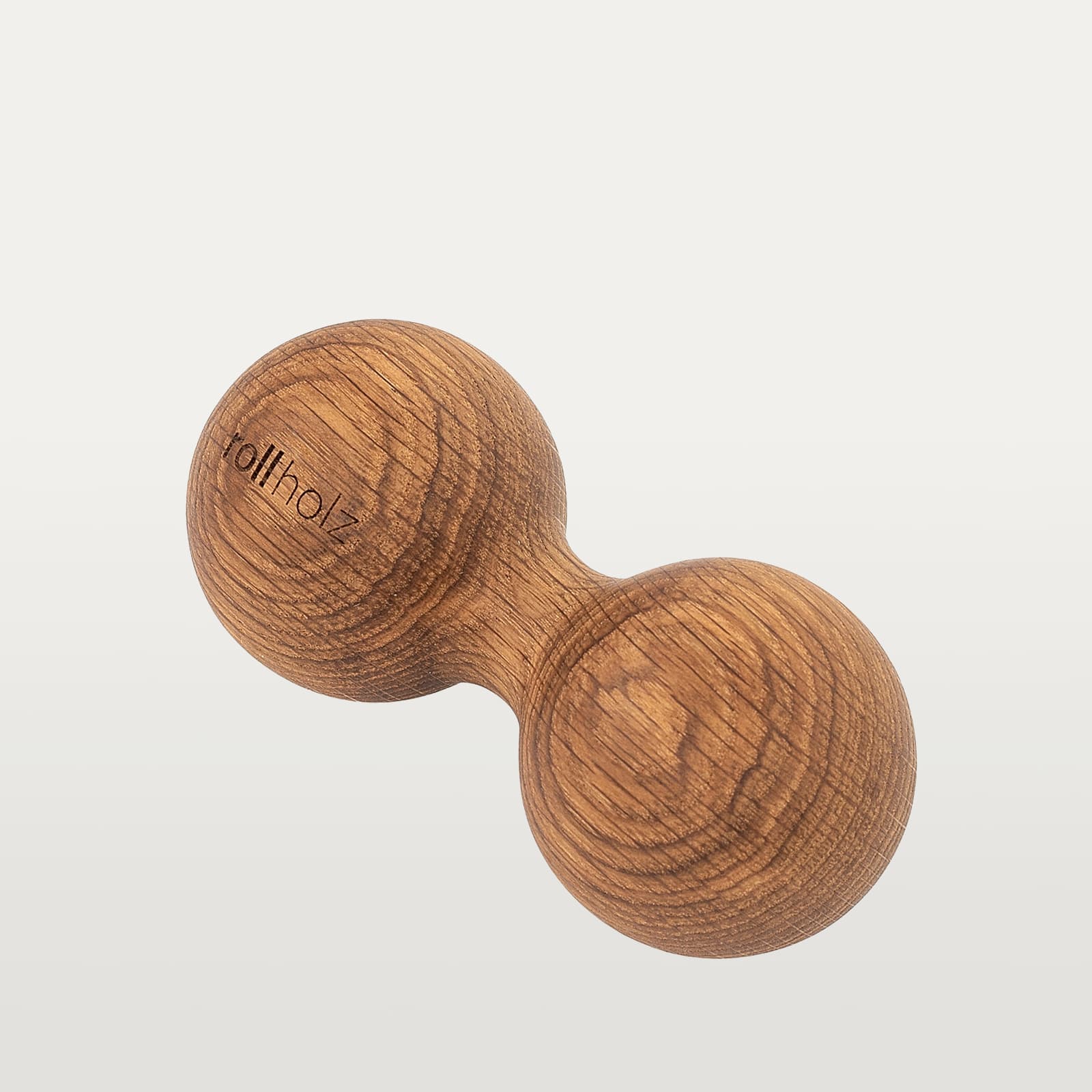
Forearm massage with a double ball or mini roller
Place the mini roller or a double ball on the table. Place your forearm on it, inside down, and slowly roll along its entire length, from the wrist to the elbow crease, by moving your arm over the tool. Repeat this with the top of your forearm facing up. You can also massage your forearm this way for complaints associated with carpal tunnel syndrome, since the muscles from which the tendons run to the hand are located in the forearm – but have your symptoms medically checked first.

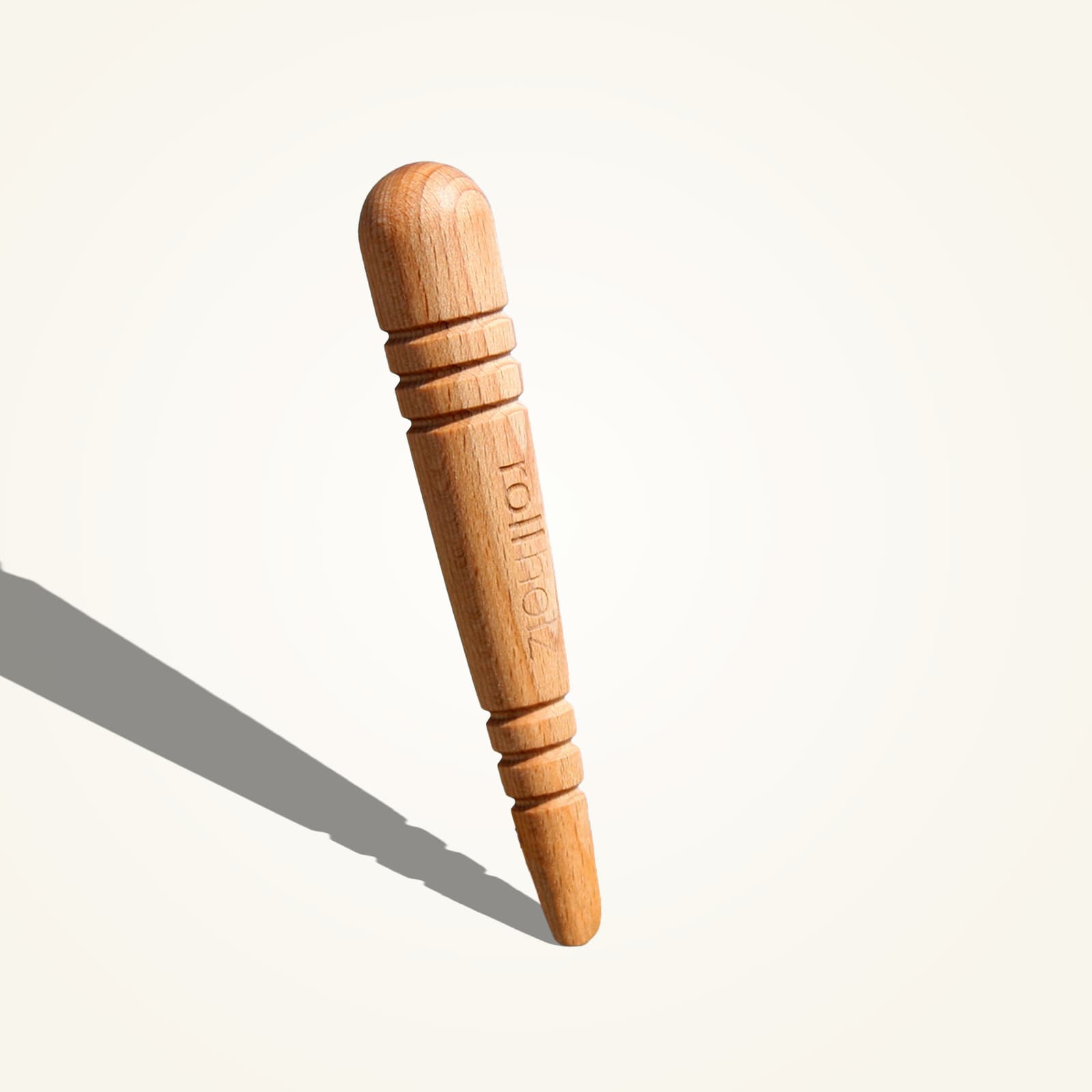
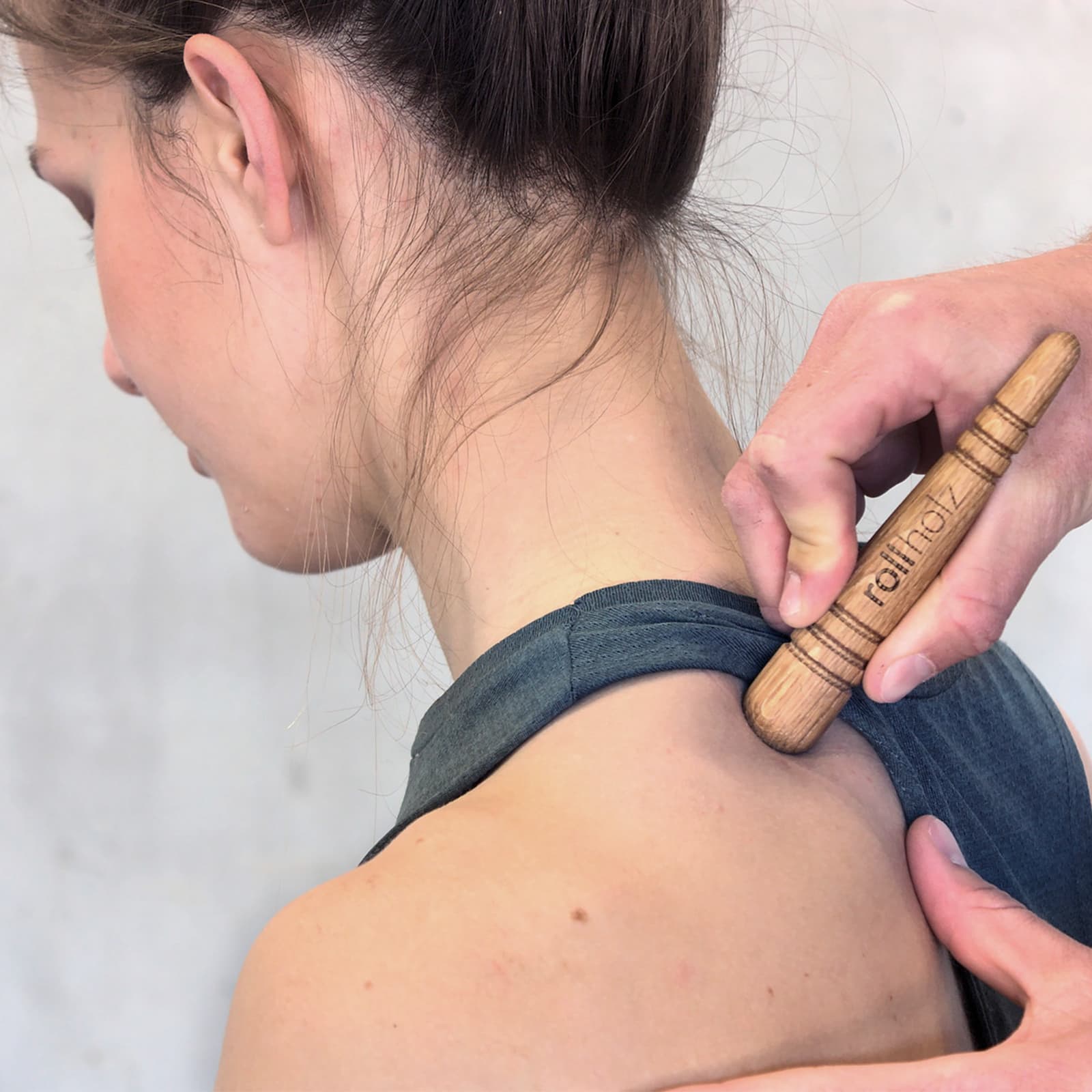
Targeted hand massage with trigger stick and fascia ball
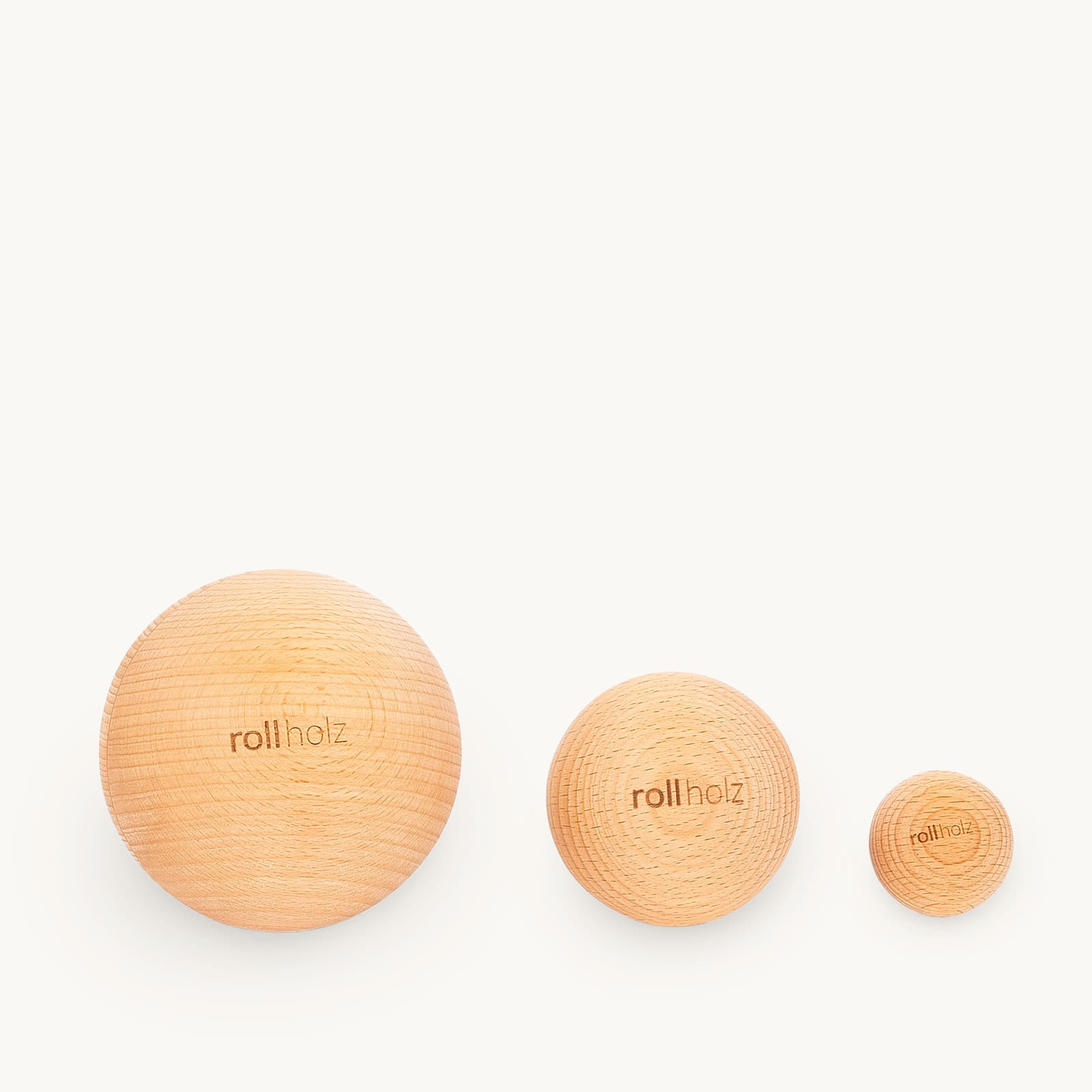
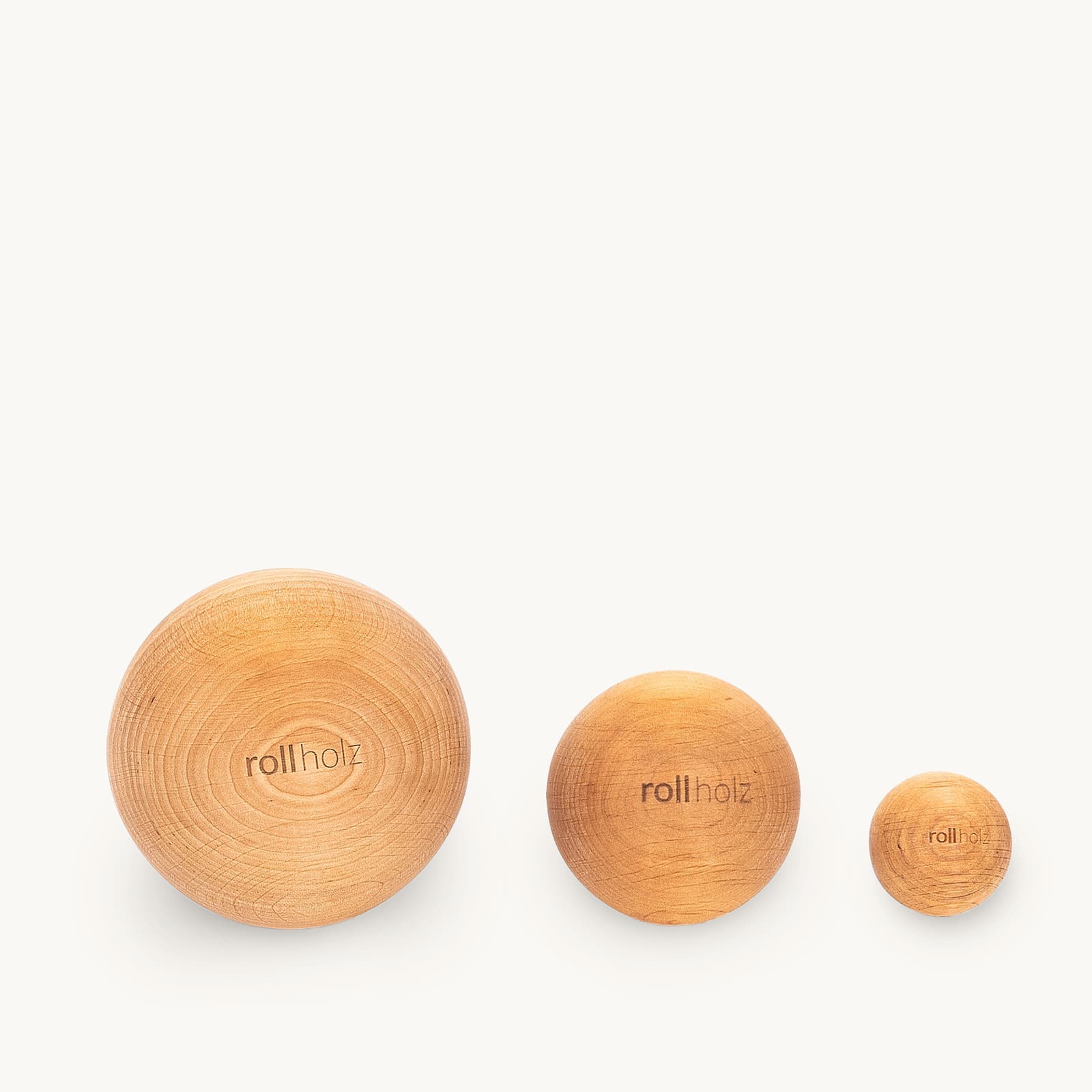
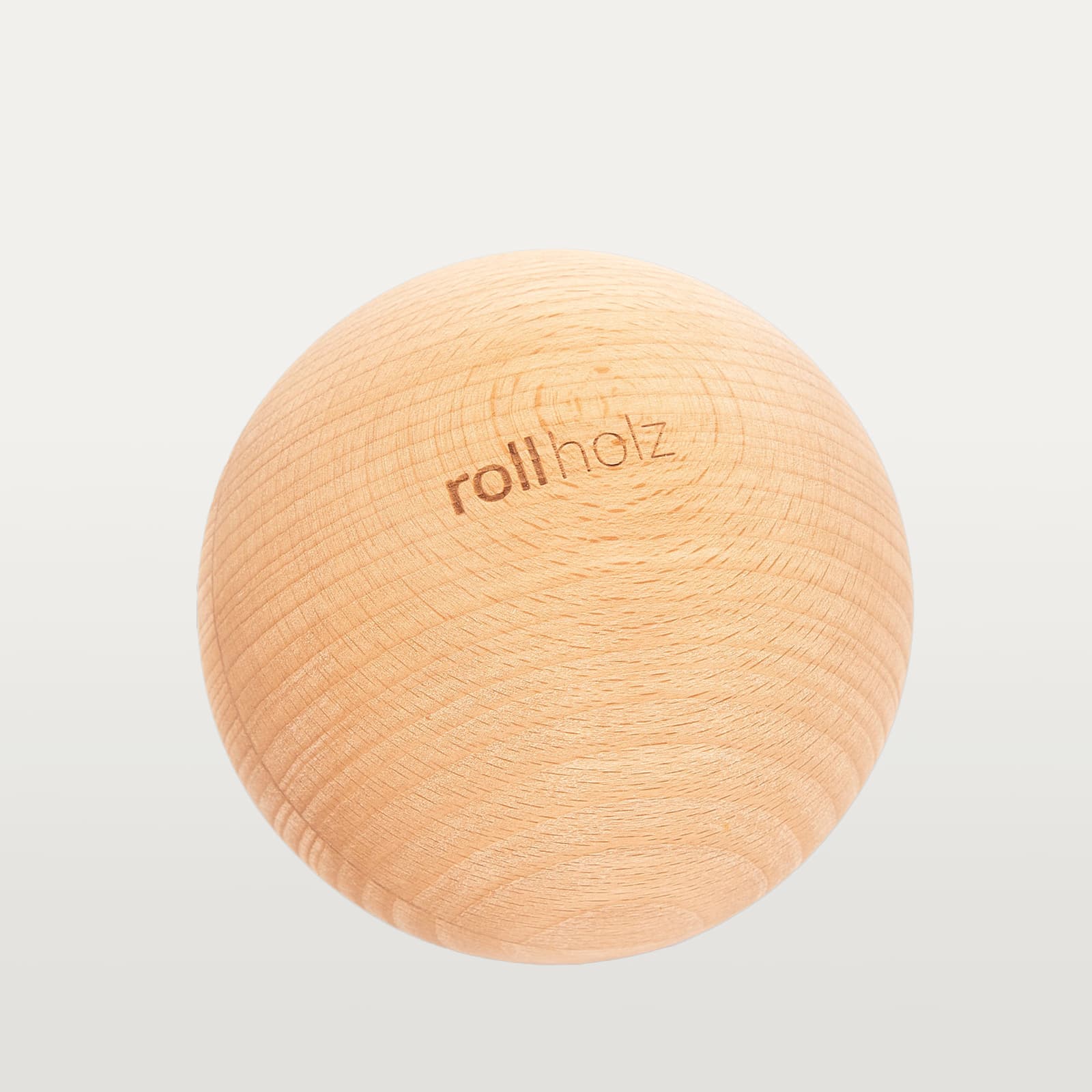
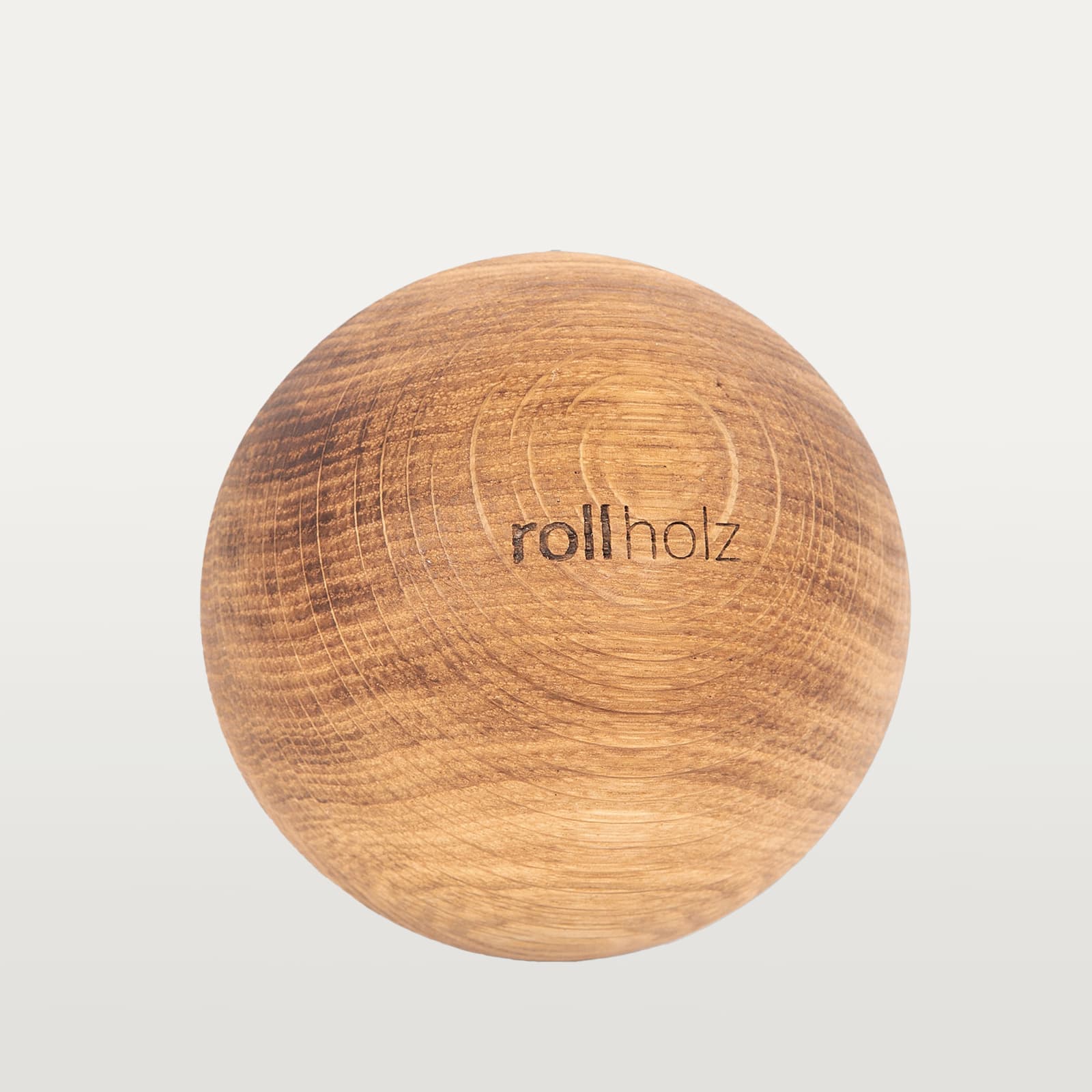
Smaller tools are better suited for the palm itself: The trigger stick can be used with light, controlled pressure specifically on the thenar eminence or in the palm, while a small fascia ball (4 cm) is suitable for broader, gentle rolling over the entire palm.
When you should see a doctor
The exercises shown are suitable for everyday, muscular tension. You should seek medical advice instead of continuing to exercise yourself if you experience the following signs:
Numbness or tingling in the fingers, especially at night. Significant loss of grip strength. Persistent or increasing pain in the elbow or wrist. Symptoms that do not subside despite rest and the mentioned exercises for several weeks.
Conclusion
Tension in the forearm and hand usually results from one-sided, repetitive strain in everyday life or sports. Regular stretching and massage exercises can specifically counteract this strain – however, they do not replace a visit to the doctor for persistent or diagnosed conditions such as tennis elbow, golfer's elbow, or carpal tunnel syndrome.




Leave a comment
This site is protected by hCaptcha and the hCaptcha Privacy Policy and Terms of Service apply.