

In the first part, we learned why large compound exercises form the unshakable foundation for true strength and athletic muscle building. But even the best setup is of little use if the variables behind it are left to chance. How many repetitions are optimal for hypertrophy? How long do you need to rest to recover your neural pathways? Sports science provides crystal-clear answers that will transform your home gym training from blind guesswork into precise control.
The Hypertrophy Formula: How Muscle Growth Really Happens
For a long time, the myth persisted in gyms that muscle building only occurred in the range of 8 to 12 repetitions. Modern training science has refuted this. As long as you push a muscle close enough to technical muscle failure, you can achieve significant muscle growth with both low loads (e.g., 15–20 repetitions) and high loads (e.g., 5–8 repetitions). Two primary stimuli are crucial:
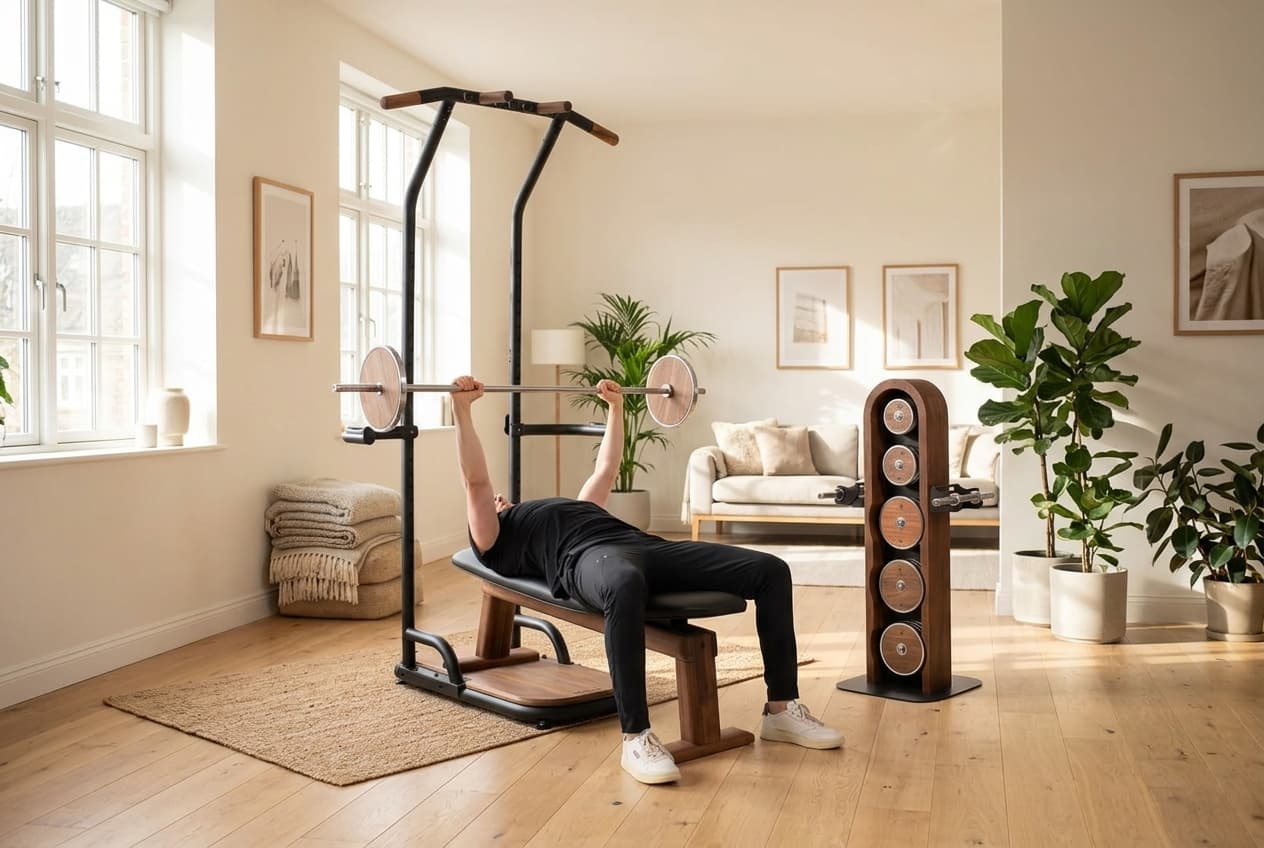
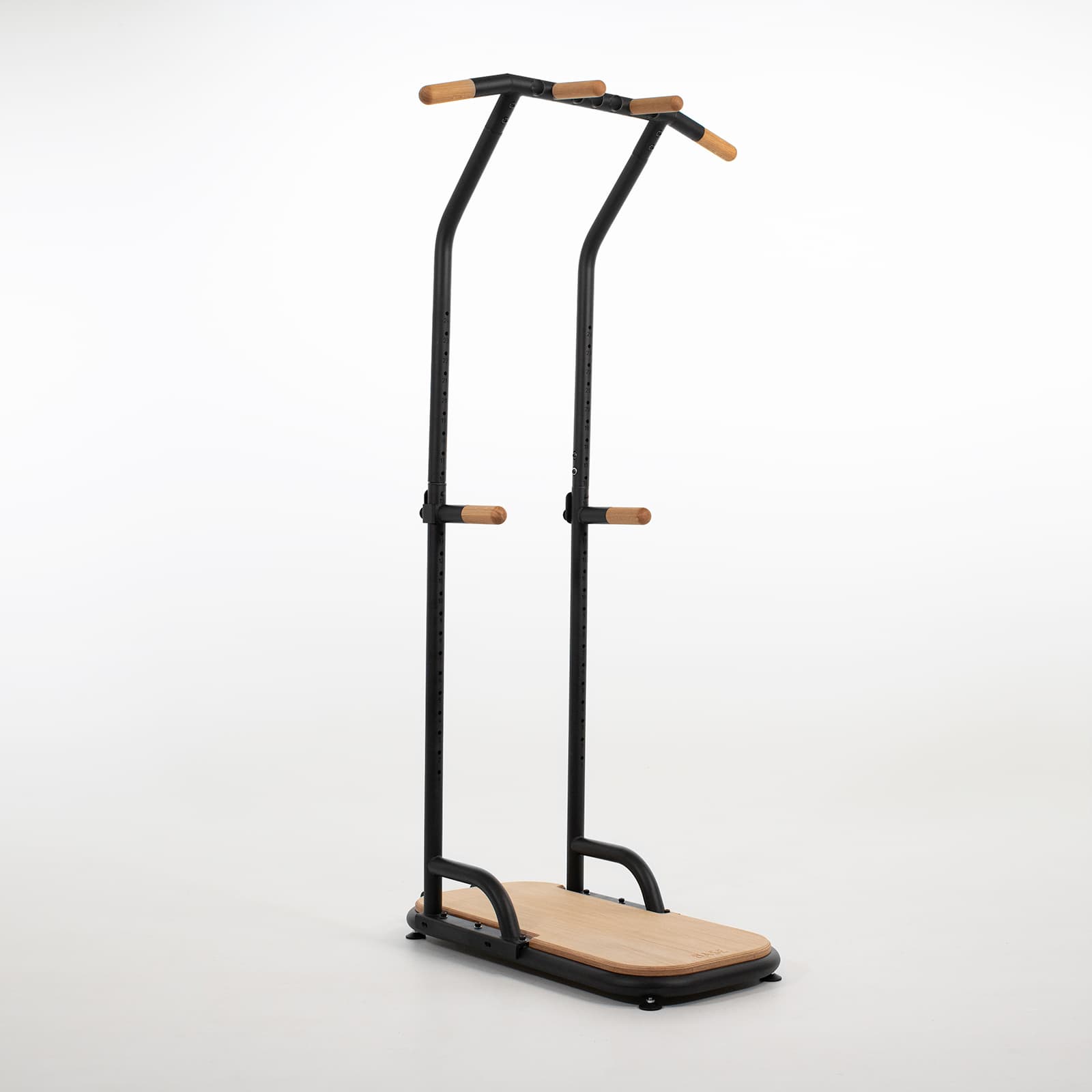
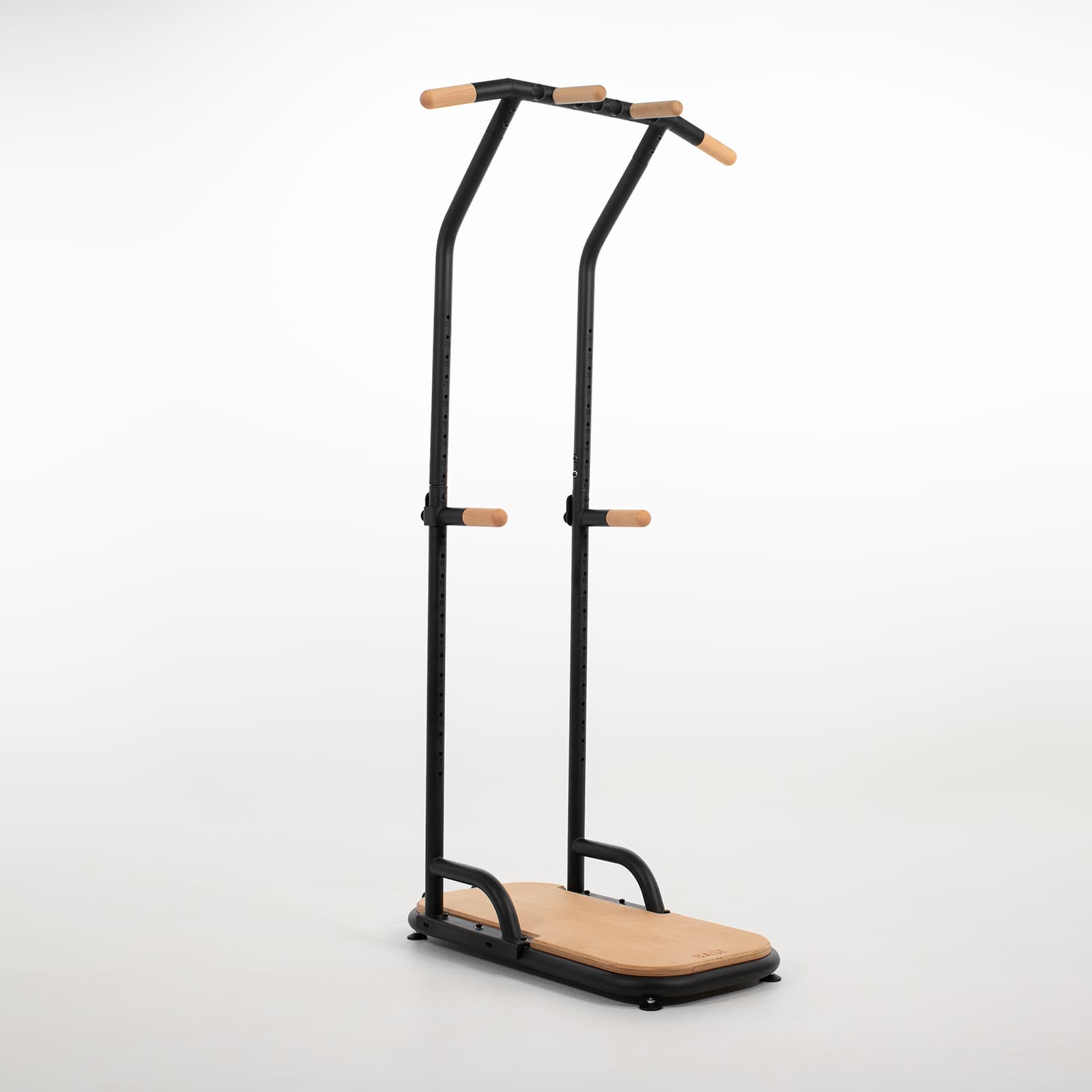
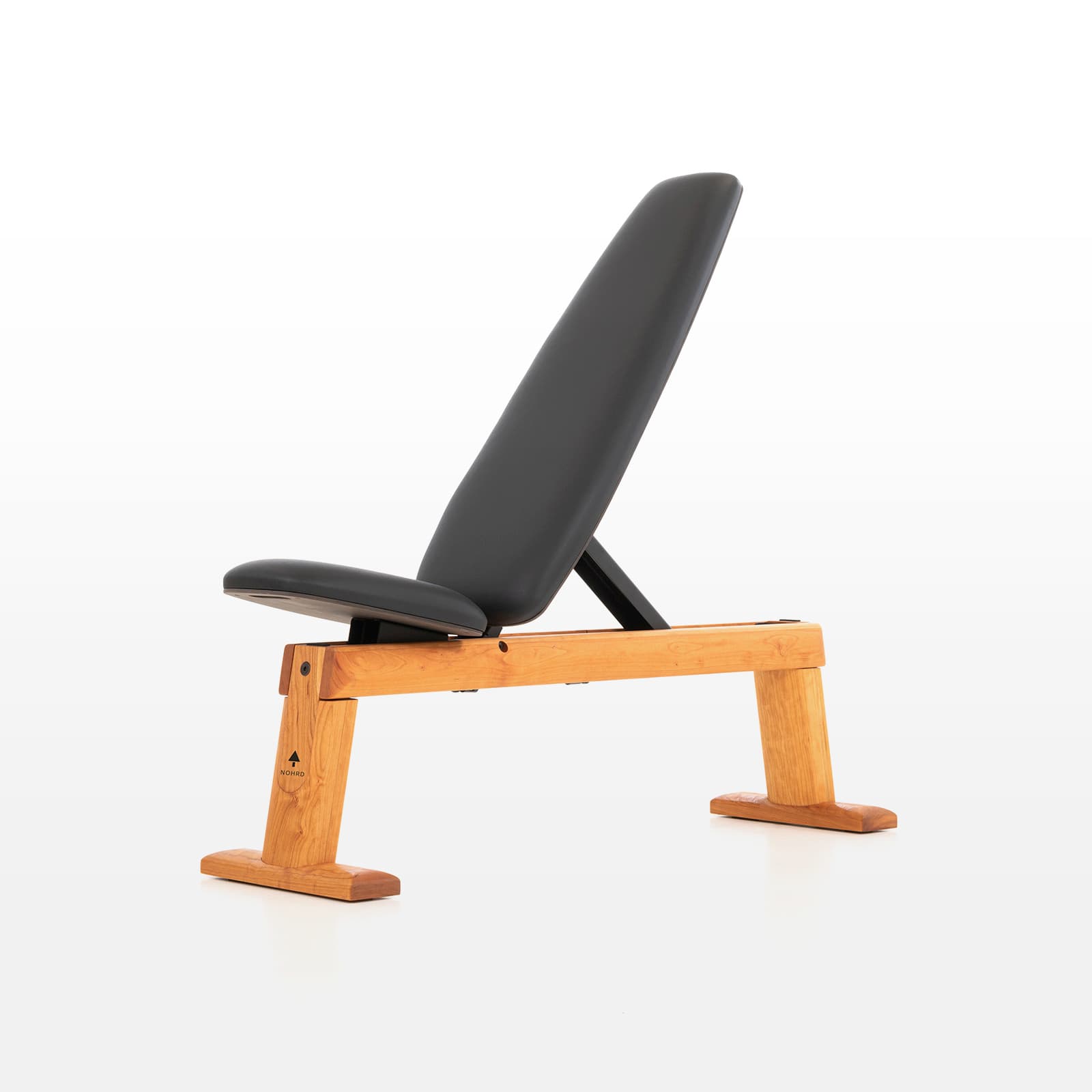
- Maximum mechanical tension: The load acting on the muscle fibers. Particularly high with heavy basic exercises on the rollholz Base.
- Metabolic stress: The "burning" in the muscle, triggered by the accumulation of metabolic byproducts at higher repetition counts.
The Adjusting Screws of Success – How to Choose Your Training Parameters Correctly
To optimally utilize these stimuli, we control your training via three fundamental variables:

Set Breaks – Why Shorter Isn't Better
A common mistake in home gyms is taking too short breaks due to lack of time or misguided ambition. Studies clearly show: Those who rest for 2 to 3 minutes during compound exercises such as squats or bench presses build more muscle mass in the long term than the 60-second faction. The reason: Your central nervous system and your ATP stores (the primary energy source of your muscles) need time to recover. Only then can you generate maximum mechanical tension again in the next set.
The rollholz Tip: Deliberately use the long breaks during heavy lifts on the Base to breathe and focus. You can take shorter breaks later for isolation exercises – often one minute is enough there.

Maximize Metabolic Stress with the Suspension Trainer
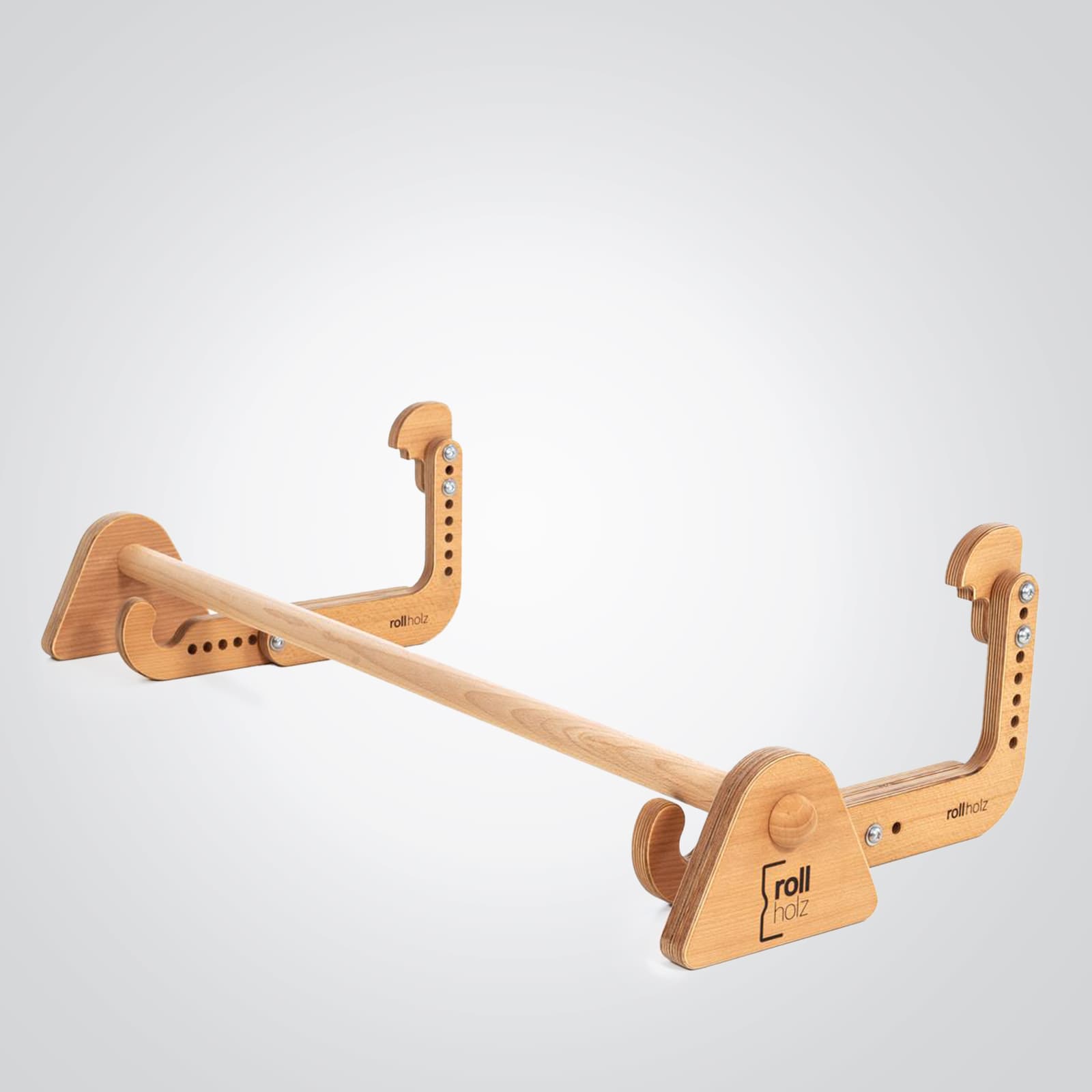
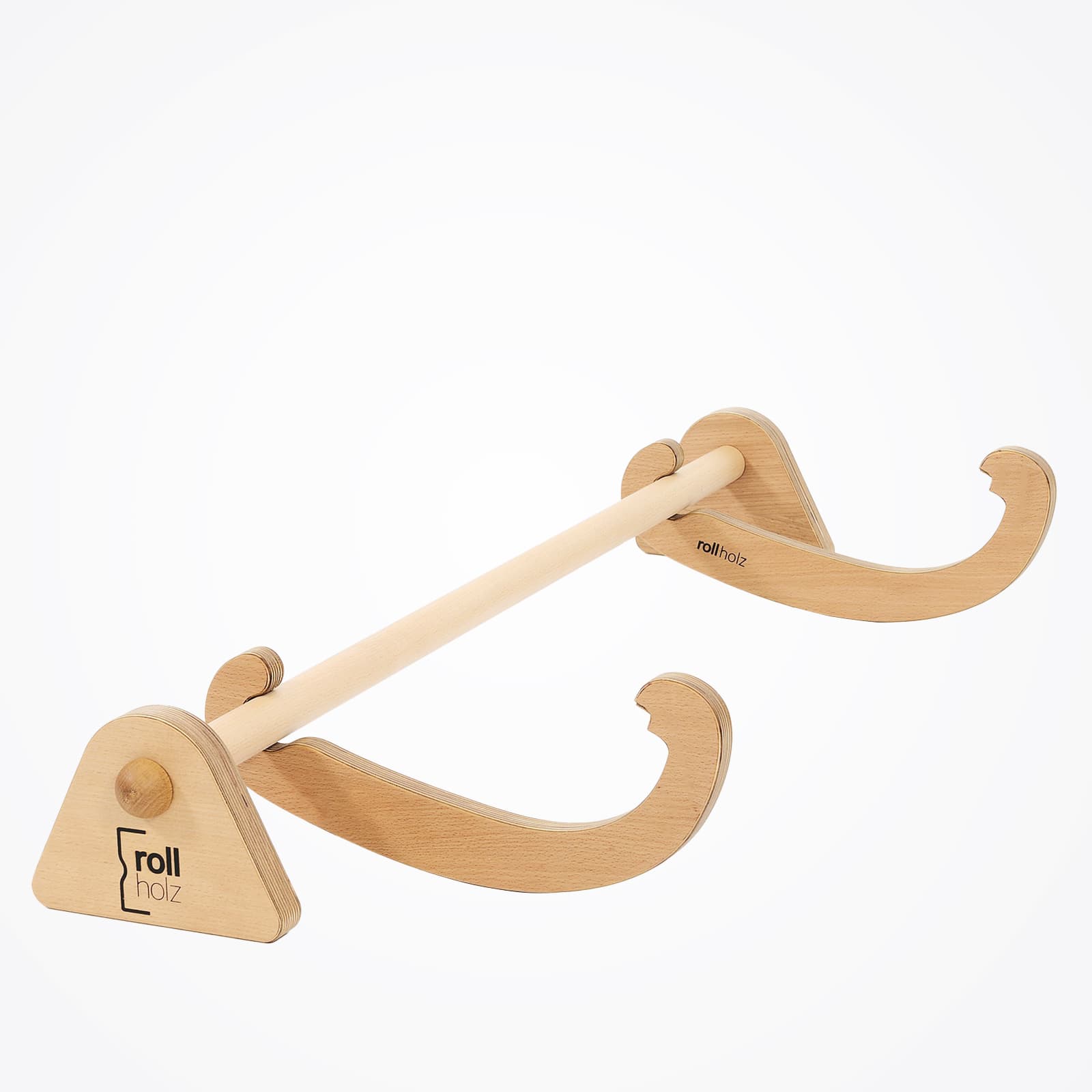
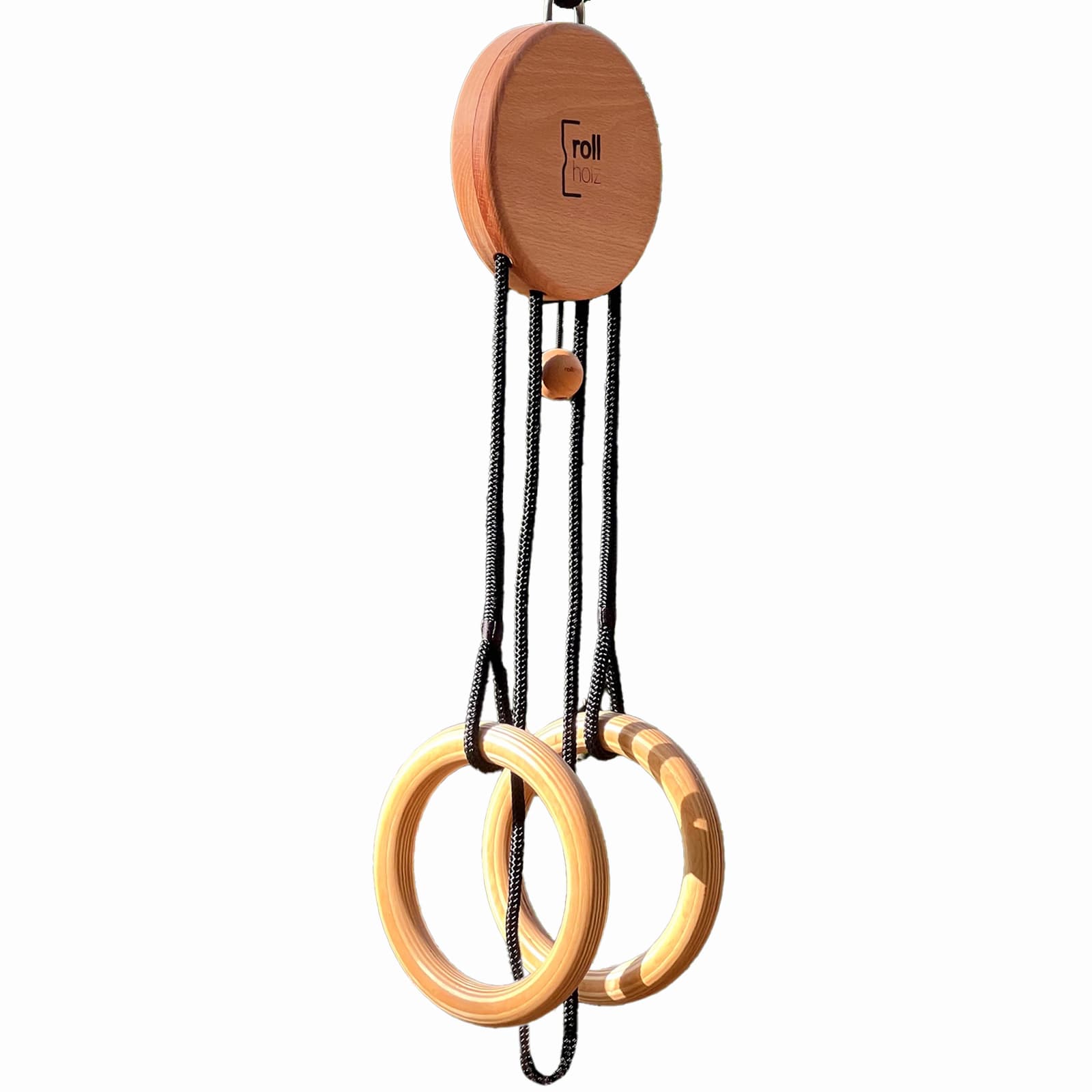
After you've covered mechanical tension with heavy dumbbells, it's time for the rollholz suspension trainer. Due to the unstable suspension, you force your deep core muscles to perform at their peak permanently. Exercises like angled push-ups, rows, or core rollouts in the suspension trainer are perfect for completely pumping up the muscle with higher repetition counts (12–20 reps) and generating massive metabolic stress.
Biomechanical Advantage: You can infinitely vary the resistance by simply adjusting your step angle. This makes the suspension trainer the perfect tool for highly effective intensity techniques like drop sets.

Progressive Overload
Your body only adapts when it is forced to. If you lift the same weight for the same repetitions week after week, muscle growth will stagnate. You must progressively overload. This doesn't necessarily mean you have to add more weight immediately. Progression in the home gym has many faces: one more repetition than last week, one more set, cleaner execution (more time under tension), or a more controlled eccentric (lowering) phase.
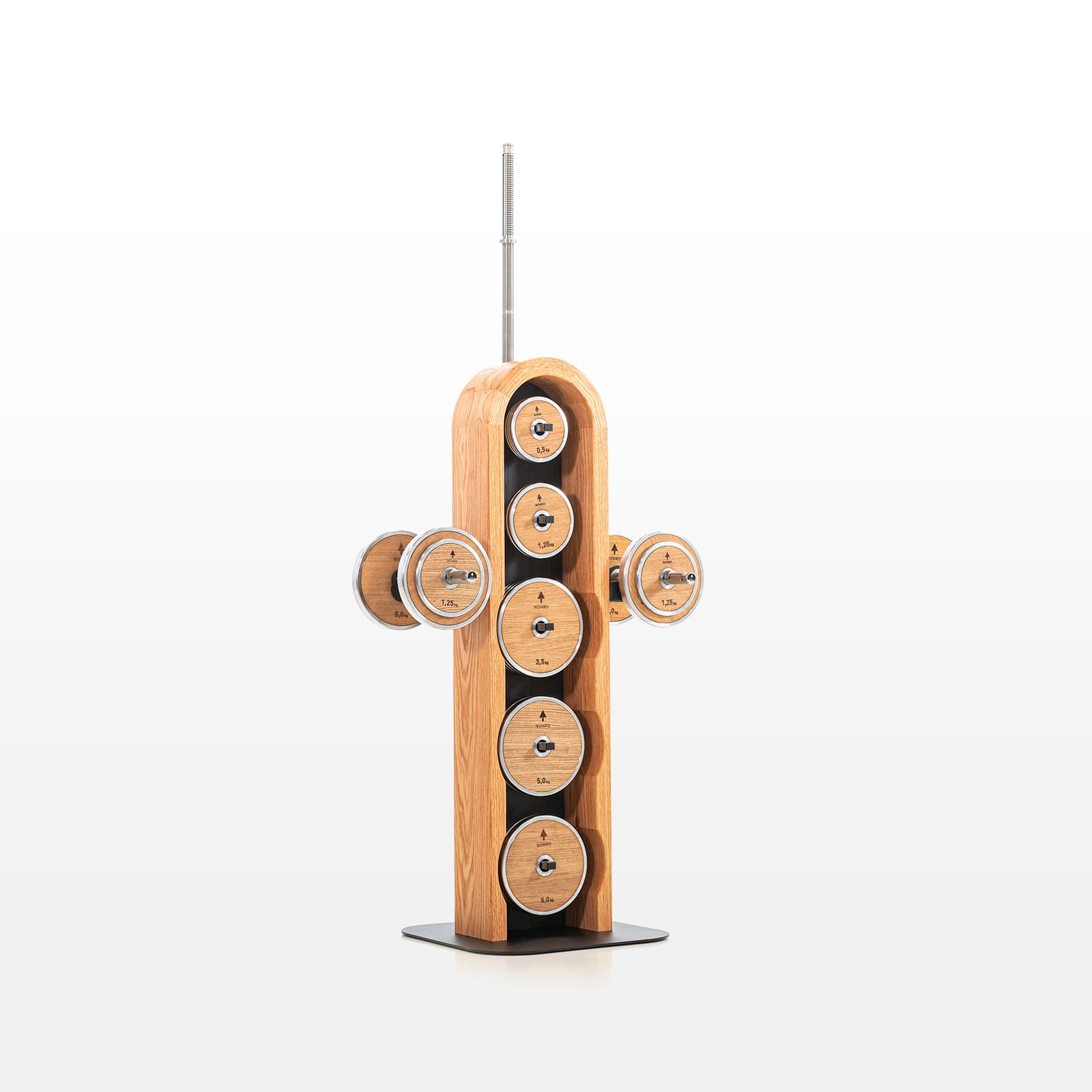
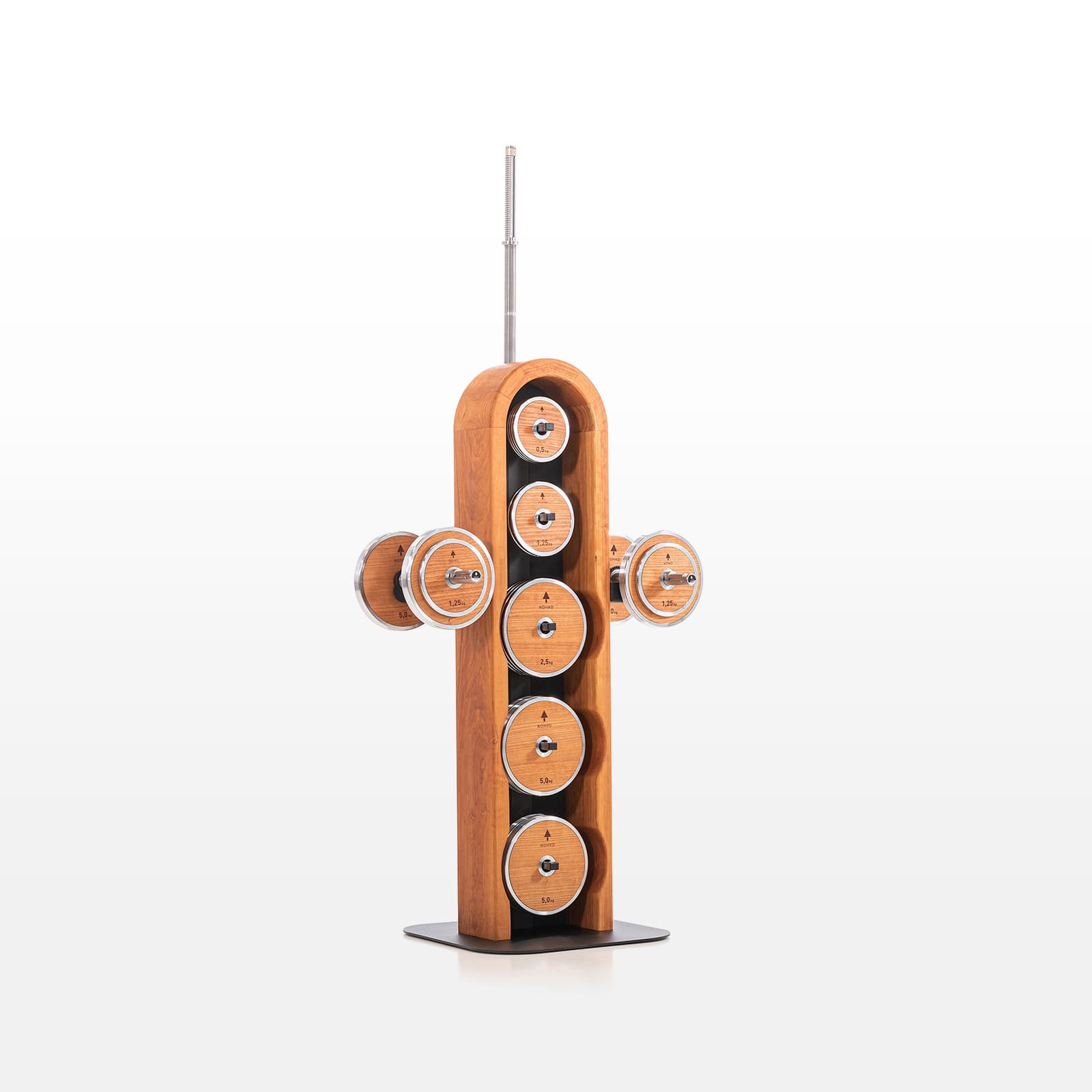
The rollholz Tip: Use the fine gradation of the Nohrd WeightPlate Tower to increase your strength in small, injury-free steps for the big three exercises. Document your training sessions – what gets measured, gets improved.
Conclusion: Clever Interaction Wins
Scientifically based training in the home gym utilizes the synergy of both worlds: Start your session with heavy compound exercises on the Base for maximum mechanical tension and long set breaks. Finish your workout with the suspension trainer to give your muscles the final growth stimulus through metabolic stress.
Preview of Part 3:
Strength is worthless if your body is blocked. In the next part, we'll focus on the functional interface: why immobile joints sabotage your power transfer, how fascia training immediately increases your range of motion for squats, and how to perfectly combine mobility and strength. Stay tuned!








Leave a comment
This site is protected by hCaptcha and the hCaptcha Privacy Policy and Terms of Service apply.